, exact location withheld
How to Start Urban Exploring
How to start urban exploring safely. The law in Illinois, legal places to begin, how to research buildings, hazards, footwear, tetanus and the code.
To start urban exploring, learn the hazards and the law first, build a basic kit, practice on places you are allowed to be, and research every building before you think about it. The order matters, because the cheapest mistakes happen before you leave home.
This is entertainment and general information, not legal or safety advice. Nothing here is a reason to go inside anything, and I don’t tell anyone how to get into a building.
What is urban exploring, and is it legal?
Urban exploring, or urbex, is visiting and photographing places people have left behind, like abandoned houses, schools, churches and factories. I wrote the full definition in What Is Urbex?. The legal part is the one beginners underestimate.
In Illinois, criminal trespass to real property includes knowingly and without lawful authority entering or remaining within or on a building. It also includes entering the land of another after notice that entry is forbidden, and the statute lets an owner give notice in person or with a sign posted at the main entrance. Violations of those parts are a Class B misdemeanor. Calling a building abandoned doesn’t change that. The statute does define unoccupied and abandoned property, tied to unpaid taxes and years of vacancy, but it does so to exempt people who beautify such property, and someone still owns the building. I go through the details in Is Urban Exploring Illegal?.
The appeal of the channel is doing things you’re not supposed to do, in a respectful way. That is the appeal of my videos. It is not instructions for yours.
Where can a beginner start without breaking the law?
With places that want you there. Open House Chicago is a free event from the Chicago Architecture Center that, according to Choose Chicago, offers behind the scenes access to buildings that are normally closed to the public. It runs every October, and the 2026 dates were Oct. 17 and 18. The page lists more than 200 places across more than 30 Chicago neighborhoods, taken first come, first served with no tickets or reservations.
It isn’t an abandoned building, and it isn’t supposed to be. It’s practice at looking at old structures, framing a shot and paying attention to what a building is made of, with the owner’s permission and nobody calling the police. If you want inside a specific building, the person to ask is whoever owns it.
How do you research a building first?
Start with the map, not the door. The Newberry Library says fire insurance maps show the footprints of buildings and other structures, along with construction materials and building use. They were made to help insurers judge fire risk, and the Sanborn Map Company was the biggest publisher. The Newberry holds 50 hard copy Sanborn volumes of Chicago, which are not digitized and do not include the suburbs. It also subscribes to Digital Sanborn Maps of Illinois, 1867 to 1970, available only in person, and says Library of Congress Sanborn images are free online.
A map can tell you what a building was, what it was built from and what was next to it, before you ever stand outside. The rest of the process, including records, tax sales and closure news, is in my guide to finding abandoned places and in the paid PDF below.
What should you know about the dangers first?
That the floor is the first one. The U.S. Fire Administration lists holes in floors, missing stairs, and open shafts and pits as the hazards in vacant buildings, along with unstable structures and fall and trip hazards. Two lines from the same guide are worth memorizing. Evaluations of vacant and abandoned properties should be conducted by teams, not individuals, and if the stability of the structure is questionable, the team should not enter the building.
Those are professionals writing for professionals, and they still say no. I read them as the beginner’s checklist. The sinkhole church is where I said something close to it on camera. At one point a single beam was pretty much holding me up and everything else around it had sunk in, and I said that this is all there really is to see without risking my life.
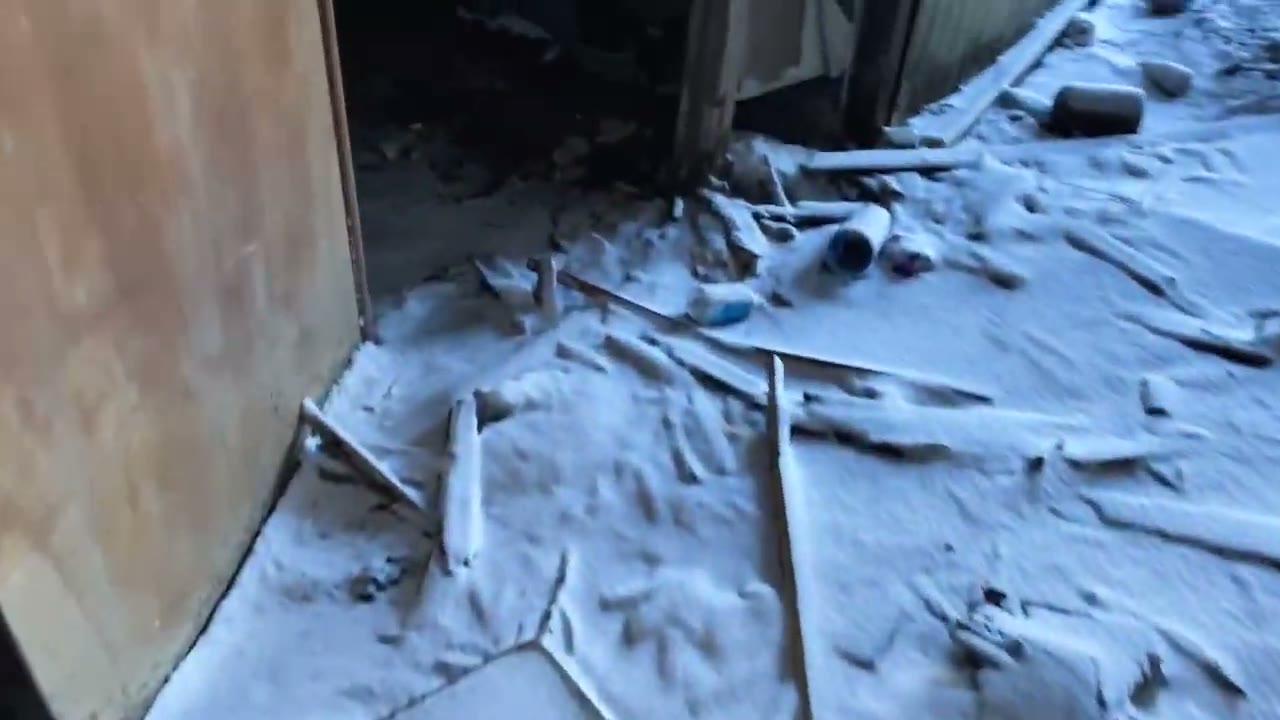
The full list is in What’s Actually Dangerous Inside Abandoned Buildings, and the floor in particular is in Signs a Floor in an Abandoned Building Could Collapse. Read both before you plan anything.
What should you wear and carry?
Boots, a light, a respirator and a bag, and nothing fancy. OSHA’s foot protection standard says employers must ensure workers use protective footwear where there is a danger of foot injuries due to falling or rolling objects, or objects piercing the sole. That is a workplace rule, and it points to ASTM F-2412 and F-2413 or ANSI Z41 as the standards the footwear must meet, which are the labels to look for. I’m not recommending a boot.
The rest is on my gear list. Most flashlights, including brand ones, aren’t bright enough, so I carry one good light, and I wrote up the choice in The Best Flashlight for Exploring Abandoned Buildings. The respirator on my list is a 3M 6200 half face, covered in the respirator post. The bag is a 45 liter tactical backpack, and the power bank is 35,000mAh, so the phone stays alive. All of it is linked below.
Tetanus is the one thing to handle before you go. The Georgia Department of Public Health’s fact sheet says spores enter through puncture wounds, and that dirty wounds include ones contaminated with dirt. It says a booster is recommended for adults every 10 years, and that for a dirty wound the cutoff for a new dose is five years since the last one. The fact sheet is undated, so ask a doctor for current guidance and your own dates. I covered the rest in Tetanus and Rusty Metal.
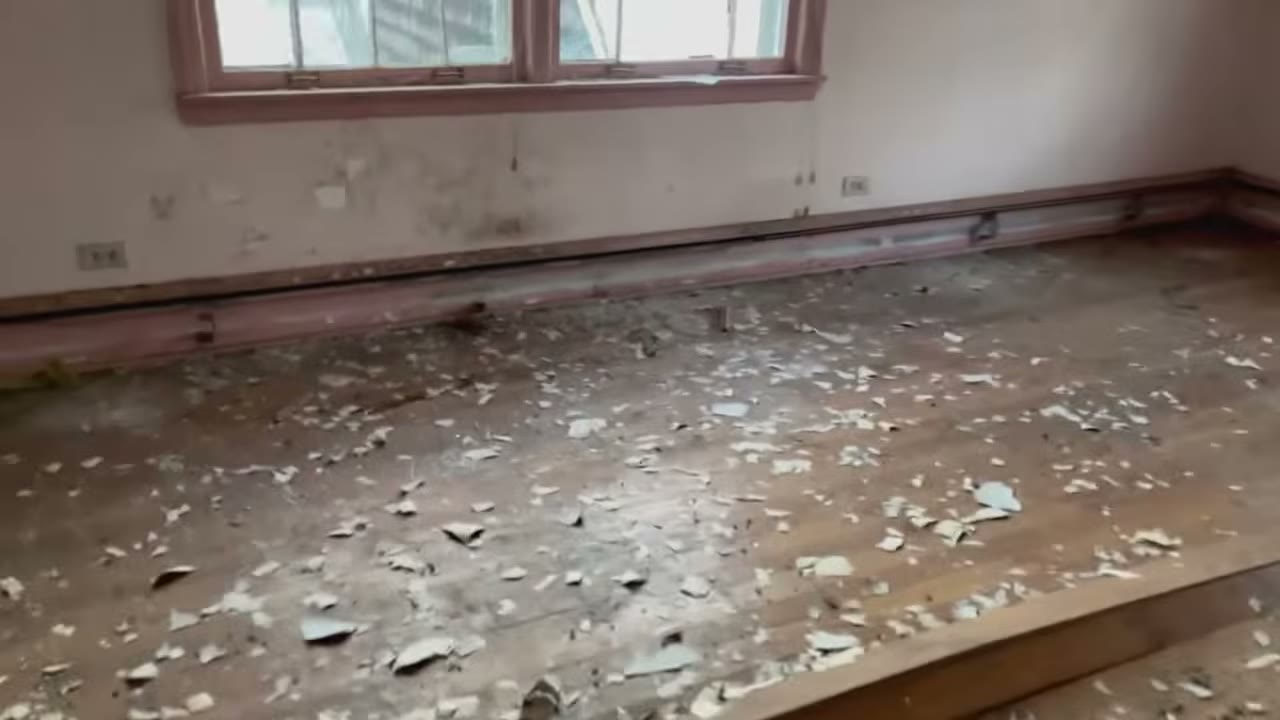
Flaking paint like that is a lead question in an old house, which I covered in Lead Paint in Abandoned Buildings.
Should you go alone?
No. The USFA’s line about teams is the short answer, and I wrote the long answer in Should You Explore Abandoned Places Alone?. Two people can fall through the same floor, so a partner isn’t a fix, but a partner can call for help. Agree on a plan before you arrive and tell a third person when you expect to be done. A first aid kit goes in the bag, and What to Put in an Urbex First Aid Kit has the list.
What is the code you start with?
Before you take your first picture, learn the code. Leave every place exactly as you found it, with no stealing, no vandalism and no spray paint, and take only pictures and leave only footprints. The National Park Service says to examine, photograph, but not touch cultural and historic structures and artifacts. I go through each rule and the Illinois laws behind it in Urbex Etiquette and the Code Explorers Follow.
Keep your locations to yourself too. I hide most of mine on purpose, so a spot labeled Chicago may not be in Chicago, and people always ask for locations and I won’t give them out.
How do you afford travel to better places?
Cheaply, and later. My approach is to travel off season, check every nearby airport and split costs with two to four friends. That is a position on budget urbex travel, not a promise that it works every time. Learn your home area first. The best practice you can get is a local building you’ve studied on a map.
What does this look like in practice?
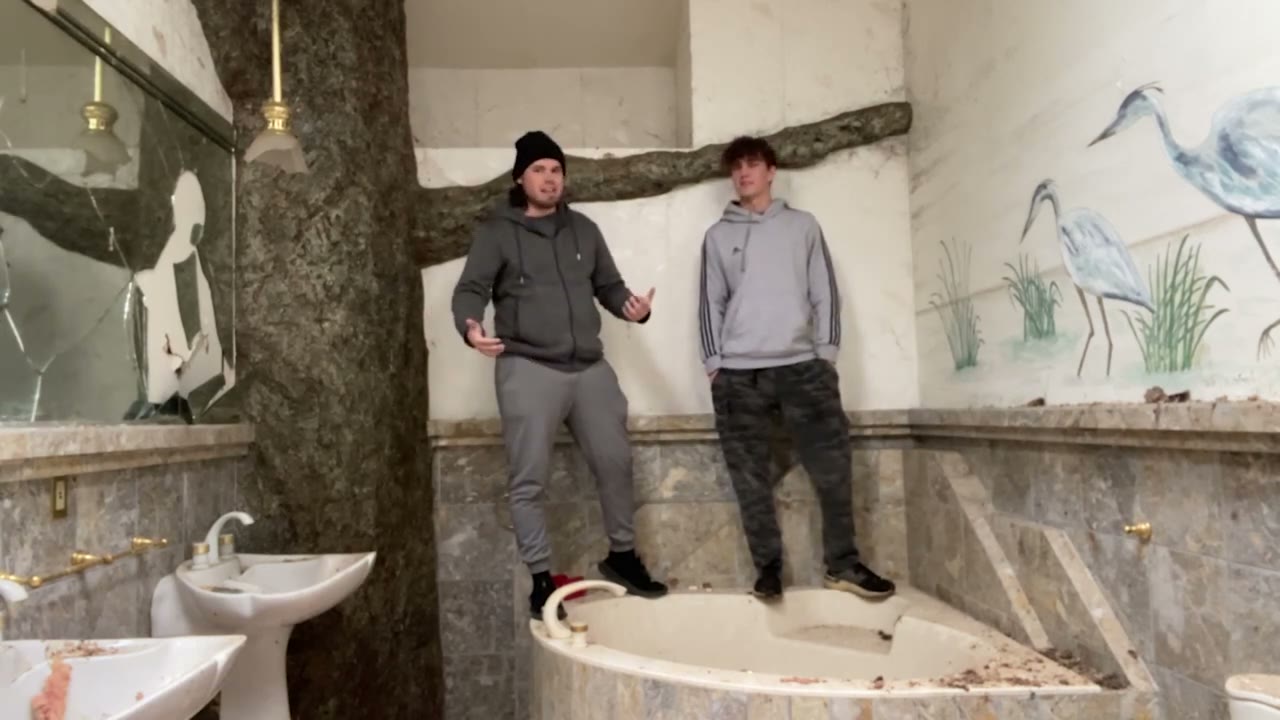
The Native American resort mansion is where I explored with a partner, and the first frame is the two of us in the bathroom. There were skylights in the ceiling, so you barely needed a flashlight in the daytime. The sinkhole church is the one where the answer was to stop. And at the train house I forgot my light and borrowed one for the video, which is a fair reason to pack the night before.
How I find my own spots, stay safe and film without burning locations is in my guide, How to Find Abandoned Places.
The first skill is walking away from a place that feels wrong.
What I carried in
- Coast XP11R flashlight
- 3M 6200 half face respirator
- LHI 45L tactical backpack
- 35,000mAh power bank with built in cables
Same list as every video description.
Sources
- 720 ILCS 5/21-3 Criminal Trespass to Real Property, Illinois General Assembly
- Open House Chicago, Choose Chicago, Sep 9, 2026
- Fire Insurance Maps, The Newberry Library
- Basic Evaluation Procedures for Abandoned and Vacant Buildings, U.S. Fire Administration, Apr 2018
- 1910.136 Foot Protection, Occupational Safety and Health Administration
- Tetanus Fact Sheet, Georgia Department of Public Health, undated
- Leave No Trace Seven Principles, National Park Service, Jun 16, 2022
More like this

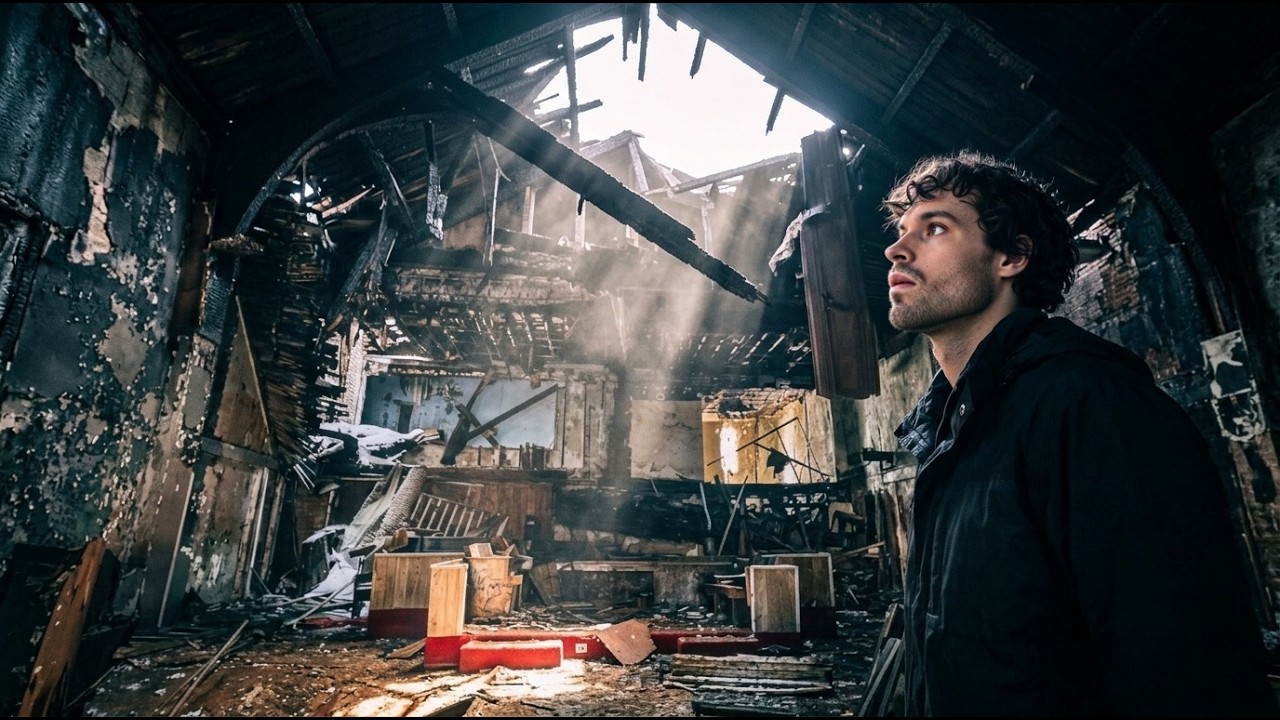

The footage that never goes public lives on Patreon. It's paid, and it's where the rough cuts, the security run-ins and the early releases go.