, exact location withheld
Tetanus and Rusty Metal
Rust doesn't cause tetanus, soil bacteria do. What CDC says about puncture wounds, booster timing and what to do after cutting yourself on old metal.
Rust doesn’t cause tetanus. The cause is a bacterium that lives in soil, dust and manure, and old metal is a risk because a nail or a sharp edge can push that bacterium under the skin. If you explore old buildings, the useful step is to know when your last tetanus shot was before you cut yourself on something.
This is entertainment, not medical advice. Tetanus is a serious illness and a clinician is the person to ask about your own shots. Every claim here links to the agency or university it came from, and none of it is a reason to go inside anything.
Does rust cause tetanus?
No, and Columbia University’s health service is blunt about it. Its answer to the rusty metal question says it isn’t the rust that causes the infection. The culprit is the bacterium Clostridium tetani, whose spores are common in soil, dust and animal feces.
CDC says the same thing in its own words. Its tetanus page says bacteria called Clostridium tetani cause tetanus and that they get in through broken skin, usually through injuries. Its page on causes says the spores are common in the environment, including soil, dust and manure, and that people don’t spread tetanus bacteria to each other.
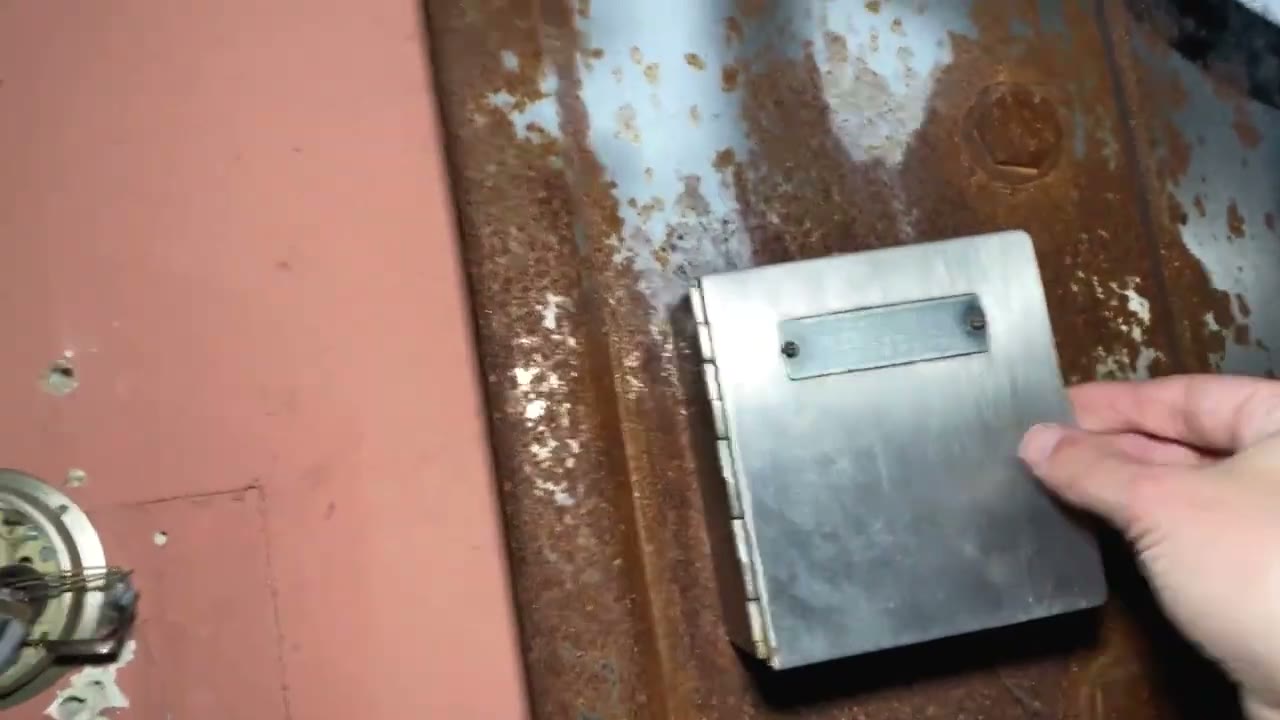
So why does everyone connect it to rust? Because the objects that deliver it often are rusty. A nail or a piece of sheet metal that has sat outside, or in a damp building, picks up dirt, and a puncture pushes that dirt under the skin. CDC lists puncture wounds, meaning wounds caused by an object like a nail or needle, as one way people are exposed. The Pink Book adds wounds contaminated with dirt, feces, soil or saliva to the list of wounds that favor tetanus.
An old, dusty building has a lot of old, dusty metal. The rust is just the sign that the metal has been sitting there.
What does tetanus actually do?
It locks muscles up. CDC says the first sign is most commonly spasms of the jaw muscles, or “lockjaw,” followed by painful muscle stiffness all over the body and sudden muscle spasms. Symptoms typically show up between 3 and 21 days after exposure, with an average of 8 days.
That delay is the trap. You can forget the cut entirely by the time anything happens. The Pink Book says tetanus has been fatal in approximately 11 percent of reported cases in recent years, and that the cases most likely to be fatal are in people 60 or older and people who are unvaccinated.
CDC’s clinical overview gives the same window, 3 to 21 days with an average of about 8, and the Pink Book says the usual range is 1 to 21 days and that shorter incubation periods are associated with severe disease. The good news is that this is one of the most preventable infections there is. CDC says vaccines are the best way to protect against tetanus and recommends tetanus vaccination for everyone. A shot you got years ago is what you’re counting on when you scrape a forearm on a ceiling grid. Since people don’t spread tetanus to each other, the shot protects you and nobody else, which makes it your job.
When do you need a booster?
There are two clocks. For everyone, the Pink Book says to get a booster dose of Td or Tdap every 10 years. For an injury, the timeline shortens. The same chapter says people with wounds other than clean and minor ones should get a booster if more than 5 years have elapsed since their last dose.
CDC’s 2020 vaccine update repeats the five year threshold, saying a tetanus containing vaccine is indicated for wound management when more than 5 years have passed since the last dose. That is the threshold CDC gives for wound management.
Columbia’s health service gives a version a regular person can remember. It says adults should have a booster at least every ten years, and if you stepped on a nail and haven’t had a tetanus booster in the last five years, see your provider. It also advises treatment early, preferably within 48 hours, and says a visit is worthwhile if the wound is deep or you don’t know your vaccination status.
If you don’t know your vaccination status, that is one of the cases where Columbia says a visit is worthwhile.
What should you do about a cut or puncture?
Deal with the bleeding first. Stop the Bleed, which comes out of the Uniformed Services University, teaches that pressure stops bleeding. For bleeding that isn’t serious, it says to use firm, steady pressure with your hands and hold it for at least 5 minutes before you check the wound. Serious bleeding is a 911 call.
After that, Columbia’s advice for a small puncture when your vaccines are current is to clean the wound, apply antibiotic ointment, keep it covered and watch for symptoms. Go see a provider if the wound is deep or you aren’t sure about your shots.
Know the signs. CDC’s list starts with jaw spasms and painful stiffness, and the incubation window runs from 3 to 21 days. If you’ve had a puncture from an old building and your jaw gets stiff two weeks later, don’t wait for it to pass. Tell the clinician about the puncture, because they can’t guess it.
What goes in a kit for the first few minutes is in What to Put in an Urbex First Aid Kit. A needle is a puncture wound too, so the same shot history matters after a stick. Those steps are in Needles and Sharps in Abandoned Buildings.
Where does the metal actually hurt people?
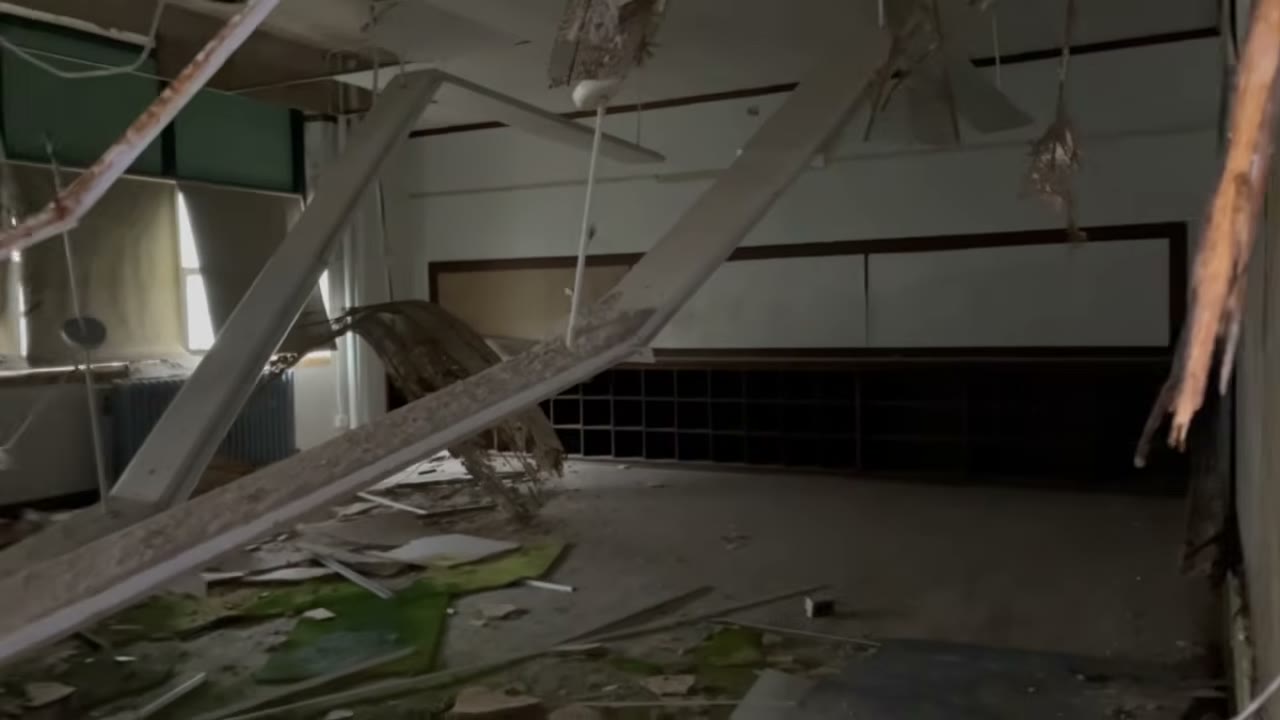
At edges and points, not at the rust. The metal that does damage in an abandoned building is the stuff that has come loose or been left sticking out. In the prison in Illinois I pointed out a tool room with a huge pile of nails, some of them sticking out. In the elementary school I pointed out rust on the lockers, in a building where the ceiling grid was hanging down over the classroom floor.
A rusty surface you only look at can’t give you tetanus. A hanging ceiling grid, a nail through a board or a sheet of torn metal is another story, because those can break the skin.
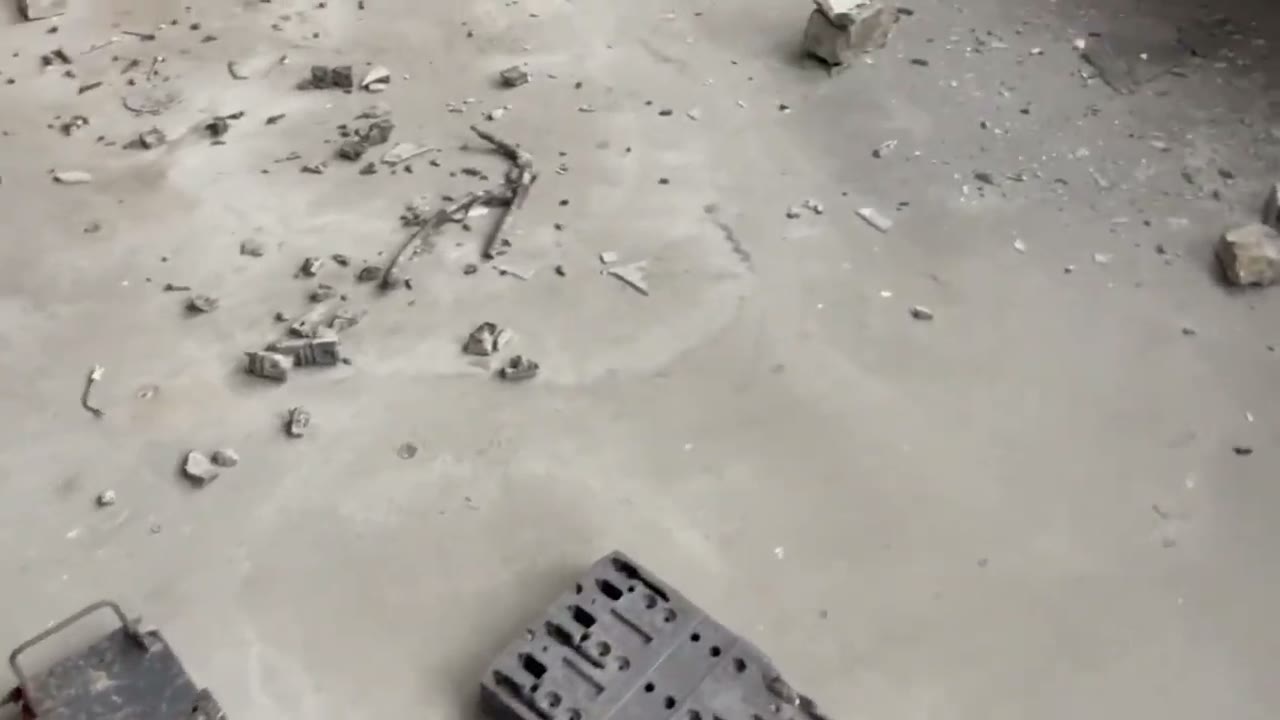
Factories are full of loose pieces underfoot. In the Chicago factory one stretch of floor was scattered with broken pieces and a gray box with rows of slots, which is a good example of how much on a factory floor you’d rather not land on.
What does this look like on a real explore?
It looks like not touching things. The code I explore by is to leave every place exactly as I found it, and that keeps my hands off the sharp stuff too. Look at the metal, film the metal and leave the metal where it is.
The one thing you can do before any explore is check your records. If your last tetanus shot was more than ten years ago, or you can’t say when it was, a quick call to your doctor or pharmacy is cheaper than any wound care. How I stay safe on explores is in my guide, How to Find Abandoned Places. The wider list of hazards is in What’s Actually Dangerous Inside Abandoned Buildings.
Rust isn’t what gets you, so look at what’s holding it.
Sources
- Do I need a tetanus shot if I was cut by rusty metal?, Go Ask Alice, Columbia University, Oct 16, 2023
- About Tetanus, CDC, Sep 8, 2026
- Tetanus Causes and How It Spreads, CDC, Sep 10, 2026
- Clinical Overview of Tetanus, CDC, Sep 8, 2026
- Chapter 21 Tetanus, Pink Book, CDC, Apr 25, 2024
- Use of Tetanus Toxoid, Reduced Diphtheria Toxoid, and Acellular Pertussis Vaccines, Updated Recommendations of the Advisory Committee on Immunization Practices, United States, 2019, CDC MMWR, Jan 24, 2020
- Stop the Bleed, Uniformed Services University, accessed Nov 4, 2026
More like this


The footage that never goes public lives on Patreon. It's paid, and it's where the rough cuts, the security run-ins and the early releases go.