, exact location withheld
What's Actually Dangerous Inside Abandoned Buildings
Rotten floors, asbestos, mold, carbon monoxide, still water and drops, and what the health and safety agencies say about each hazard inside abandoned buildings.
Most of the danger in an abandoned building is easy to miss. Floors and stairs look fine and aren’t, the air can carry asbestos fibers, mold spores or carbon monoxide, there’s standing water, and there are drops with no railing. Several of these give no warning, since CDC calls carbon monoxide an “odorless, colorless gas that kills without warning” and EPA says asbestos disease symptoms “may take many years to develop”.
This is entertainment, not medical, safety or legal advice. Every claim here links to the agency it came from, and none of it is a reason to go inside anything.
Can you trust the floor, the stairs and the edge?
No, and nobody is checking. The U.S. Fire Administration’s evaluation guide lists holes in floors, missing stairs, and open shafts and pits as hazards in vacant buildings, and tells its own teams that if a structure’s stability is questionable, they should not enter it.
Water is what usually does it. Decay fungi need moisture, and most do poorly in wood below 30 percent. Once they get going the wood loses strength, turns brownish or reddish, and when dry breaks into cube shaped pieces. A leaking roof is a slow way of taking a floor apart from underneath.
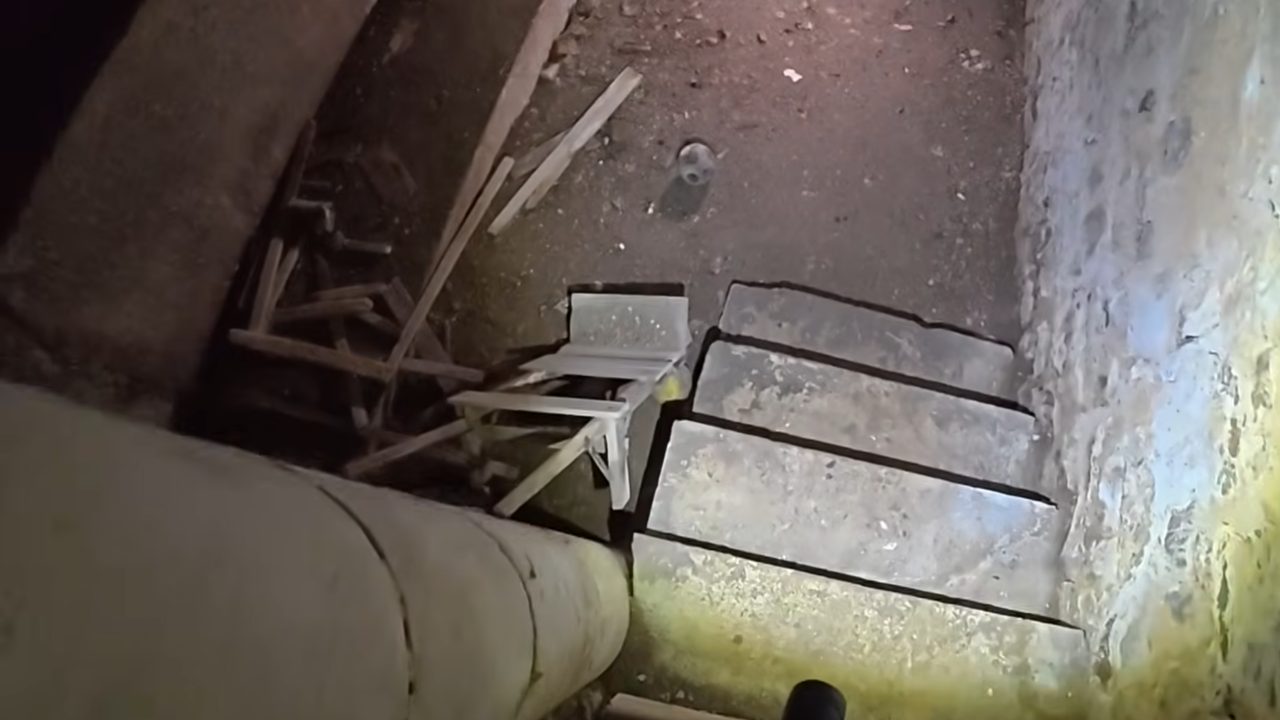
Then there are edges. OSHA says falls are the leading cause of fatalities in the construction industry and requires protection at 6 feet or more, with unprotected sides, wall openings and floor holes called out. On a work site those get railings and covers. In an abandoned building nobody installs or maintains them, and the French mansion cellar has a well that goes down farther than the light reaches.
Is there asbestos in the walls, and what about lead paint?
Probably, if the building is old enough. ATSDR says many construction materials made before 1975 contained asbestos, and some home insulation and other materials made before 1990 still do, including ceiling and floor tiles, roofing and siding shingles, pipe and furnace insulation, textured paint and patching compounds. CPSC adds that houses built between 1930 and 1950 may have asbestos insulation.
The key fact is what disturbs it. EPA says fibers may be released by the disturbance of asbestos containing material, and in general exposure happens only when it is disturbed or damaged. CPSC says loose, crumbly or water damaged material may release fibers, and an abandoned building is mostly water damage. The diseases are lung cancer, mesothelioma and asbestosis. I can’t tell you what’s in any wall, and neither can a camera. What your lungs need is a respirator like the 3M 6200 half face respirator on my list, not a cloth mask, and the gear list explains why. The answer that beats any filter is not breaking anything.
Lead paint is the same story with a different date. CDC says lead based paint was banned for residential use in 1978 and older homes are likely to have some. It becomes a problem when the paint peels and cracks into chips and dust, or wears on surfaces that rub, like windows and doors. CDC’s warnings focus on young children, so this one matters most if you bring anything home on your shoes and clothes.
What does the smell mean?
It means water. CDC says mold grows where there is moisture, such as around leaks in roofs, windows or pipes, or where there has been a flood, and that it can smell musty. EPA is blunter: a moldy odor suggests mold is growing in the building and should be investigated. For some people mold causes a stuffy nose, sore throat, coughing or wheezing, burning eyes or a skin rash.
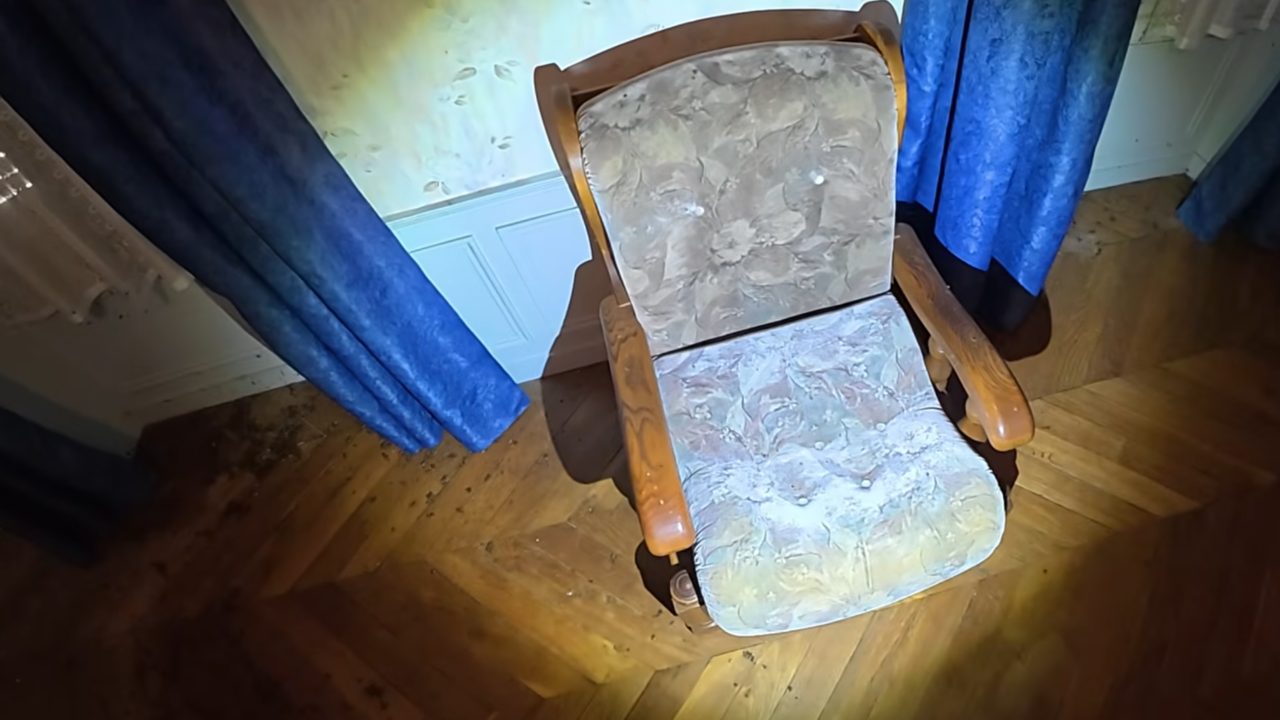
In the French mansion a whole upstairs room was carpeted with dead bees, and the smell is the thing the camera can’t carry. I won’t guess what was in that air, which is the point. A smell tells you the air is worth worrying about, not what is in it.
What about needles, droppings and bats?
Leave needles exactly where they are. If one gets you, NIOSH says to wash the site with soap and water and seek medical treatment immediately, because of hepatitis B, hepatitis C and HIV.
Droppings are about dust. CDC says histoplasmosis comes from spores in soil and bird or bat droppings that are released into the air when contaminated soil is disturbed. Walking through a dry cellar floor is disturbing it.
Bats were in the French cellar, close enough that one went past my ear. CDC says bat bites can be tiny, you may not know you were bitten, and you should avoid touching bats. If you think you’ve been in contact with one, talk to your health department.
Is anyone else in there?
Sometimes, and you should treat that respectfully. HUD’s data standard counts an abandoned building among places not designed for sleeping, because people who have nowhere else do sleep in them. If a place shows signs that someone lives there, it isn’t yours to explore. Leave it alone.
Owners and watchers show up too. At the French mansion the owner arrived with a dog and followed us to the car, and the Speedway has at least 20 security cameras. Dogs are a plain hazard. CDC says do not approach an unfamiliar dog, remain motionless if one approaches, avoid direct eye contact, and never disturb a dog that is sleeping, eating or caring for puppies.
Can the air or the temperature hurt you?
Yes, and carbon monoxide is the one you can’t sense. CDC lists furnaces, portable generators, charcoal grills and vehicle exhaust as sources, says it can build up indoors, and names headache, dizziness, weakness, upset stomach and vomiting as symptoms. In an empty building a generator or a stove someone left running is enough.
Tight spaces make it worse. OSHA’s definition of a confined space includes limited or restricted means for entry or exit and a design not meant for continuous occupancy, and its permit required spaces can hold a hazardous atmosphere. A cellar with one stairway fits the first part. I’m not claiming anything about the air in the one in France.
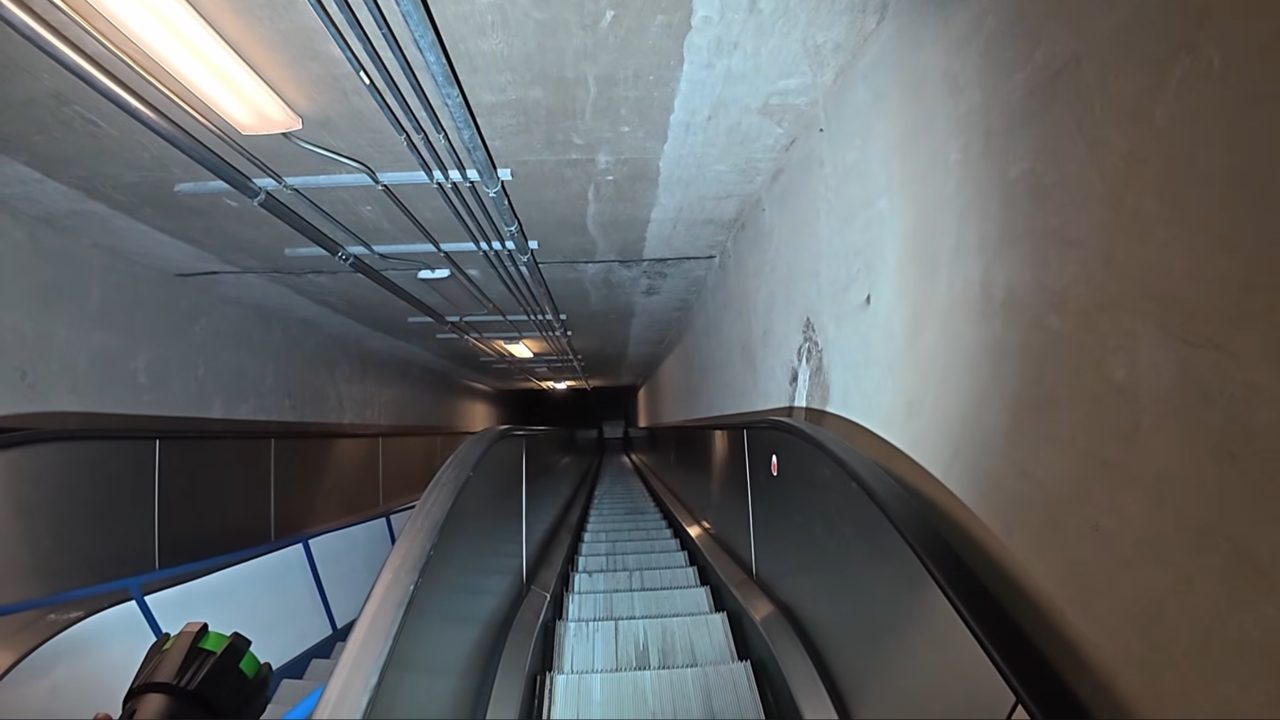
Cold and heat work the same way. CDC says hypothermia can happen above 40°F if rain, sweat or cold water chills you. The Kentucky Speedway pedestrian tunnel sits at what feels like 50 degrees no matter what it’s doing outside. In summer, NIOSH says heat stroke is when the body can no longer control its temperature and can reach 106°F or higher within 10 to 15 minutes. Confusion and slurred speech are signs, and the instruction is to call 911.
Is still water dangerous?
Still water is my word for stagnant water in abandoned places, indoors or outdoors. I touch it and throw rocks in it, and I tell viewers not to recreate anything. The agencies explain why you shouldn’t.
CDC lists slow or no water movement among the conditions where Legionella survives and grows, and says it spreads in droplets small enough to breathe in. People 50 or older, current or former smokers, and people with chronic lung disease or a weak immune system are at higher risk. CDC also says mosquitoes lay eggs near water, and standing water is where they do it.
Sewage is the unknown. CDC’s floodwater page says floodwater may contain sewage and “the best way to protect yourself is to stay out of the water”, and that nobody knows exactly what is in it. A building with a failed drain or sewer line is a different case from a flood, but the logic of not knowing is the same.
What does this look like on a real explore?
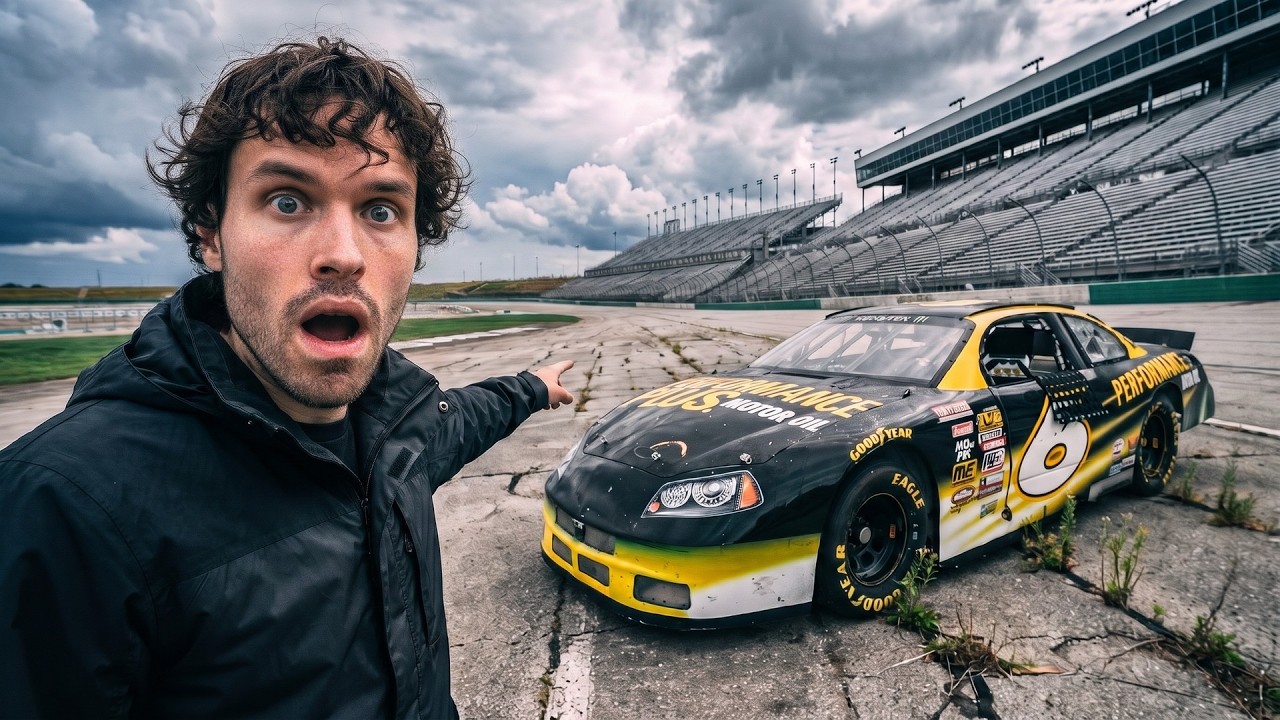
The French mansion packed most of this into one video: working lights in about half the rooms, a room of dead bees, a cellar with bats and a well, and an owner with a dog. The Speedway added a tunnel at 50 degrees and more cameras than I’ve seen anywhere. It was air, animals, a drop and a person, and none of it announced itself. How I stay safe on explores is in my guide, How to Find Abandoned Places.
The one rule is the shortest. If it feels wrong, leave.
What I carried in
Same list as every video description.
Sources
- Basic Evaluation Procedures for Abandoned and Vacant Buildings, U.S. Fire Administration, Apr 2018
- Brown Rot in Wood, Penn State Extension, Aug 20, 2026
- Construction Falls, OSHA, accessed Nov 1, 2026
- Learn About Asbestos, U.S. EPA, Jul 13, 2026
- Asbestos in the Home, U.S. CPSC, accessed Nov 1, 2026
- Asbestos Toxicity: Where Is Asbestos Found?, ATSDR, May 19, 2023
- About Lead in Paint, CDC, Aug 25, 2026
- What Does Mold Smell Like?, U.S. EPA, Sep 8, 2026
- About Mold, CDC, Sep 26, 2024
- Officers: Stay Safe from Needlesticks!, NIOSH, Dec 2024
- Causes of Histoplasmosis, CDC, Oct 29, 2026
- Preventing Rabies from Bats, CDC, Jul 1, 2025
- 3.917 Prior Living Situation, HUD Exchange, May 29, 2026
- Staying Safe Around Dogs, CDC, Aug 26, 2026
- Carbon Monoxide Basics, CDC, Oct 26, 2026
- Confined Spaces, OSHA, accessed Nov 1, 2026
- Preventing Hypothermia, CDC, Aug 25, 2026
- Heat-related Illnesses, NIOSH, Mar 3, 2026
- How Legionella Spreads, CDC, Jul 22, 2026
- Mosquito Control at Home, CDC, Apr 16, 2024
- Floodwater Safety After a Disaster, CDC, Aug 24, 2026
More like this


The footage that never goes public lives on Patreon. It's paid, and it's where the rough cuts, the security run-ins and the early releases go.