, exact location withheld
Needles and Sharps in Abandoned Buildings
What a needle on the floor of an abandoned building can carry, why you never touch one, and what CDC and NIOSH say to do right away if you get stuck.
If you find a needle in an abandoned building, leave it exactly where it is and keep your hands and feet away from it. If a needle or any other sharp object does break your skin, NIOSH says to wash the site with soap and water, seek medical treatment immediately and report it, because a stick can pass on hepatitis B, hepatitis C and HIV.
This is entertainment, not medical, safety or legal advice. Every claim here links to the agency it came from, and none of it is a reason to go inside anything. If you get stuck, a clinician or an emergency line is who you call, not a blog.
Why are there needles in abandoned buildings?
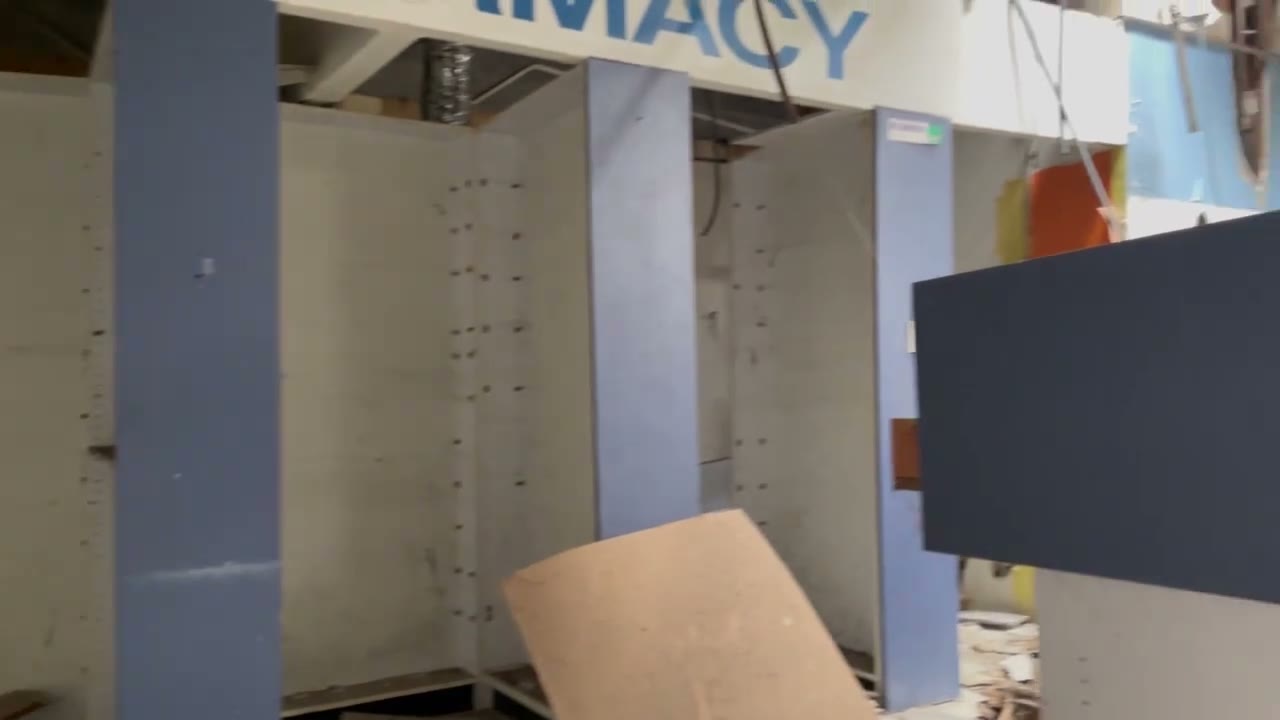
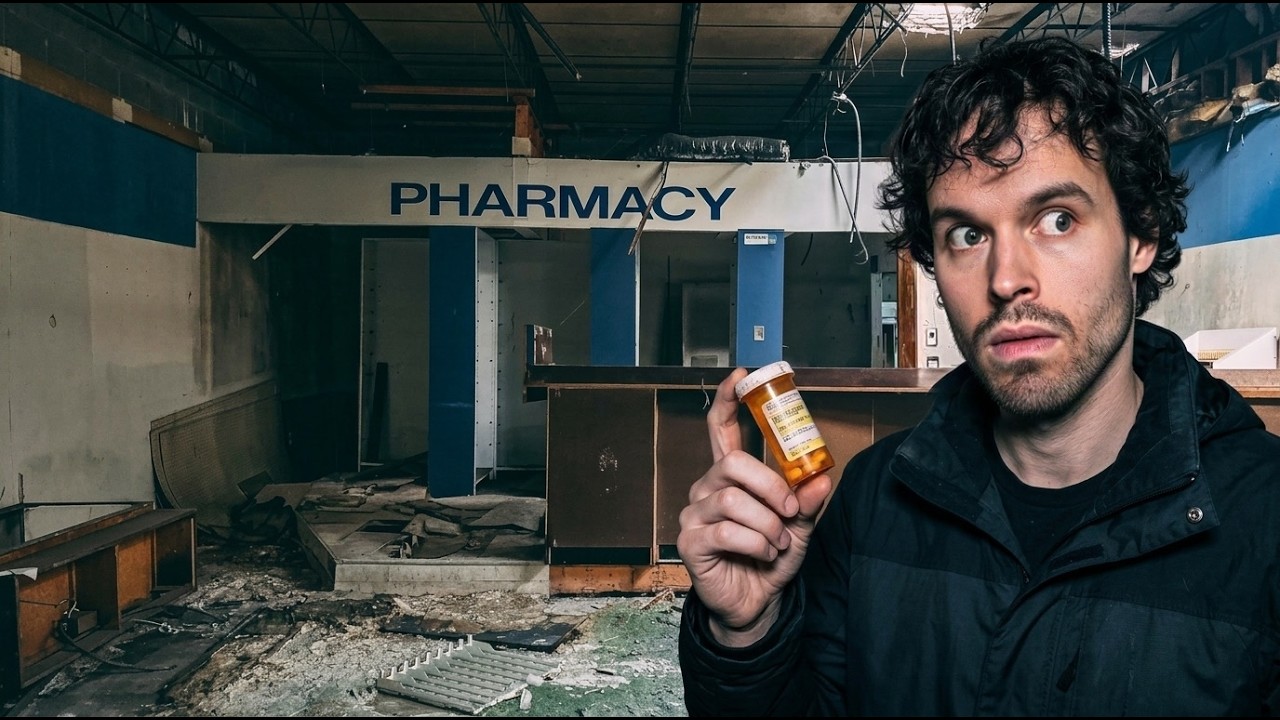
Mostly because of what the building used to be. When a hospital, clinic or medical center closes, the supplies don’t always leave with the staff. In the Illinois medical center I warned that you have to be really careful because there are needles everywhere. A few minutes later there was a whole bucket of them in one room, and near the end I found syringes in a back room, including some that looked new.
The Indiana animal hospital was the same story. I said it again out loud, be careful, lots of needles and medication, with some of the medicine on the floor. In the Illinois hospital after the fire, what looked like a nurse’s closet had needles, syringes, ointment and pads.
I can’t tell you whose needles any of them were or how long they’d been there, and neither can anyone else who walks past them. That unknown is the point of this whole post. Needles also turn up in buildings that were never medical, because people use empty buildings for things nobody planned. A rule that works in a hospital works everywhere.
What can a needle give you?
Three viruses are on every agency’s list. NIOSH says sharps injuries can infect you with viruses like hepatitis B, hepatitis C and HIV, and its healthcare page adds that hepatitis B and C cause serious liver damage while HIV disables the immune system so it can’t fight infection.
Hepatitis C is the one that surprises people because of how little it takes. CDC says it spreads when blood from an infected person, “even microscopic amounts,” enters the body of someone who is not infected. A needle is a very efficient way to deliver microscopic amounts of anything.
The odds are a different question from the stakes. CDC’s page on HIV at work covers needlesticks in workplaces, not an unlabeled needle on the floor of an empty building, so nobody can tell you the odds for that needle. What the agencies agree on is that treatment has to start quickly.
A needle is also a puncture wound, and CDC lists puncture wounds, meaning wounds caused by an object like a nail or needle, as one way people are exposed to tetanus bacteria. That gets its own post in Tetanus and Rusty Metal.
Why do people get stuck?
Because needles hide in clutter. NIOSH’s needlestick guide for officers is written for a different job, but the problem is the same. It tells officers to use tactical mirrors and flashlights to search in crevices or under furniture and says not to hand needles or sharps off to anyone else.
An abandoned building is nothing but crevices. Collapsed ceilings, boxes, packaging, paint chips and old paper cover the floor, and a syringe is the same color as most of it. I carry one good light because most flashlights, including brand ones, aren’t bright enough, and you can’t avoid what you can’t see. The Coast XP11R flashlight is the one on my gear list.
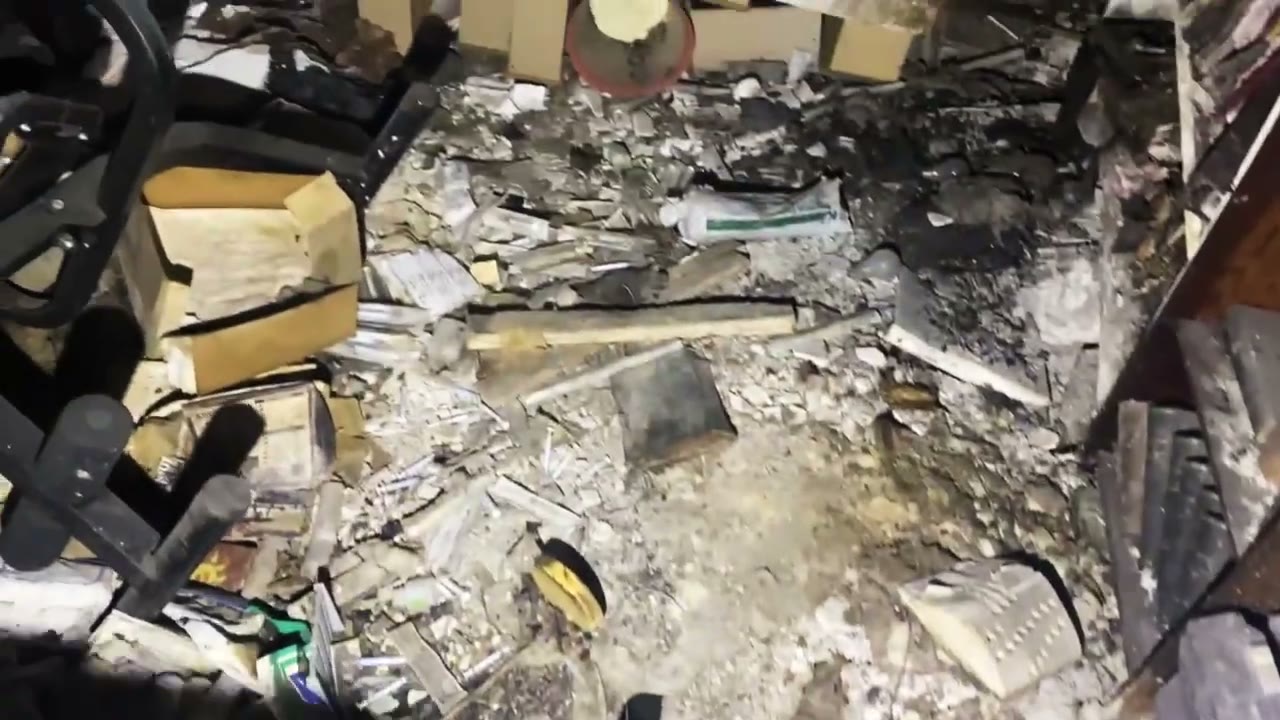
The other rule that follows is about your hands. Don’t reach into drawers, bins, bags, boxes or pockets you can’t see into, and don’t move a pile to look under it. The needle that gets you is rarely the one you were looking at.
Should you ever pick one up?
No. My code is to leave every place exactly as I found it, and that includes the needles. The FDA’s sharps guidance is written for people disposing of their own needles, but one line applies to anyone. It says don’t try to remove, bend, break or recap needles used by another person, because that can lead to accidental needle sticks, and don’t throw loose needles in the trash.
NIOSH names the same habits as risk factors. Its needlestick page lists recapping needles and failing to dispose of used needles in puncture resistant sharps containers as causes of injuries, and it warns that improper disposal is a significant cause of injury in healthcare settings. People who handle sharps for a living, with training and the right containers, still get stuck.
An explorer with a bare hand and no container has no good way to move one. So the safe handling plan is not to handle it, and to walk around it slowly with the light on the floor, not on the room.
What do you do if you get stuck?
Act right away and don’t wait to see how it feels. NIOSH’s steps are to wash the needlestick or cut with soap and water, flush splashes to the nose, mouth or skin with water, irrigate eyes with clean water or saline, and then seek medical treatment immediately.
The reason for the hurry is a medicine called post exposure prophylaxis, or PEP. CDC says PEP is medicine that prevents HIV after a possible exposure and that it must be started within 72 hours, adding that every hour counts. A clinic or emergency room can tell you what applies to you, and they can also check on your tetanus shots.
Tell them what happened in plain words, including where the needle was and that you don’t know its history. They can only advise on what they know. NIOSH also recommends reporting all needlestick and sharps injuries promptly so that you receive appropriate follow up care. At a workplace that means a supervisor. For an explorer, the clinician is the person who needs to hear about it, and the sooner the better.
What does this look like on a real explore?
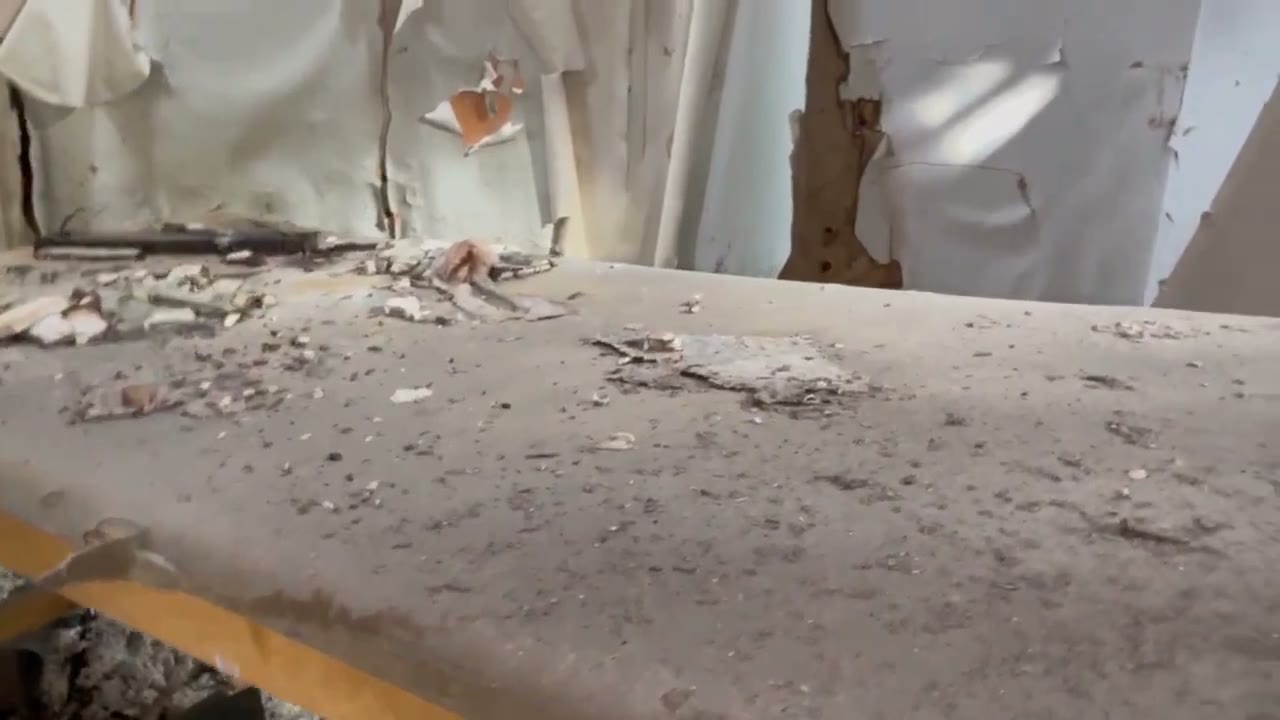
It looks like walking slowly. In the medical center the needles were in the cabinets and in a bucket. In the animal hospital they were mixed in with medication, and the building also had a collapsing roof, so there were plenty of other things pulling my eyes up off the floor.
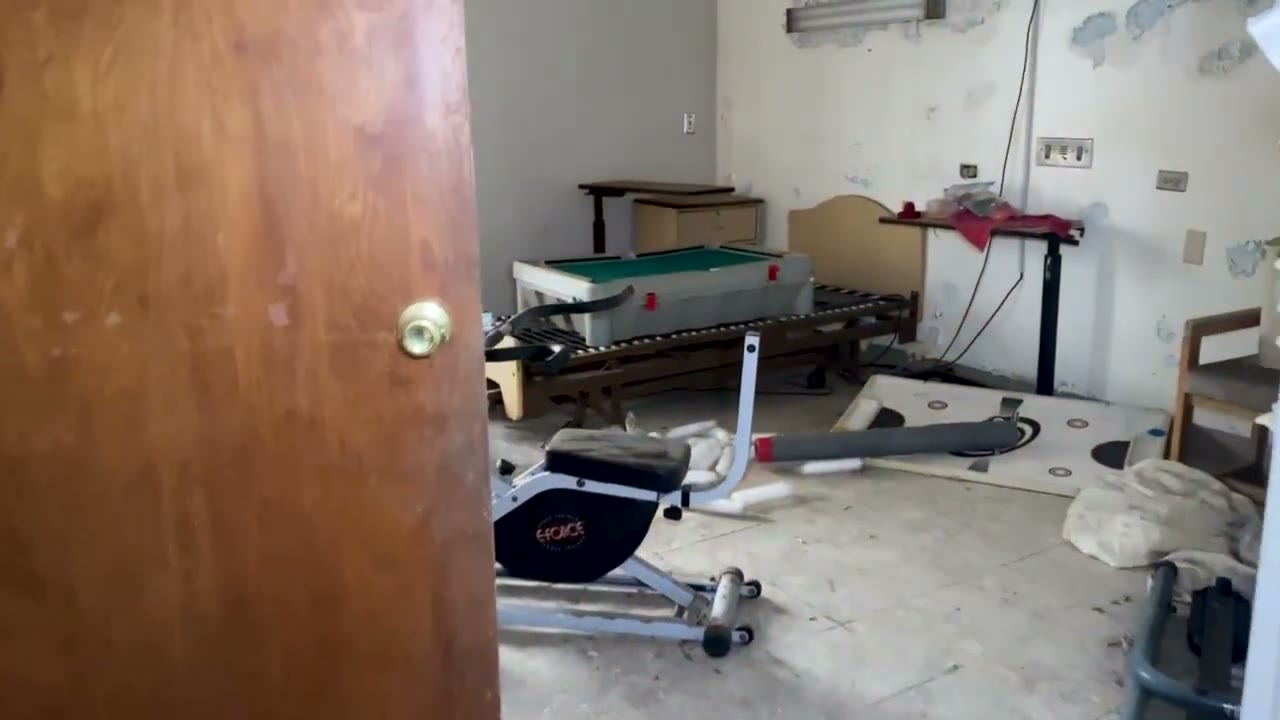
None of these buildings looked dangerous in the way a collapsed roof looks dangerous. A syringe on a dusty floor looks like trash, and that’s exactly why it gets people. In the medical center the syringes I saw in the back room looked new, and a new looking needle tells you nothing about who might have used it or where it’s been.
The needle plan is short. Look down before you step, never reach where you can’t see, never pick anything up, and know where the nearest hospital is before you need it. How I stay safe on explores is in my guide, How to Find Abandoned Places. The full list of what else can hurt you is in What’s Actually Dangerous Inside Abandoned Buildings.
If you can’t see the floor, you can’t walk it.
What I carried in
Same list as every video description.
Sources
- Officers, Stay Safe from Needlesticks!, NIOSH, Dec 2024
- Bloodborne Infectious Disease Risk Factors, NIOSH, Oct 28, 2026
- Needlestick Injuries Are Preventable, NIOSH, Feb 1, 2021
- Hepatitis C Basics, CDC, Nov 2, 2026
- HIV at Work, CDC, Aug 6, 2026
- Preventing HIV with PEP, CDC, Dec 2, 2024
- DOs and DON'Ts of Proper Sharps Disposal, FDA, Apr 28, 2021
- Tetanus Causes and How It Spreads, CDC, Sep 10, 2026
More like this


The footage that never goes public lives on Patreon. It's paid, and it's where the rough cuts, the security run-ins and the early releases go.