, exact location withheld
Is Urban Exploring Illegal?
Usually yes, when you go in without permission. What Illinois law says about trespass, damage and burglary, and what actually happens to explorers.
Usually, yes. Walking into a building you don’t own without the owner’s permission is criminal trespass in Illinois, and abandoned doesn’t change that. What comes after the trespass charge depends on what you touch, what you take and who is there.
This is entertainment and general information, not legal advice. I’m not a lawyer, I’m not telling you any of this is okay, and the law changes. If you have a real legal problem, talk to a lawyer who handles criminal cases.
What does Illinois law say about entering an abandoned building?
The key section is 720 ILCS 5/21-3. Under subsection (a)(1), a person commits criminal trespass by “knowingly and without lawful authority” entering or remaining within or on a building. That’s a Class B misdemeanor.
For a Class B misdemeanor the sentencing statute allows a jail term of not more than six months. The fine can be anywhere from a $75 minimum up to $1,500 per offense, or the amount the offense specifies if that’s greater.
The statute has a short list of exceptions, and none of them is “the building looks abandoned.” One covers being in a public building during its normal open hours. Another covers a person who reasonably believes someone faces imminent serious bodily harm, or that property faces imminent damage. A third exempts people who beautify unoccupied, abandoned property that has had unpaid taxes for at least two years and has been unoccupied for at least a year, and the statute defines beautifying as things like cleaning up litter, repairing dilapidated conditions or boarding up windows. Photographing a building isn’t on the list.
Does a No Trespassing sign matter?
For land, yes. For a building, the clause I just quoted doesn’t ask for one. The land clauses in the same section depend on notice. A person commits the offense by entering another’s land after receiving prior notice that entry is forbidden, or by staying after the owner or occupant orders them off. Notice can be spoken or written, or it can be posted conspicuously at the main entrance or the forbidden part of the land.
The statute also allows owners to use purple paint marks instead of signs, with rules on size and spacing. Those paint provisions don’t apply in municipalities with more than 2,000,000 people, which in Illinois means Chicago.
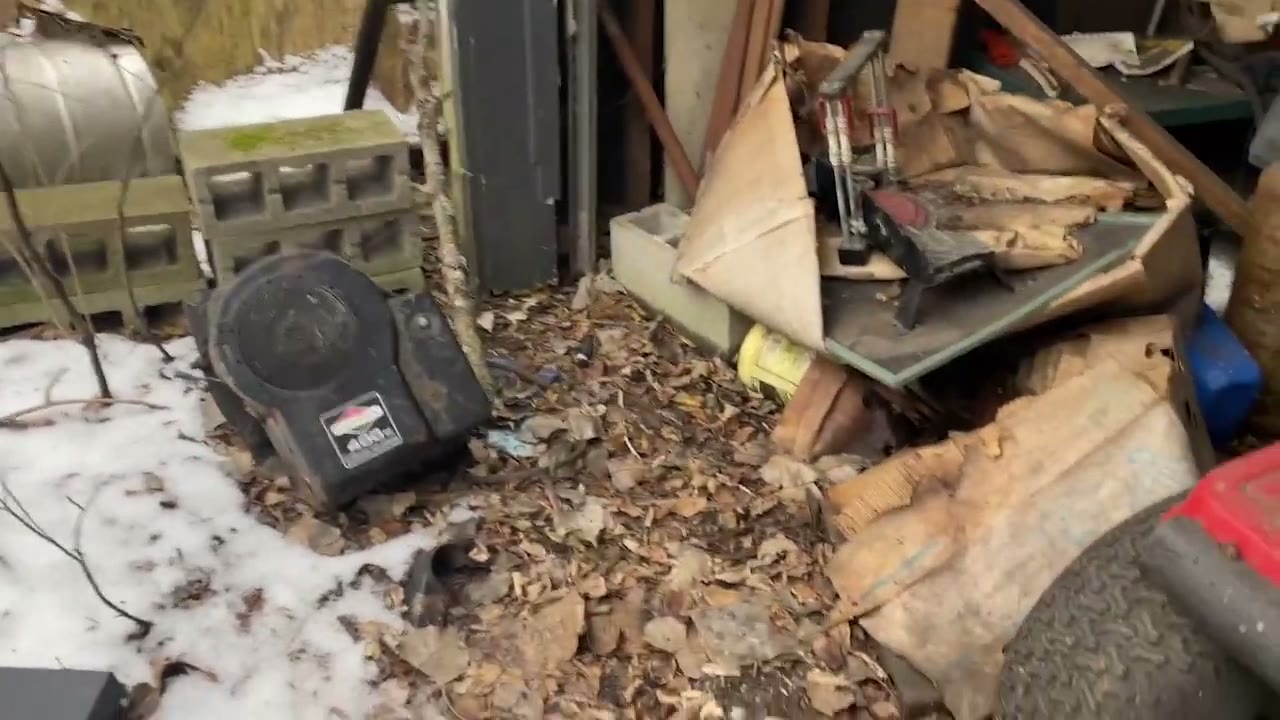
The practical point is that an abandoned building is still somebody’s building. In Chicago, an owner of a vacant building has to register it, carry insurance and secure it, as I explain in what a vacant building registration is. The city’s FAQ says owners have to post a sign with their name and phone number and keep the building secure.
What other charges can come with it?
Three come up more than any others.
The first is criminal damage. Under 720 ILCS 5/21-1, knowingly damaging someone else’s property is a Class A misdemeanor if the damage is up to $500. From $500 to $10,000 it’s a Class 4 felony, and from $10,000 to $100,000 it’s a Class 3 felony. Damage over $100,000 is a Class 2 felony. The statute raises the class by one step when the property is a school or a place of worship, and many abandoned buildings are one or the other. If the damage is over $10,000, the court has to impose a fine equal to the damage amount.
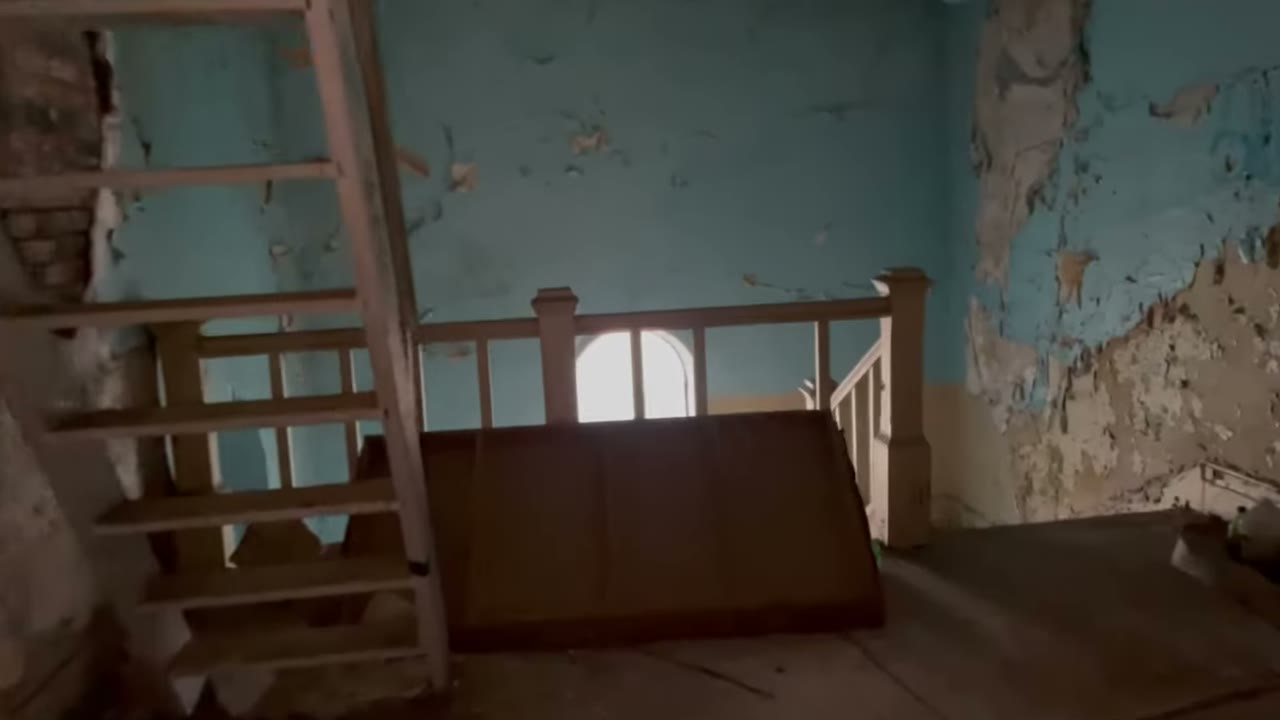
The second is burglary. People assume it means breaking in, but 720 ILCS 5/19-1 is about intent. It covers knowingly entering or remaining without authority in a building, or in a railroad car, freight container and other listed spaces, “with intent to commit therein a felony or theft.” Burglary of a building is a Class 2 felony. Burglary of a school, day care facility or place of worship is a Class 1 felony. That’s the legal reason behind the line I won’t cross. No stealing, ever.
The third is the one people don’t see coming. Resisting or obstructing a peace officer is a Class A misdemeanor, and the court has to add at least 48 hours in jail or at least 100 hours of community service. I cover that in what to do if police show up.
There’s a fourth category that isn’t a charge at all. If somebody lives in the building, a trespass to a dwelling is a Class A misdemeanor, and it becomes a Class 4 felony if you know or have reason to know people are present.
What actually happens to people who get caught?
It varies a lot, and the range is wide. The Columbia Chronicle reported that trespassing is usually a misdemeanor, so explorers are often asked to leave and fined rather than arrested. Peter DiCola, a Northwestern University law professor, told the paper that laws vary by state and that explorers should learn the rules where they are before entering a building. Rick Drew, a Chicago area photographer, told WTTW that when police see explorers inside a fence they usually just ask them to leave, though he said a state prison is a different matter. He said he’d been caught a few times and never arrested.
Other people got charged. In July 2025, Bloomingdale police charged two people with criminal trespassing at a closed hotel and country club, and said the owner’s security monitors it around the clock. In 2017, Oakland County deputies arrested two men on the roof of a closed school in Pontiac, Michigan, pending charges of breaking and entering and trespassing. The Columbia Chronicle also reported that Cleveland photographer Seph Lawless was indicted for criminal trespassing after publishing a 2014 photobook of an abandoned mall.
In Minneapolis in August 2026, police said 15 people had been arrested that year while urban exploring, with possible charges from misdemeanor trespassing to felony property damage. A sergeant said social media posts can serve as evidence. Minneapolis is a different state with different laws, and I’m using it to show how some police describe the risk, not to say what would happen in Illinois.
Is there a legal way to do it?
Yes, and it’s asking. Drew told WTTW that for a shuttered psychiatric hospital near Peoria he obtained permission and paid a fee to stage photos. Eric Holubow, an author who photographs abandoned places, told the Columbia Chronicle that permission isn’t always possible. Both are true. Where it’s possible, it’s the only version that doesn’t carry risk of a charge.
How do I think about it?
The appeal of this channel is doing things you’re not supposed to, in a respectful way. I won’t dress that up. It’s also why the disclaimer on this site says don’t try to recreate anything you see, and why I don’t tell anyone how to get into a building.
The code is the part I can control. Leave every place exactly as I found it. No stealing, no vandalism, no spray paint. Take only pictures, leave only footprints. The damage and burglary sections above are where a trespass can become a felony, and they cover the two things that code rules out.
What does this look like in practice?
In the car hideout video, someone jokes that if people want to complain about trespassing, they should arrest the animals living in the building. It’s a joke, and the statute has no exception for it.

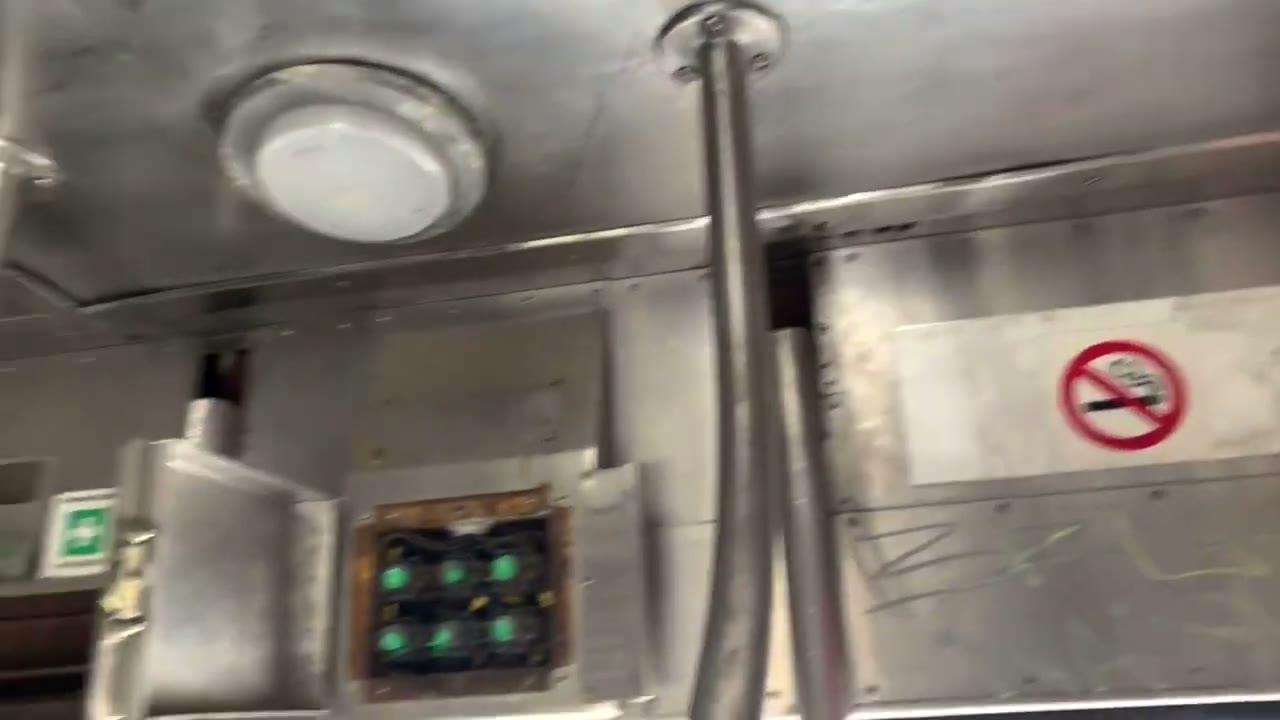
The Metra train explore is a good example of why the wording matters. The burglary statute lists railroad cars right next to buildings, so a train car falls under the same law as a building.
The gun club house post shows what a house like that still holds. Ammo, jewelry and personal effects are somebody’s belongings, which is why the code says leave everything where it is.
How I find my own spots and stay safe is in a $9.99 PDF called How to Find Abandoned Places. It covers the process, and nothing in it makes trespassing legal.
Legal and safe are two separate questions, and an explorer has to answer both.
Sources
- 720 ILCS 5/21-3 Criminal trespass to real property, Illinois General Assembly
- 720 ILCS 5/19-4 Criminal trespass to a residence, Illinois General Assembly
- 720 ILCS 5/21-1 Criminal damage to property, Illinois General Assembly
- 720 ILCS 5/19-1 Burglary, Illinois General Assembly
- 730 ILCS 5/5-4.5-60 Class B misdemeanors, sentence, Illinois General Assembly
- 720 ILCS 5/31-1 Resisting or obstructing a peace officer, Illinois General Assembly
- No Trespassing, The dangers and thrills of urban exploration, The Columbia Chronicle, Nov 6, 2017
- Urban Explorer Photographs Chicago's Abandoned Sites and Buildings, WTTW, Jun 17, 2016
- Bloomingdale police issue warning on trespassing amid ongoing TikTok trend, NBC Chicago, Jul 26, 2025
- Two urban explorers arrested after breaking into shuttered school, CBS Detroit, Dec 28, 2017
- Urban exploring, Minneapolis police and fire warn of dangers, MPR News, Aug 5, 2026
- Vacant Buildings FAQ, City of Chicago Department of Buildings
More like this



The footage that never goes public lives on Patreon. It's paid, and it's where the rough cuts, the security run-ins and the early releases go.