, exact location withheld
What Is a Dead Mall?
A dead mall has lost most of its stores and shoppers but is still standing. Why anchor stores matter, what Dixie Square Mall shows, and what I found in one.
A dead mall is a shopping mall that has lost most of its stores and shoppers but is still standing. The name is loose and doesn’t have an official definition, which is part of why people argue about which malls count.
This post is entertainment and general information. Old shopping centers are private property with real hazards, so treat it as background, not an invitation.
What makes a mall “dead”?
Anchors leaving, usually. The University of Michigan’s economics journal explains that large department stores like Macy’s and Nordstrom are called anchor stores because they drive foot traffic, so they typically pay lower rent. When an anchor goes, the smaller stores around it lose the shoppers the anchor was sending them. The same article describes San Francisco Centre, which lost Nordstrom and Bloomingdale’s, after which foot traffic collapsed in what it calls a “death spiral.”
The University of Oregon’s Urbanism Next project says the same thing in 2017. The largest driver of mall decline, it said, is the loss of anchor tenants such as Macy’s, JC Penney and Sears. It put the US total at about 1,300 malls, with 310 at high risk of closing, citing a Business Insider report.
A mall is also dead before it is empty. A few tenants can hold on in a building that is mostly dark, which is why “dead” describes a trend and not a date.
Is online shopping really why malls die?
It is part of the story, and the experts don’t agree on how big a part. The Census Bureau says online sales were 17.1 percent of total retail sales in the second quarter of 2026, seasonally adjusted. That is a big slice, and it’s still not most of retail.
Bruce Clark, a Northeastern University business professor, told Northeastern Global News in 2017 that online shopping doesn’t fully explain it. “If this were simply about e-commerce, all physical retailers should be suffering equally.” High end stores like Nordstrom and low end ones like Walmart were doing better than the mid market, he said, and JCPenney, Sears and Macy’s sit in the middle. He also pointed to a shrinking middle class, poor management at some chains and older locations in weak economic areas. His summary was “Weak malls (and weak stores) will close, but others will remain.”
The same article cites an estimate that about 20 percent of malls generate roughly 75 percent of mall revenue, and a Green Street Advisors list of 300 lower rated malls at risk of closing within a few years. The Michigan article adds competition from newer malls with more amenities, owners who stopped paying utilities and property taxes, and tenant losses like Forever 21 closing more than 200 US stores.
What happens to the neighborhood around a dead mall?
It pays for it. The Oregon article reports a rise in crime and “increasing blight in the surrounding area.” Municipalities lose revenue while their fire and police costs go up, and suburban cities have fewer options than urban ones for reinventing themselves.
That’s why a mall that sits empty for years often becomes a town’s problem and not just a company’s. A building that nobody is paying to maintain also gets stripped, flooded and rotted, which is what makes the inside of one so different from the day it closed.
What is the most famous dead mall?
Probably Dixie Square Mall in Harvey, Illinois. NBC Chicago reported in January 2012 that it became best known after it closed, because The Blues Brothers filmed its car chase inside the closed mall. The Columbia Chronicle says it opened in the late 1960s, that rising crime in the area cut the shoppers, and that in 1979 it was briefly reopened and modified so John Belushi and Dan Aykroyd could drive a 1974 Dodge Monaco through the interior.
It was slated for demolition in January 2012. Fencing and asbestos removal had already started, a $4 million state grant from the Department of Commerce and Economic Opportunity was paying for the work, and the Attorney General’s office had sued the site’s developer over asbestos that was allegedly being removed illegally. “This can be a symbol of the rebirth of the region,” said Ed Paesel of the South Suburban Mayors and Managers Association.
That one is a history story, and this site has no video of it.
Do all dead malls look like the movies?
Not always. The one I can show you is not an enclosed mall at all, and it’s still the kind of place people call a dead mall. My Arlington Heights video was a shopping center of the strip mall type. Only a few years before, according to my description, it had over 20 stores, restaurants and a gym. Only five were left by the time I filmed, according to my description.
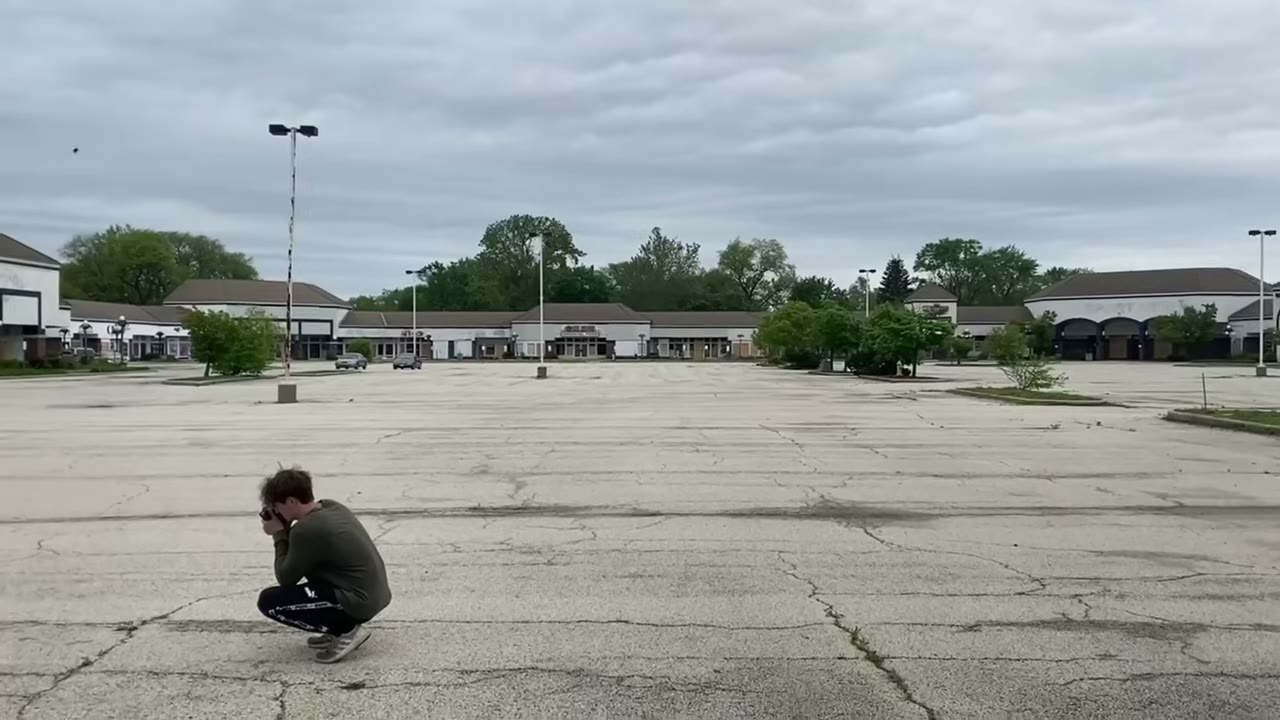
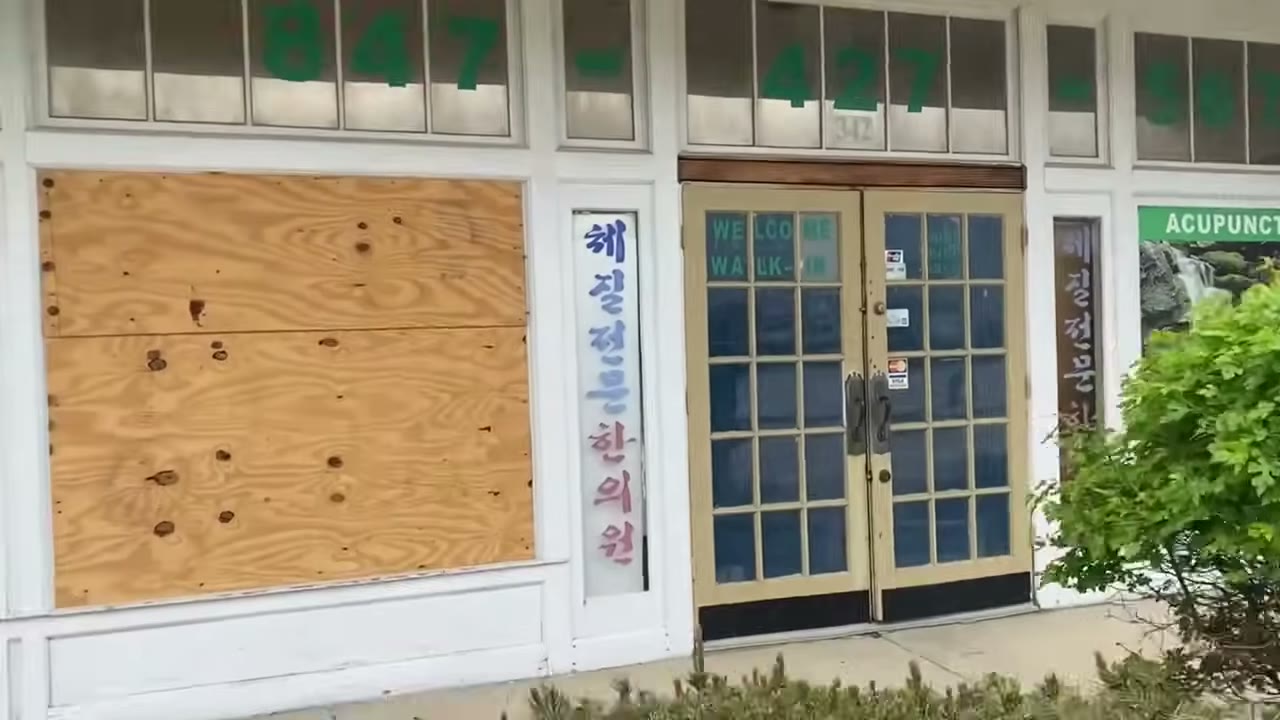
My description blames online shopping and the rise of Amazon. The Daily Herald, reporting on the demolition in April 2024, tells a longer story. Redevelopment at International Plaza stalled through more than two decades of litigation, recession and failed development prospects. Burger Baron, one of the last businesses there, closed in September 2023. The owner chose demolition over continuing to pay code violation fines that totaled tens of thousands of dollars, and the village manager said, “They decided they’ve had enough.” A developer has the property under contract for a $100 million project with 266 apartments.
So one dead mall had at least two explanations, and the paper trail points to the owner and the delays as much as to shoppers.
Do all malls die?
No, and the sources are clear about that. The Michigan article says high end malls are nearly fully occupied and their rents are rising. It also says vacant spaces at struggling malls are being converted into restaurants, gyms and entertainment venues. In a Circana figure it cites, shoppers aged 18 to 24 bought 62 percent of their general merchandise in stores, compared with 52 percent for shoppers 25 and older.
So the split is not mall versus internet. It’s strong malls versus weak ones, which matches what Clark said in 2017, and the cases in these sources follow a pattern. An anchor goes, traffic drops, and the owner stops paying the bills. After that, the building starts to turn into the places I film.
What does one look like inside?
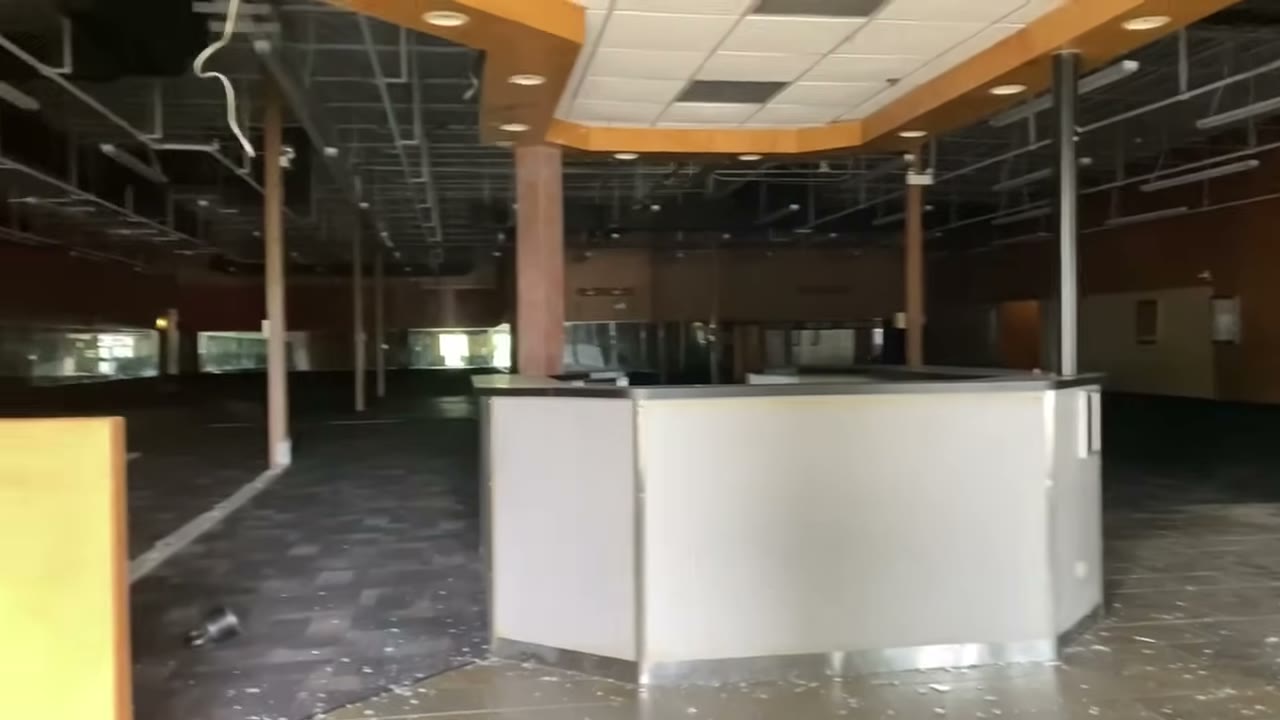
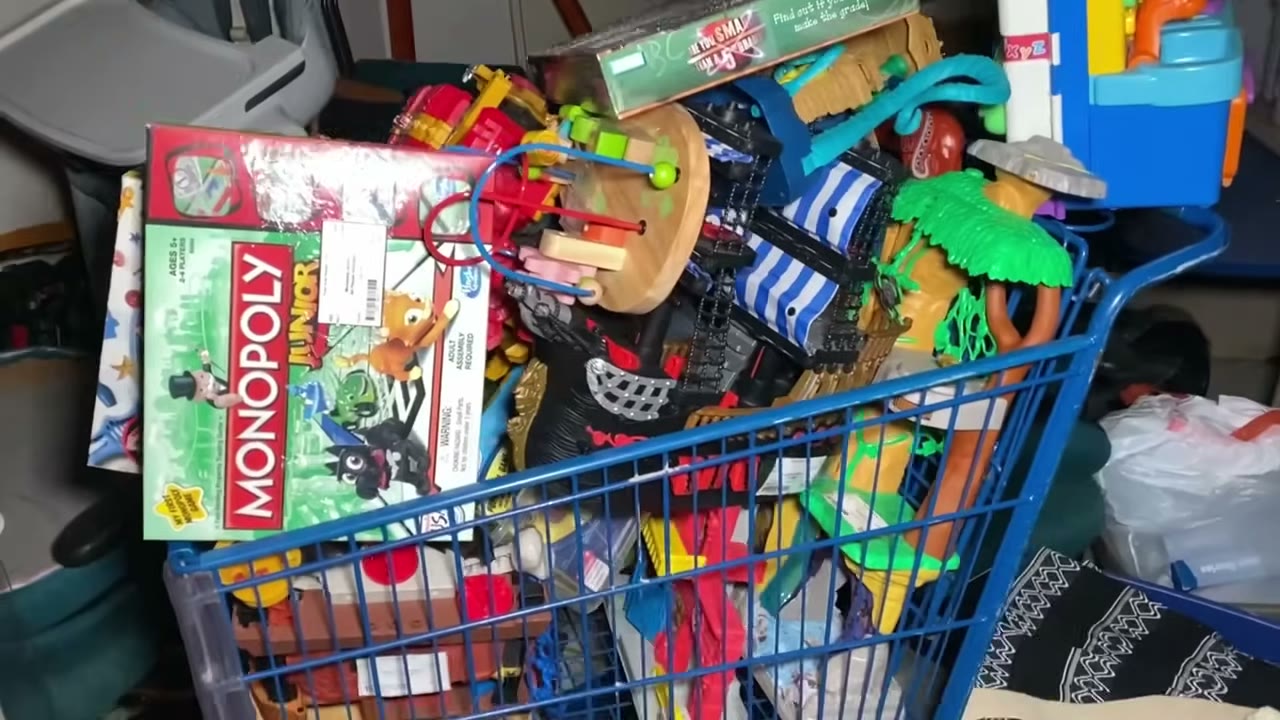
A lot was still sitting in the units. In the abandoned gym chapter, the space had a front counter, a bare ceiling and glass on the floor. In the kids’ clothing store there was a cart full of toys, and someone says in the transcript that the store’s owner had been announcing a going out of business sale for five years.
There is also my Abandoned Chesterfield Mall in Missouri video. I film on a DJI action camera and carry one good flashlight, because most flashlights, including brand ones, aren’t bright enough. Both are linked at the bottom of this page.
How I find places like these and stay safe in them is covered in a $9.99 PDF called How to Find Abandoned Places.
A dead mall is a record of who stopped coming, and it’s usually written in the parking lot first.
What I carried in
Same list as every video description.
Sources
- Will malls survive in the e-commerce age?, Northeastern Global News, Jun 29, 2017
- The Blight of Failing Malls, A Rising Burden of E-Commerce, Urbanism Next, University of Oregon, Mar 9, 2017
- The Death and Reinvention of American Malls, Michigan Journal of Economics, University of Michigan, Apr 13, 2026
- Quarterly Retail E-Commerce Sales, U.S. Census Bureau, Q2 2026 release of Aug 18, 2026
- Blues Brothers Landmark Set for Demolition, NBC Chicago, Jan 20, 2012
- The place that had everything, Columbia Chronicle, Columbia College Chicago, undated
- Demolition begins at International Plaza in Arlington Heights, Daily Herald, Apr 2, 2024
More like this


The footage that never goes public lives on Patreon. It's paid, and it's where the rough cuts, the security run-ins and the early releases go.