, exact location withheld
What Is Urban Decay? Causes, Examples and Costs
Urban decay is when part of a city falls into disrepair as people, jobs and tax money leave. Causes, what it costs, and what it looks like in Gary and Illinois.
Urban decay is what happens when part of a city falls into disrepair, with empty buildings, a shrinking population and less tax money to fix any of it. It has no single cause and no official definition, and one abandoned building is usually a symptom of it, not the whole problem. Most of my videos are filmed inside the buildings it leaves behind.
This is entertainment and general information, not legal or safety advice. Vacant buildings are dangerous, and people still live in the neighborhoods around them.
What causes urban decay?
A pile of causes, and they feed each other. HUD’s Evidence Matters report on vacant and abandoned properties lists the foreclosure crisis, long term urban population loss, the move of jobs and retail to the suburbs, and disinvestment. It also says there is no universal definition of vacant or abandoned. A vacant property becomes a problem when “the property owner abandons the basic responsibilities of ownership.”
The report adds that tax delinquency is “the most significant common denominator among vacant and abandoned properties.”
It is not only a Rust Belt story anymore. HUD says nonseasonal vacancies in Nevada, Arizona, Florida and Georgia rose more than 85 percent between 2000 and 2010. Vacant residential units nationwide rose from 7 million to 10 million over those years, according to the Government Accountability Office.
What does it look like in Gary, Indiana?
Gary is the case study I come back to, because it’s close to the Chicago area and has been written about for decades. A University of Chicago Magazine piece, undated but apparently from 2014, says Gary peaked at 178,000 residents by 1960 and fell to about 80,000. It reports that U.S. Steel’s Gary Works went from more than 20,000 workers to about 5,000, largely because of improved equipment, and that globalization closed factories. The same piece says officials estimated as many as 15,000 homes, about a quarter of the city’s housing, stood empty.
PBS NewsHour reported in September 2024 that Gary has lost more than half its population since the 1960s, tied to fewer steel jobs and white flight, and that some 10,000 buildings across the city are abandoned.
NBC News reported that the city’s redevelopment director estimated 6,500 of the 7,000 properties the city owned were abandoned, and that Mayor Karen Freeman-Wilson was weighing shrinking the city’s footprint by about 40 percent. The money side shows too. The University of Chicago piece says Gary collected about 42 percent of the taxes it was owed and had 434 miles of streets and four snowplows.
One caution. PBS quotes Lori Gonzalez, who works to restore Gary’s old buildings, saying “We’re not a ghost town.” People live there, and a video of an empty church isn’t the whole city.
Why does one empty building lead to more?
Because blight spreads, according to the people who deal with it. Joseph Van Dyk, Gary’s redevelopment director, called it “extremely contagious” in the University of Chicago piece, which also says empty houses become targets for scrappers who steal appliances, pipes and fixtures, which speeds up the decline.
HUD’s report puts numbers on the neighborhood effect, all from studies in other cities. In Cleveland, being within 500 feet of a vacant property lowered a nearby home’s sale price by 1.7 percent in lower poverty areas and 2.1 percent in medium poverty areas. In Pittsburgh, violent crime within 250 feet of a vacant property was 15 percent higher than in the ring just beyond it.
Fire is part of it too. The U.S. Fire Administration estimated 28,000 fires a year in vacant residences from 2006 to 2008, and about 37 percent of those were intentionally set. HUD reports they caused an estimated 45 deaths, 225 injuries and $900 million in property damage each year.
What does it cost a city?
A lot, and the bill keeps running after the building is empty. HUD says Philadelphia spends over $20 million a year maintaining about 40,000 vacant properties and loses an estimated $5 million a year in tax revenue for the city and school district. The GAO puts demolition at roughly $4,800 to $7,000 per property. For Chicago, the report says cost estimates ran from $430 for a foreclosed property sold at auction to $34,199 for a vacant property destroyed by fire. In Baltimore, each vacant property on a block raised annual police and fire spending by $1,472.29.
Industrial sites cost more. EPA defines a brownfield as real property, the expansion, redevelopment or reuse of which may be complicated by the presence or potential presence of a hazardous substance, pollutant or contaminant. EPA estimates there are more than 450,000 of them in the United States.
Is every abandoned building a sign of urban decay?
No. Some are empty because of one owner’s decision, like a company selling a campus. Others sit in the middle of a decline that has gone on for 60 years. What separates them is how many empty buildings are on the block.
What does this look like in practice?
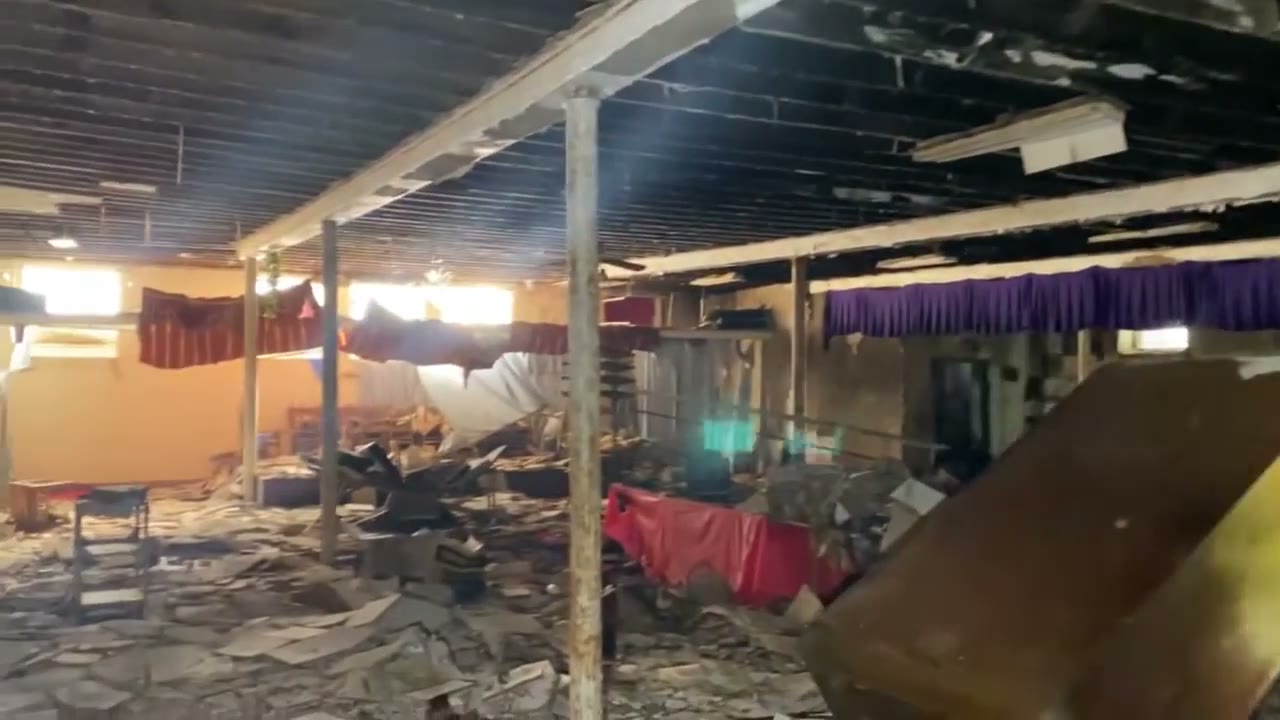
I filmed several places in Gary, and they show different parts of the same story. The Presbyterian church had a flooded, moldy basement and a collapsed balcony. In that video I said we should have been wearing masks, since the mold was bad enough that staying long could put you in the hospital. The respirator on my gear list is for that kind of air.
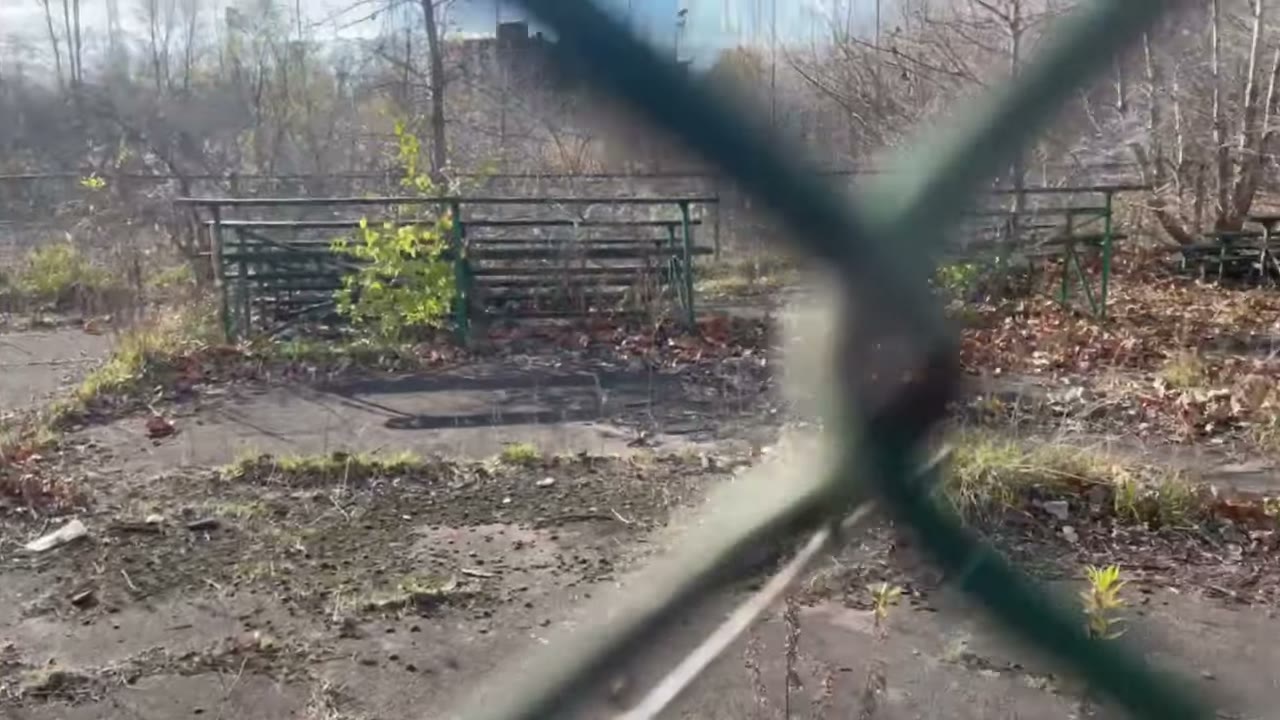
The football stadium is the example where the cost shows. The video description says it was built in 1956 for more than $1 million and never finished, and that the north stands started falling apart almost right away. Today the courts around it are overgrown.
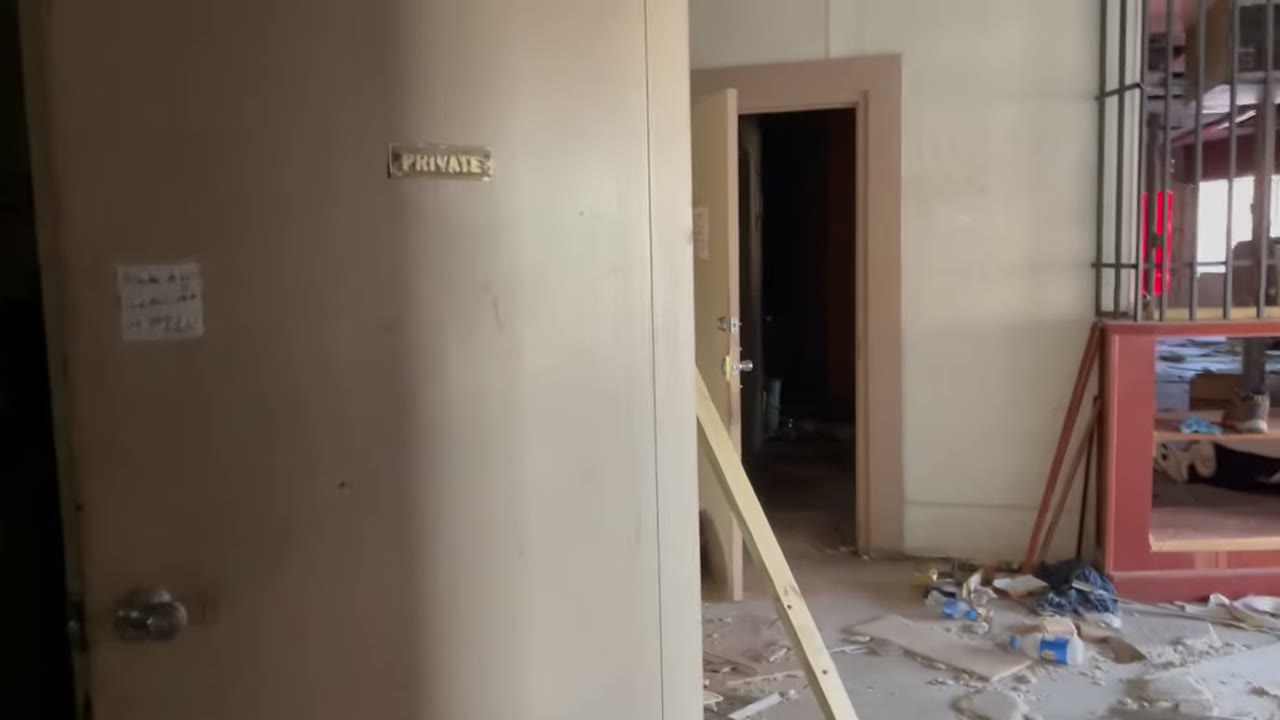
The laundromat looked like it was in the middle of being gutted.
In Illinois the pattern is the same at a smaller scale. ABC7 reported in September 2019 that MetroSouth Medical Center “used to be the largest employer in Blue Island.” Its closure is in the Blue Island hospital video, and the hospital’s owner cited a lack of money.
The most complete case is the neighborhood nicknamed Buddyville, in Illinois. The video description says it was prone to flooding, so it was condemned and then demolished, and that a 2015 calendar was still on the wall of one house. The houses are gone now.
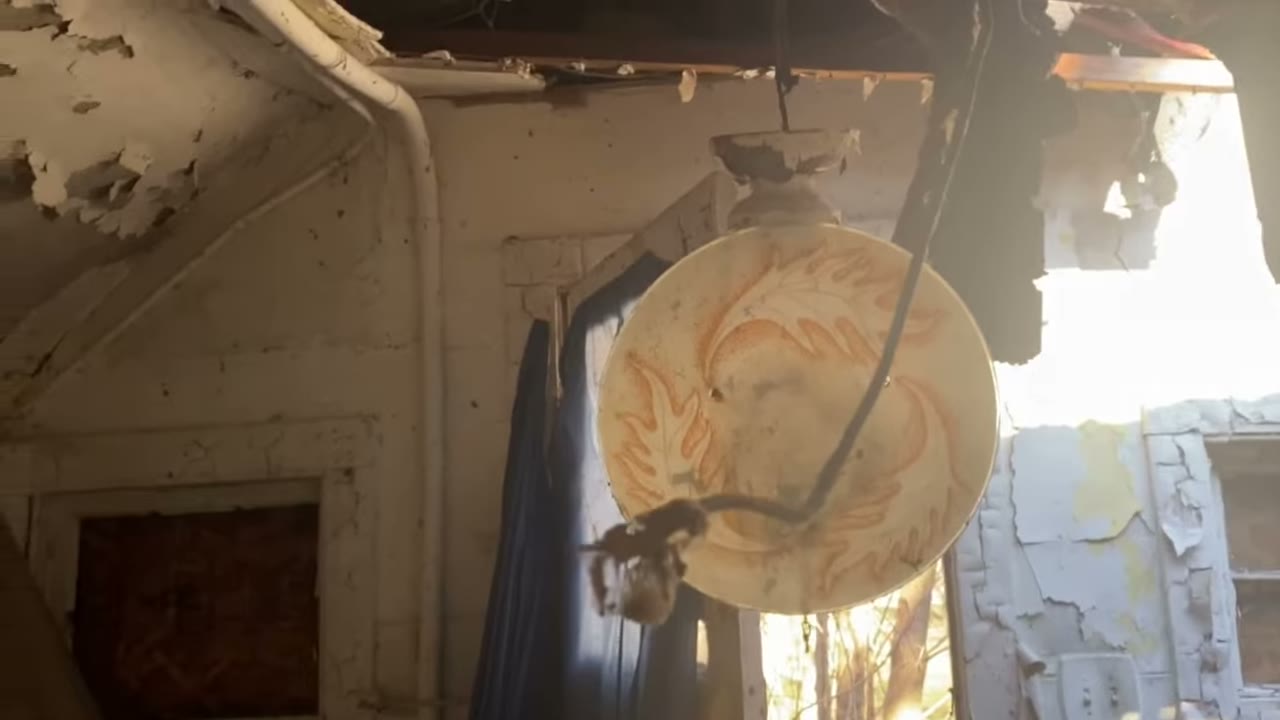
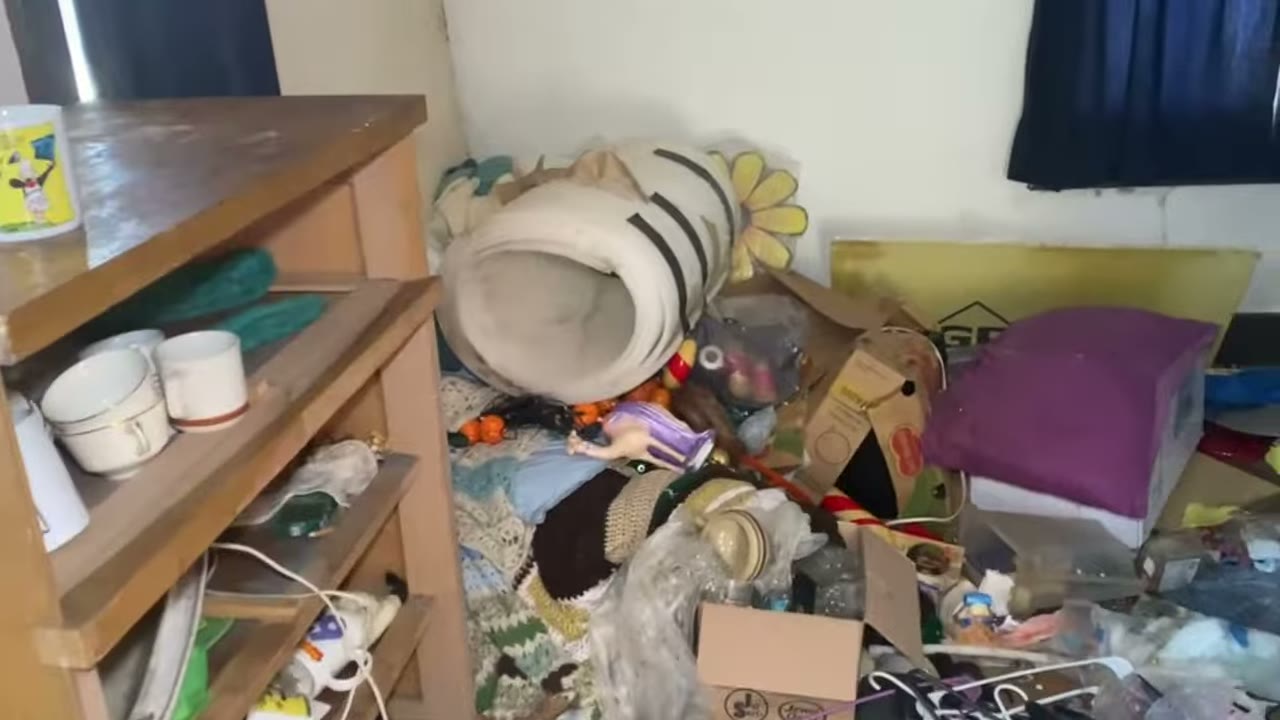
A larger Illinois example is Pillsbury Mills in Springfield, which I cover in the Pillsbury video. The Illinois Times reported in February 2024 that the site sat vacant until 2008, when a series of owners removed scrap metal. A nonprofit, Moving Pillsbury Forward, bought it for $1 and had raised $6 million toward an estimated $10 million to $12 million to demolish the buildings and remove hazardous materials. The head house and silos contain lead paint and asbestos.
I leave everything the way I find it, and I hide most locations. How I find places and stay safe is in a $9.99 PDF called How to Find Abandoned Places.
An empty building is easy to film, and the neighborhood around it is still somebody’s home.
What I carried in
Same list as every video description.
Sources
- Vacant and Abandoned Properties, Turning Liabilities Into Assets, Evidence Matters, HUD USER, Winter 2014
- Urban explorers find beauty in the decay of Gary, Indiana's abandoned buildings, PBS NewsHour, Sep 12, 2024
- City Limits, Richard Mertens, University of Chicago Magazine, undated
- Battered city of Gary, Ind., considers shrinking 40 percent to save itself, NBC News, undated
- Brownfield Overview and Definition, EPA, updated Aug 3, 2016
- Moving forward with demolition, Dean Olsen, Illinois Times, Feb 22, 2024
- MetroSouth Medical Center closes its doors, ABC7 Chicago, Sep 30, 2019
More like this


The footage that never goes public lives on Patreon. It's paid, and it's where the rough cuts, the security run-ins and the early releases go.