Buddyville, South Beloit, Illinois
Abandoned Neighborhood Nicknamed Buddyville: Houses With a 2015 Calendar Still on the Wall
A flood prone neighborhood in South Beloit with a closed road, six houses or more, a kitchen calendar from 2015 and a basement bed. The houses are gone now.
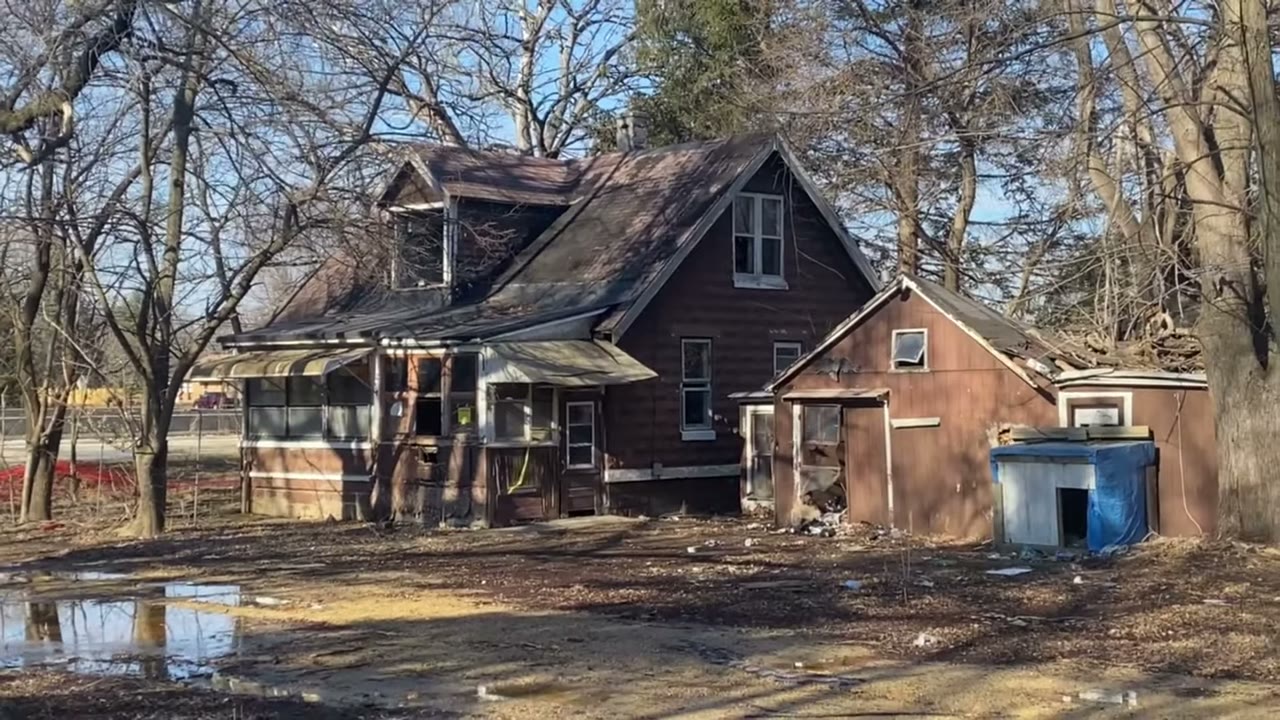
The road to this neighborhood was closed. Behind it were six different houses, maybe more, and we spent the day going through them. I explored this one with a friend who has his own channel, linked in the video description.
From what I understand, this neighborhood in South Beloit, Illinois was prone to flooding, so it was condemned and eventually demolished. The locals called it Buddyville. The houses are completely gone now.
What we found
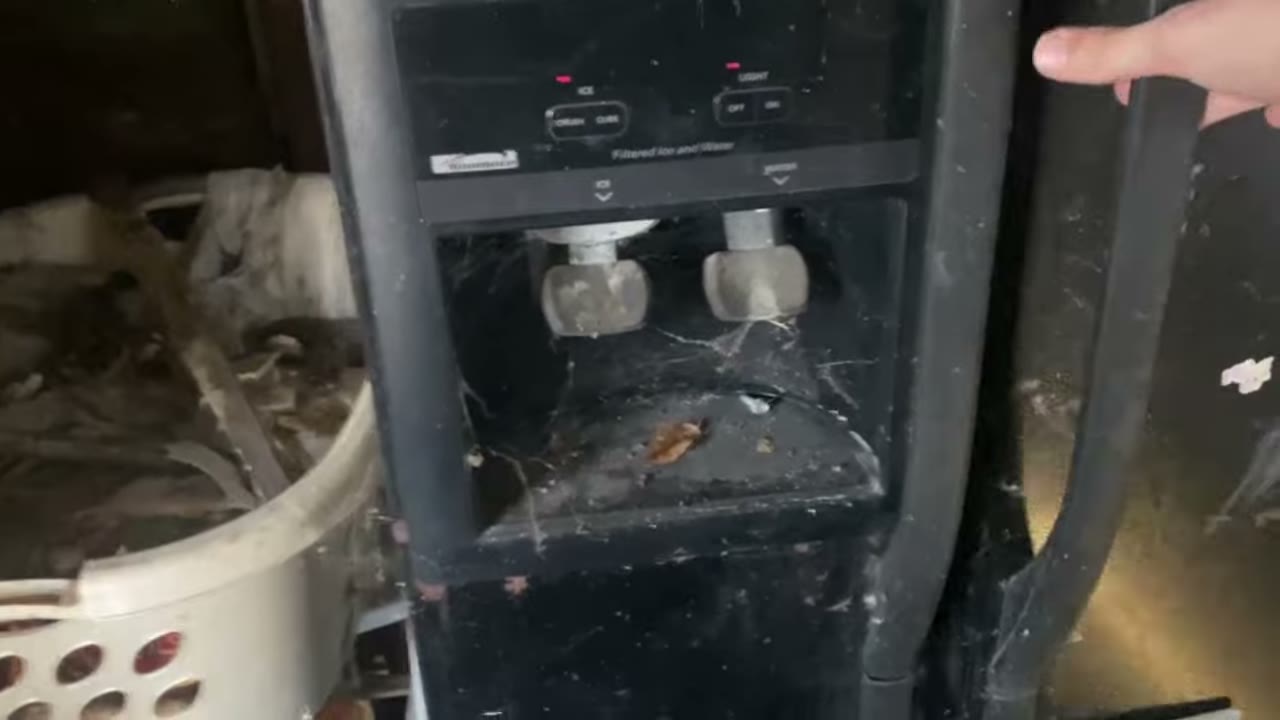
The first house had a lock on the fridge. It needs to stay locked because of the kids’ toys, which is probably why. The water dispenser on the door is covered in cobwebs.
Then the calendar. It said 2015. The place looked like it had been sitting for two decades, so that was hard to believe, but it is the reason I think one of these houses went abandoned around 2015. Down in the basement somebody had set up a whole bed. Upstairs there was a broken little dollhouse, some baloney, a Pokemon item, and a roof that was collapsing.
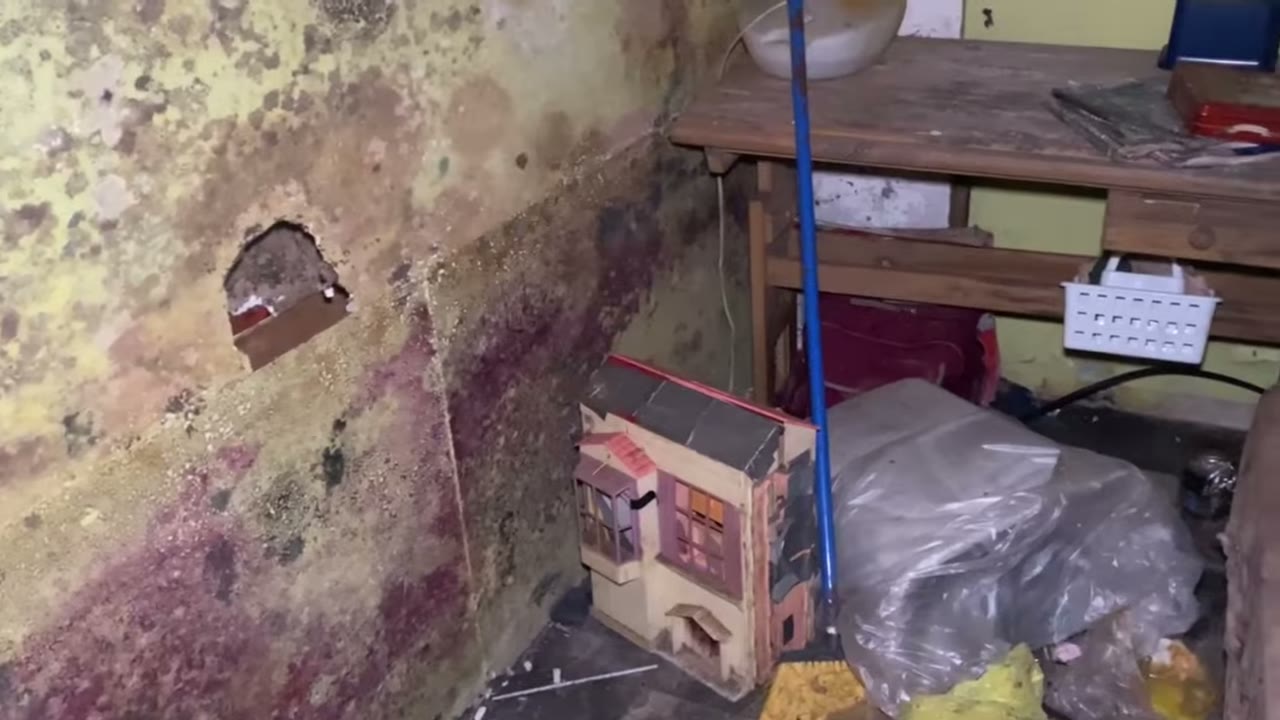
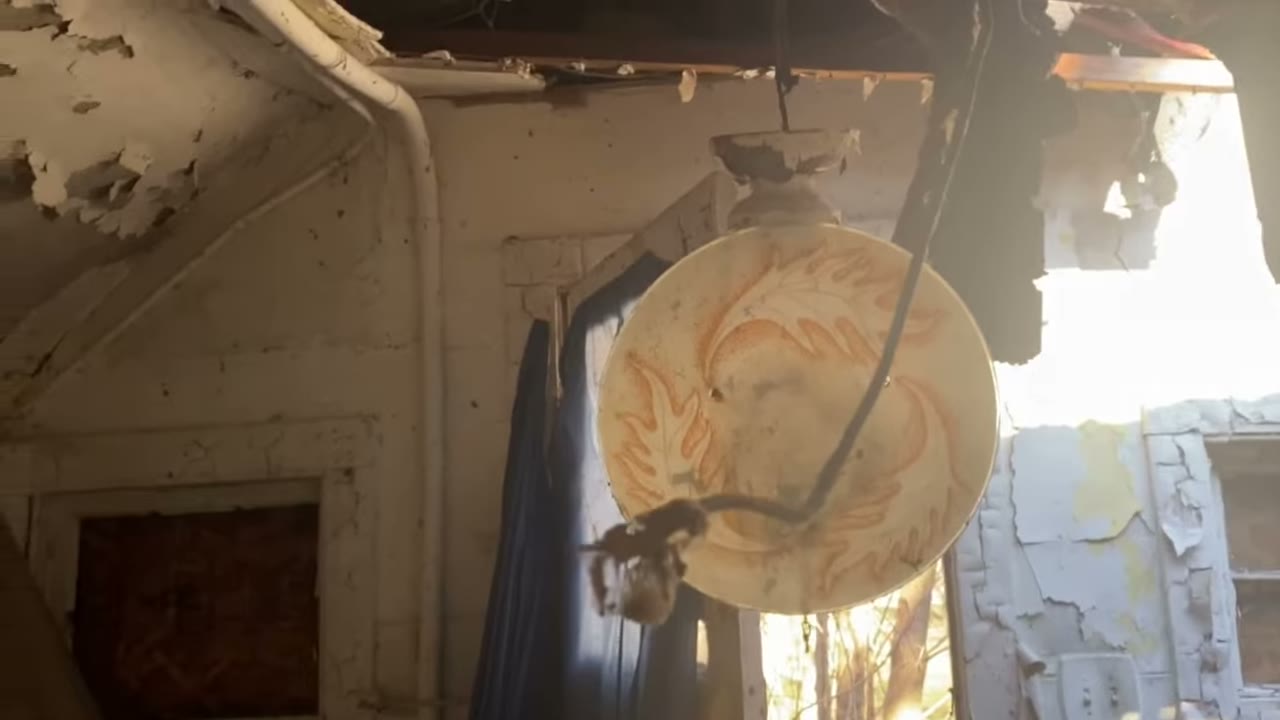
The next ones were a mix. One was sealed, one was empty, and one had its whole back busted out. One had a roof that had completely blocked the door, probably because it was an add on to the original house. The one after that was open.
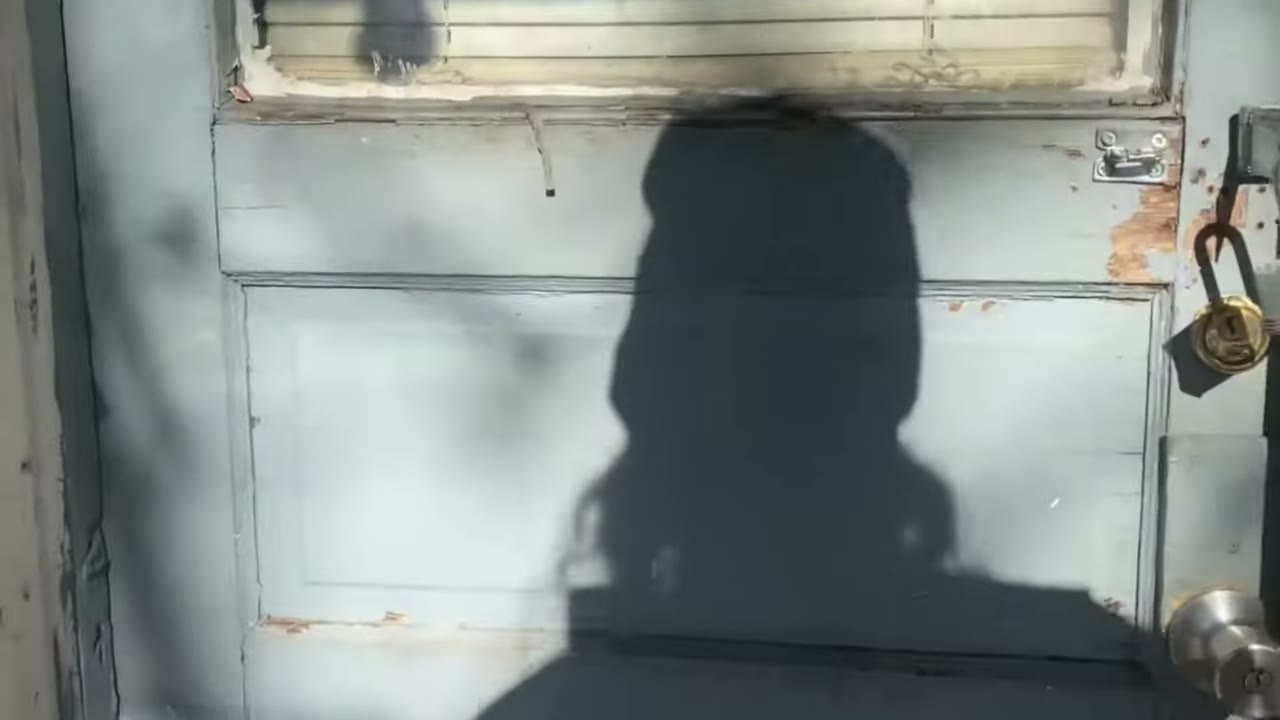
Inside was the stuff that makes it hard. Food, tortillas, and a lot of mugs. Kids’ artwork on the walls. They were smokers. There was marbles, a jar of pickles that turned out not to be pickles, and a vanity. They had a pool table, a Holy Bible, some nice shoes and a bowling ball. At one point I said it was kind of sad, because this is somebody’s house.
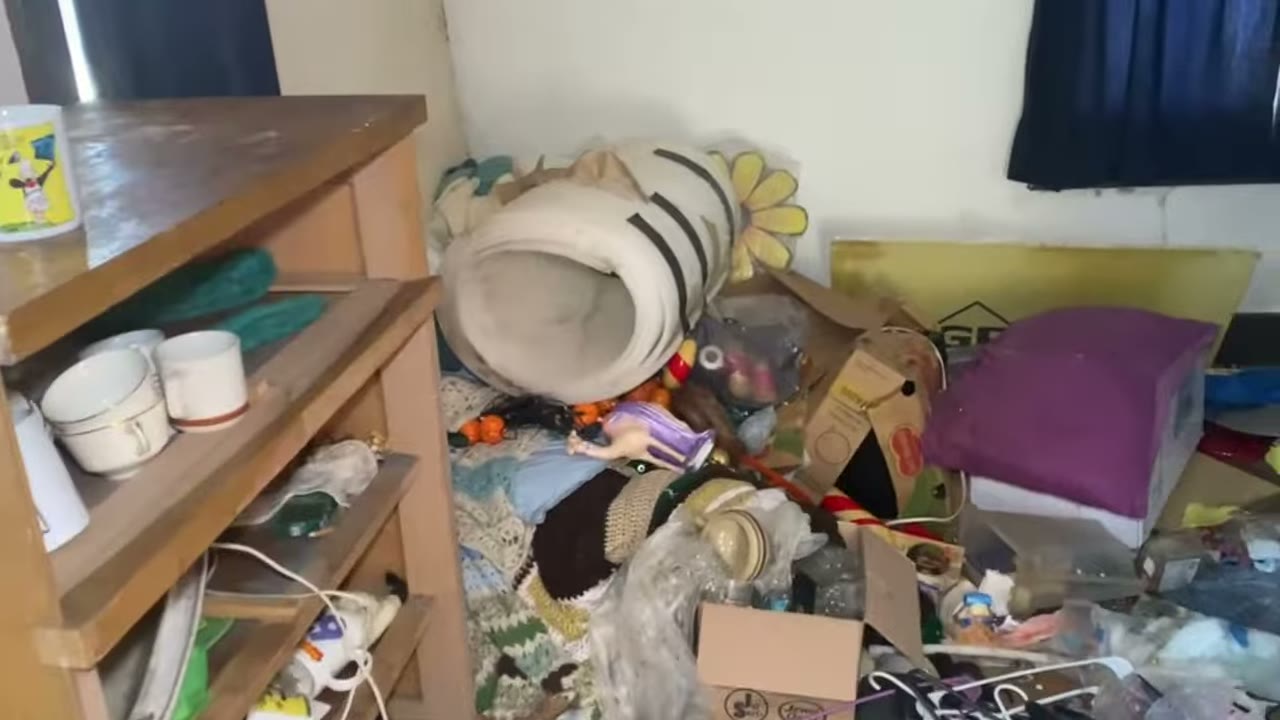
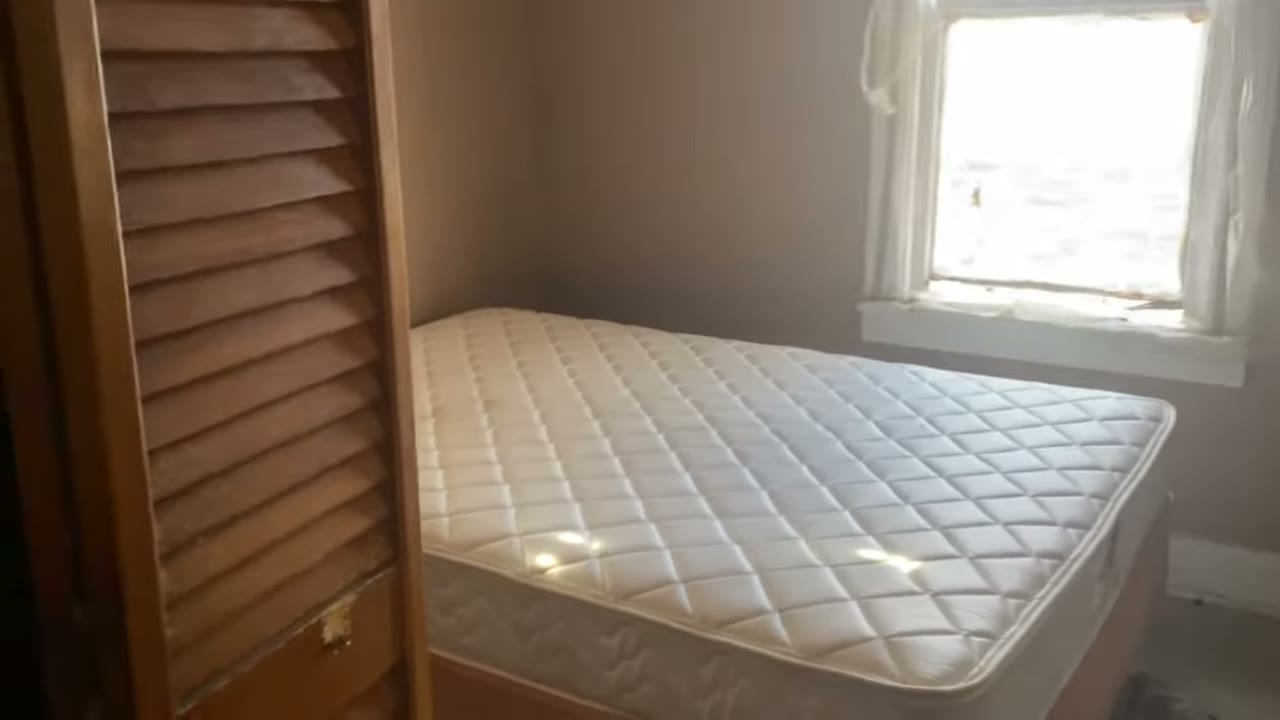
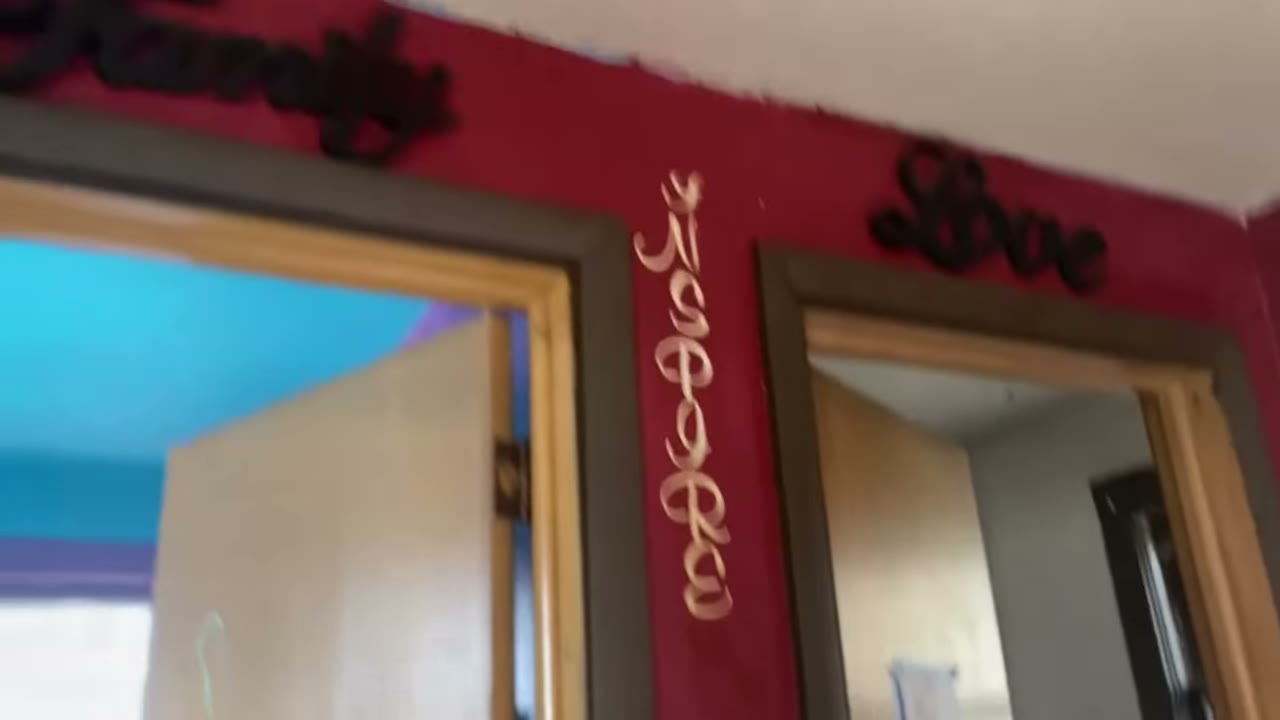
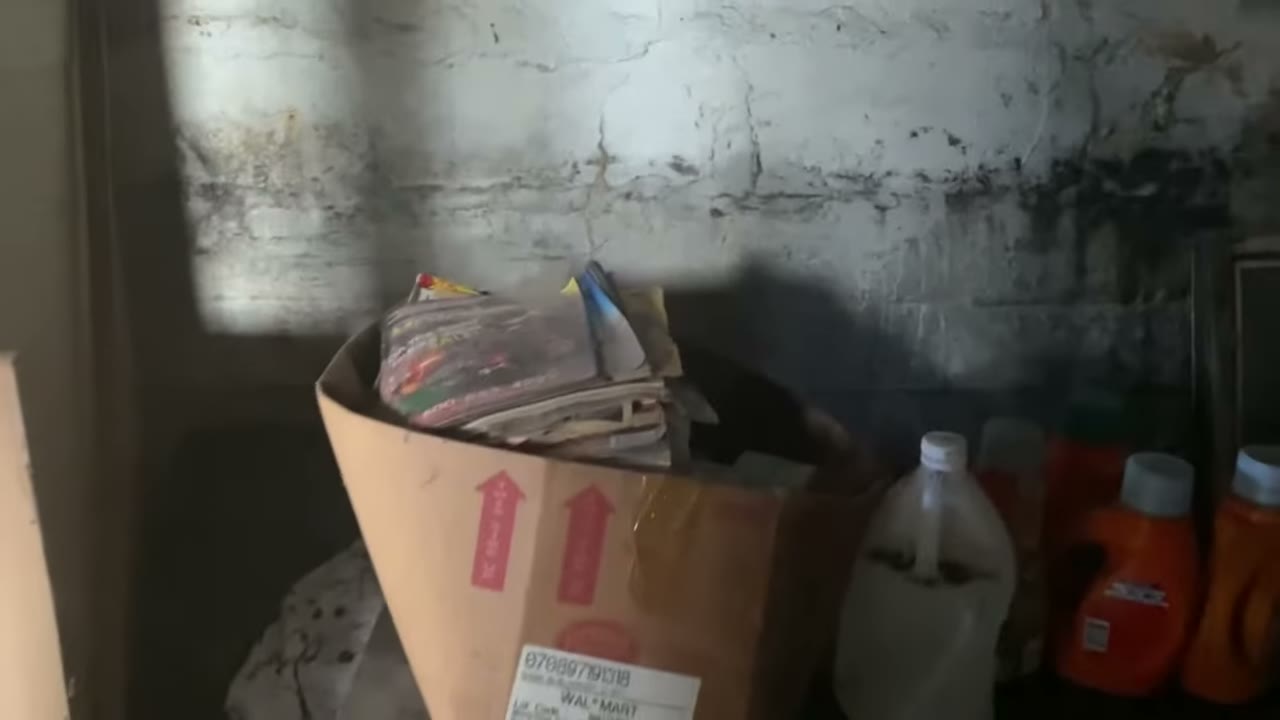
The last few houses were emptier. One was gutted with nothing left, another was pretty empty, and a third I thought was locked. Then there was one with a NASCAR sign, some old VHS tapes, a Heineken clock, and water leaking through a roof that was about to collapse. We found magazines on a stack of boxes, motorcycle magazines and racing magazines, and a lot of laundry soap.
Why places like this end up empty
I could not find city records on this neighborhood, so I can’t tell you which process emptied it. What I can show is how flood prone streets usually end. In Illinois, homeowners can’t apply for a buyout themselves. The local government applies, gets the property appraised and makes the offer. After the owner accepts, the state attorney general has to approve it, then the closing is scheduled and the demolition is booked.
The money works two ways. Illinois Department of Natural Resources buyouts are paid up front by the local government and reimbursed at 100 percent. Federal buyouts run through the Illinois Emergency Management Agency, and the local government pays 25 percent. NPR Illinois reported in 2024 that the state agency has bought roughly 900 properties since 1981, and the emergency agency has bought 3,295 since 1993. A state buyout takes about a year, and a federal one averages more than five.
When the process ends, ownership moves to the local government, the buildings are torn down and the land becomes open space.
In this one, the houses are gone, and the calendar on the wall said 2015.
Left behind
- A fridge with a lock on it and kids' toys in the kitchen
- A calendar from 2015 on the wall of a house that looked like it had sat for two decades
- A whole bed set up in a basement
- A broken little dollhouse and a Pokemon item
- Kids' artwork, a pool table, a Holy Bible and a bowling ball
- A NASCAR sign, old VHS tapes and a Heineken clock
- Boxes of racing and motorcycle magazines
What I carried in
- DJI Osmo Action 5 Pro (Adventure Combo)
- DJI Mic 3 wireless mic
- Coast XP11R flashlight
- LHI 45L tactical backpack
- 35,000mAh power bank with built in cables
Same list as every video description.
Sources
More like this


The footage that never goes public lives on Patreon. It's paid, and it's where the rough cuts, the security run-ins and the early releases go.