, exact location withheld
What Are Scrappers and Why Do They Strip Abandoned Buildings?
Scrappers strip abandoned buildings for copper and other metal to sell. What they take, why vacant buildings get hit, and what Illinois requires of scrap buyers.
A scrapper is someone who takes metal out of a building to sell it as scrap, and abandoned buildings are where a lot of them work. Copper wire and copper pipe are the usual targets, because copper pays and an empty building has plenty of it behind the walls.
This is entertainment and general information, not legal advice. I’m not telling you where to find scrappers or how to do what they do, and I’ll say up front that taking things out of a building you don’t own is the opposite of how I explore.
What do scrappers actually take?
Mostly metal that was built into the building. A police chief quoted by WHYY said thieves strip pipes, wires and fixtures from vacant properties. The same story lists copper piping from empty buildings, metal plates from traffic signals and light poles, and the metal covers of electrical access panels, which it calls “a popular item among thieves.”
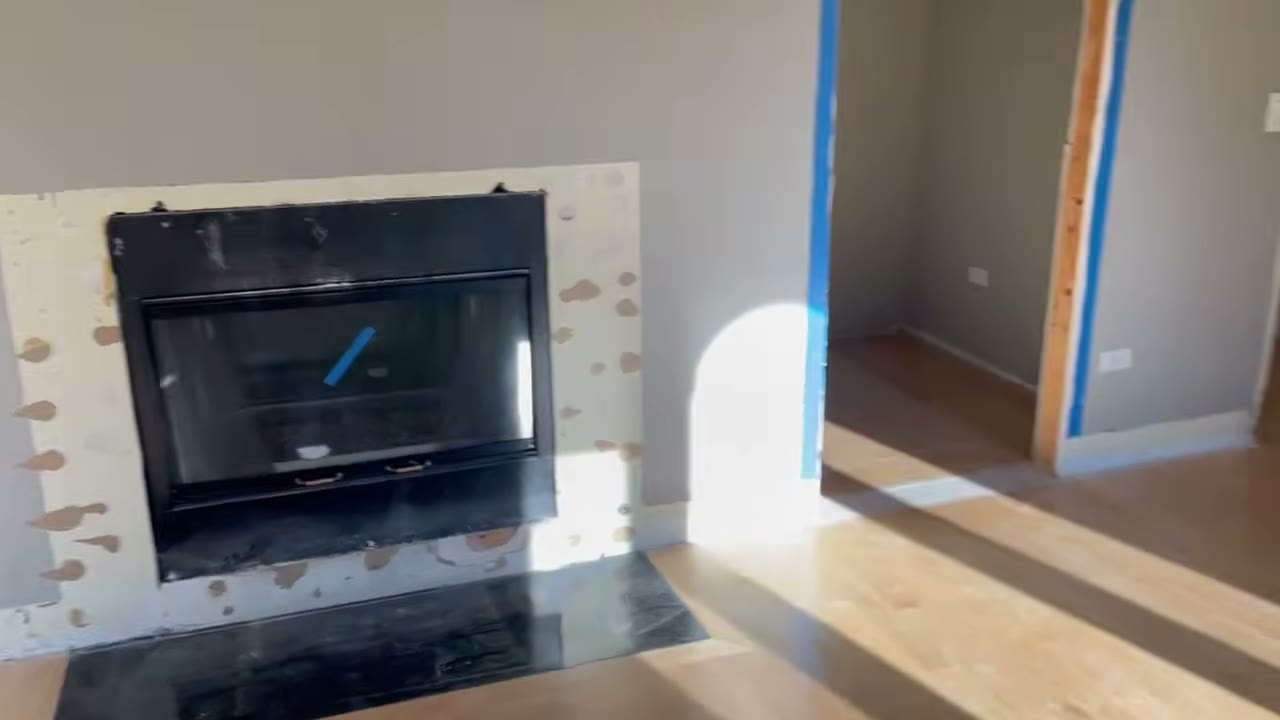
That list matches what I see on camera. The walls get opened up, the wire comes out, and whatever is left looks like a building that had its insides pulled out. What the scrapper wants is rarely the thing you notice first. It’s the stuff you can’t see until it’s gone.
Why do scrappers go after vacant buildings?
Because nobody is watching, and because the metal is worth money. The same WHYY story quotes the police chief saying vandals are more likely to target vacant properties, where thieves can work “relatively undetected.” It describes the payoff as “a small but quick profit.”
The price is part of it. Propmodo reported in July 2025 that copper had spiked to $5.60 a pound after a 50 percent tariff on copper imports was announced, and it blamed record high prices and rising demand for a surge in thefts. It also calls vacant properties “particularly at risk.” When metal gets more valuable, a dead building with a lot of wire in it gets more attractive.
The scale can be bigger than people expect. The WHYY story counts 198 metal thefts in Wilmington, Delaware by mid September 2011, with four in the previous week. The mayor, the police and the local power company all asked residents to call 911 about suspicious activity, especially around known vacant properties. That’s a city treating empty buildings as the weak point, because they are.
I’m not going to pretend I know what any one scrapper was thinking. I only know what the buildings look like afterward, and the pattern is the same whether the building is a mansion, a hospital or a laundromat.
How do scrappers sell what they take?
To a scrap yard, and Illinois has rules for that side of it. The state’s Recyclable Metal Purchase Registration Law covers what it calls recyclable metal dealers. Section 3 says each purchase has to go into an electronic record, and the seller’s information has to be verified from a valid driver’s license or other government issued photo ID. The dealer also has to take photographs or video of the seller and the materials on the scale, and the seller signs a declaration that the property is, to the best of their knowledge, not stolen. If the person delivering the metal has no valid ID, the dealer “shall not complete the transaction.” Purchase records are kept for three years.
The state takes the problem seriously enough to have a task force on it. Public Act 102-0906 put a Recyclable Metal Theft Task Force in the Secretary of State’s office, and it makes a knowing violation of the dealer law a Class A misdemeanor for a first offense. It also says metal obtained in violation of the act is subject to immediate forfeiture.
None of that stops a determined thief. It does mean the paperwork exists, which is the whole point of it.
What do scrapped buildings look like on camera?
A few things show up again and again.
At the Highland Park mansion I said it looked like straight up removal of everything. In a shower I noted they had already removed the copper, and my guess was that someone was going to scrap the rest to make a little money. That was my guess from what I could see, nothing more.
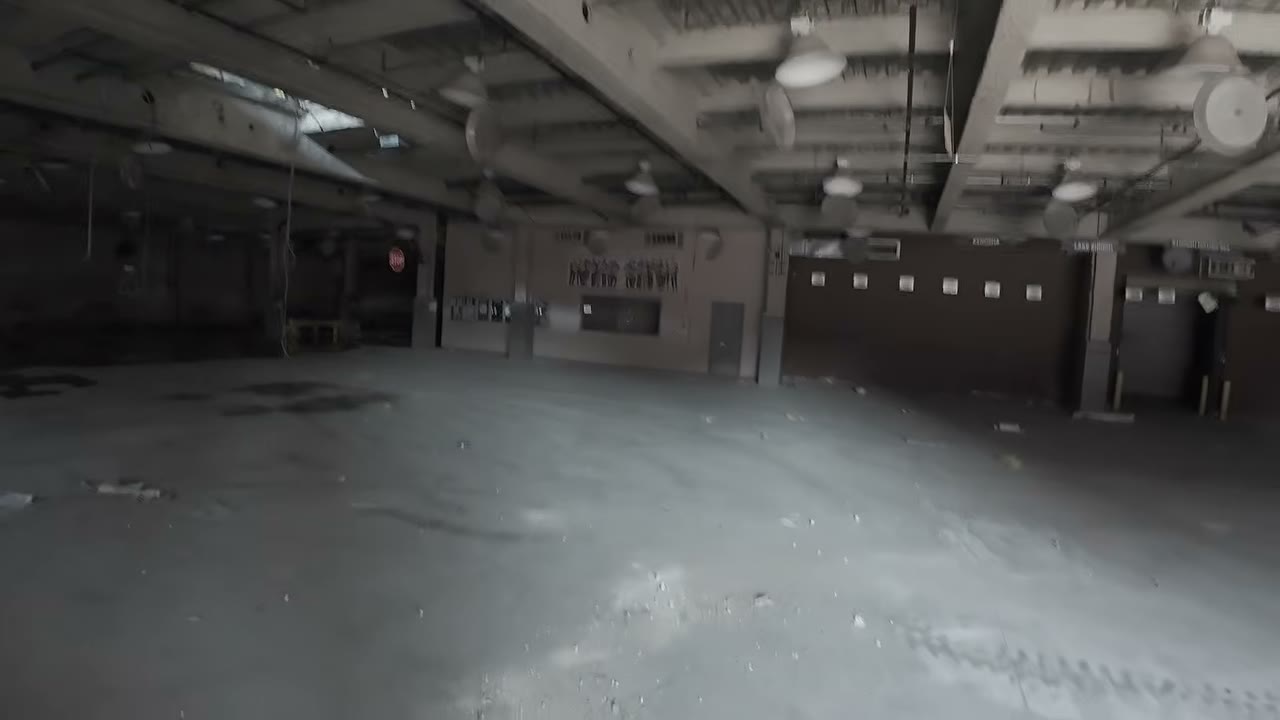
In the Chicago Tribune plant I looked at a press area and said it looked like they scrapped all the wires. Later in that same video I heard a buzzing noise, and I ended up saying there was power in a locked room. That’s worth sitting with. A building where the wire has been pulled can still have live power somewhere else in it, and you can’t tell which parts are which from the hallway.
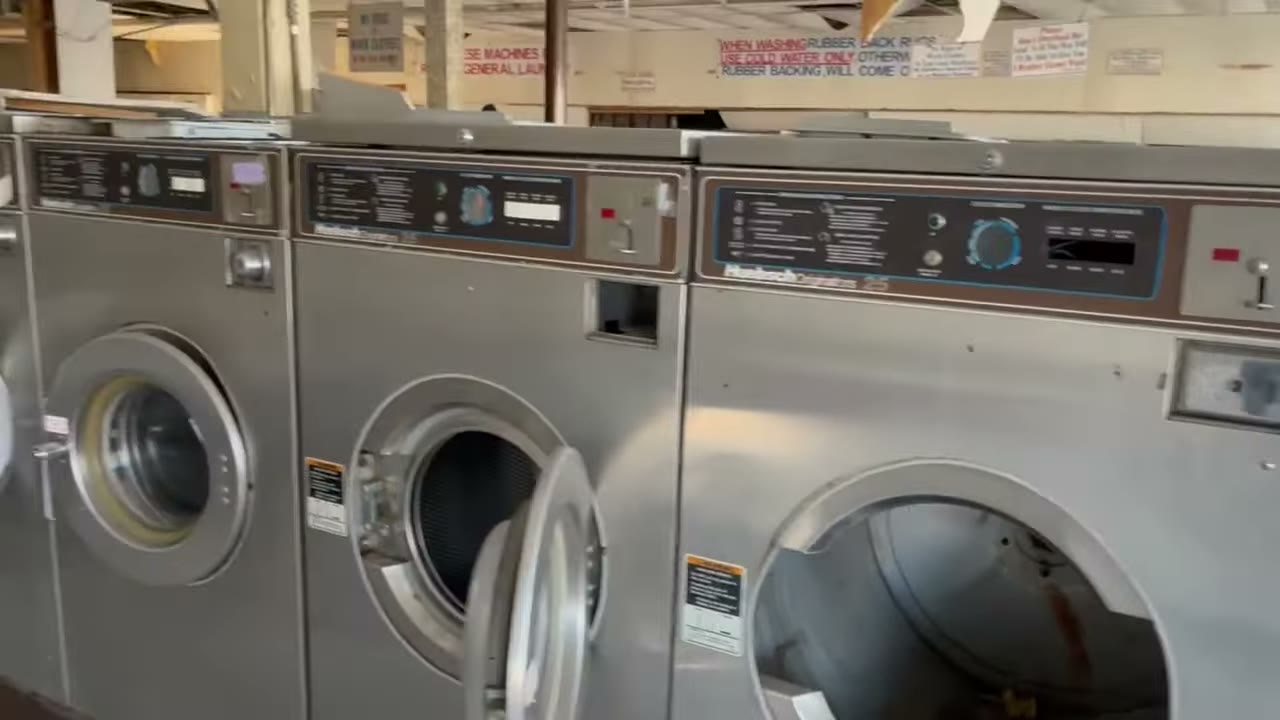
At the laundromat in Gary, Indiana I said it looked like scrappers happened. My read was that someone took the copper and knocked down tiles while they were at it.
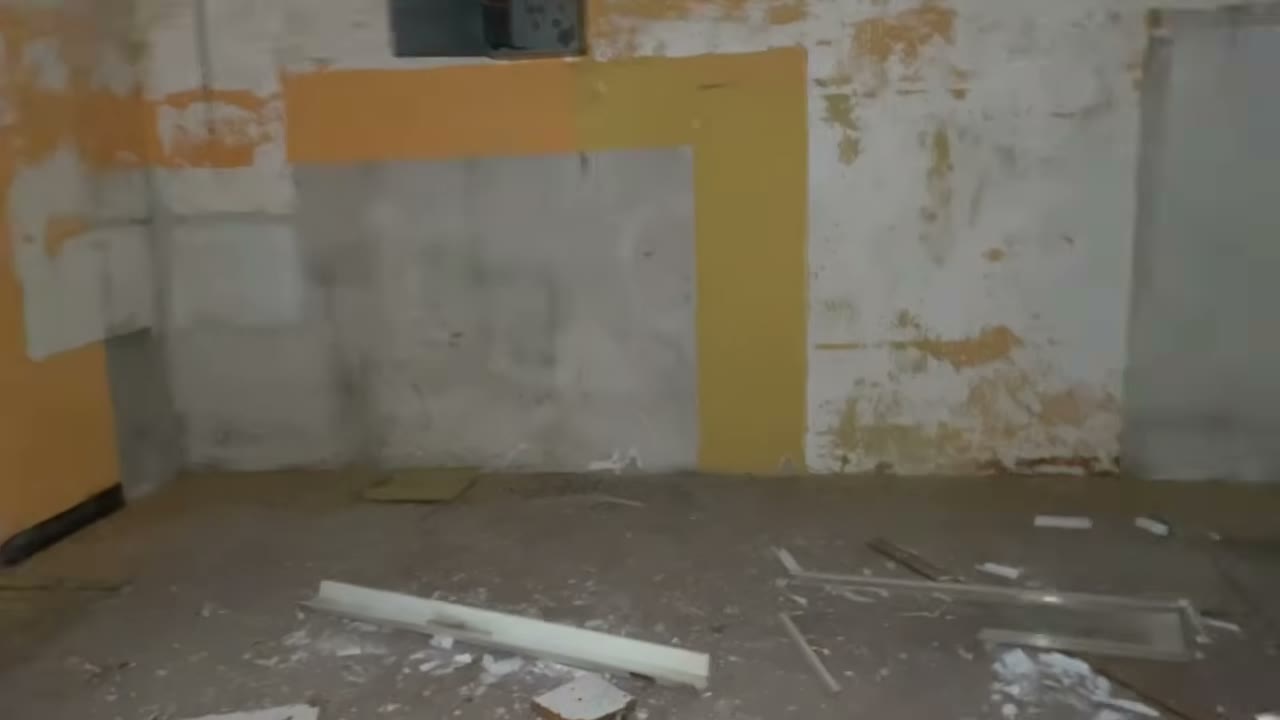
At a bank in East St. Louis, Illinois we figured the vault door was gone, and the line was that the scrapper was getting creative. What was left was bare concrete and bits of broken trim.
Is a stripped building safer to be around?
No. It may be the opposite. WHYY reports that stolen copper piping can cause “dangerous gas leaks,” and that stolen metal plates from signals and poles can cause electrocution. That story is about thefts in Delaware, so I’m using it as a general warning and not as a description of any building I’ve been in.
What carries over is simple. When someone has been pulling pipe and wire out of a building, they may have left behind cut lines, open panels and holes that look like nothing in a dim hallway. A stripped building tells you somebody else was there first, and it tells you nothing about what they left behind.
Why don’t I take anything?
My code is short. I leave every place exactly as I found it. No stealing, no vandalism and no spray paint, and I take only pictures and leave only footprints.
The hospital in Blue Island is the cleanest example I have. In the Blue Island Hospital video we came across a coil of copper lying out in the open. The line in the video is “let’s put that back,” followed by “Some scrapper is going to be happy when he finds that.” Putting it back is the point. The find was worth showing, and the metal was never mine to take.
How I find my own spots, stay safe, and film without burning locations is covered in a $9.99 PDF called How to Find Abandoned Places.
The simplest way to tell a scrapped building from an untouched one is the walls and the ceilings. If the wire is gone, somebody else decided what that building was worth first.
Sources
- Metal thefts a safety hazard in Delaware, WHYY, Sep 14, 2011
- New Copper Theft Wave Puts Vacant Buildings in the Crosshairs, Propmodo, Jul 16, 2025
- Recyclable Metal Purchase Registration Law, Section 3 (815 ILCS 325/3), Illinois General Assembly, accessed Nov 4, 2026
- Public Act 102-0906, Illinois General Assembly, accessed Nov 4, 2026
More like this


The footage that never goes public lives on Patreon. It's paid, and it's where the rough cuts, the security run-ins and the early releases go.