Pillsbury Mills, Springfield, Illinois
Pillsbury Mills in Springfield, Illinois: Cargill Paperwork and Rotted Flour
Part 2 of the Pillsbury Mills explore in Springfield, Illinois. Cargill paperwork from 2001, an empty safe with cut hinges, rotted flour and security on site.
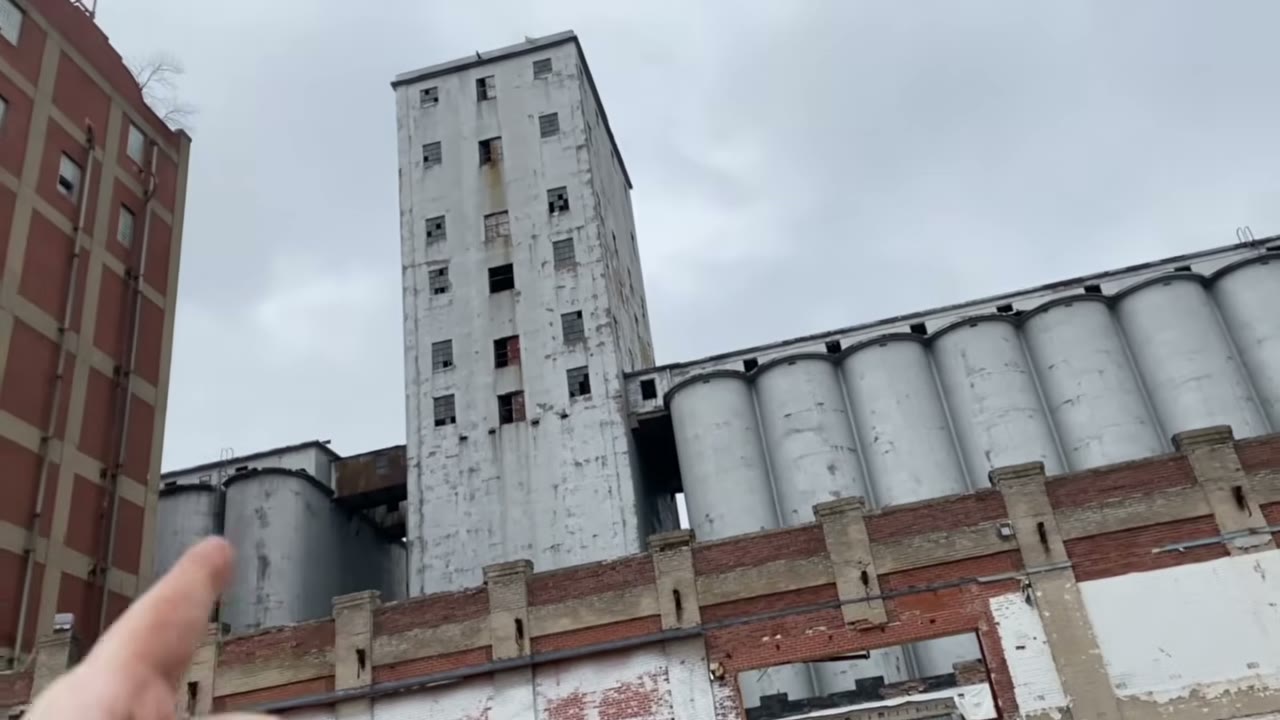
Pillsbury Mills in Springfield, Illinois covers 500,000 square feet and used to employ 1,500 people back in 1950. Part of the building is already demolished, and this is what’s left of it. Part one is where we almost got caught. This time the first thing I said was that they do have security.
Pillsbury sold the plant to Cargill in 1991, and Cargill ran it until 2001. In 2008 it was sold for scrap. What I wanted to know was what had been sitting inside since then.
What we found
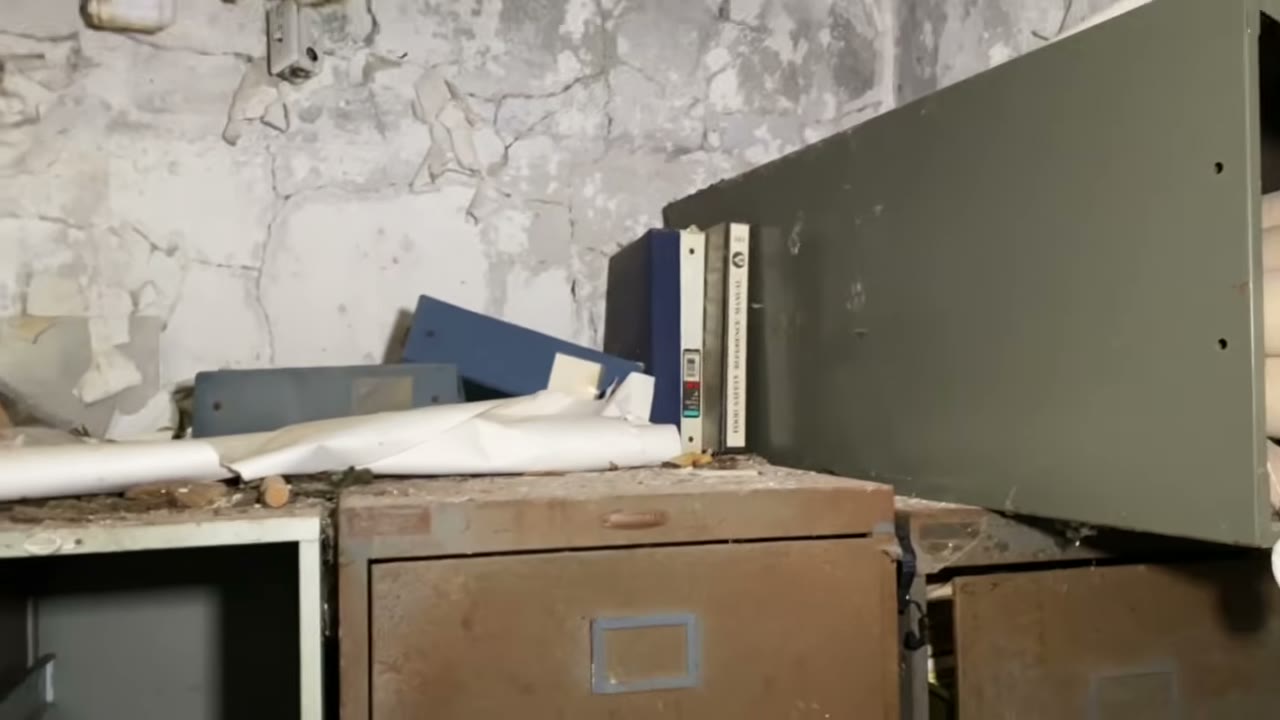
Right away somebody above us was banging on something, and I kept an eye on where it was coming from. The first big find was a room of paperwork. There was Cargill Environmental Health and Safety material, a workers compensation policy, drug and alcohol policies, a space inventory, the National Electric Code, a Pillsbury engineering manual, an Allen-Bradley terminal manual, and papers from the Cargill flour milling division. One page was dated June 2001. I also found what looked like blueprints and maps. Some of it could be historical, and it was all just left there.
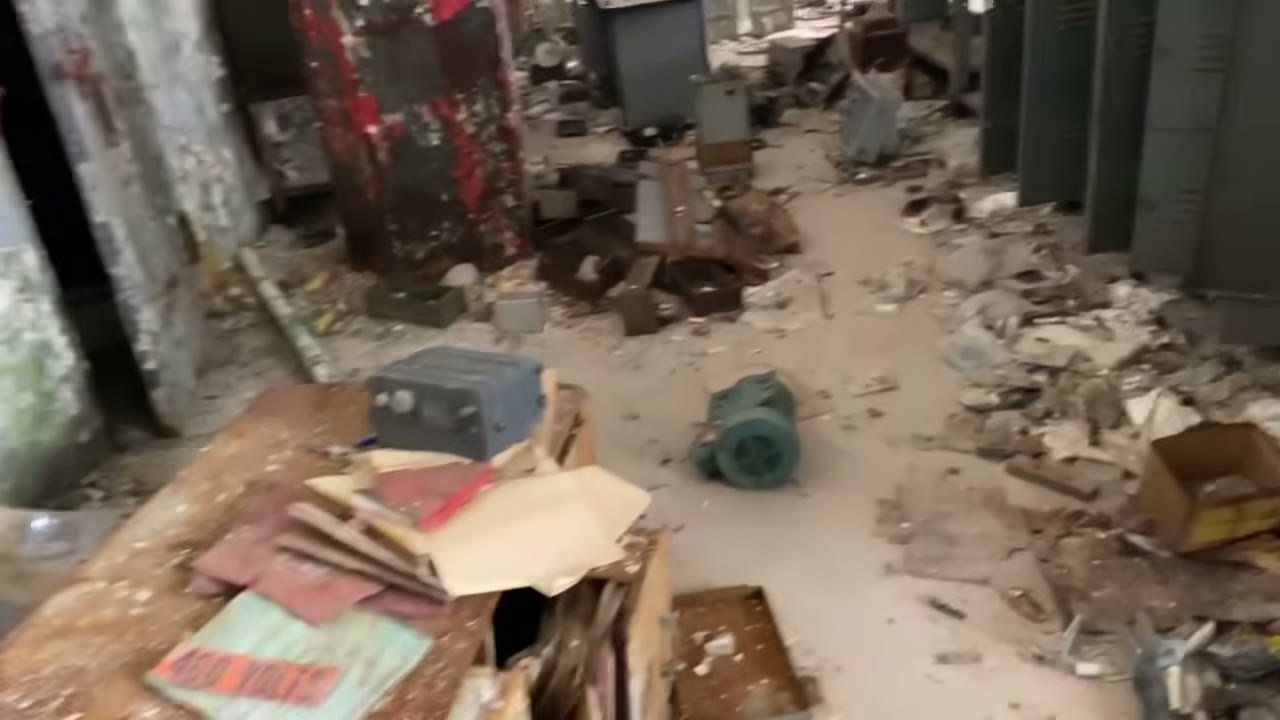
Then a safe. Somebody had tried to cut the hinges off to get in, and it didn’t work. It’s empty, so they went to all that effort for nothing. Nearby, a main support beam had broken in half, and there was a shower for workers. Debris was piled in front of nearly every entry except the ones trucks could drive through.
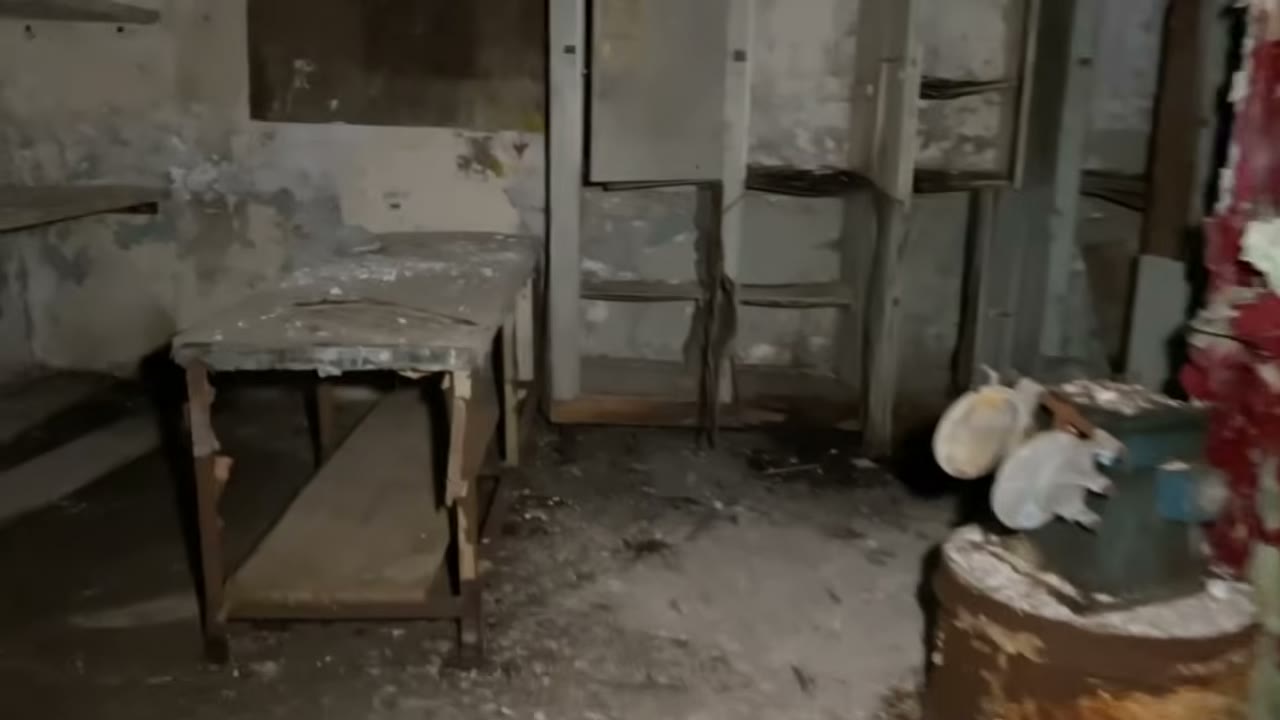
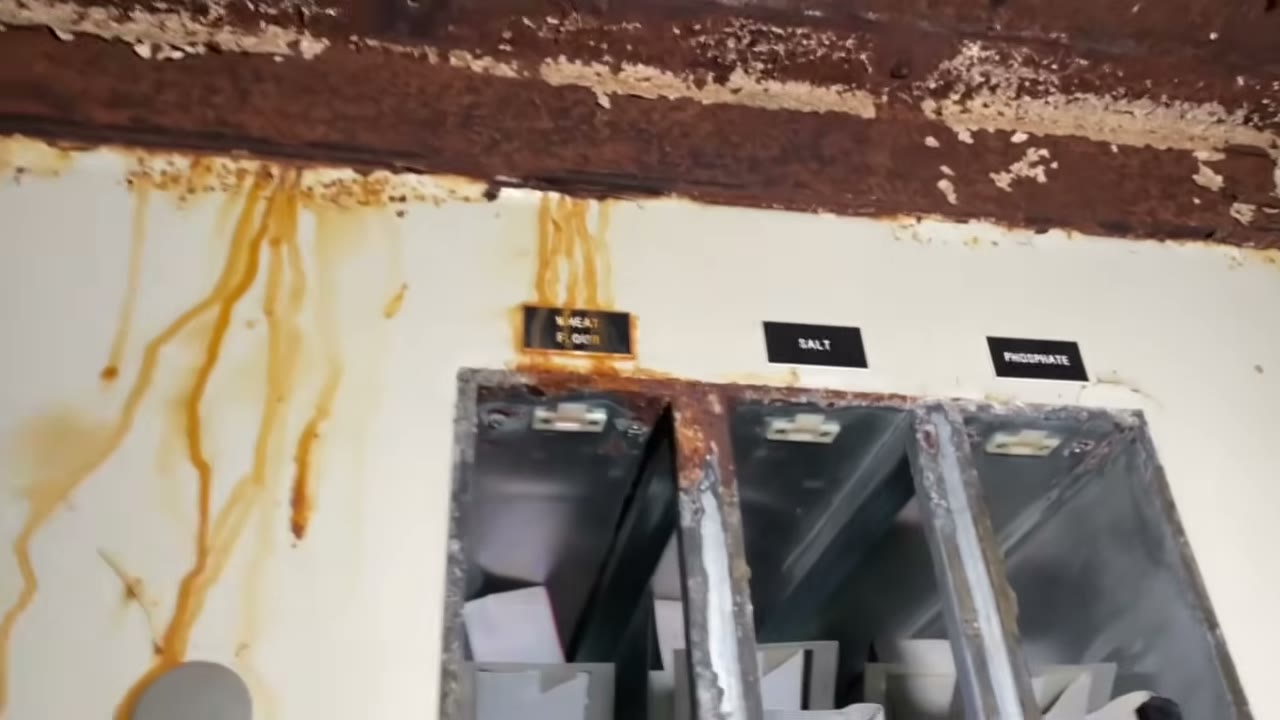
The production floors are where the factory shows itself. There was rotted product I think was flour, white and caked. A set of bins was labeled for wheat flour, salt, phosphate, baking soda and calcium carbonate. It looks like they threw the ingredients in, the hard clumps got stuck, and the rest fell through. Signs read pancake hot compounding and hot roll compounding, and conveyors ran everywhere.
We climbed nearly to the top of one building, except the very top was locked. I turned off my light at one point because we were visible from the road. We skipped a second floor because there were workers right below us. The trains are loud out here. We found a filter collector, a sugar filter and a trash chute. One stairwell had a block in front of it, so we took a ladder down to the basement and looked for another way up. Looking back at the complex, we compared notes on what we had and hadn’t done, and the silos were the part none of us remembered touching.
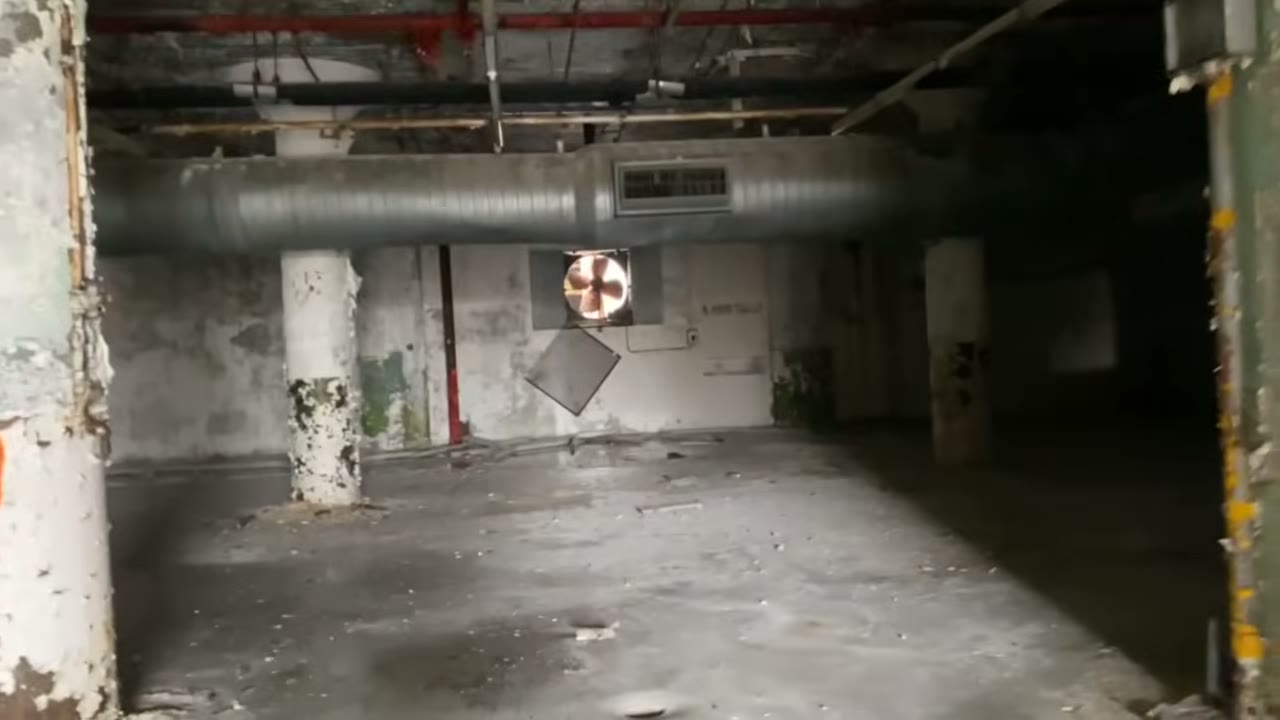
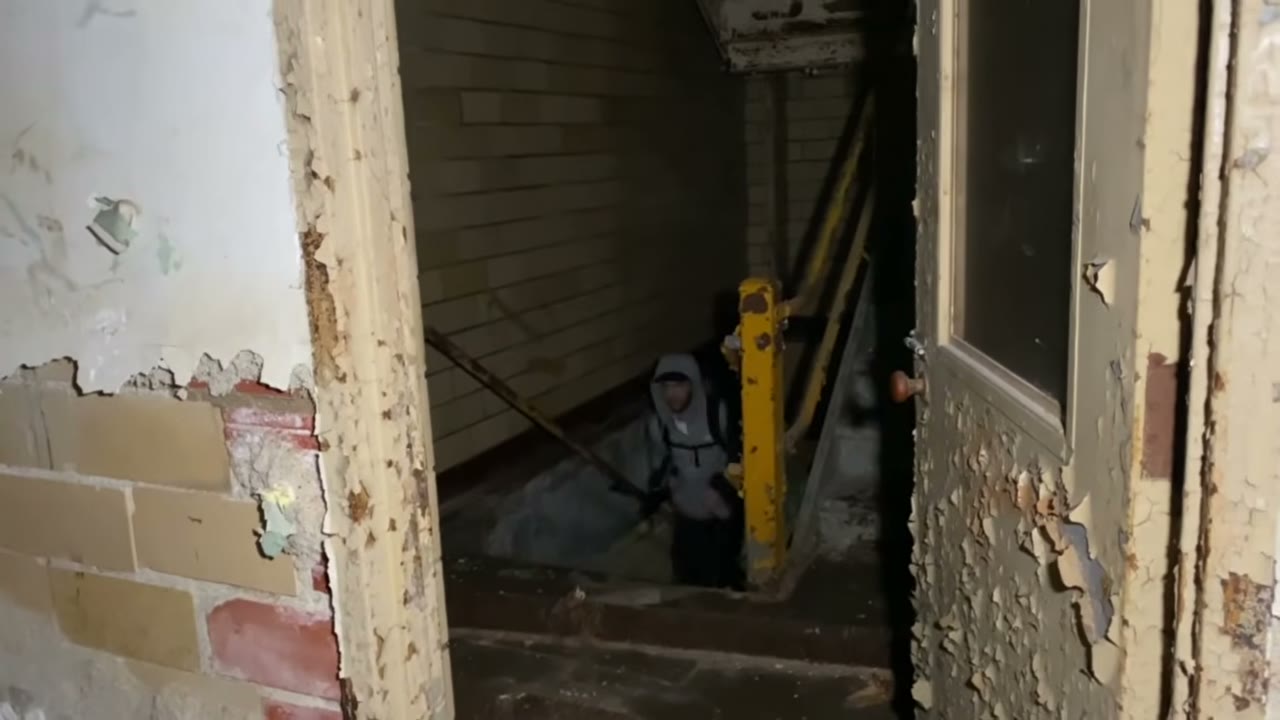
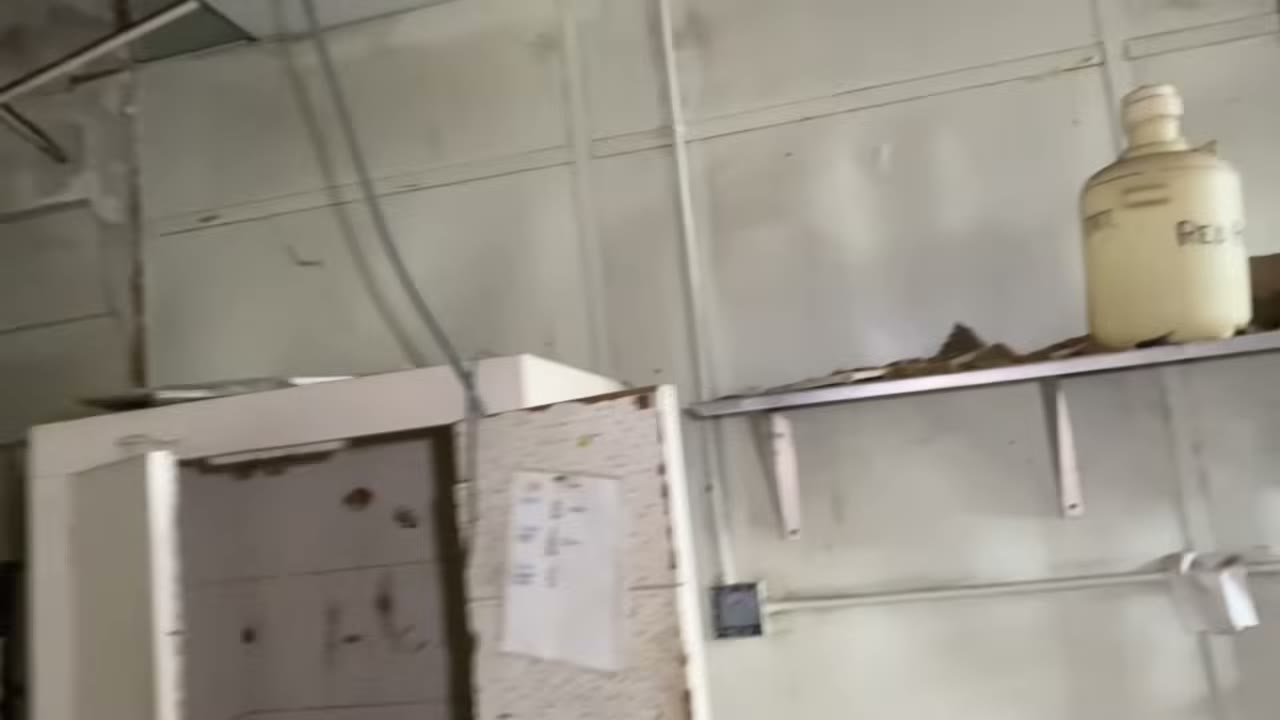
We squeezed through a gap to reach a building via the roof. Inside were trophies, desks, and a spot with signs of a fresh fire, which smelled recent. Then a big stairwell that must have been a main entrance once, with Cargill signs, including one for Cargill Flour Milling Strategic Vision. I finally found the labs, decayed but still full. I couldn’t believe the paperwork had survived 20 years. There was bakery kitchen equipment, ovens, a floor cleaner, little generators and a whole run of Toledo industrial scales. It smells like mold up there. I passed on the roof access, because I’m not sure how safe that roof is.
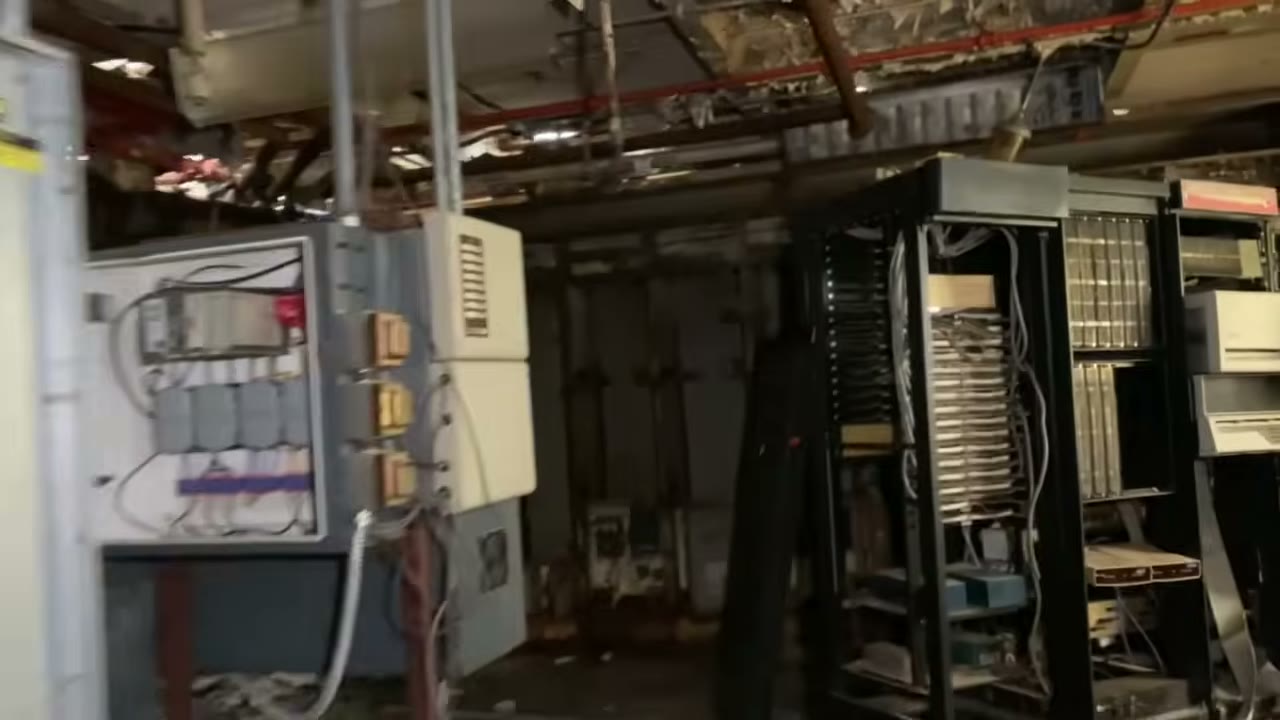
The last level had the computers and a control center that was destroyed. Then the surprise. We went back through the way we came and somebody had strapped it up. We didn’t open it, it was already open, and I told you there was security. Another entry had been sealed too. Out in the lot, one car had its window smashed in, and I hoped mine wasn’t next.
Why Pillsbury Mills is abandoned
Pillsbury built the campus in 1929 and expanded it several times through the 1950s, according to the Associated Press. Illinois Times says the plant employed up to 1,500 people or more in that decade. A county history page says it was down to about 45 employees when it closed in 2001.
Pillsbury sold the site to Cargill in 1991, and Cargill used it for grain storage for about 10 years. Then it sat vacant until 2008, when a series of owners began removing scrap metal. In 2015 a scrap dealer improperly disposed of asbestos on site, which led to a $3 million EPA cleanup, according to the AP.
What happens next
In 2022 a nonprofit called Moving Pillsbury Forward took the 18 acre site for $1. As of February 2024 it had raised $6 million toward an estimated $10 million to $12 million to demolish buildings and remove hazardous materials. The 225 foot head house and 160 silos, which contain lead paint and asbestos, are the hard part. The group hopes to sell the cleared land to a developer for light or medium industrial use, and expected most other buildings to be gone by about February 2025, Illinois Times reported.
The house next to it was for sale.
Left behind
- Cargill safety, workers compensation and drug policy paperwork, a Pillsbury engineering manual and blueprints
- A safe with its hinges cut off and nothing inside
- Rotted flour and labeled bins for wheat flour, salt, phosphate, baking soda and calcium carbonate
- Pancake and hot roll compounding equipment and long runs of conveyors
- Labs with decayed paperwork, bakery kitchen equipment and Toledo industrial scales
- Trophies, desks and a stairwell with Cargill signs on the walls
- Old computer racks and a destroyed control center
- Signs of a fresh fire, and an entry we came through strapped shut by someone
What I carried in
- DJI Osmo Action 5 Pro (Adventure Combo)
- DJI Mic 3 wireless mic
- Coast XP11R flashlight
- 3M 6200 half face respirator
- LHI 45L tactical backpack
- 35,000mAh power bank with built in cables
Same list as every video description.
Sources
More like this


The footage that never goes public lives on Patreon. It's paid, and it's where the rough cuts, the security run-ins and the early releases go.