, exact location withheld
What Is Urbex? Urban Exploration, Explained
Urbex is short for urban exploration: visiting abandoned or hidden places to document them. Where the word came from, the code, the law, and what bando means.
Urbex, short for urban exploration, is the practice of visiting man made places that are abandoned or hidden from the public, usually to photograph or film them. On this channel it means abandoned buildings. Everything on this page is entertainment, not legal advice.
Where did the word urbex come from?
The phrase “urban exploration” is credited to Jeff Chapman, a Canadian who wrote under the name Ninjalicious. The Week says it is “generally accepted” that he coined it in 1996, and the London Review of Books calls him “widely credited” with it. The Week also writes that the practice, “Urbex, as it has become known,” is the exploration of man made structures often abandoned or hidden from the general public.
The same year, according to The Varsity, he started a zine called Infiltration, which The Austin Chronicle described as “the zine about going places you’re not supposed to go.” His book, Access All Areas: A User’s Guide to the Art of Urban Exploration, was published by Infilpress and reviewed in December 2005. The Varsity says he wrote it shortly before he died of cancer at 31, and that a message on his website said he “can essentially be credited with founding much of the modern-day urban exploration subculture.”
The habit is older than the word. The Week points to 1793, when a Paris hospital porter reportedly got lost in the limestone quarries under the city. His skeleton was discovered 11 years later.
What do urban explorers actually do?
They go into places that are closed, abandoned or not meant for visitors, and they document them. The Week mentions derelict factories, abandoned amusement parks, disused Underground stations, limestone quarries under Paris and the tops of skyscrapers. The London Review of Books lists sewers, drains, towers, churches, quarries, tunnels, prisons, military sites, asylums, mines, theatres, factories and train stations. Chicago Tonight describes the basic version as “venturing into abandoned structures for the purposes of photography or in some cases, sheer curiosity.” In 2015 The Week called the community “high in profile but small in number,” at perhaps 20,000 people worldwide, citing The Guardian.
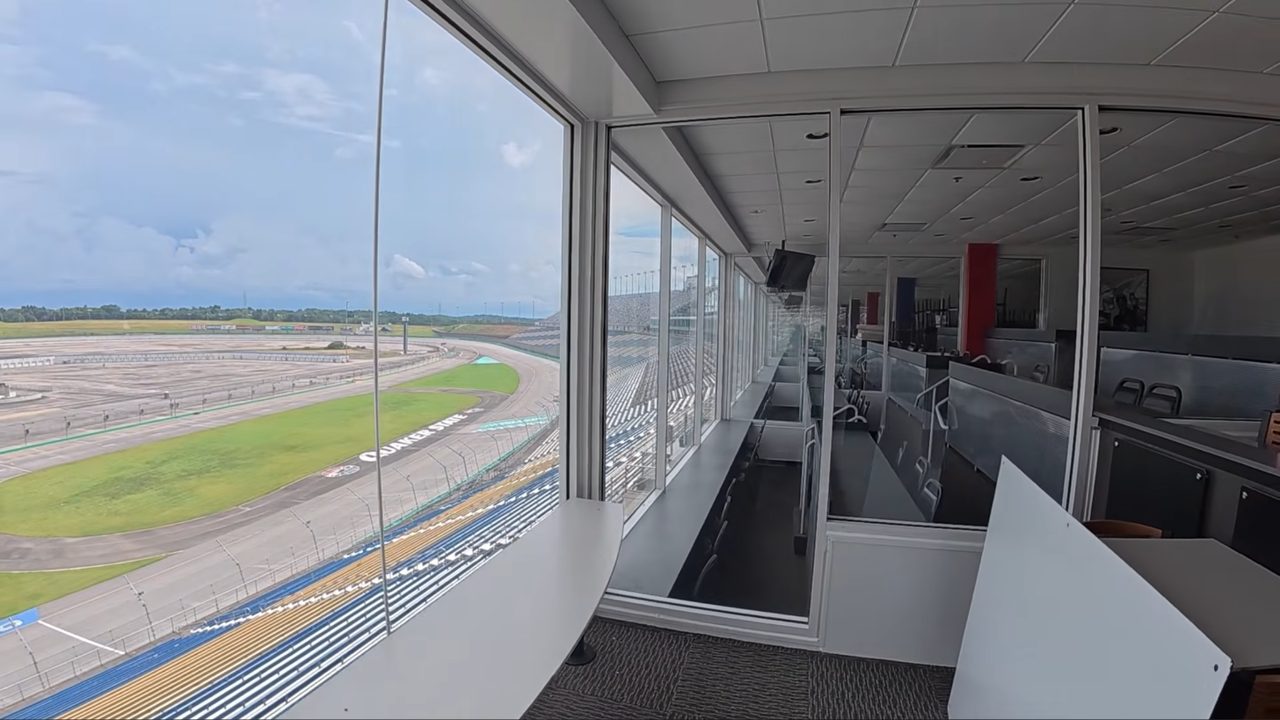
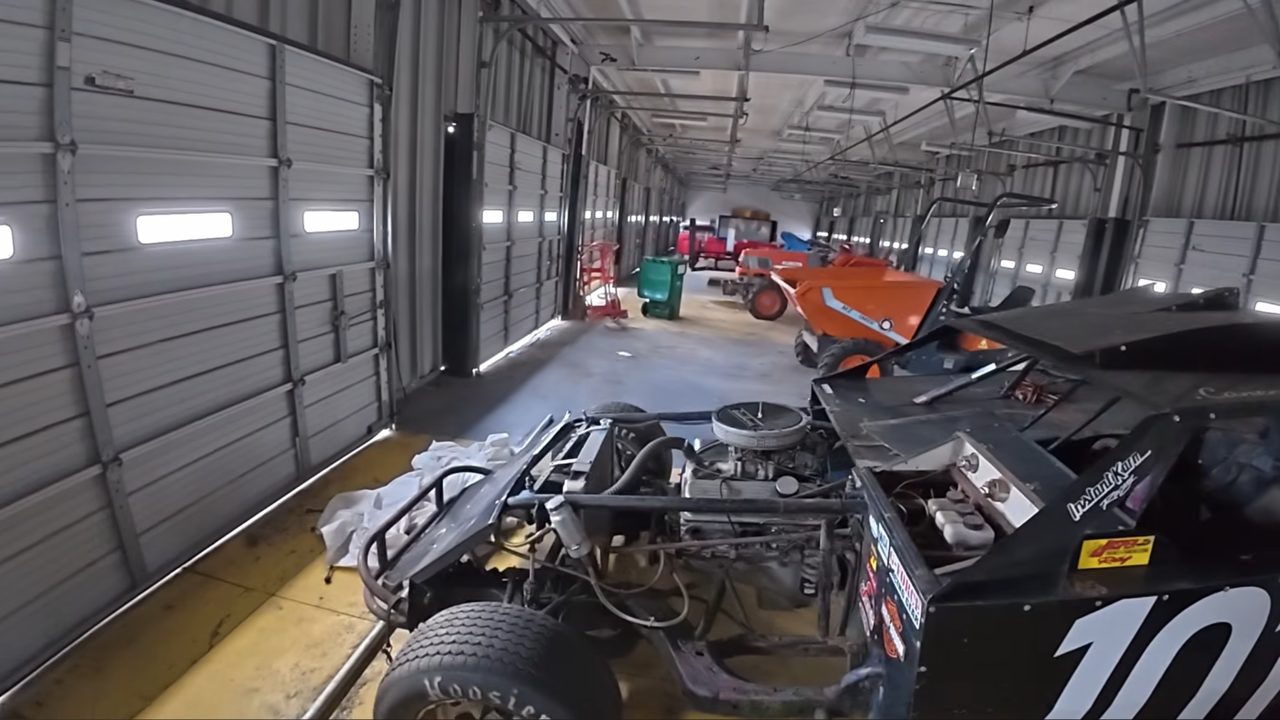
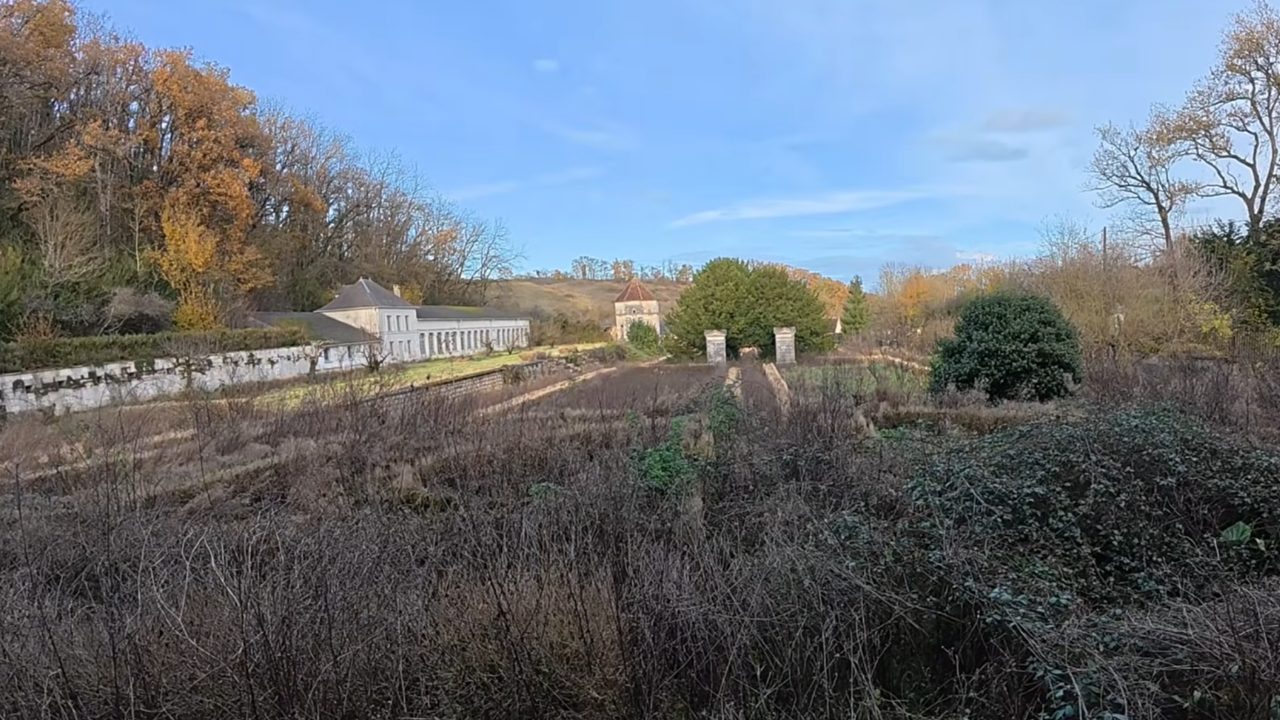
This channel sticks to the abandoned building end of that list. It covers a NASCAR speedway in Kentucky, a manor house in rural France and a car dealership with 21 cars left inside. The appeal of the channel is doing things you’re not supposed to, in a respectful way. Documenting is the point. I film on a 4K DJI action camera, and I carry one good flashlight, because most flashlights, including brand name ones, aren’t bright enough.
What is the code of urbex?
Leave every place exactly as you found it. No stealing, no vandalism, no spray paint. Take only pictures, leave only footprints. That’s my version, and the idea is older than this channel. The Austin Chronicle’s 2005 review quotes Chapman’s book as proposing an ethos of “take nothing but photos, leave nothing but footprints.” The Varsity says he wrote frequently and seriously about ethics, particularly “not breaking anything, taking anything, defacing anything, or even littering while exploring.” The Week’s advice to newcomers is shorter. Don’t take souvenirs. It also cites the adage “take nothing but photographs, leave nothing but footprints.”
The versions differ in wording but not in direction. Nothing leaves with you, and nothing is left different because you were there. A Chicago area explorer quoted by Medill Reports said that urbexers “preserve certain places,” and the same story quoted another saying that scrappers and graffiti artists tend to destroy things. The code is the line between those two groups.
Is urbex legal?
It depends on the state and on whether you have permission. Trespassing is a state matter, so the same act can be a crime, a lawsuit or both depending on where the building is. Nolo says criminal statutes and penalties vary by state, that criminal trespass is often a misdemeanor or an infraction and in many states can be a felony, and that an owner can also sue a trespasser for money. It describes criminal trespass as going onto property knowing you don’t have permission to be there. Illinois is a clear example. Under 720 ILCS 5/21-3, a person commits criminal trespass to real property by knowingly and without lawful authority entering or remaining within or on a building, and FindLaw’s copy of the statute shows that offense is a Class B misdemeanor. This is not legal advice. For what applies where you live, ask a lawyer in your state.
Why do explorers hide locations?
I hide most of mine on purpose. A spot labeled “Chicago” may not be in Chicago, and when people ask for a location, which they always do, I don’t give it out.
I’m not the only one. Medill Reports, from Northwestern University, described Chicago area explorers sharing sites by word of mouth because “any public forum would quickly be disbanded by authorities.” An explorer told Chicago Tonight that once a spot is shared, “within a week, scrappers will be there and clean it out.” A 2016 paper in the International Journal of Heritage Studies argues that most explorers avoid attention that may lead to vandalism or “touristification,” that they prefer not to disclose exact locations, and that this is a way of “preserving by not preserving.”
Attention can also bring in the sheriff. In August 2025, a Kentucky sheriff said that since videos from a former NASCAR track were posted, his office had “charged and arrested dozens of individuals for trespassing and burglary.” He also said the track is not abandoned. WHIO reported that driving schools still use it and that other parts of the property are rented to other companies.
What does “bando” mean?
“Bando” is slang for an abandoned building, and you’ll hear it on this channel. Green’s Dictionary of Slang lists it as US Black slang and defines it as “an abandoned house used for drug storage or processing.” The earliest of its citations is a 2012 song, and the later ones include two UK songs, from 2018 and 2021, so the word has traveled well beyond where it started. One of the citations, a 2015 web annotation, says it started in Atlanta.
Urban explorers borrowed it. Medill Reports used the plural in 2018 for a Chicago area explorer who takes photos and video while exploring “bandos.” On this channel it only means an abandoned building, with no connection to the dictionary’s drug related sense, and it is shorthand for the same thing the rest of this page calls an abandoned building. The dictionary’s meaning does point to something real. A building that looks abandoned may still be in use, by someone you don’t want to meet.
What does this look like in practice?
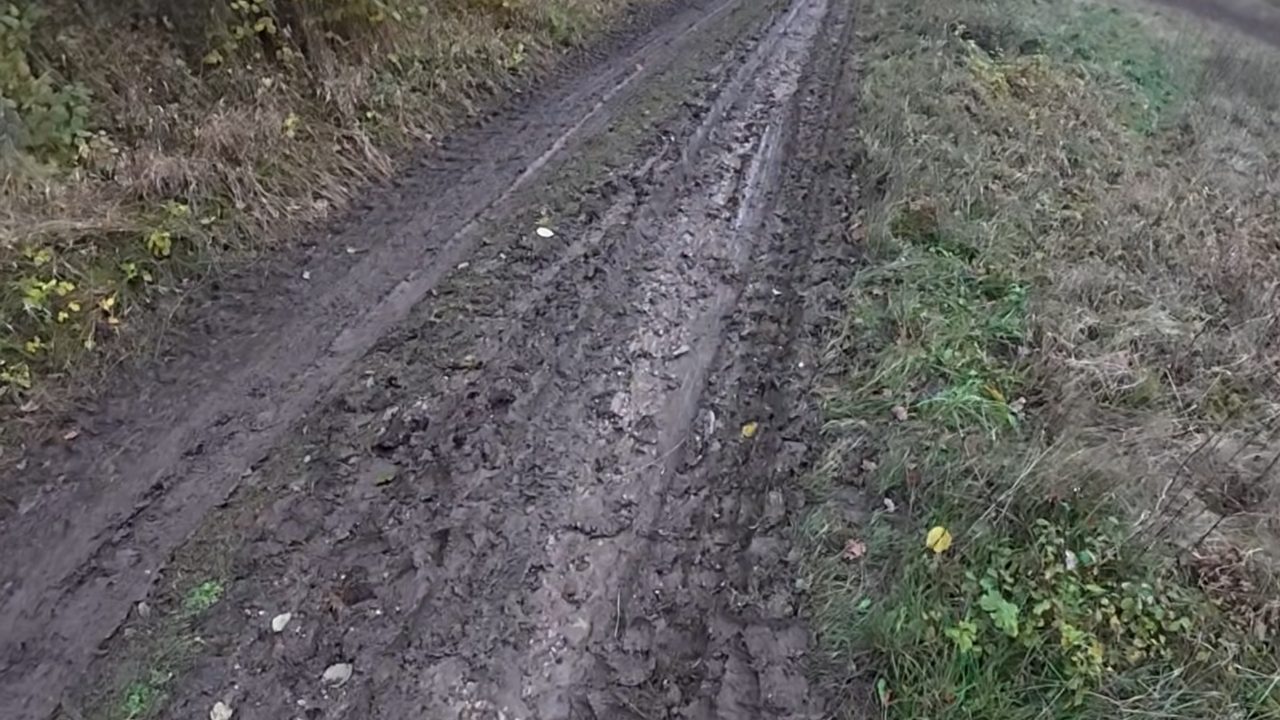
The French manor house is a good example of how little the word “abandoned” settles. We read the road in as unused, with deep tractor ruts, no tire tracks and a 25 minute walk from where the car gave up. Then came two walkers, a truck, a tractor and a car that drove by slowly. By the time we got back toward the gate, the owner had parked and was walking in to work on the place, with a dog, and he followed us all the way to the car. One barn had a new roof and fresh lumber, and the grass by the coop had been cut. That house isn’t finished being abandoned.
Kentucky Speedway sits at the other end. The gates are locked, the paint is peeling off every bench in the grandstands, and a race car is parked in a team garage. It is also the track the sheriff says is not abandoned.
The physical risks are as real as the legal ones. The Chicago explorer on Chicago Tonight told newcomers to watch for holes in the floor, bad walls and bad roof areas. Asbestos in old insulation and tile, and mold in anything that has been wet, are the two hazards I wrote separate pages on. How I find my own spots, stay safe and film without burning locations is what my guide, How to Find Abandoned Places, covers.
What I carried in
Same list as every video description.
Sources
- Urban Exploration: what is it, who does it and is it legal?, The Week, Jul 27, 2015
- Access All Areas, Peter Geoghegan, London Review of Books blog, Mar 2012
- Infiltration instigation, The Varsity (University of Toronto), Nov 7, 2005
- Curling Up: Access All Areas, The Austin Chronicle, Dec 9, 2005
- Urban Explorer Photographs Chicago's Abandoned Sites and Buildings, Chicago Tonight, WTTW
- Forgotten Sanctuaries: Urban Exploring in Chicagoland, Medill Reports Chicago, Oct 31, 2018
- Heritage views through urban exploration: the case of 'Abandoned Berlin', International Journal of Heritage Studies, 2016
- Dozens charged for breaking into racetrack that used to host NASCAR races, WHIO, Aug 21, 2025
- 720 ILCS 5/21-3, Criminal trespass to real property, Illinois General Assembly
- Illinois Statutes Chapter 720. Criminal Offenses § 5/21-3, FindLaw
- Criminal Trespassing Law, Nolo
- bando, Green's Dictionary of Slang
More like this



The footage that never goes public lives on Patreon. It's paid, and it's where the rough cuts, the security run-ins and the early releases go.