, exact location withheld
Urbex Etiquette and the Code Explorers Follow
The urbex code in plain terms. Leave it as found, take nothing, mark nothing, treat cemeteries as graves and keep locations private, with Illinois law.
The urbex code is short. Leave every place exactly as you found it, take nothing, break nothing, mark nothing, and keep the location to yourself. The line at the bottom of every page on this site is take only pictures, leave only footprints.
This is entertainment and general information, not legal advice. Nothing here is a reason to enter anything, and every rule below is the minimum, not a license.
What is the code, exactly?
My version has four parts. No stealing, no vandalism, no spray paint, and leave the place as it was. The appeal of the channel is doing things you’re not supposed to do, in a respectful way. The respect is the whole point.
None of that was invented by urban explorers. The National Park Service’s seven principles of Leave No Trace say the same thing under Leave What You Find. They tell visitors to examine, photograph, but not touch cultural or historic structures and artifacts. They also say not to build structures or furniture. That is a rule written for trails and ruins, and it works inside a church or a school just as well.
Why not take a souvenir?
Because it has an owner, and the law treats it that way. Illinois defines theft as knowingly obtaining or exerting unauthorized control over property of the owner. A building that looks abandoned still belongs to somebody, such as an estate, a bank or a church body. Things inside it belong to them or to the family who left them.
Theft inside a school or a place of worship is treated more seriously. The statute raises theft of up to $500 from a misdemeanor to a Class 4 felony when it happens in a school or a place of worship. A lot of abandoned buildings are exactly those two kinds of place, and I’ve filmed plenty of both.
Scrapping is the same thing done for money. In the Highland Park mansion one shower had already had its copper pulled and other copper was still waiting, and in the Northern Illinois church someone had been scrapping the air conditioning units. I wrote about why it happens in What Are Scrappers. It’s the opposite of the code, and it’s the reason a lot of places look worse every year.
What counts as vandalism?
Anything that damages what isn’t yours, which includes paint. Illinois says a person commits criminal damage to property when they knowingly damage any property of another. The statute doesn’t mention graffiti by name, so it falls under that general wording. Damage that doesn’t exceed $500 is a Class A misdemeanor, and damage of up to $500 to a school or place of worship is a Class 4 felony.
You will see a lot of spray paint in these buildings, and none of it makes yours acceptable. The $1,000,000 mansion has graffiti inside the house, and on one wall someone crossed out the family’s original writing. The Native American resort mansion had none at all, even though people had broken things and the place sits in the middle of nowhere. I noticed that and said so in the video.
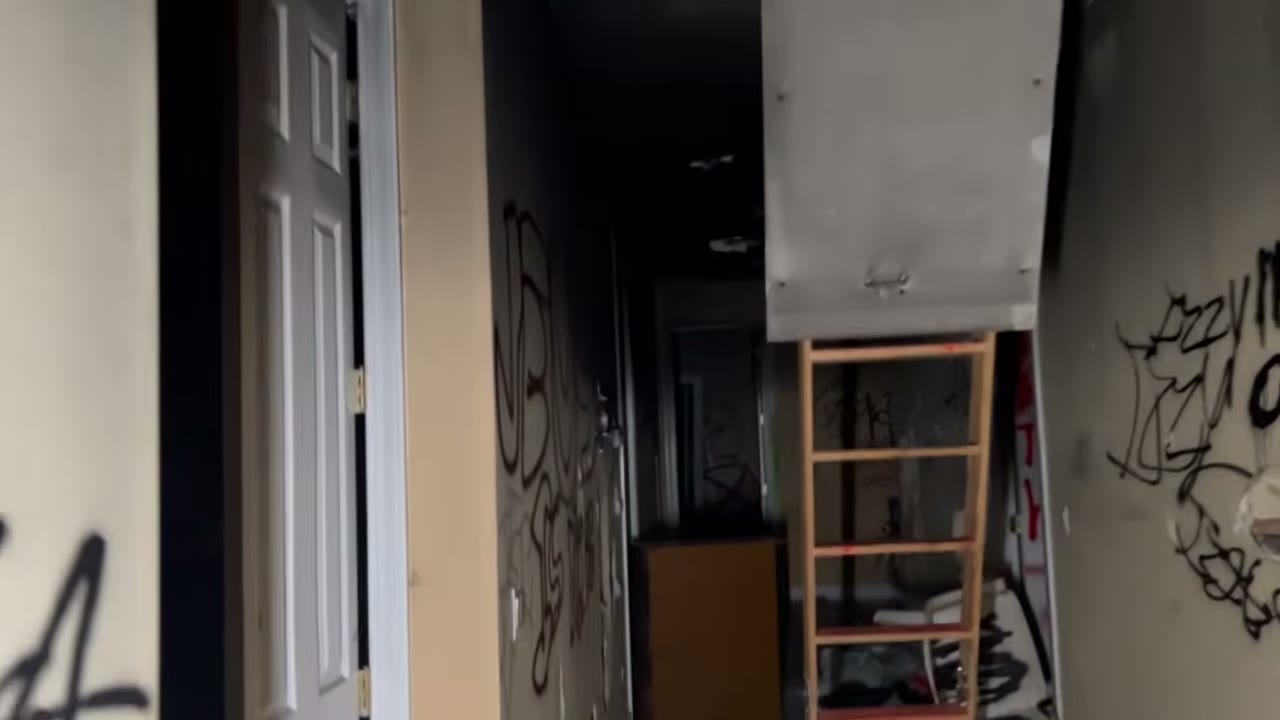
A smaller version of the same rule applies to the structure. In the same mansion the drywall had rotted away so badly in one spot that you could push right through it. I said I didn’t do that, it was already like that, and I was only showing how it was open. Showing a hole is different from making one.
What do you do with someone’s belongings?
Look and leave them. That includes papers. The FTC tells people to shred documents before they throw them out, because identity thieves use Social Security numbers, account numbers and names to run up bills. A box of statements in a dead building is somebody’s private life that nobody shredded. Don’t take it, don’t read it out loud on camera, and don’t leave a name or number readable in your footage.
The mansion with the owner who passed away is a good test. Clothing, toys, a Christmas tree and rooms that looked like children’s rooms were still there, and the whole house told a story about a family. One wall had the original words family only, and somebody had crossed them out. That is what the place looks like after strangers have been through it.
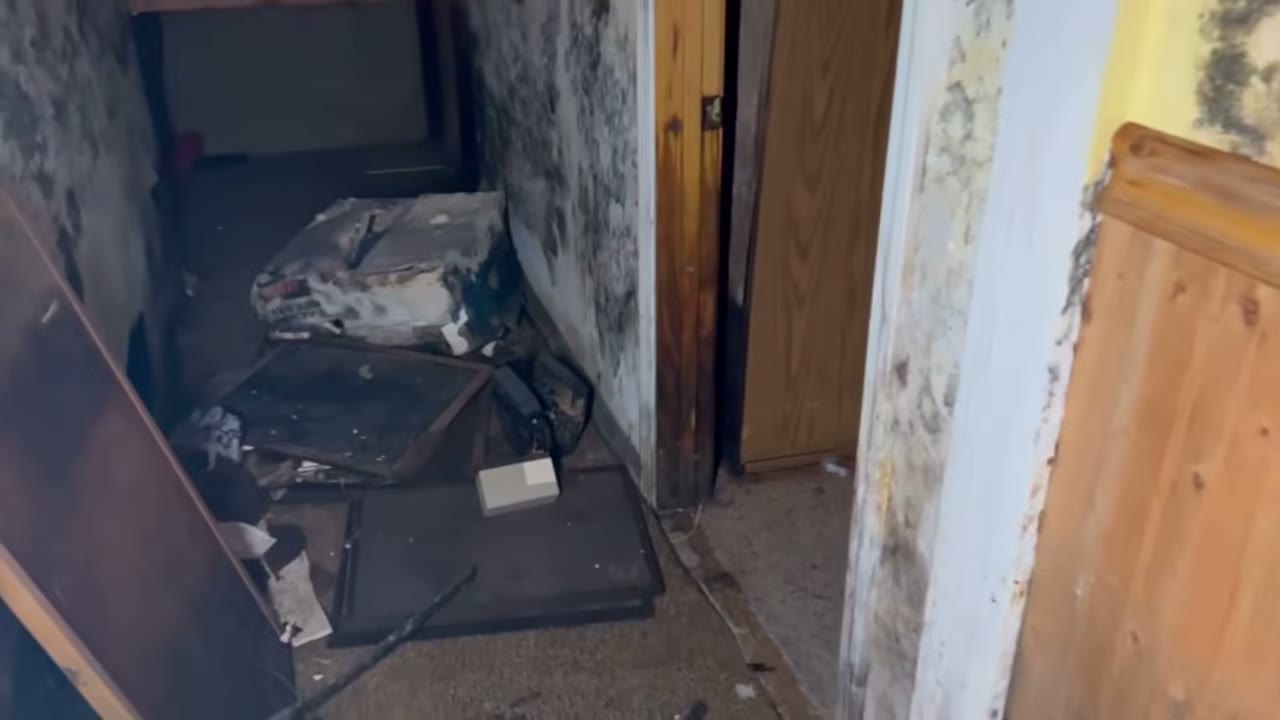
How do you treat a cemetery?
As a cemetery. Illinois has several laws on this, and the state’s Historic Preservation Division lists them. The Cemetery Protection Act makes it illegal to vandalize, obliterate, or desecrate a burial ground. The Human Remains Protection Act covers unregistered graves and markers more than 100 years old and protects them from all disturbances, including excavation. The state’s FAQ adds that it became illegal to remove grave markers after 1990, that probing for buried markers is illegal, and that no grave may be disturbed without a permit from the Department of Natural Resources.
Abandoned doesn’t mean unowned. The same FAQ says a cemetery counts as abandoned when there have been no burials for thirty years, and that the care of abandoned, inactive cemeteries tends to fall to the family or the landowner. It also says you should always ask permission to enter private property to reach a cemetery.
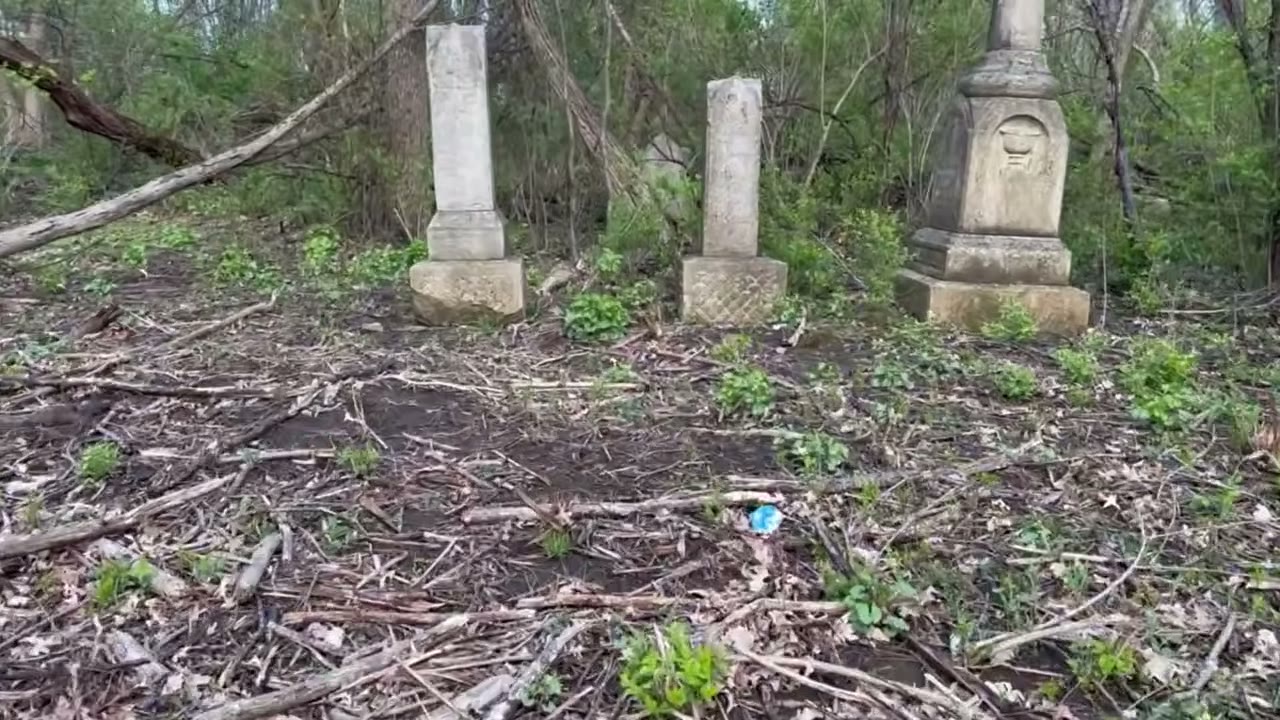
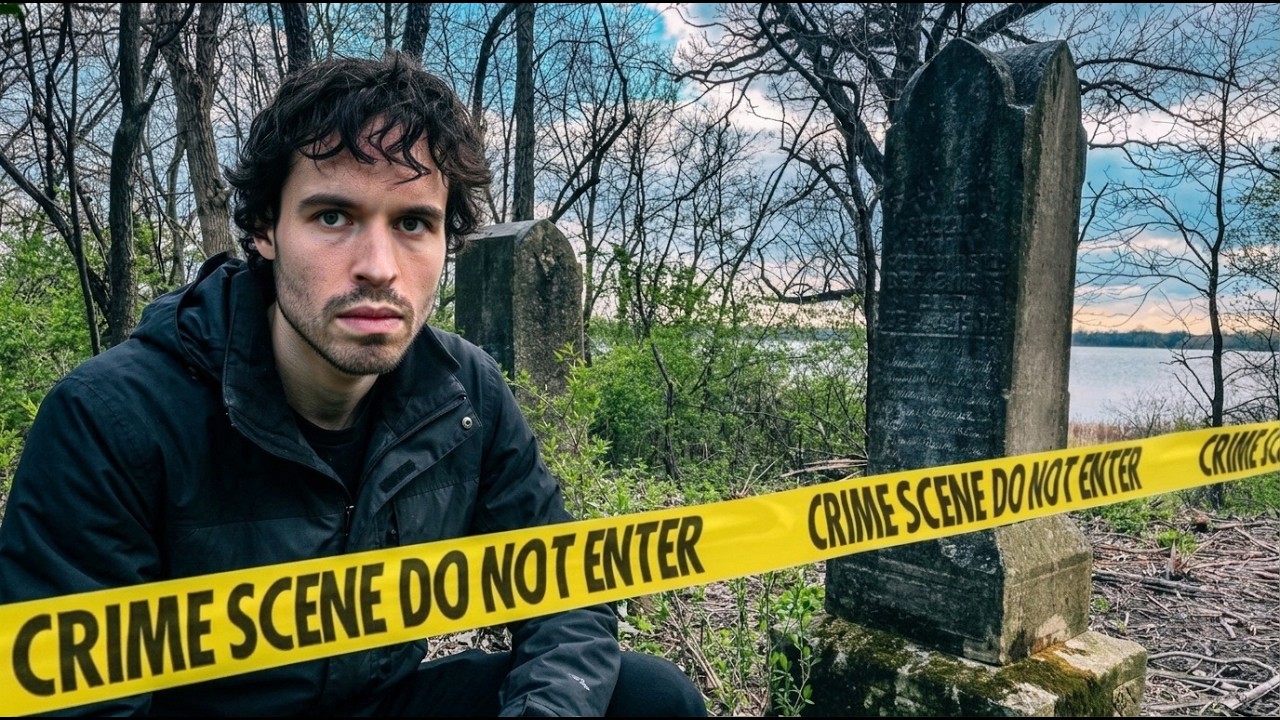
As for behavior, New York State Parks keeps it simple. It says rubbing is a no and to take a photo instead, asks visitors not to touch markers, and reminds them that cemeteries are sacred spaces, so keep the noise down. In the hidden cemetery video the stones were overgrown, some were broken, and one was hard to read in person but easier on camera. That is a good reason to photograph a stone and leave it alone.
Why do explorers keep locations to themselves?
Because naming a place can bring people who steal from it or tear it up. I hide most locations on purpose, and a spot labeled Chicago may not be in Chicago. People always ask for locations and I don’t give them out. The posts on geotagging, spots and gatekeeping cover the arguments on both sides.
The racing shop is the cleanest example. In that video I don’t say the name of the racer or the shop, on purpose. It keeps people from stealing from the place or tearing it up.
What about people, animals and noise?
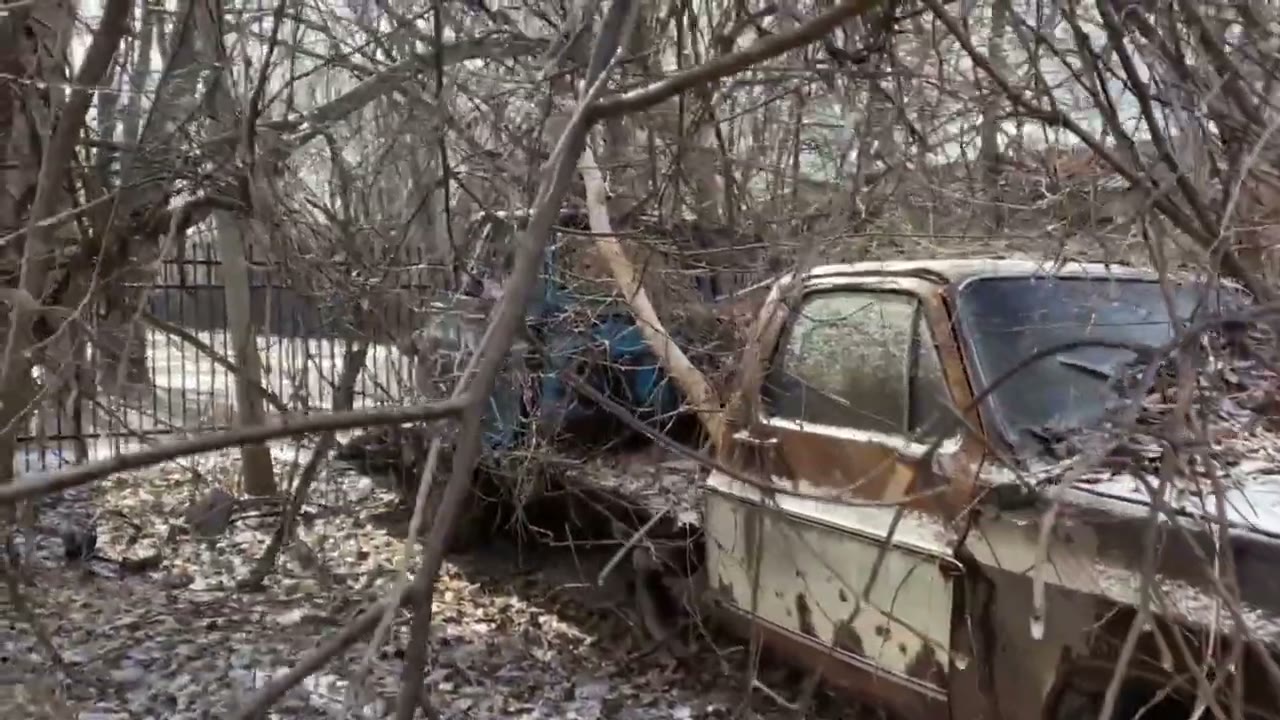
Treat them as the reason you’re a guest. If a place shows signs that someone lives there, it isn’t yours to explore, and What to Do If Someone Is Living in an Abandoned Building covers it. Illinois also makes it an offense to remain on the land of another after receiving notice from the owner or occupant to depart, and What to Do If Police Show Up While Exploring goes through what to say.
Animals are the same. Leave No Trace says to observe wildlife from a distance and never follow or approach them, and never to feed them. It also says to avoid loud voices and noises. A cellar with bats or a roof full of pigeons is their home first, and I covered the health side in Raccoons, Bats and Other Wildlife in Abandoned Buildings.
What does this look like in practice?
Mostly it looks like doing less. In the mansion I said the open drywall was already like that. In the cemetery I filmed the stones and kept the location off the page. In the racing shop video I left the name out. None of it takes skill. It takes the decision to leave a place the way it was and go home with pictures.
How I plan explores and film without burning locations is in my guide, How to Find Abandoned Places.
If you wouldn’t do it in someone’s living room, don’t do it here.
Sources
- Leave No Trace Seven Principles, National Park Service, Jun 16, 2022
- 720 ILCS 5/16-1 Theft, Illinois General Assembly
- 720 ILCS 5/21-1 Criminal Damage to Property, Illinois General Assembly
- 720 ILCS 5/21-3 Criminal Trespass to Real Property, Illinois General Assembly
- Know Your Rights, Laws Governing Illinois Cemeteries, Illinois Historic Preservation Division
- Cemetery Preservation Frequently Asked Questions, Illinois Historic Preservation Division
- Cemetery Etiquette for Spooky Season, New York State Parks, Oct 6, 2023
- Identity Theft, Federal Trade Commission
More like this


The footage that never goes public lives on Patreon. It's paid, and it's where the rough cuts, the security run-ins and the early releases go.