, exact location withheld
What Does Gatekeeping Mean in Urbex?
Gatekeeping in urbex means keeping locations to yourself. Why explorers do it, what researchers and police say, and the fair case against it.
Gatekeeping in urbex means keeping a location to yourself, refusing to say where a place is or who found it, and sometimes deciding who counts as a real explorer. The first meaning is protective and the second is mostly about status, and people use the word for both.
I do the first kind on purpose, and people ask me for locations all the time. This post explains why I say no, what the research and the police say about it, and the fair case against it. It’s general information and entertainment, not legal advice, and none of it is a reason to enter a building.
What are the two kinds of gatekeeping?
The first kind is about the building. An explorer finds a place and doesn’t tell anyone where it is, because attention can ruin it. That’s what I mean when I say I hide locations. A spot I label “Chicago” may not be in Chicago.
The second kind is about people. It’s the explorer who treats a place, a skill or a rulebook as something outsiders haven’t earned. A 2021 study in Library Trends hints at how that works. Its author interviewed 17 explorers, mostly in Ireland, and found they disagreed about staging and editing photos. Some valued natural, unaltered images and others preferred dramatic effects, and those choices affected their standing within the community. That’s the status side that the second meaning points at.
The study also found that most participants, 65 percent, used code names online, and that some withheld site names to keep places for themselves. So some secrecy is protective and some is about ownership. They look the same from the outside.
Why do explorers keep locations secret?
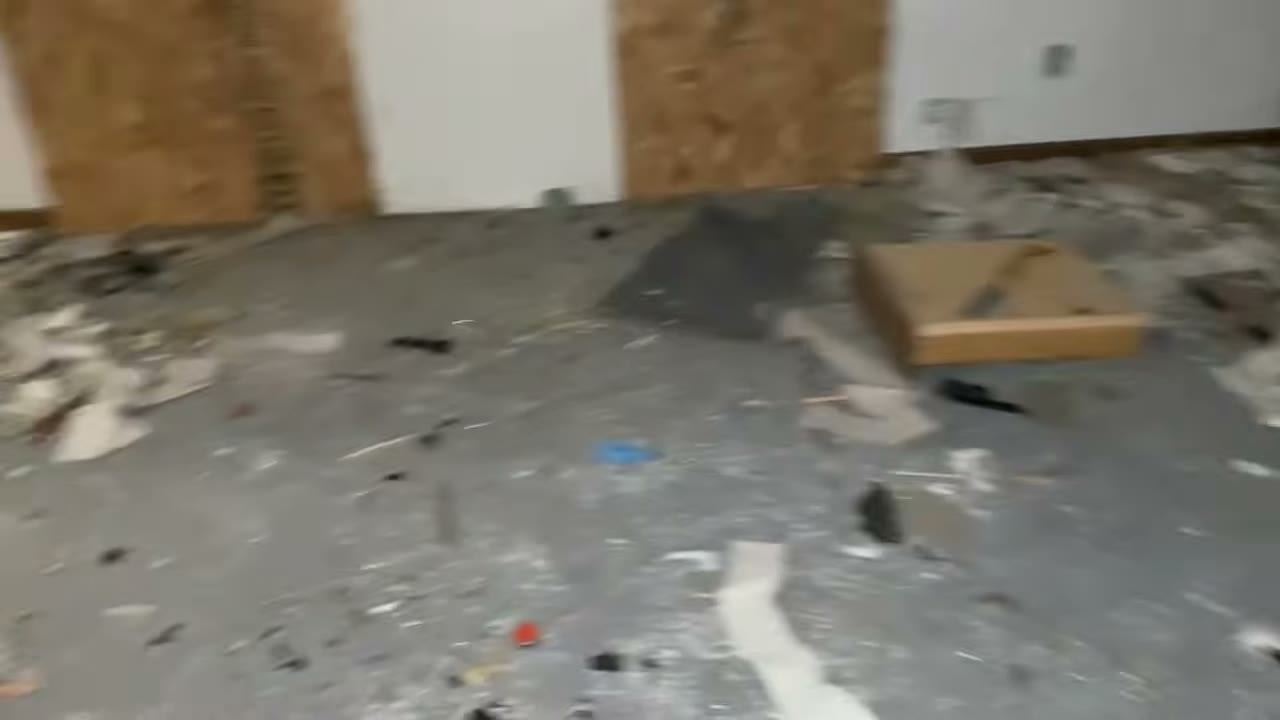
Because the places don’t survive attention well, and explorers have watched it happen. In my radio station video I say it plainly. At 1:38 I call a wrecked room “a perfect example on why we don’t like to give out locations because people punch holes in the walls, steal the copper, steel items inside, spray paint.” A little later I add that sometimes it’s done by locals and other times it isn’t.
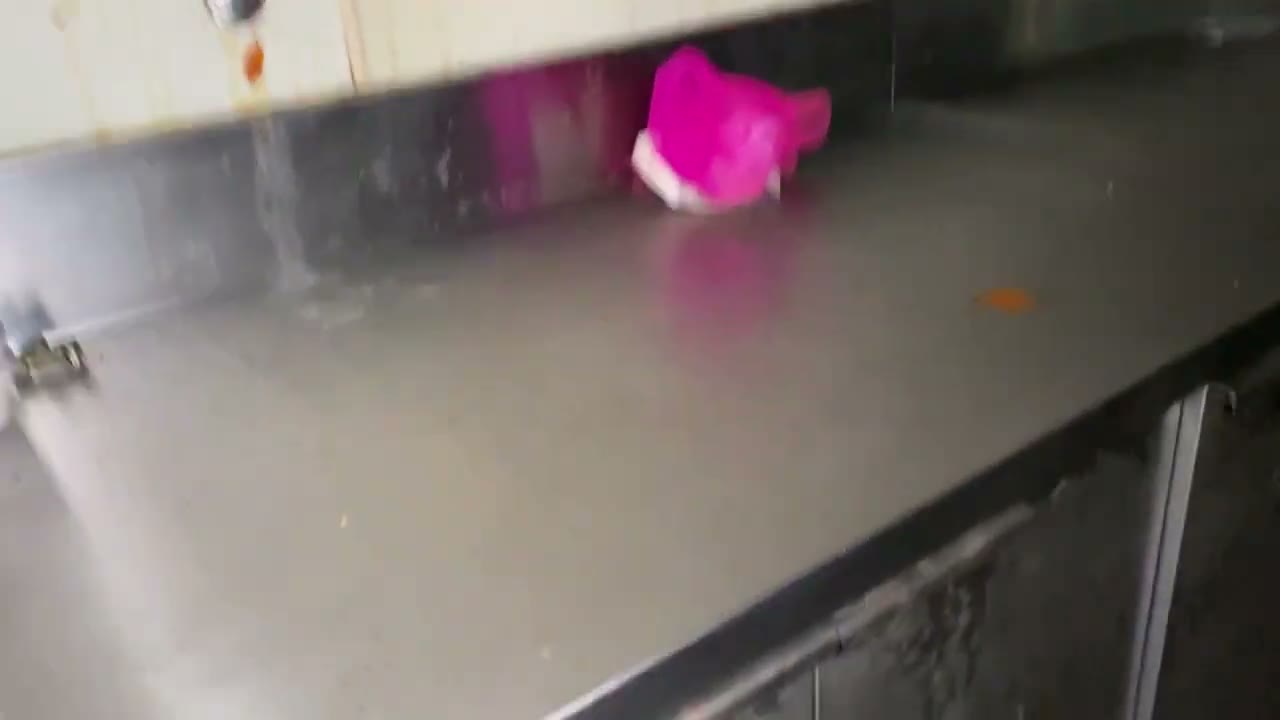
In the diner video I open by saying I won’t disclose the location so it stays well preserved, and the place is in pretty good shape for sitting empty since about 2012.
Chicago explorers say the same thing in print. Rick Drew, who leads Chicagoland Urbex Photography, told WTTW that explorers often withhold locations because scrappers strip sites, and that if a location is posted publicly, “scrappers will be there and clean it out.” My post on what scrappers are covers who they are and what they take.
The habit is old. A 2008 profile in The McGill Daily said many explorers use fake names and avoid or resent media attention, which they feared could permanently close access to sites. One Montreal photographer in the piece said, “More people are doing it, getting caught. It makes a difference.”
What does research say about secrecy?
Researchers found it’s the default for most explorers. A 2016 study of explorers in Berlin, published in the International Journal of Heritage Studies, split them into two groups. The majority, which it calls performative explorers, value the thrill and their own stories over a site’s history. They avoid attention that could bring vandalism or tourism, which the author calls “preserving by not preserving,” and they usually don’t reveal exact locations.
The minority, which it calls communicative explorers, research a site’s history and current condition and publish it. That’s the fair case against gatekeeping, and I’ll get to it.
Bradley Garrett’s 2012 doctoral thesis on a London exploring crew, deposited at Royal Holloway, describes a London group as a “crew” inside a wider international “scene.” The thesis is an insider account, and the repository page says little about the group’s internal rules.
Does posting a location really get a place wrecked?
It gets a place watched, and sometimes charged. Eric Holubow, an author who photographs abandoned places, told The Columbia Chronicle that explorers’ online visibility can bring more visitors to a site, which can lead to heightened security.
There are recent Chicago area examples. In July 2025 Bloomingdale police warned people to stay away from a closed hotel and country club amid a TikTok trend. They said security monitors the property around the clock and calls police when someone enters, and that two people had been charged with criminal trespass that week. Police also said that in 2023 juveniles and young adults had damaged windows, walls and doors there.
In Minneapolis in August 2026, a police sergeant said that social media posts can serve as evidence, and that “it literally records evidence of their activities.” In Pontiac, Michigan, in 2017, deputies arrested two men inside a school, and one had written his Instagram username on a blackboard inside.
I’m not claiming a post caused any of those. The sources don’t say how each place was found. The pattern is that attention and enforcement tend to arrive together, which is the argument for keeping quiet. My posts on geotagging and on what burned means cover how a spot gets exposed, and what a fed spot is covers the places that are already watched.
What’s the case against gatekeeping?
The best argument is that secrecy hides places that people could care about. The Berlin study’s author argues that the communicative explorers’ documentation makes abandoned places visible and supports debate about preservation. A hobby where nobody shares anything leaves less of a public record for anyone to argue from.
The Library Trends study found the other side of that. Hidden practices mean only a small share of explorers’ photographs ever appear publicly.
Critics also raise a fairness problem. A newcomer who can’t ask anyone learns on the job, and the job includes floors that give way and air that isn’t safe. Keeping the location back is different from keeping the method back, and what I keep back is the location.
That’s why I put the method in writing. How I find my own spots, stay safe and film without burning locations is in a $9.99 PDF called How to Find Abandoned Places. It teaches the process instead of handing out a pin.
What does gatekeeping look like in my videos?
It looks like vague titles. The titles on my videos say Chicago, Illinois or the Midwest, and that doesn’t mean the building is where the title points. People always ask for locations, and I don’t give them out.
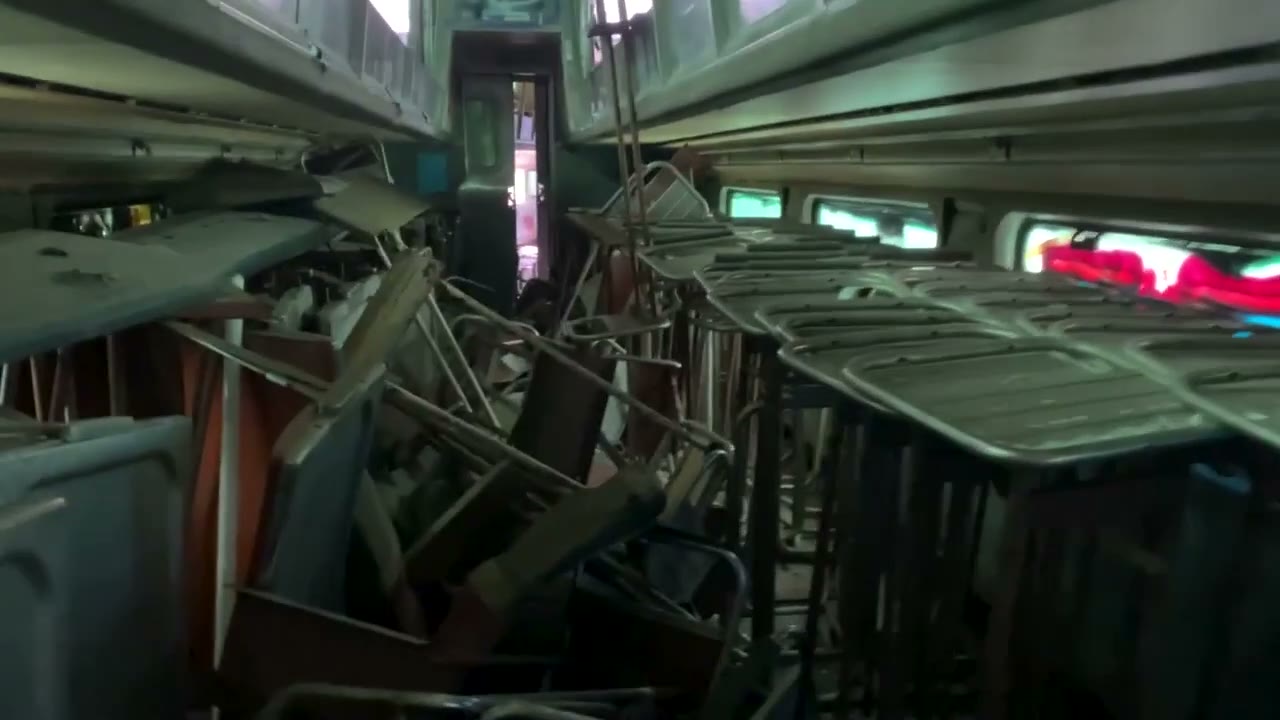
Take your pictures, leave everything where it was, and keep the address to yourself. That’s the code.
Sources
- Urban Exploration, Traces of the Secretly Documented, Decayed, and Disused, Library Trends, Vol. 69 No. 3, 2021
- Heritage views through urban exploration, the case of Abandoned Berlin, International Journal of Heritage Studies, University of Glasgow repository, 2016
- Urban Exploration, The McGill Daily, Nov 24, 2008
- Urban Explorer Photographs Chicago's Abandoned Sites and Buildings, WTTW, Jun 17, 2016
- No Trespassing, The dangers and thrills of urban exploration, The Columbia Chronicle, Nov 6, 2017
- Bloomingdale police issue warning on trespassing amid ongoing TikTok trend, NBC Chicago, Jul 26, 2025
- Urban exploring, Minneapolis police and fire warn of dangers, MPR News, Aug 5, 2026
- Two urban explorers arrested after breaking into shuttered school, CBS Detroit, Dec 28, 2017
- Place Hacking, Tales of Urban Exploration, Royal Holloway repository, May 24, 2012
More like this


The footage that never goes public lives on Patreon. It's paid, and it's where the rough cuts, the security run-ins and the early releases go.