, exact location withheld
What Is a 'Fed Spot'? The High-Risk Places
'Fed' spot is explorer slang for a high-risk location, not a federal one: cameras, alarms, police, owners who prosecute, or a building that can fail.
A “fed” spot is explorer slang for a high risk location, and the word has nothing to do with federal property. People hear “fed” and think FBI. That’s not it. When an explorer calls a place fed, they mean it’s high risk, and the risk can come from people, from the building, or from both. Everything on this page is entertainment, not legal advice, and the risk it describes is real.
What makes a spot high risk?
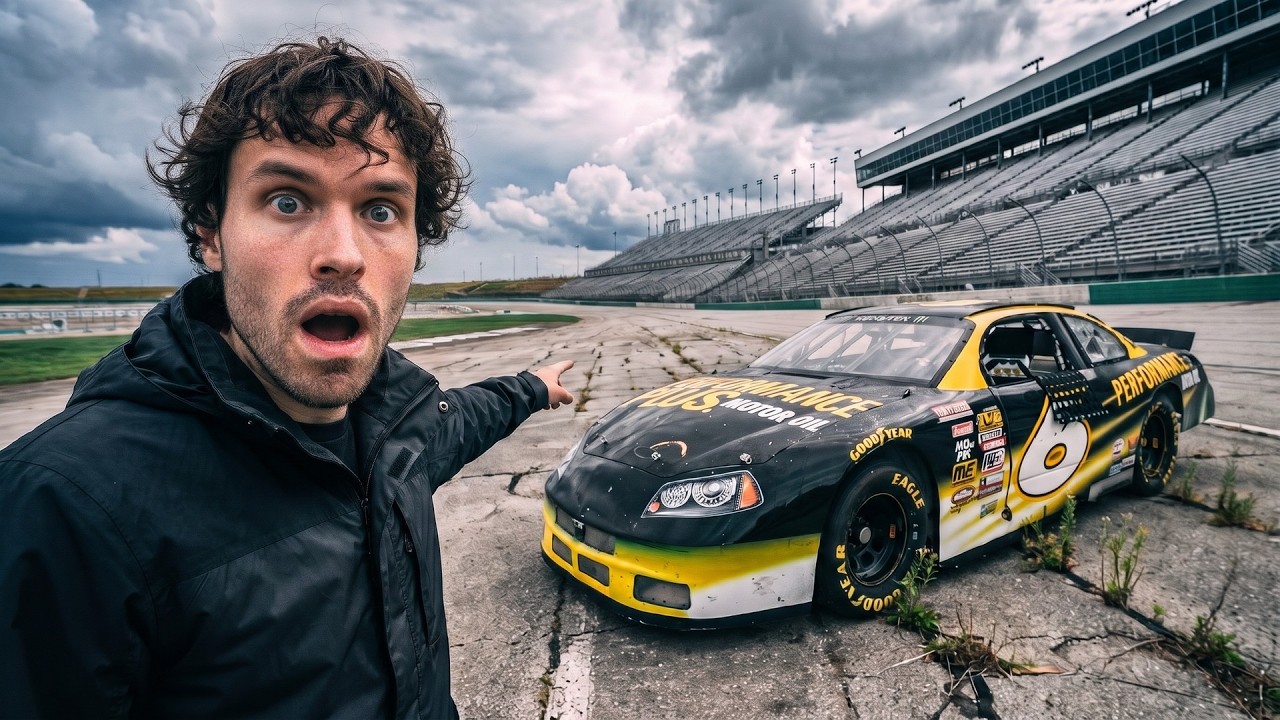
Six things, and they stack. I’m using the Kentucky Speedway post for examples. That post doesn’t use the word fed. I’m only using the facts documented there and in the news reports behind them.
Active security. Someone is paid to watch the place, whether that’s guards, patrols or a company that answers when something trips.
Cameras. The Speedway had more security cameras than I’ve seen at any single location, at least 20 across the property. The other camera on a property is the action cam I’m filming with, and where its footage ends up is the second half of this page.
Alarms. A tripped sensor sends someone to the building.
Police attention. In August 2025 the Gallatin County sheriff said that since videos were posted from the Speedway, his office had “charged and arrested dozens of individuals for trespassing and burglary.” He also said the track “is NOT abandoned.” Driving schools still use it and other parts of the property are rented out, WHIO reported.
A dangerous structure. This one needs no camera. In December 2010 a roof collapsed during a fire at an Illinois commercial building that its owner had abandoned more than five years earlier. Two firefighters died and 19 were injured, and the CDC’s NIOSH investigation noted the building “was not marked with any type of sign or warning information.” Nothing posted told anyone what the inside could do. I carry one good flashlight because most flashlights, including brand name ones, aren’t bright enough. Even a good light shows you the floor, not what’s holding it up.
Owners who prosecute. Some owners tell you to leave. Others press charges. The sheriff’s warning was blunt. “You will be prosecuted for your actions should you choose to ignore the property owner’s rights.” Owners also show up in person. At the French mansion the owner turned up, said little we could understand, and followed us to the car. In Illinois, knowingly entering or remaining in a building without lawful authority is criminal trespass to real property, a Class B misdemeanor under 720 ILCS 5/21-3. That’s the statute as written, not advice.
How do explorers rate the risk?
There’s no official scale. Nobody certifies a place as fed. The word is shorthand and the rating is a judgment call. It comes down to two questions. How likely is it that someone responds? And how bad is it if they do, or if the building gives way?
One camera on a loading dock is a caution. Cameras, alarms, a patrol and an owner who presses charges is a different category. A building with no security at all can still be high risk if the floors are rotten. The more of the six are true at once, the higher the rating, and the likelier someone is to call the place fed.
Ratings also go stale. A place that was quiet last year can have a new owner and new cameras this year, so a secondhand rating is only as good as its date. How I find my own spots and stay safe is the long version, and it’s in my guide, How to Find Abandoned Places.
Why are fed spots the ones people want to see?
Because almost nobody gets to see them. A place with active security and a record of charges is not a place anyone wanders into for fun, so the footage is the only way most people will ever see inside. The appeal of this channel is doing things you’re not supposed to, in a respectful way, and a fed spot is the far end of that. It’s also where “don’t recreate this” matters most.
Why do fed spots mostly end up on Patreon?
Patreon is where the rough cuts, the times security shows up and the early releases go, and a place with active security is where security shows up. That’s why fed spots mostly land there instead of on the public channel.
Public video has its own cost. The sheriff’s statement above is the example. The charges came after the videos were posted. A public video is public to everyone who watches it, including the people who work at the property.
The risk is real
Knowingly entering a building without lawful authority is a crime in Illinois. Roofs fail on trained crews. A sheriff charged dozens of people. None of that is legal advice, none of it is instructions, and nothing on this channel should be recreated.
What I carried in
Same list as every video description.
Sources
- Dozens charged for breaking into racetrack that used to host NASCAR races, WHIO, Aug 21, 2025
- Two Career Fire Fighters Die and 19 Injured in Roof Collapse during Rubbish Fire at an Abandoned Commercial Structure, Illinois (F2010-38), NIOSH, Jul 6, 2011
- 720 ILCS 5/21-3, Criminal trespass to real property, Illinois General Assembly
More like this


The footage that never goes public lives on Patreon. It's paid, and it's where the rough cuts, the security run-ins and the early releases go.