, exact location withheld
What Is Geotagging and Why Urban Explorers Avoid It
Geotagging attaches a location to a photo or post. How coordinates hide inside files, what the Army and park managers say, and why I never post where a spot is.
Geotagging is attaching a location to a photo, video or post, either by adding a place tag on purpose or through coordinates your phone writes into the file on its own. Urban explorers avoid it because a location is the one thing that can’t be taken back once it’s public.
This is entertainment and general information, not legal advice. I hide most of my locations on purpose. A spot labeled “Chicago” may not be in Chicago, people always ask where something is, and I won’t give it out.
What are the two kinds of geotag?
There’s the one you add and the one you don’t know about.
The first is the place tag. You type a name or drop a pin, and everyone who sees the post sees the pin. That’s a choice, and it’s the easy one to avoid.
The second is hidden in the file. The Army wrote about this in 2012, and the piece quotes Steve Warren, a deputy G2 at Fort Benning, saying “For every picture you take with that phone, it will automatically embed the latitude and longitude within the photograph.” The Army article adds that someone with the right software could download a photo and extract the coordinates from its metadata. It was written for soldiers and their families, but the file doesn’t know who took it.
That’s the part that catches people. A photo can carry a location even when the caption says nothing.
What does the Army tell people to do?
Its advice is plain, and all of it applies here. The article recommends turning off the phone’s geotagging feature and checking the security settings on social media to see who can view your check ins. It also suggests asking a simple question before adding a location to a post. In the words of one officer quoted there, “Who really needs to know this location information?”
The Army also says not to befriend people you’ve never met in person, since a location shared with a friends list is only as private as the list. That one matters more than it sounds. Plenty of people who ask where a spot is are fans, and some of them are fine, but a post that goes to a crowd of strangers has gone to a crowd of strangers.
For an explorer the honest answer is nobody. A viewer doesn’t need an address to enjoy a building, and a building doesn’t get safer when more people know where it is.
I’d add one thing the Army doesn’t cover. Settings change, apps update and every platform handles files its own way, so I don’t rely on any app to clean a file for me. I check what I’m about to post.
Why do explorers hide locations?
Because of what happens to places after strangers find them. I’ve said it in my own videos.
In the radio station video I said it was a perfect example of why I don’t like to give out locations, because people punch holes in the walls, steal the copper and steel items inside, and spray paint. The place had been hit hard. I was standing in rooms with holes in the walls.
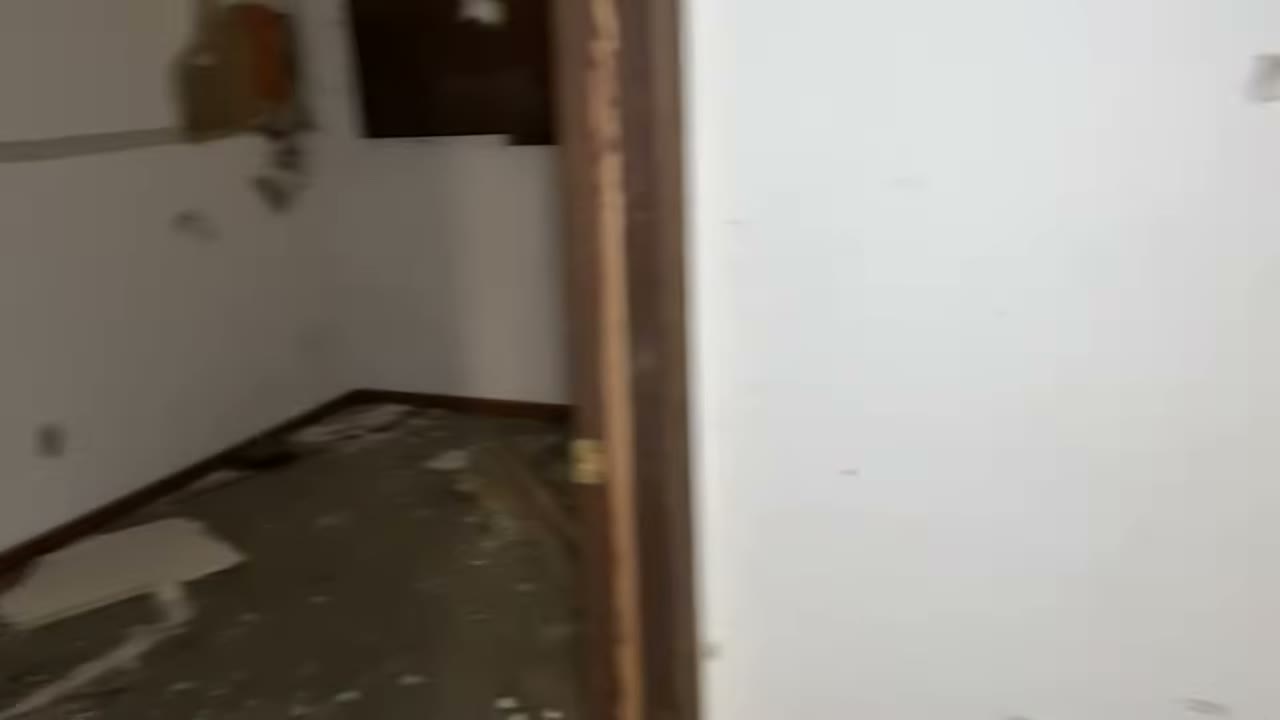
At the Girl Scout camp I said the damage was a perfect example of why we don’t give out locations. The video notes that somebody had taken the wood off the openings multiple times. It’s disappointing to film, and it’s why that video doesn’t say where the camp is.
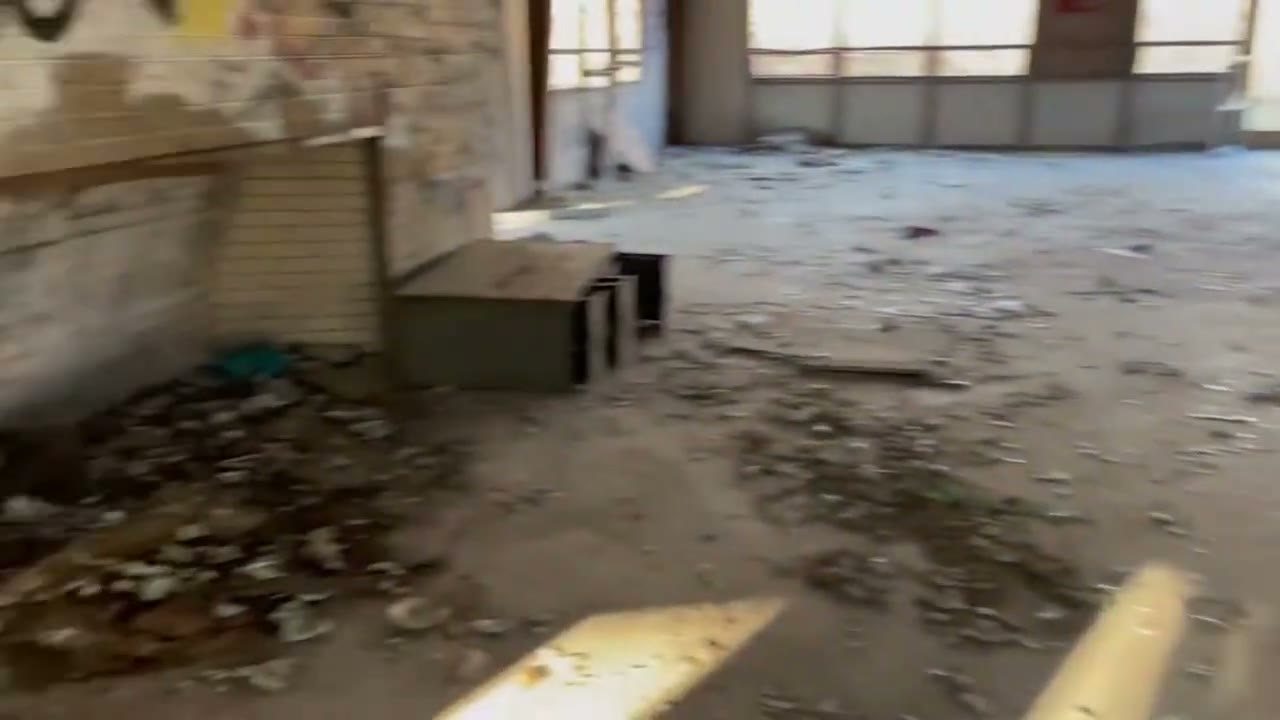
Is a geotag the only way a location leaks?
No, and this is where explorers slip. It isn’t only the tag, it’s everything in the frame.
In the summer camp video I came across an award and photos of people, and said it was going to be hard to blur the name out of everything. I told viewers beforehand that it was too easy to expose the spot. I mentioned a different house where I had to blur out a police number on a paper, because if you look up that number you can find exactly what city it’s in. I also said I’m not perfect and I might miss something.
That’s the same problem as the hidden coordinates, only the leak is visible. Street signs, mail, paperwork, phone numbers and a skyline can all do the job. When I say I won’t disclose a location, as I did at the 50s themed diner so it stays well preserved, that covers the background too.
What do land managers say about geotagging?
Land managers have been dealing with this longer than urban explorers have. A Stateline report on public lands quotes content creator Wesley Littlefield saying he’s become more conservative with geotagging certain areas to protect fragile locations. He points to Horseshoe Bend in Arizona, which is packed with people trying to get the shot, and describes litter, soil erosion and damage to local ecosystems.
NatureBridge’s CEO says visitors are “loving certain parts of certain parks to death.” The report is careful. It says there’s no formal study and that it’s hard to quantify how social media changes how people visit.
A national park and an abandoned building aren’t the same thing. But the pattern carries over. A place that was fine while few people knew about it can look very different after a post.
Does the law change anything?
It can, and this part is simple. Illinois defines criminal trespass to real property in 720 ILCS 5/21-3. A person commits it by entering or staying in a building “knowingly and without lawful authority,” or by entering land after prior notice that entry is forbidden. Those violations are Class B misdemeanors. A tagged location tells everyone exactly where a building is, whether or not they know that law exists.
Owners also have duties. Chicago’s Department of Buildings says owners of vacant buildings must “Secure all openings to prevent unlawful entry” and post a sign with their name and a phone number. A building can look forgotten and still have someone responsible for it.
What does this look like in practice?
I don’t post addresses, pins or coordinates. I check a photo’s file before it goes up, and I check the frame for anything that points to a town. I’m still not perfect, which I’ve said on camera.
I don’t tell people where something is. A building that’s easy to find has a short lifespan.
How I find my own spots, stay safe, and film without burning locations is covered in a $9.99 PDF called How to Find Abandoned Places.
If you have to ask yourself who needs to know where a place is, the answer is usually nobody.
Sources
- Geotagging poses security risks, Army.mil, Mar 8, 2012
- How social media is influencing our interactions with public lands, Government Executive (Stateline), Oct 30, 2024
- Criminal Trespass to Real Property (720 ILCS 5/21-3), Illinois General Assembly, accessed Nov 4, 2026
- Vacant Buildings FAQ, City of Chicago Department of Buildings, accessed Nov 4, 2026
More like this


The footage that never goes public lives on Patreon. It's paid, and it's where the rough cuts, the security run-ins and the early releases go.