, exact location withheld
What Is a Spot in Urbex? How Explorers Use the Word
In urbex a spot is a specific place an explorer visits, usually abandoned. How a building becomes one, why spots disappear, and why I keep most of them private.
A spot is a specific place an explorer visits, most often an abandoned building, a closed business or a forgotten piece of land. On this channel it’s the word I use for whatever I’m filming at the moment, and I use it loosely. I’ve said “the end of this spot” about a church and “another spot in this house” about a room.
This is entertainment and general information, not legal advice. A spot belongs to somebody, and this post is about understanding places, not about getting into them.
What counts as a spot?
Anything worth a visit, which is wider than people expect. A spot can be a hospital, a mansion, a laundromat or a bank, and it can also be a summer camp, a bus sitting in the woods or a church.
The word also shrinks. In the gun club owner’s house video I was looking for another spot in the house that I hadn’t checked, meaning a room or a corner. At the Presbyterian church in Gary, Indiana, someone said that if this was our last spot, it would still be a great one. So a spot can be a whole property, a building on it or a place inside it, and context tells you which.
The abandoned bus in Indiana video is a good example of how far the word stretches. I said I don’t normally share locations, and that I couldn’t share that one because I didn’t even know where it was. I’d been looking for a vintage bus for a while, and a bus in the woods was the whole spot.
What makes something a spot is that it’s a place worth going to see. What makes it worth filming is usually what’s left inside.
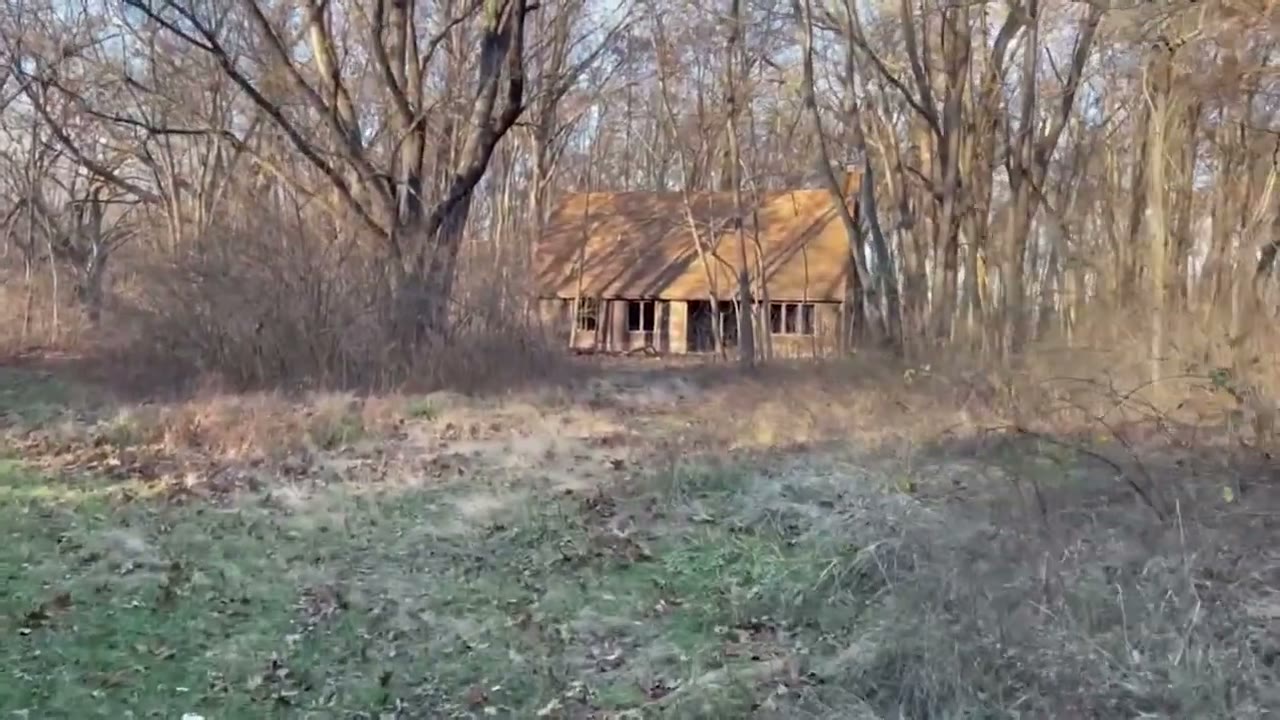
How does a building become a spot?
It gets emptied and then it sits. The city’s word for that is “vacant,” and Chicago defines it carefully. The Department of Buildings says a home or residential building with fewer than 10 units is vacant if “no one is legally living at the building” and former residents don’t plan to return within six months. For buildings with 10 or more units it’s vacant when “90% or more of the units are unoccupied.” For a non residential building it’s vacant once “substantially all lawful business operations have ceased.”
So an explorer’s spot is, on paper, a building someone has stopped using. The city doesn’t call it abandoned. Vacant buildings have to be registered within 30 days, and the owner has to secure the openings, carry insurance, post a sign with a name and phone number, and visit regularly.
Plenty of vacant buildings never get that treatment, which is why some become spots. Why Chicago has so many abandoned buildings goes into the reasons.
Why do spots disappear?
Because somebody eventually decides what to do with them. Illinois lets a municipality ask a court for an order to “demolish, repair, or enclose” a building that is dangerous and unsafe, under 65 ILCS 5/11-31-1. For open and vacant buildings of three stories or less that are an immediate and continuing hazard to the community, the statute has a faster track. The official posts a notice at least 2 feet by 2 feet on the front of the building, and the clock starts from there.
Chicago has run its own push. A 2016 press release reported the 100th building demolished under a fast track program, announced that February, and said the city had boarded up and secured more than 1,000 buildings. The program targeted unsound buildings on blocks with recorded criminal activity and buildings whose owners were absent. That’s one city in one year, and it gives you a sense of the pace.
I’ve filmed this from both sides. The demolished mansion in the Chicago suburbs video is about a place that’s gone now, and the Tribune plant video starts inside a demolition zone. A spot isn’t permanent, and a video can be the only record.
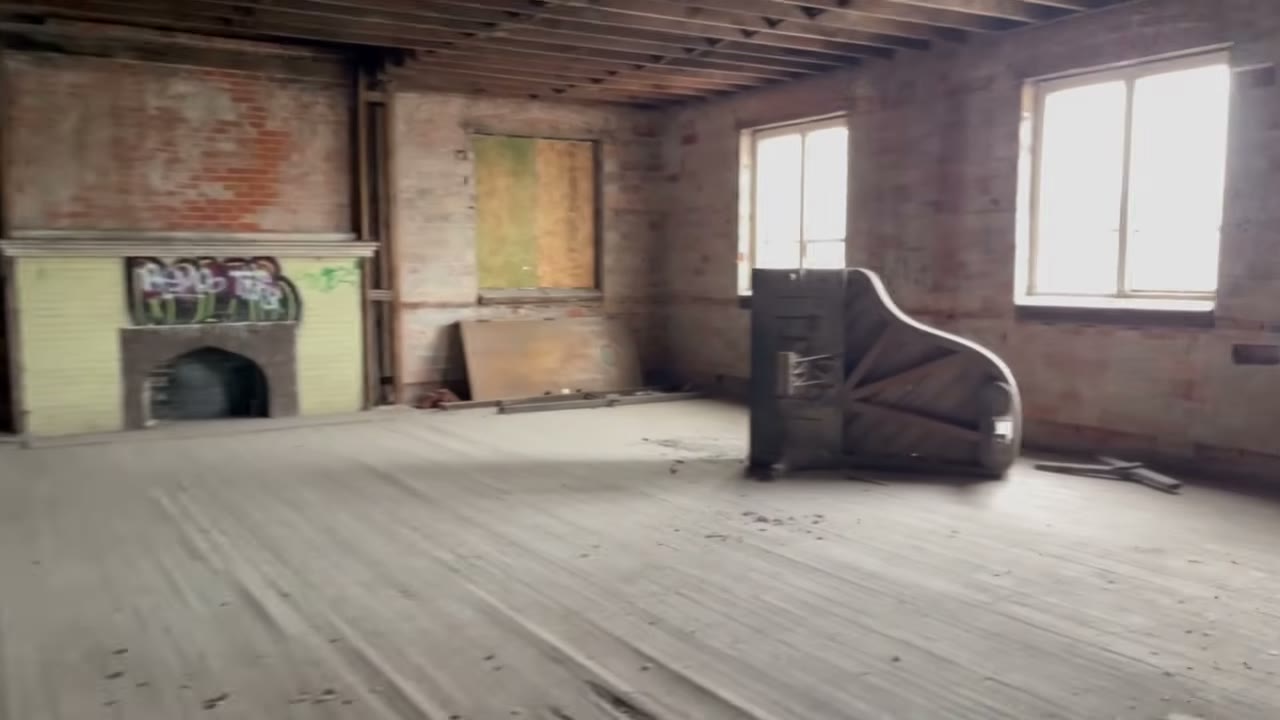
Why do I keep most spots private?
Because exposure ruins them, and I’ve watched it happen. I hide most locations on purpose, and a spot labeled “Chicago” may not be in Chicago. People always ask where something is. I won’t say.
The words connect. A spot whose location gets out is a burned spot, and burned spots often get sealed or watched. A spot with active security and cameras is what people call a fed spot. A sealed one has had its openings closed up. Those are the stages a spot goes through when too many people learn about it, and geotagging is one of the fastest ways to start the clock.
Does the city mark a spot as dangerous?
Sometimes, and the marking isn’t a guide. Chicago’s municipal code, in section 13-12-148, lets the fire commissioner put a first responder warning placard on a hazardous vacant building. The placard warns responders about structural or interior hazards. The code calls it “informational only” and says the absence of a placard does not mean a building is safe.
So a spot with no placard hasn’t been cleared by anyone. It may just be a spot nobody has gotten to yet. I treat every spot as unchecked, whatever is or isn’t posted on the front.
What do I do differently once I’m at a spot?
I leave it exactly as I found it. No stealing, no vandalism, no spray paint, and I take only pictures and leave only footprints. Most flashlights, including brand ones, aren’t bright enough for the inside of a big building, so I carry one good one, the Coast XP11R flashlight.
The other thing I do is remember whose property it is. Illinois treats entering a building “knowingly and without lawful authority” as criminal trespass in 720 ILCS 5/21-3, a Class B misdemeanor, and the same section covers entering land after being told entry is forbidden. A spot being vacant doesn’t mean nobody owns it.
How I find my own spots, stay safe, and film without burning locations is covered in a $9.99 PDF called How to Find Abandoned Places.
A spot is a place that’s still there for now, and the best thing you can do for it is leave it the way you found it.
What I carried in
Same list as every video description.
Sources
- Vacant Buildings FAQ, City of Chicago Department of Buildings, accessed Nov 4, 2026
- Fast Track Demolition of Dangerous Buildings, City of Chicago Mayor's Office, May 10, 2016
- Demolition, Repair or Enclosure of Dangerous and Unsafe Buildings (65 ILCS 5/11-31-1), Illinois General Assembly, accessed Nov 4, 2026
- Hazardous Vacant Buildings (Municipal Code of Chicago 13-12-148), American Legal Publishing, accessed Nov 4, 2026
- Criminal Trespass to Real Property (720 ILCS 5/21-3), Illinois General Assembly, accessed Nov 4, 2026
More like this


The footage that never goes public lives on Patreon. It's paid, and it's where the rough cuts, the security run-ins and the early releases go.