What Is a Bando? The Slang Word for an Abandoned Building
Bando is slang for an abandoned house, short for abandoned, with roots in Atlanta trap music. Where it comes from and how it differs from other urbex words.
By Decay
Entertainment and general information, not legal advice. Talk to a lawyer about your own situation.
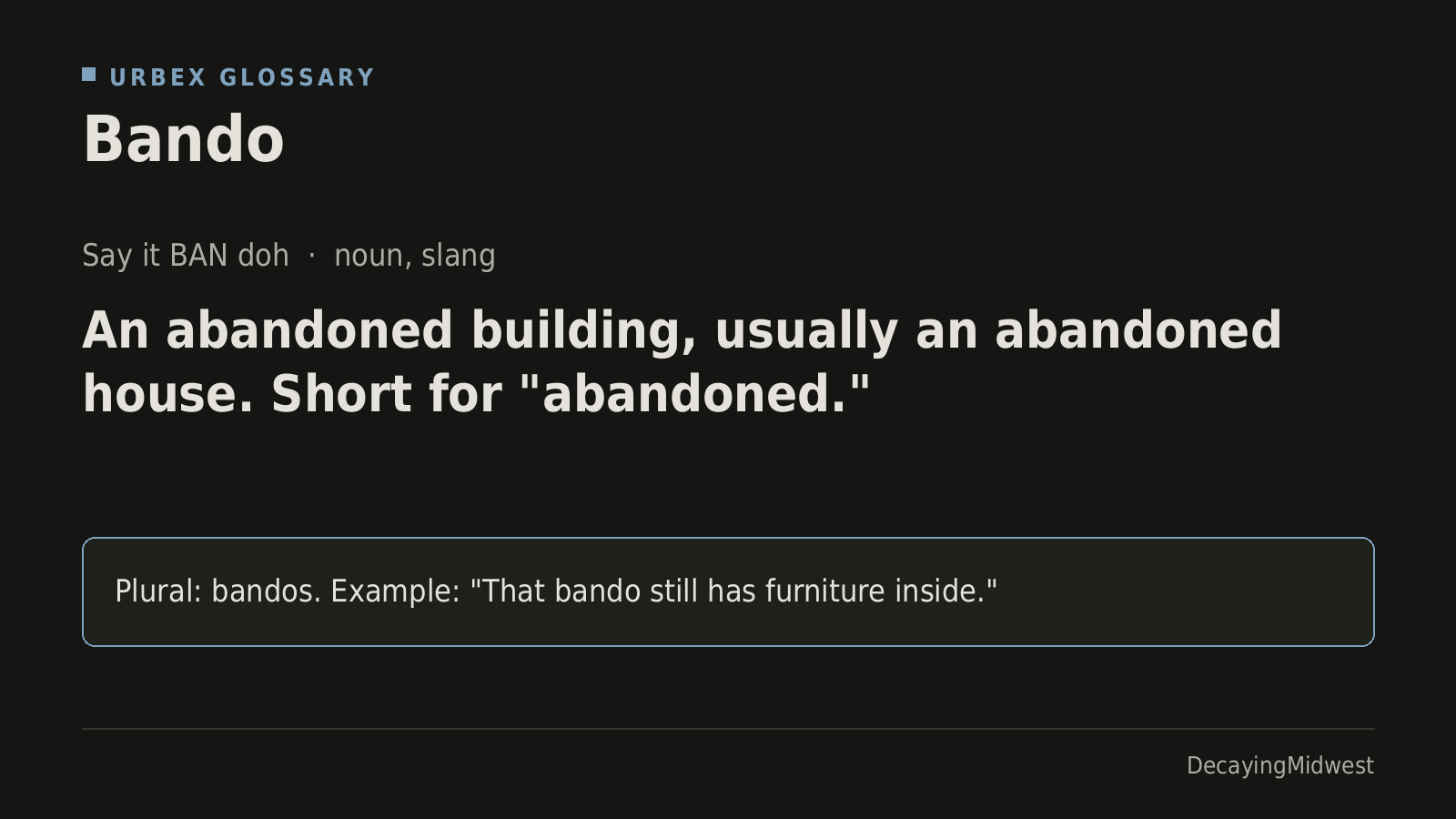
A bando is slang for an abandoned house or building, short for “abandoned,” and in hip hop it meant an abandoned house used for drugs.
The facts below are sourced at the bottom of the page.
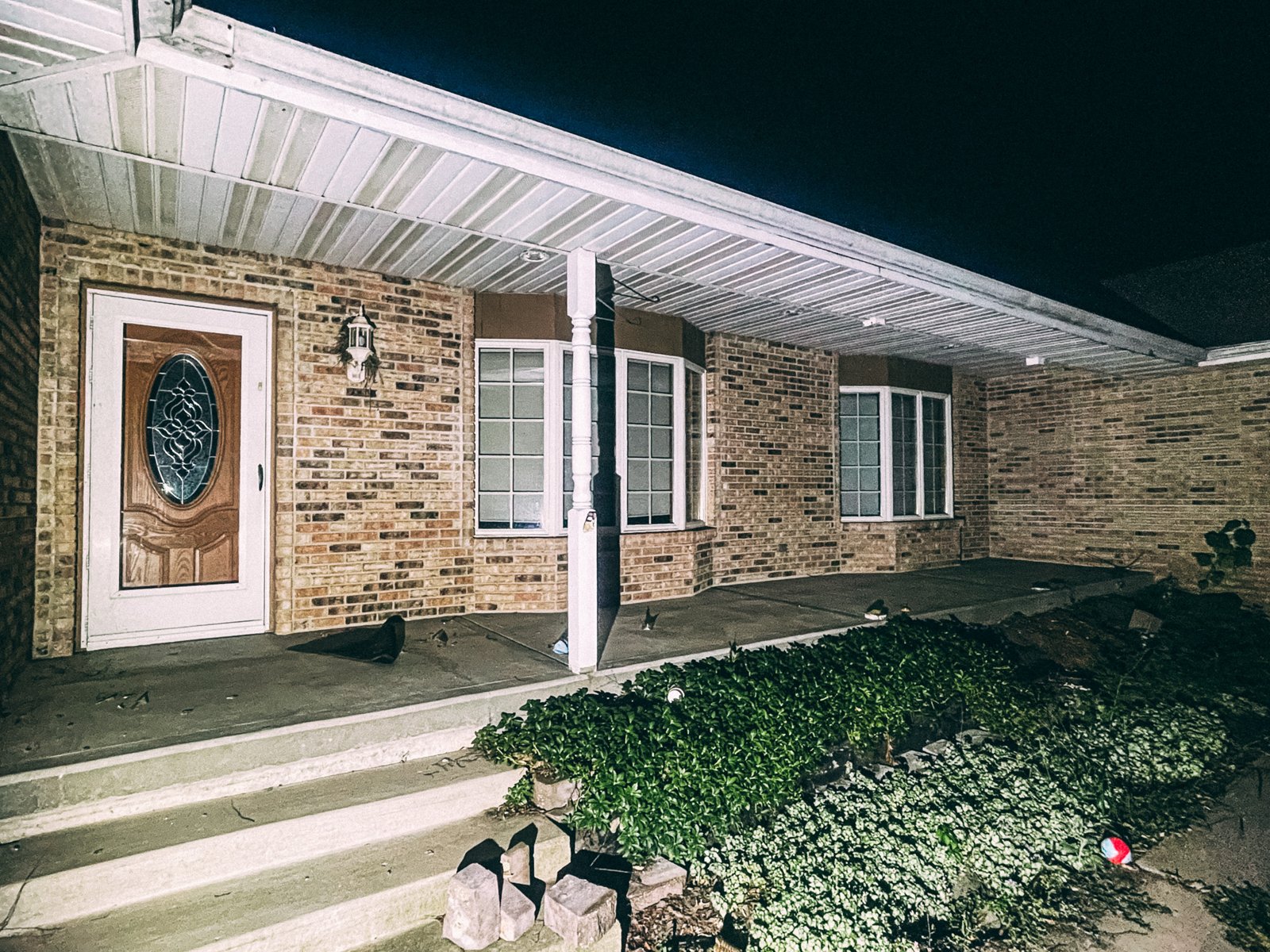
These days the word gets stretched to cover any empty house, drugs or not. The two meanings overlap, so what someone means depends on who is saying it and where.
What does bando mean?
It is a clipped form of “abandoned,” usually applied to a house. Green’s Dictionary of Slang, a historical slang dictionary, defines it as an abandoned house used for storing or processing drugs, and labels it US Black slang.
Complex said much the same in 2013 while explaining a Migos video to readers who might otherwise have looked the word up. Bando, it wrote, is “short for ‘abandoned house,’ which is where the trapping happens.”
That makes the word’s original home a trap house. Georgia Public Broadcasting quoted A.R. Shaw, an Atlanta entertainment journalist who wrote a history of trap music, defining “trap” as “a term coined in Atlanta as a place where drugs are sold and bought.” So the bando was the abandoned house where that happened. That is the history of the word, and it is worth knowing before you use it casually.
Where does the word come from?
Hip hop, and Atlanta is the place most often credited. Here is what can be checked.
Green’s earliest quotation for bando is a 2012 Migos lyric, “Pull Out.” Complex described Migos as an Atlanta group in 2013 and called “Bando,” the song, a regional hit from the year before. Green’s also cites a 2015 web annotation that says the word “originated in Atlanta for an abandoned house in the hood.” That last one is user written, so it is a hint and not proof.
GPB adds some background on the neighborhood. Shaw said that in the 90s “trap” was just a slang term people said in Atlanta. The same article describes parts of Atlanta with many boarded up and abandoned houses. It does not say those houses are why places got called traps, so I am not saying that either.
I could not find a dictionary that names who said it first. Green’s has nothing earlier than 2012. The language show A Way with Words lists a different sense from earlier than that, a person instead of a building. It quotes a USA Today story from February 17, 2008, in a story about homeless people turning to foreclosed homes, in which a man calls himself a “bando,” meaning someone who lives in abandoned houses. So the word was around in some form before the Migos song, and its history is not settled.
How did the meaning get wider?
Mostly by travel. Green’s quotations run from 2012 to 2021, and most are song lyrics. They start in the US and by 2018 and 2021 include British artists, Unknown T and Central Cee, so the word crossed the Atlantic within six years. In the lyrics Green’s summarizes, it still points at the same idea, an abandoned place tied to making money.
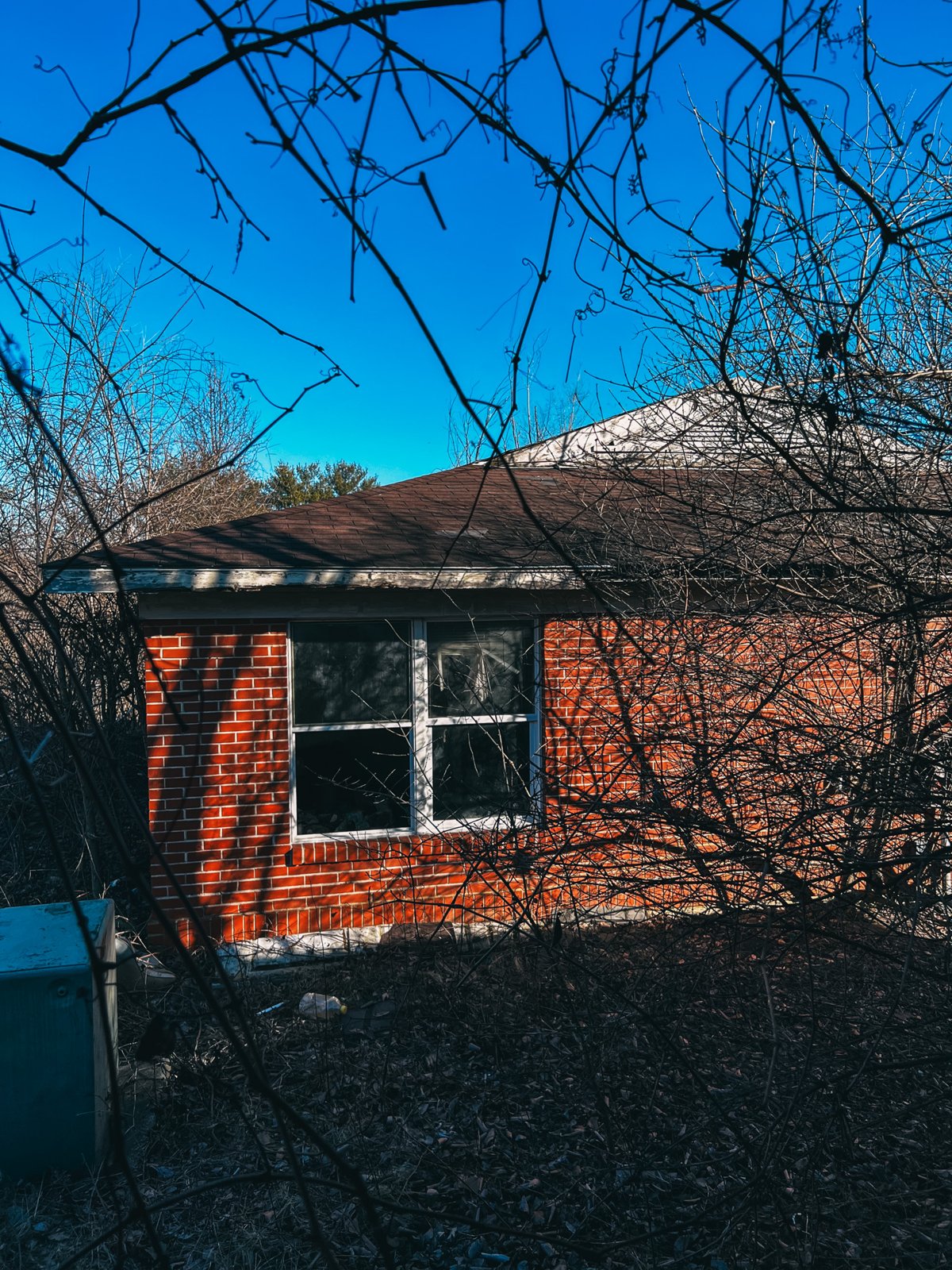
The looser sense comes from the word itself. It is built from “abandoned,” so it is easy to stretch to any empty house or building, whatever happened inside. I could not find a dictionary entry that records that looser use, so treat it as how the word can be used and not as a ruling.
Two things follow. If you say “bando” to someone from the neighborhoods the word came from, they may hear the drug house meaning first. And if you call a farmhouse with a collapsed porch a bando, you are borrowing a word with a history it may not deserve.
I use the word bando all the time.
How is bando different from other urbex words?
It is the loosest one. Most of the urbex words on this site describe a condition, a status or a feeling, and bando only describes that the place is empty.
- Toyed. A toyed place has been trashed by people. A bando can be perfectly intact or completely wrecked. Toyed tells you the damage and bando does not.
- Burned. A burned location is one whose whereabouts got out. Any bando can be burned, and plenty of burned spots are not houses.
- Sealed. A sealed building has had its openings closed off. A bando may or may not be sealed, and the word does not say.
- Time capsule. A time capsule is abandoned with its contents intact. Bando says nothing about what is inside, and a stripped house is as much a bando as a full one.
- Zombie property. A zombie property is a vacant house stuck in a stalled foreclosure. That is a legal status, and bando is slang. A bando may be a zombie property, but the word does not say who owns it.
- Still water. Still water is stagnant water in an abandoned place. It is a thing you find inside, and a bando is the thing you find it in.
- Urbex spot. A spot is any place an explorer visits. A bando is a spot, but only an abandoned one, and usually a house.
If you want precision, use the more exact word. Bando is the shorthand.
Is it safe or legal to go into a bando?
Not as a rule. This is entertainment and not legal advice, and an abandoned house is still someone’s property. For what the law says in Illinois, see Is Urban Exploring Illegal?.
The original meaning matters here too. A place called a bando in the old sense may have people using it for reasons that have nothing to do with exploring, and someone may be living in it. The code of urbex is short. Leave every place exactly as found, take only pictures and leave only footprints. If a place looks occupied, it is not a good place for a visit.
What does a bando look like in practice?
Mostly houses. Two examples from this site show how different two of them can be.
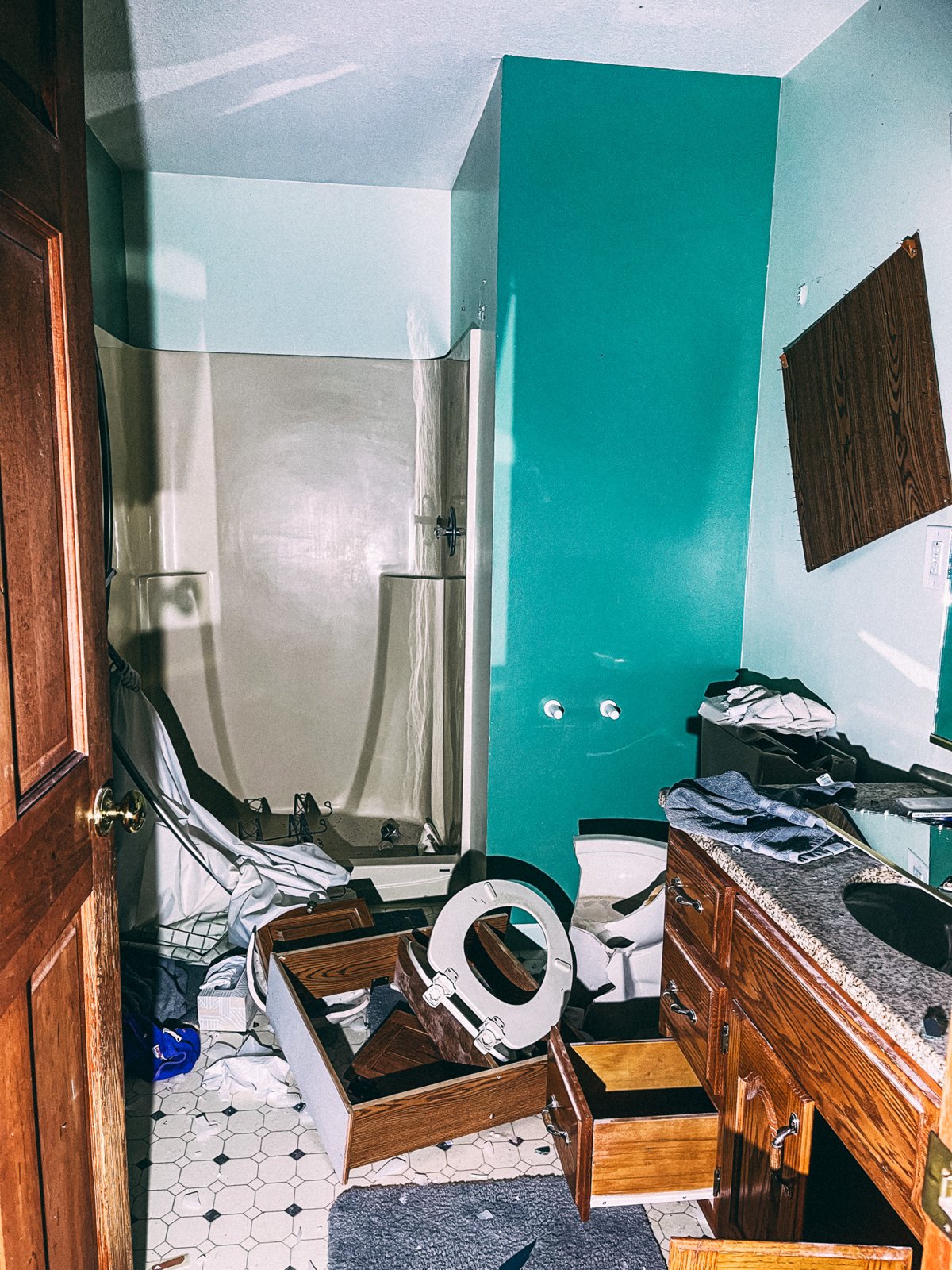
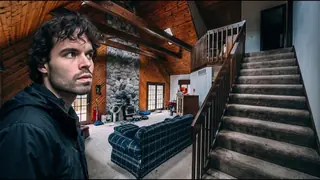
The cat lady’s house in the woods has been broken into and scrapped. The faucets were taken, copper was cut out of the basement walls, and the taxes went unpaid for about four years. Inside, the kitchen table was still set and the pantry still had tea and peanut butter. New owners had put up trail cameras.
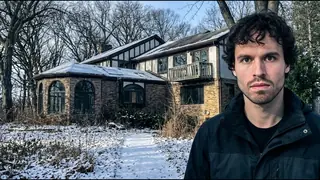
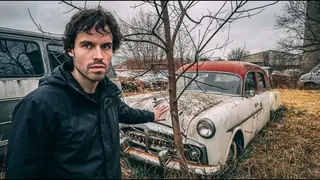
The hunter’s mansion in the Chicago suburbs is a $750,000 house with a collapsed room, mold, a motion sensor that came on, and a no trespassing sign on the inside. It also has a stuffed bobcat and a project car in the garage.
Both are bandos if you use the word loosely, and neither one is a trap house. They are houses that outlasted their owners’ plans. How I find places like these is in my guide, How to Find Abandoned Places for $9.99, and the exact locations stay private.
Bando is a word with a hard past and a loose present, and the building is the only part that every use agrees on.
Quick answers
What is a bando?
Bando is slang for an abandoned house or building, short for abandoned. In hip hop it meant an abandoned house used for drugs, and these days it gets stretched to cover any empty house.
Where does the word bando come from?
Hip hop, and Atlanta is the place most often credited. Green's Dictionary of Slang gives a 2012 Migos lyric as its earliest quotation, and no dictionary names who said it first.
How did the meaning of bando get wider?
Mostly by travel. Green's quotations run from 2012 to 2021, mostly song lyrics, and include British artists by 2018 and 2021. The word is built from abandoned, so it is easy to stretch to any empty house.
How is bando different from other urbex words?
It is the loosest one. Toyed tells you the damage and sealed tells you the openings are closed, but bando only says the place is empty.
Is it safe or legal to go into a bando?
Not as a rule. An abandoned house is still someone's property, and a place called a bando in the old sense may have people using it for reasons that have nothing to do with exploring.
Sources
Get new posts by email
One email when new posts go up. No spam, unsubscribe any time.
Or follow along on
Subscribe on YouTubeMore like this
The footage that never goes public lives on Patreon. It's paid, and it's where the rough cuts, the security run-ins and the early releases go.
There is also merch. It is not a crowbar.
Comments