, exact location withheld
What Is a Zombie Property?
A zombie property is a vacant house stuck in a stalled foreclosure. How they happen, who is responsible, and how many Cook County had.
A zombie property is a vacant house caught in a foreclosure that stalled or was never finished, so the owner has left and nobody is clearly in charge of the building. The word came out of the housing crash, and Cook County had thousands of them.
This is entertainment and general information, not legal advice. If a property is yours or you think it might be, talk to a lawyer.
What makes a house a zombie?
A lender or loan servicer starts a foreclosure and doesn’t finish it. American Banker described the pattern in a 2014 report on the federal Consumer Financial Protection Bureau. The borrower may have already moved out but still owes the debt, the taxes and the upkeep, and the servicer hasn’t taken title to the home. The house sits between the two.
Researchers use a stricter definition. The Woodstock Institute’s 2014 study of Cook County defined a zombie property as “a property for which a foreclosure case has been filed but not resolved for more than three years.” Neither the owner nor the servicer is clearly in control.
Why would a lender walk away from a house?
Because the math can turn against it. The U.S. Government Accountability Office reported in November 2010 that servicers typically abandon a foreclosure when “the cost to complete the foreclosure exceeds the anticipated proceeds from the property’s sale.” That tends to be true for lower value homes. GAO called these cases rare but harmful where they happen.
The people who get caught are the former owners. GAO said servicers aren’t required to notify anyone, so “homeowners are sometimes unaware that they still own the home.” A CFPB official said at a Federal Reserve Bank of Cleveland conference in March 2014 that “there is direct borrower harm if a borrower believes a foreclosure on their property has been conducted.” The same article reported that it was “extremely common” for servicers to charge off low balance loans without telling borrowers or municipalities.
The CFPB official floated ideas in that speech, including a national definition of abandonment, faster foreclosures for vacant homes and a national registry of such homes. She also said the agency was taking part in industry led task forces to identify these properties. Those were ideas on the table in 2014, and I can’t tell you which of them became rules.
The house itself doesn’t get any better in the meantime. GAO said vacant homes tied to abandoned foreclosures “can contribute to increased crime and decreased neighborhood property values.”
How many were there in Cook County?
The Woodstock Institute counted. Of the foreclosure filings in Cook County from 2008 to 2010, approximately 8.7 percent, more than 11,700 properties, were zombies. Almost 60 percent of those filings were not sold at auction between 2009 and 2012. More than 5,800 of the zombie properties were in Chicago, and about 57.5 percent of the estimated total sat in the two lowest income census tract groups. The report warned that filings from 2011 and 2012 could add more than 7,200 zombies in the county by the end of 2015.
Nationally, American Banker reported roughly 152,000 such properties, which weren’t counted in the roughly 740,000 homes in the foreclosure process. Those are 2014 numbers. They show the scale of the problem at its worst, and they’re not a count of what’s out there now.
Who is responsible for a zombie house?
On paper, the owner. Chicago’s Department of Buildings says in its vacant buildings FAQ that “foreclosure does not end ownership.” Responsibility continues until a judge signs an Order Approving Sale and a deed is recorded with the Cook County Recorder of Deeds. A vacant building has to be registered, secured, insured and kept clean.
Illinois has a faster track for the worst cases. Under 735 ILCS 5/15-1505.8, a mortgagee can ask for an expedited judgment and sale on abandoned residential property. The hearing has to happen within 21 days after the answer period expires, and if the court finds the property abandoned it “shall grant the motion and immediately proceed to a trial of the foreclosure.” Notices have to be posted on the house at least 14 days before the hearing. The court can’t grant the motion if the owner or a lawful occupant shows up and objects, and it must vacate the order if one appears before the sale is confirmed and proves the property wasn’t abandoned.
The same statute says a mortgagee “may enter, secure, and maintain” abandoned residential property. That’s permission and not a requirement.
Is every house that sits empty for years a zombie?
No. A house can sit because of a death, an unpaid tax bill, a fight between heirs, or an owner who simply doesn’t care. A zombie specifically has a stalled foreclosure behind it.
Horizon Farm is a useful contrast. The 400 acre horse farm in Barrington Hills was in an ownership fight for years. The Daily Herald reported in 2016 that the former owners claimed the county unlawfully acquired the property through a $14.5 million foreclosure sale. The Real Deal reported in 2019 that a decade long dispute was finally headed to court, and that the former owners had filed six lawsuits. The Forest Preserve District of Cook County said it claimed the land after buying the debt and foreclosing.
That foreclosure finished, so Horizon Farm isn’t a zombie by the definition above. But it shows how years in court can leave a property in limbo, and the mansion there was demolished a few days before I uploaded the video.
What does this look like in practice?
I can’t tell you whether any house in my videos was a zombie. I don’t see mortgage or court records, and a zombie looks the same as any other empty house from the inside.
In the Horizon Farm video, the history section covers the ownership fight. The mansion’s interior was still intact when I filmed it.
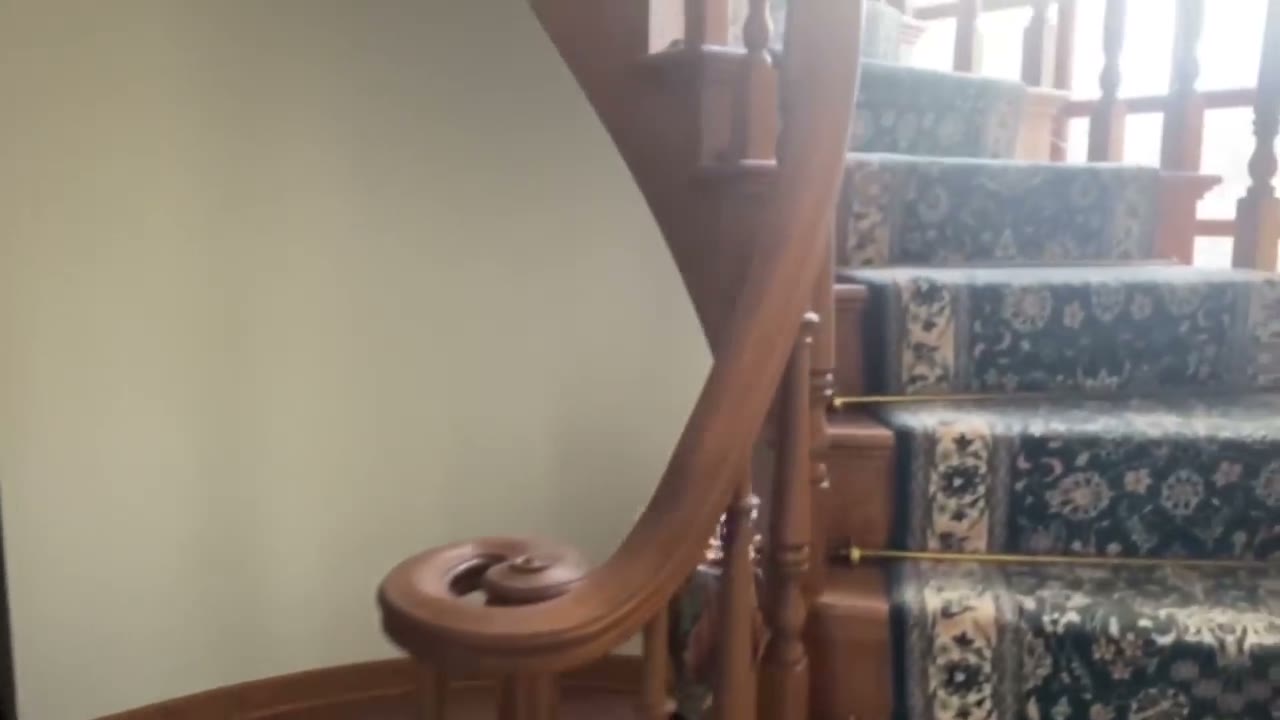
The Highland Park mansion is a house where the ending did get finished. I said in the video’s intro that the owners ran into financial trouble, rented the place out on Airbnb, then sold it, and that the new owner planned to demolish it. When I got inside, I said it looked like straight up removal of everything, with the copper already gone and set to be scrapped.
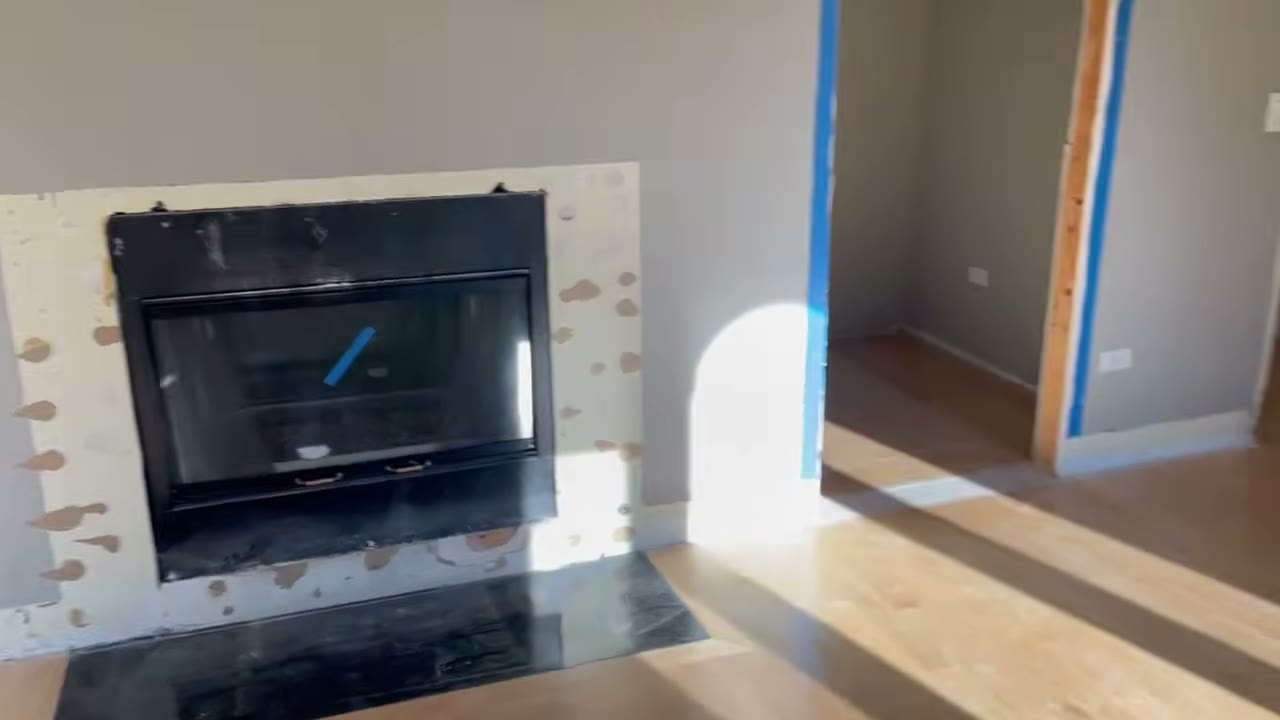
The Illinois farmhouse is the one that fits the question best, because I said I had no idea what happened to the owners. A house like that could be a zombie, an estate, a tax problem or something else, and there’s nothing inside it that tells you which.
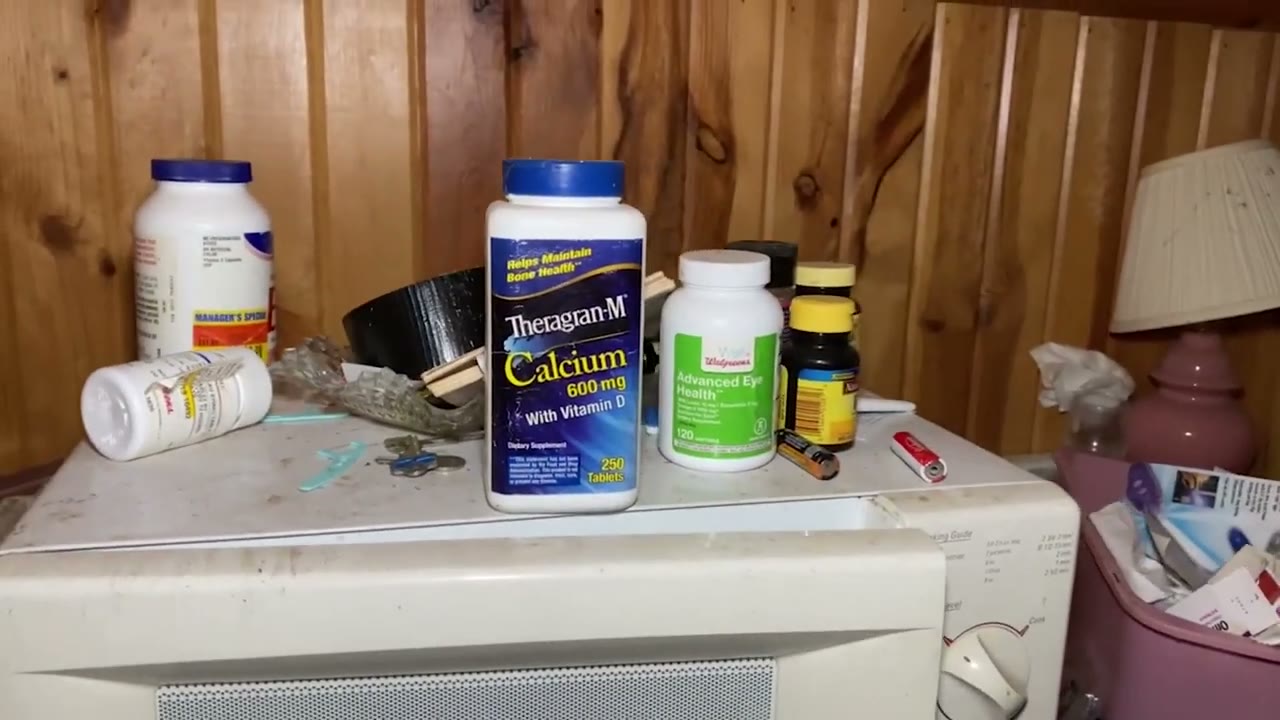
I keep my locations private, and I leave everything where I found it. That goes double for a house where someone may still legally own what’s inside. My $9.99 PDF, How to Find Abandoned Places, covers how I find spots and stay safe without burning them.
If you want to know who is responsible for a vacant building in Chicago, the answer from the city is the owner of record, until a judge signs the sale order and the deed is recorded.
Sources
- CFPB takes aim at zombie foreclosures, American Banker, Mar 12, 2014
- Unresolved Foreclosures, Patterns of Zombie Properties in Cook County, Woodstock Institute, Jan 2014 (hosted by WTTW)
- Foreclosures, Federal Efforts to Address Abandoned Foreclosures (GAO-11-93), U.S. Government Accountability Office, Nov 2010
- Expedited judgment and sale for abandoned residential property, 735 ILCS 5/15-1505.8, Illinois General Assembly
- Vacant Buildings FAQ, City of Chicago Department of Buildings (page undated)
- Chicago Cheat Sheet, Barrington Hills horse farm ownership feud goes to court, The Real Deal, Feb 4, 2019
- Horizon Farms to reopen this summer, legal challenge looming, Daily Herald, Mar 29, 2016
More like this


The footage that never goes public lives on Patreon. It's paid, and it's where the rough cuts, the security run-ins and the early releases go.