, exact location withheld
Why Urban Explorers Don't Share Locations
Explorers keep spots private because a posted location brings crowds, thieves and arrests. Cases from Kentucky and Illinois, and what I do instead.
Urban explorers keep locations private because a pin on a map sends a crowd, and crowds bring thieves, vandals, security guards and police to a building that was quiet before. I hide most of my locations on purpose, and a spot labeled “Chicago” on my channel may not be in Chicago.
People ask me for locations constantly, and I won’t give them out. This post is the reasoning, with real cases behind it. It’s entertainment and general information, not legal advice, and nothing here is a reason to go into a building.
What happens when a location gets posted?
The clearest recent case is Kentucky Speedway. WCPO reported on Aug 20, 2025 that the Gallatin County Sheriff’s Office had charged and arrested dozens of people with trespassing and burglary. Sheriff Robert Webster said influencers broke in several months earlier and posted TikTok and Instagram videos calling the track abandoned. The videos showed people walking the track, sitting in a race car and climbing the flag stand.
The track hasn’t hosted a NASCAR race since 2020, but it’s still private property. WCPO says it hosts driving schools and other events, and parts of it are rented to companies. The sheriff’s message was blunt. “Kentucky Speedway is NOT abandoned!” He added that “going onto someone else’s property is illegal and it will not be tolerated.”
Illinois has its own version. Police in Bloomingdale, a Chicago suburb, warned people to stay out of a closed former hotel and country club after a series of trespassing arrests tied to a TikTok trend. Images online showed at least three people on the roof. The department said it knew of a TikTok page devoted to urban exploration, charged two people with criminal trespassing and said the site is monitored by security around the clock. Security calls police whenever someone enters. The police had posted a similar warning about the same property in 2023, so this wasn’t a first wave.
I’m not saying every post causes an arrest. I’m saying that when a place becomes a trend, the owner and the police notice, and the people who pay for it aren’t always the ones who posted.
Who loses when a spot goes public?
The building does, first. No source I found ties scrapping to explorers’ posts, and I won’t pretend one does. What the sources do show is that vacant buildings are targets, and a published address tells everyone where one is, thieves included.
A Propmodo report on copper theft says copper spiked to $5.60 per pound after a 50 percent tariff announcement on copper imports, and that “vacant properties are particularly at risk.” It also cites nearly 4,000 copper related thefts reported across logistics sites in the U.S. and Canada in 2023. That number is about logistics sites and not houses, but it shows how much a stripped wire is worth to someone.
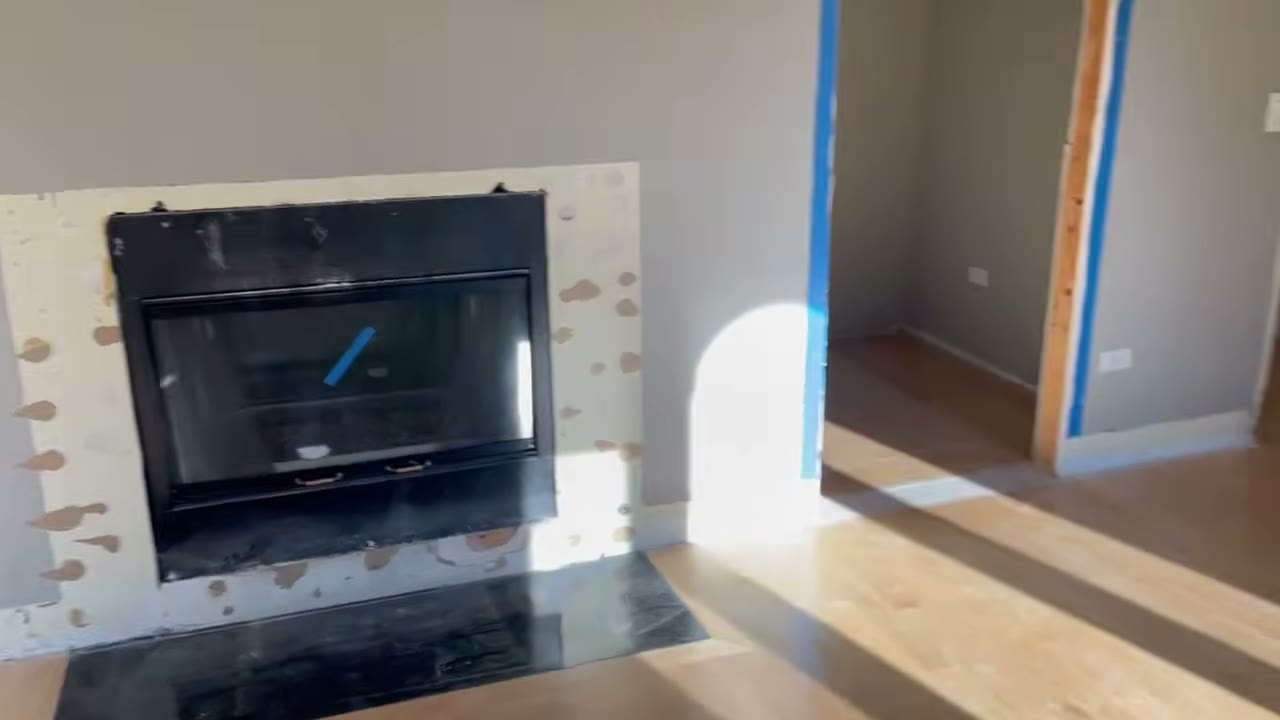
That’s from the Highland Park mansion video, where I said it wasn’t new construction and was “straight up removal of everything,” and that the copper was already pulled to be scrapped. Read what scrappers do and why for the longer version. The point here is that a building with a famous address and a few thousand visitors is easier to strip than one nobody knows about.
Is an abandoned building actually abandoned?
Usually not in the way people mean. Chicago’s Department of Buildings defines a building as vacant when no one is legally living there and no former resident plans to return within six months. A guard or watchman doesn’t make it occupied. The owner then has duties. The building must be registered within 30 days, all openings secured against unlawful entry, liability insurance carried, and a sign posted with the owner’s name, street address, phone number and registration number. Registration renews every six months.
If the owner doesn’t fix violations, the city can go to court and ask for significant fines and authority to board up or demolish the building. So “abandoned” often means unoccupied with a person or a company on the hook, and with a reason to care who walks through.
Illinois law on entry is plain. Under the criminal trespass statute, notice can be given personally, orally or in writing, or by a written notice posted at the main entrance. Most violations are a Class B misdemeanor. I cover the details in Is Urban Exploring Illegal?, and what to do if officers do show up in this guide.
What about the people who show up?
They’re at risk too. The Bloomingdale police said the building there is in disrepair and unsafe, and their post ended with a direct request. “Please stay away.” A crowd of first timers is exactly who ends up on a roof or in a basement with no idea what’s under the floor. I go through the physical risks in Dangers Inside Abandoned Buildings, and most of them get worse when the people showing up came because a video made it look easy.
There’s also the legal side. The Bloomingdale report says security calls police whenever someone enters, and a site watched that way doesn’t sort visitors by intent. That’s one more reason I don’t want to be the reason a stranger shows up at a gate.
What if you already know a spot?
Then you’re the one holding it. Ask what posting it would do before you post it. Would an owner who sees it hire a guard, board it up or call the sheriff? Would the next visitor take something? If you can’t answer, keep it to yourself and share the pictures instead. A good photo shows the room without sending anyone to the door.
Isn’t hiding locations just gatekeeping?
Some of it is, and I wrote about the difference in What Does Gatekeeping Mean in Urbex?. Hiding a building so it doesn’t get stripped or raided is protective. Treating other people as unworthy is about status. They can look the same from outside, and I understand why a newcomer who gets a flat “no” feels shut out.
My answer to that is to teach the finding part and keep the places. I sell a $9.99 PDF called How to Find Abandoned Places that covers how I find my own spots, how I stay safe, and how I film without burning locations. The free overview is this guide on finding abandoned places, which shows how closures, tax records and permits turn up leads on paper.
A place you find yourself is a place you’ve already learned something about. You know who owns it, whether it’s still in use and what condition it’s in. A coordinate someone hands you comes with none of that.
What do I do instead of sharing locations?
I label spots loosely. Chicago on a title may mean somewhere else. I don’t geotag, and What Is Geotagging and Why Explorers Avoid It explains why a tag does so much damage. I also follow the code I keep. Leave every place exactly as found. No stealing, no vandalism, no spray paint. Take only pictures and leave only footprints.
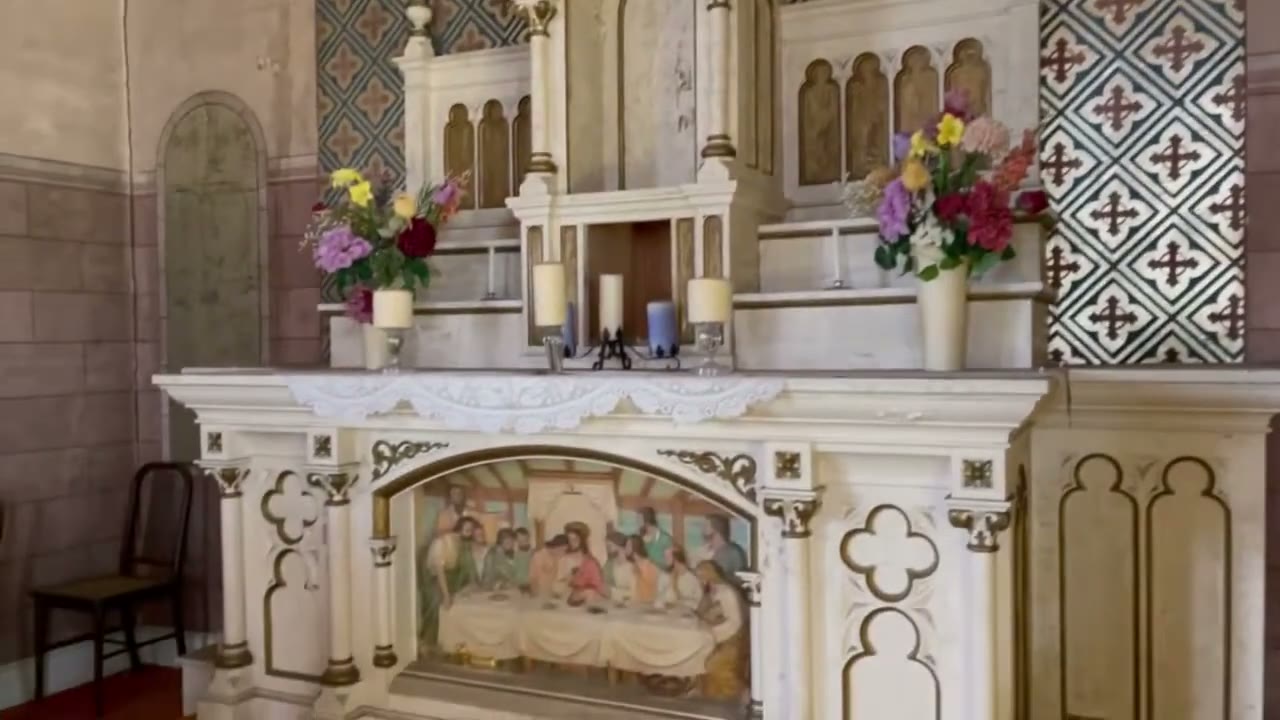
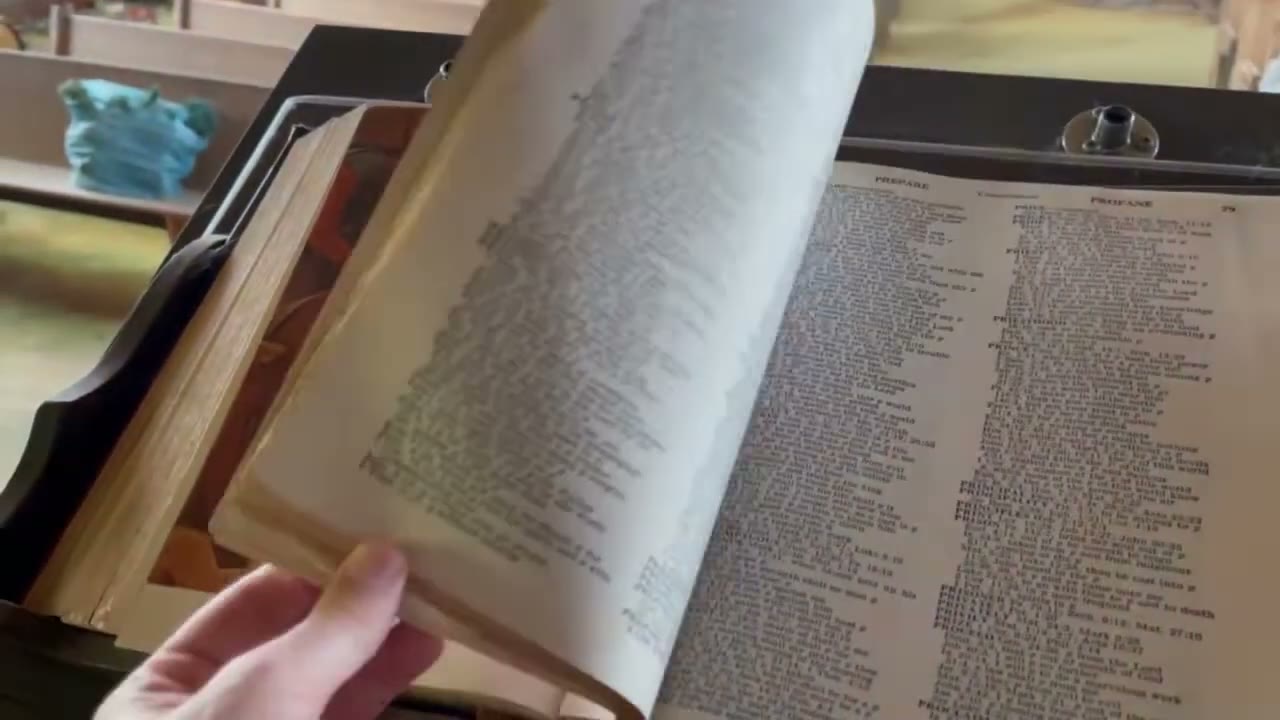
That’s what leaving it as found looks like on camera. When I filmed this church the altar still had its flowers and candles, and a large book was open on a stand nearby. The video is titled Abandoned Catholic Church in Illinois with Everything Left Behind, and the town stays off it.
What does this look like in practice?
Everything depends on volume. A place seen by one crew is a different place from one seen by thousands. The Catholic school video is a good example of a building with a lot left in it, from a music room to a trophy room, and its location is withheld.
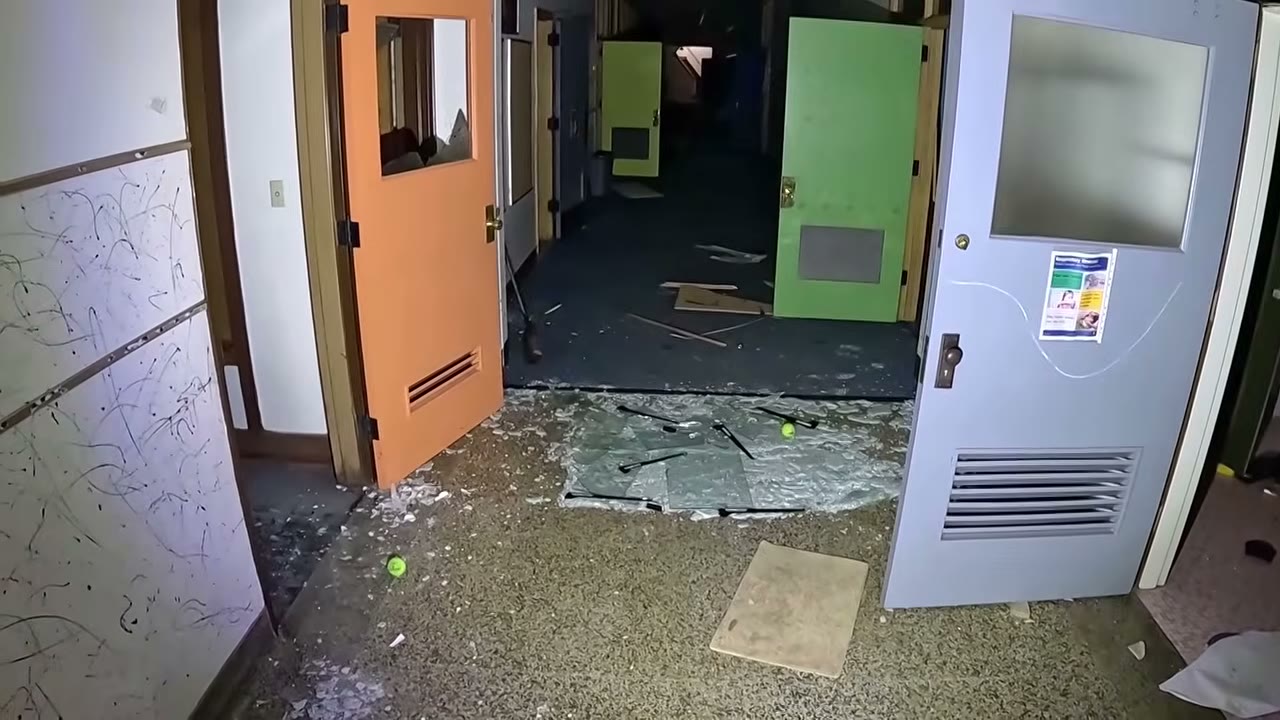
Every one of these buildings has an owner, a security question and a condition that can change. I’d rather a building stay the way I found it than become the next Kentucky Speedway headline.
If you want a location badly enough to ask a stranger, put that energy into learning how to find one yourself.
Sources
- Kentucky Speedway is not abandoned, dozens charged with trespassing and burglary after breaking into racetrack, WCPO, Aug 20, 2025
- Bloomingdale police issue warning on trespassing amid ongoing TikTok trend, NBC Chicago, accessed Nov 4, 2026
- New Copper Theft Wave Puts Vacant Buildings in the Crosshairs, Propmodo, accessed Nov 4, 2026
- 720 ILCS 5/21-3 Criminal trespass to real property, Illinois General Assembly, accessed Nov 4, 2026
- Vacant Buildings FAQ, City of Chicago Department of Buildings, accessed Nov 4, 2026
More like this


The footage that never goes public lives on Patreon. It's paid, and it's where the rough cuts, the security run-ins and the early releases go.