, exact location withheld
What Happens to Abandoned Houses?
Most sit for years over ownership, then the city forces repairs, a tax or foreclosure process moves the title, or a buyer tears them down. Illinois examples.
Most abandoned houses sit far longer than people expect, and then one of three things ends it. The city forces repairs or demolition, a tax or foreclosure process moves the title, or a buyer tears the house down. The delay is almost always about who owns it, not about the building.
This is general information and entertainment, not legal advice, and the examples are mostly from Illinois. None of it is a reason to enter a house, which is someone’s property whether or not anyone lives there.
Why do abandoned houses sit empty for years?
Because nobody can say who is responsible. The Chicago Reporter counted more than 18,000 abandoned houses and apartment buildings in Chicago in 2014 and found that owners walk away, mortgages get sold, sometimes more than once, and ownership ends up tangled among banks, investors and former owners. In one case a building’s title stayed in the former owner’s name four years after she left.
Federal rules, the Reporter explained, require banks to dispose of properties within five years of vacancy. They apply only to properties a bank owns outright, and a bank’s clock starts only once it takes title, which doesn’t always happen. The Reporter put about 3,094 properties past the five year mark without action. That’s an old report and the numbers have moved, but the pattern is the one you still see.
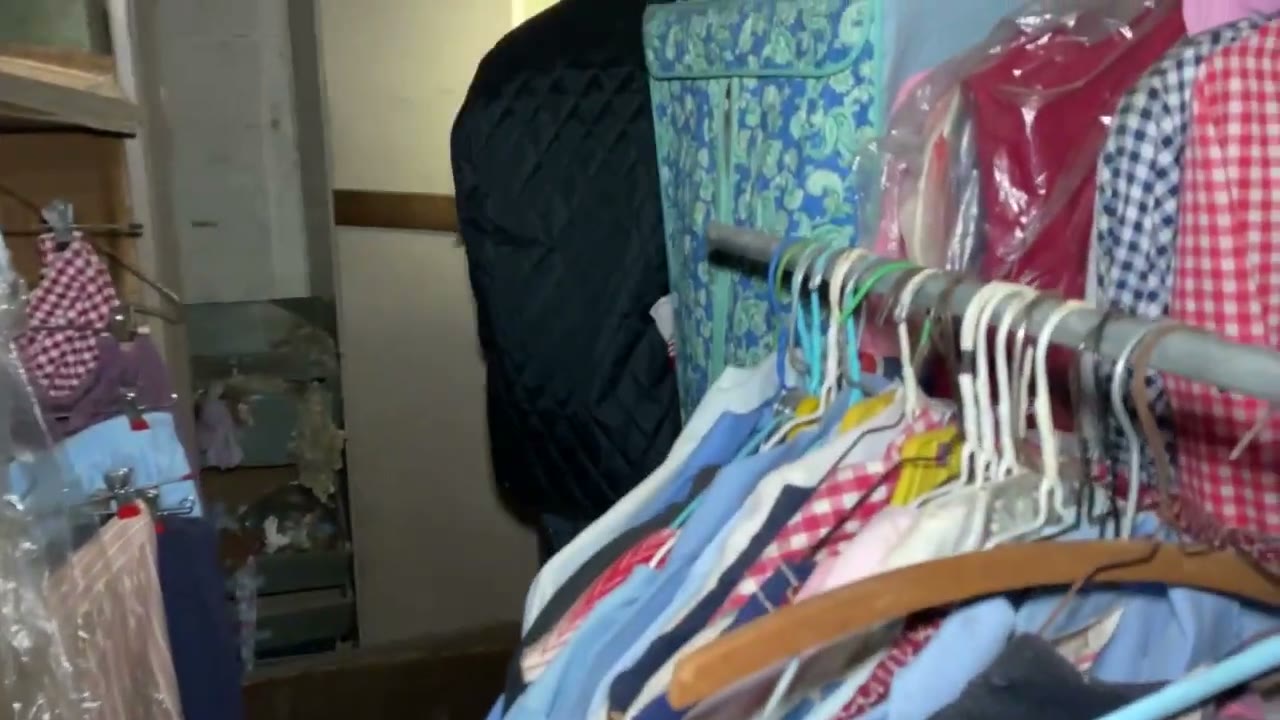
Death does it too. When the owner dies, the house can sit while the estate gets sorted out, and I explain how in Why Houses Sit Empty During Probate. In my vintage clothing house video I guessed that the owner passed away and a relative was paying the taxes, which is why nothing had happened to the house. I said it happens all the time with farmhouses. That was my guess and not a record, but it fits the pattern. A house stuck this way is sometimes called a zombie property.
When does the city step in?
When the house becomes a hazard or goes unregistered. Chicago defines a residential building with fewer than 10 units as vacant when no one is legally living there and no former resident plans to return within six months. The Department of Buildings says vacant buildings must be registered within 30 days, at a fee of $250 to $500. Owners must secure every opening, carry liability insurance and post a sign with their contact information.
If an owner won’t fix violations, the city can bring an enforcement action and ask for significant fines or authority to board up or demolish. Illinois gives every municipality a tool for this. Under 65 ILCS 5/11-31-1, a city may demolish, repair or enclose dangerous or unsafe buildings, including abandoned ones. It generally goes to circuit court first, after at least 15 days of written notice by mail to the owner and lienholders. Courts must expedite these cases.
The city’s costs, including court costs and attorney’s fees, can be recovered from the owner and become a lien on the property. I cover the slow version of this problem in What Is Demolition by Neglect? and what the labels mean in What Does Condemned Mean on a Building?.
Is there a faster route for small vacant buildings?
Yes. The same statute has an expedited track for buildings of three stories or less that are open and vacant and pose an immediate and continuing hazard. An official posts a notice on the building. Within 30 days the municipality sends a Notice to Remediate by certified mail, publishes notice for three consecutive days and records the notice. It may act 30 days after the mailing or the last day of publication, whichever is later.
If an interested party objects in court, the city generally can’t proceed until the court authorizes the work. A lien notice must be filed within 180 days after the work is done.
The statute also lets a city petition to have a property declared abandoned. The property must have been tax delinquent or had unpaid water bills for two or more years, be unoccupied, and be in a condition that harms public health, safety or welfare. Owners and interested parties get 30 days to ask for demolition or repairs or to show they don’t intend to abandon it. If nobody acts, the city may obtain a judicial deed, which can wipe out existing ownership interests and liens. That’s how a house with no findable owner finally gets one.
What makes a house legally abandoned?
Illinois defines it. Under 735 ILCS 5/15-1200.5, abandoned residential property is residential real estate that isn’t occupied by a lawful occupant as a principal residence and shows two or more listed conditions. The list includes boarded or broken windows, broken or continuously unlocked doors, stripped copper or removed fixtures, terminated gas, electric or water service, police reports of trespassing or vandalism within the last six months, and an order declaring the house unfit for occupancy.
Notice how many of those are things that happen to a vacant house, from stripped copper to police reports of trespassing. That’s part of why what scrappers do matters for a house’s future. It’s also why I keep my locations private, as I explain in Why Urban Explorers Don’t Share Locations.
Who pays to secure or tear down a house?
Sometimes the city, sometimes the state, and eventually the owner if they can be found. The Illinois Housing Development Authority runs the Abandoned Residential Property Municipality Relief Fund, created in 2010 under the Save Our Neighborhoods Act and expanded in 2013. Per the authority’s FAQ, it makes grants to municipalities and counties, funded from foreclosure filing fees, to secure, maintain, demolish or rehabilitate eligible homes. Eligible homes have one to six units, aren’t occupied as a principal residence and show at least two listed conditions. Commercial, industrial, agricultural, historic and mixed use properties aren’t eligible, and grants reimburse costs after the work is done.
Demolition prices vary. WBEZ reported in 2013 that leveling one house in Chicago cost roughly $18,000 to $24,000, that demolition was used as a last resort, and that the full process could take longer than a year. In 2024, Shaw Local reported that the city of Streator approved two demolitions, with contracts of $12,000 and $9,700, funded by a Strong Communities Grant. One house had been vacant about seven to eight years and the other since the year before, and both had significant roof damage.
What happens to the land afterward?
It goes back to someone. The Cook County Land Bank Authority says its goal is to “facilitate the return of vacant, abandoned and tax delinquent properties to productive use.” WBEZ reported that at a 2018 scavenger sale the land bank added 3,189 vacant lots to its inventory, bringing the total available to 8,500, and that buyers who commit to redevelop within a year have back taxes and fees forgiven. By 2017 it had sold 400 homes to developers and spurred 500 rehabs. I explain the basics in What Is a Land Bank? and What Happens When a House Goes to Tax Sale?.
In Streator, the city engineer said they hoped to find a buyer for the lots and see a new house built. That’s the usual hope. A cleared lot is something a city can sell.
What does this look like in practice?
The Russian billionaire mansion is the clearest example in my videos. The intro says the 1897 lakefront house was bought for $16 million and that the only known plan was demolition. Near the end I put the pattern in my own words. “They move out or die, um their property goes for sale. And usually the kids don’t want it. New owner doesn’t want it, so they demo it and build new.” I also said it would cost more to fix up than to build new, and that a new owner doesn’t get to customize an old house.
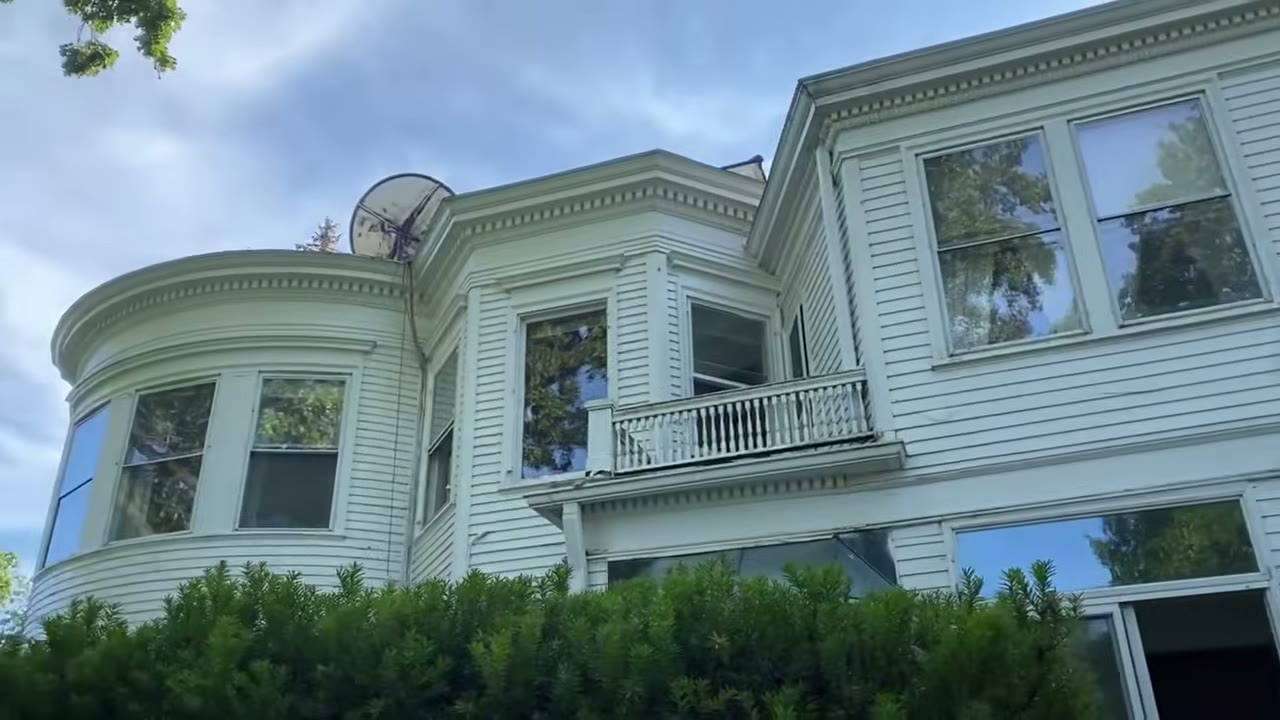
Horizon Farm shows the other path. The opening says the family sold the farm for $20 million, the buyers defaulted on a loan and the property went into foreclosure. By the time I filmed, houses on the property were already down and crews were actively demolishing more. I said the same of the mansion, that it was probably all going to be demolished too.
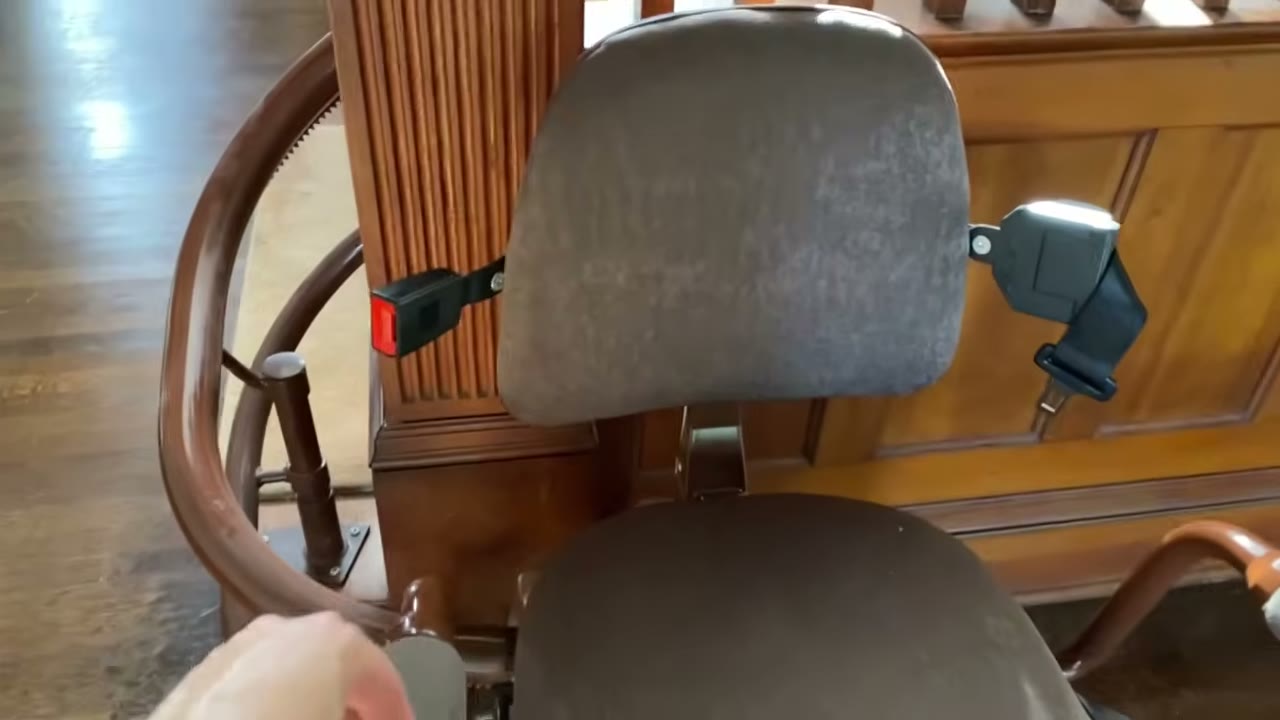
The stair lift is a small detail that says a lot. Somebody lived there for decades, and then the house outlasted them.
Sources
- Watch the Vacancy Epidemic Spread, The Chicago Reporter, May 14, 2014
- Vacant Buildings FAQ, City of Chicago Department of Buildings, accessed Nov 4, 2026
- 65 ILCS 5/11-31-1 Demolition, repair, enclosure, Illinois General Assembly, accessed Nov 4, 2026
- 735 ILCS 5/15-1200.5 Abandoned residential property, Illinois General Assembly, accessed Nov 4, 2026
- Abandoned Property Program FAQ, Illinois Housing Development Authority, Apr 30, 2015
- Residents, city tackle problems around vacant homes and lots, WBEZ, Jun 24, 2013
- 2 houses set for demolition in Streator, Shaw Local, Jun 21, 2024
- Cook County Land Bank Authority, Cook County Government, accessed Nov 4, 2026
- County's Scavenger Sale To Boost Blighted Neighborhoods, WBEZ, May 2018
More like this



The footage that never goes public lives on Patreon. It's paid, and it's where the rough cuts, the security run-ins and the early releases go.