, exact location withheld
Why Houses Sit Empty During Probate
Probate is the court process that settles a dead owner's estate. Why a house can sit empty while it runs, and what those houses look like inside.
Probate is the court process for settling a dead person’s estate, and a house can sit empty during it because only a court approved representative can act for the estate. Getting that approval, filing the paperwork and sorting out any family dispute all take time, and the house waits.
This is entertainment and general information, not legal advice. Probate rules are state law and the details matter, so ask a probate attorney about anything involving real estate.
Does a house have to go through probate?
Not always. Illinois Legal Aid Online says the estate is “all of the property a person owns at their death,” and it leaves out jointly owned property, property that passes automatically, and accounts or policies with named beneficiaries. Real estate held in joint tenancy passes directly to the surviving joint tenants. Real estate can also pass through a Transfer on Death Instrument recorded with the Recorder of Deeds, and then it isn’t part of the estate.
Everything else generally requires probate. A small estate affidavit is the shortcut for small estates, but it’s for personal property worth $150,000 or less that doesn’t include real estate. A house owned by one person, with no recorded transfer, is the case that has to go through the court.
Why can’t someone just clear the house out?
Because nobody has the legal power to yet. The same legal aid source says powers of attorney for health care and property end at death, and that only a representative can deal with the decedent’s property afterward. A family member with a key isn’t a representative until the court says so.
The representative is the executor if there’s a will, or an administrator the court appoints if there isn’t. The will has to be filed in court within 30 days of the death, in the county where the person last lived. Filing it is separate from opening a probate case. In Cook County, the Clerk of the Circuit Court’s Probate Division says “to open a Probate Estate, you need to hire an attorney.”
Once the court gives a representative authority, the job is real. The representative must find and protect the property, pay funeral and burial expenses, pay debts and expenses, distribute what’s left, and keep careful records.
How long does it take?
None of the sources I found give a number. Illinois Legal Aid Online says only that settling an estate “can take months or longer, especially if there is real estate or disputes.”
The same source lists real estate as one of the factors in whether probate is needed at all, and a small estate affidavit can’t be used for it. The representative pays debts and expenses before distributing what is left. I’m not going to give you a timeline, because the sources I found don’t give one.
What turns months into years?
Disputes. The Probate Division of the Circuit Court of Cook County hears all matters involving the administration of both testate and intestate estates. Its list includes petitions for letters of office, will contests and petitions for will construction, claims filed against an estate, citations to discover or recover assets, and petitions to establish heirship.
Each of those is a way a house stops moving. If heirs disagree about a will, or nobody knows who the heirs are, or a creditor files a claim, the court has to sort it out first. A roof leaks the same way whether the owner’s estate is in court or not.
Who is responsible for the building in the meantime?
On paper, the owner, and the legal aid source says the representative must find and protect the property. Chicago’s Department of Buildings is specific about vacant buildings in its FAQ. A residential building with fewer than 10 units is vacant if no one is legally living there and no former resident intends to return within six months. It has to be registered within 30 days, secured, kept clean and insured, and the owner has to post a sign with a name and phone number.
The page doesn’t say how those rules apply to an estate that hasn’t picked a representative yet, so I won’t guess. If you’re dealing with a house in that spot, ask the department.
The tax bill also keeps coming. The Cook County Treasurer’s notice says avoiding a tax sale means paying all the taxes and interest due before it happens. Whether anyone is paying during probate is a separate question that these sources don’t answer. I cover how the tax path works in the guide on tax sale properties.
What can neighbors do about an empty house in probate?
In Chicago, they can report it. A 2016 city press release said residents can report a troubling vacant building by calling 311, which triggers a building inspector visit. The same release said owners must register a building that has been vacant for more than 30 days, renew the registration every six months, and keep it secured, insured and maintained.
That’s the city’s side. It doesn’t tell a neighbor who the representative is or whether the court has appointed one. Court filings in an estate are the court’s business, and the Probate Division’s own page is where to start.
What happens when probate ends?
The representative distributes what’s left. Illinois Legal Aid Online says distribution follows the will if there is one, and otherwise Illinois inheritance laws apply. The representative doesn’t have to be a beneficiary. The same page notes that Illinois has no inheritance tax, and that the estate tax applies only to estates worth $4 million or more.
Only then does the house have a clear owner again. That owner might move in, sell it or leave it, and the Chicago rules above apply to whoever holds title.
What does this look like in practice?
The horse farmer’s house is a good example. I said in the intro that the owner passed away in the early 1990s, and his wife stayed in the house until she passed away in 2013. I said whoever took ownership obviously never came and took the items left over. I also found a gravestone with a horse and a bear on it.

The $1,000,000 mansion is titled as one where the owner passed away. When I walked through, I said it was very destroyed, that the drywall had rotted so badly it could be pushed in, and that there was a lot of decay. I said I wondered when it went abandoned.
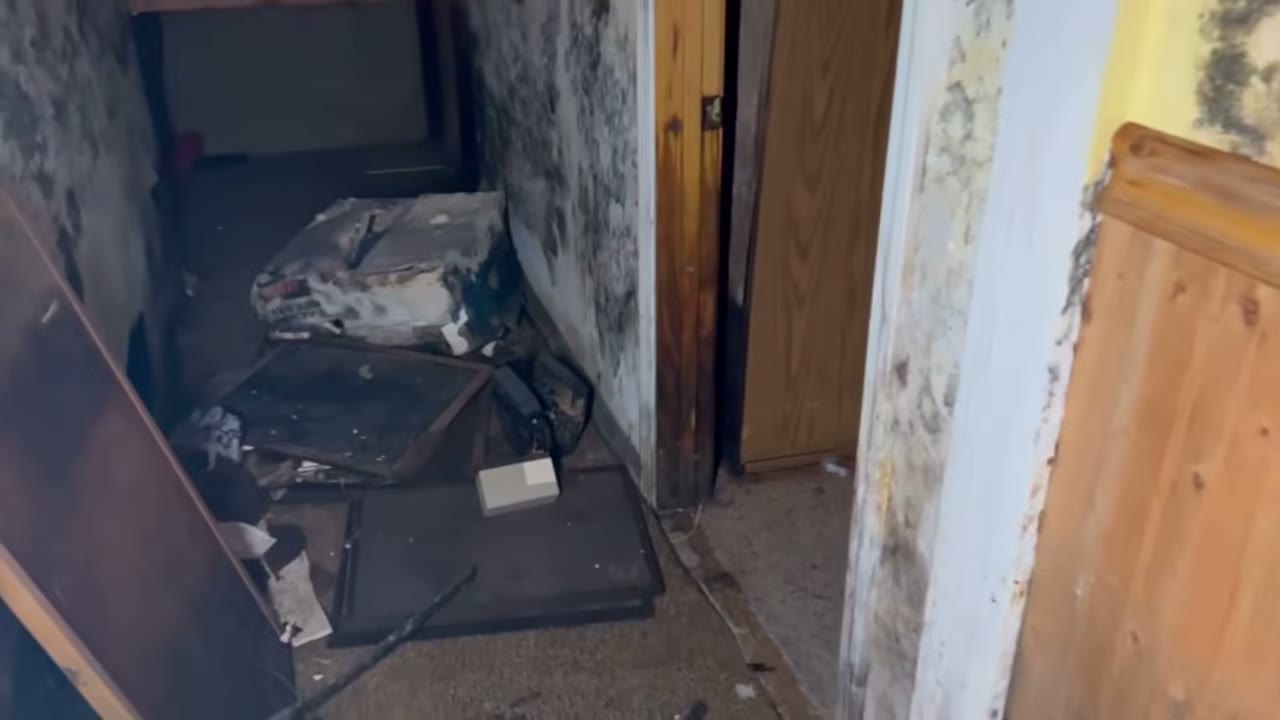
In the vintage clothing collector’s house, I guessed that the owner passed away and a relative was paying the taxes, so the house just sat. I’m not claiming it was probate, because I couldn’t see a court file.
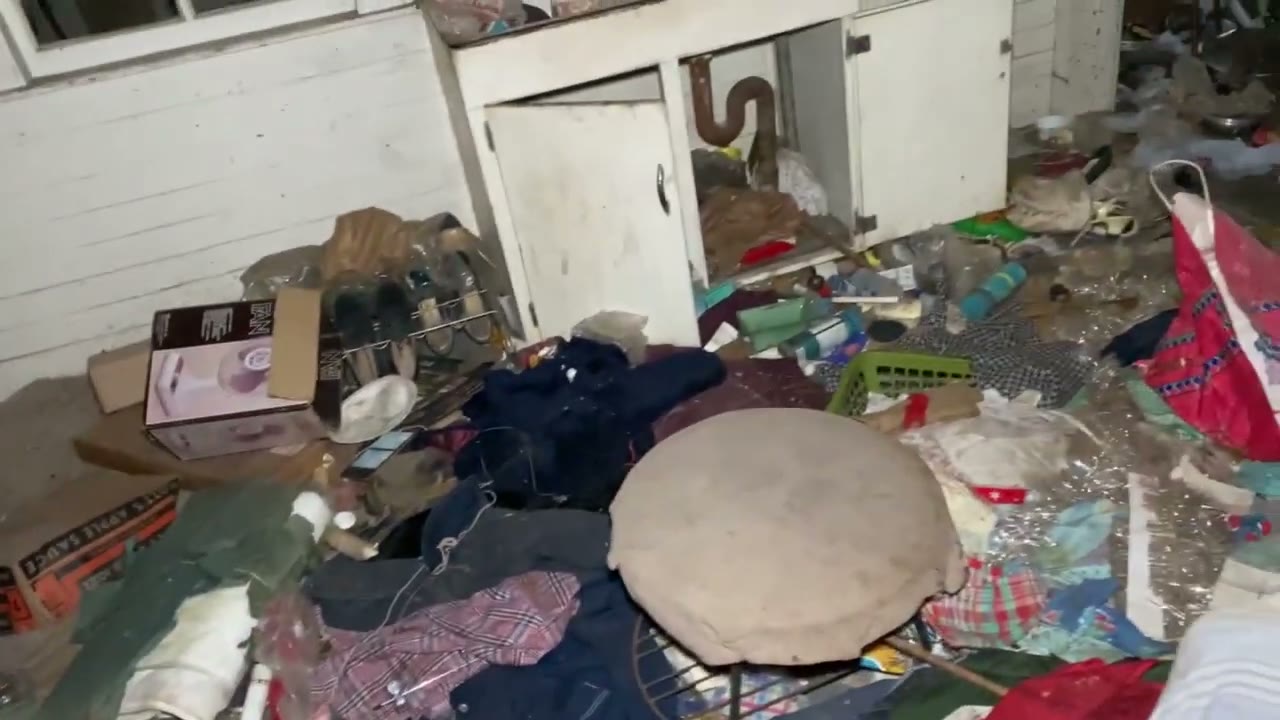
The toy collector’s mansion in Barrington Hills looked like the other end of the process. I said I thought he had passed away and that it looked like they were cleaning the place out and going to demolish it.
When I walk through a house like these, I leave everything exactly as I found it, I don’t take anything, and I keep the locations private. How I find places and stay safe is in a $9.99 PDF called How to Find Abandoned Places.
If a relative’s house is stuck in this spot, the Cook County Clerk’s page says the first step is a probate attorney.
Sources
- How do I settle an estate after someone dies, Illinois Legal Aid Online, last reviewed Apr 29, 2026
- Decedent Estates, Circuit Court of Cook County Probate Division (page undated)
- Probate Division, Clerk of the Circuit Court of Cook County (document undated)
- Vacant Buildings FAQ, City of Chicago Department of Buildings (page undated)
- City of Chicago press release on fast track demolition of dangerous buildings, May 10, 2016
- How to Avoid the Tax Year 2022 Tax Sale, Cook County Treasurer, Dec 2024
More like this


The footage that never goes public lives on Patreon. It's paid, and it's where the rough cuts, the security run-ins and the early releases go.