, exact location withheld
What Happens When a House Goes to Tax Sale?
In Cook County a tax sale sells the unpaid taxes and not the house. What the buyer gets, how owners redeem, and why some empty houses sit first.
A tax sale property is a property whose unpaid real estate taxes have been sold to an investor, who can end up owning the property if the taxes aren’t paid back in time. In Cook County, Illinois, the sale doesn’t sell the house. It sells the debt on it.
This is entertainment and general information, not legal advice. Rules differ by county and state, and everything below is about Cook County. If a tax sale affects you, talk to a lawyer or the county offices that run it.
How does a tax bill turn into a tax sale?
The Cook County Clerk’s brochure lays out the calendar. The first installment is due March 1. The second installment bill goes out in mid summer and is due about 30 days later. The tax sale is held sometime after that second due date. Taxes unpaid after March 1 begin to accrue penalties and interest, and the second installment’s penalties and interest start after its own due date.
The Treasurer’s notice adds that if current taxes aren’t paid on time, a tax buyer may pay them and charge high interest rates. Partial payments are accepted before the sale but won’t stop it on their own, and the office doesn’t accept payment plans.
What actually gets sold at a tax sale?
The taxes, not the building. The Cook County Treasurer’s notice for the December 10, 2024 sale says the office auctions delinquent taxes and not the property itself. That sale covered tax year 2022 bills that went unpaid when they were due, on April 3, 2023 or December 1, 2023.
Investors called tax buyers bid for the right to pay the overdue taxes. The Treasurer calls it buying the taxes. In exchange, the buyer gets a lien on the property. If the owner doesn’t repay the debt in time, the tax buyer can go to court to ask for ownership.
How does an owner get the house back?
By redeeming the taxes. The owner repays the sold taxes, interest and fees to the Cook County Clerk. The Treasurer says the deadline is usually two and a half years after the sale for most properties, and typically one year for commercial properties. The Clerk’s redemption brochure gives a wider range, from six months to two and a half years, and says the tax buyer can extend the period to three years after the sale.
The brochure is clear about what to expect.
- Taxes, interest and fees must be paid in full, and partial payments and payment plans aren’t available
- Payment has to be cash, certified or cashier’s checks, or money orders
- The Clerk issues a Certificate of Deposit for Redemption as proof
Interest is the part that catches people. Before a sale, a late payment carries a penalty of 1.5% per month or any part of a month. Interest on sold taxes can be as much as 36% per year, and the brochure warns that if you wait until the end of the redemption period, you may pay more than twice your original bill in interest and fees. If the full amount isn’t redeemed, the buyer “can actually acquire legal title to your property at the end of the redemption period.”
What is a scavenger sale?
It’s the second tier, for properties that have been delinquent a long time. The Treasurer’s scavenger sale page says taxes on properties with three or more years of delinquent taxes are offered, and the office has to hold the sale every two years. Taxes are sold for cash bids and the highest bidder wins a lien on the property. The winning bid may be less than the total taxes and interest owed.
Residential redemption is typically about two and a half years after the sale. Commercial properties and vacant lots typically get six months. The most recent sale described on the page was completed on March 2, 2022, and offered taxes for tax years 2001 through 2018. This is also where a property can pass into the hands of the Cook County Land Bank Authority, which I cover in the land bank guide. The county’s 2012 plan listed a “no cash bid” at the scavenger sale as one of the ways the land bank could get property.
Why do some houses sit empty before this happens?
Because the clock is long. A property can be delinquent for years before a scavenger sale, and then a redemption period runs after that. Illinois state law has another route too. Under 65 ILCS 5/11-31-1, a municipality can ask a court to declare a property abandoned if it’s tax delinquent for two or more years, unoccupied, and in a condition that harms public health, safety or welfare. The owner gets 30 days to respond after notice is posted, and if nobody acts, the municipality can seek a judicial deed.
Capitol Fax reported in June 2025 that the Cook County Treasurer planned to postpone the Annual Tax Sale for seven months, to March 2026, with legislation barring extra interest during the delay. The same report said more than 1,000 owner occupied Cook County homes had been taken through property tax foreclosure since 2019, more than half after an initial tax debt of $1,600 or less. Those are figures from that report, and the report was making a case for reform, so read them that way. They show that the process is still moving real homes into new hands.
Does paying the taxes keep an empty house from going to sale?
Yes, and it explains a lot of what I see. In the vintage clothing collector’s house, I said what probably happened was that the owner passed away and a relative was paying the taxes, which is why nothing had happened to the house and it was just sitting. That’s my guess from the inside. I didn’t see a tax record, and I’m not claiming it was right.
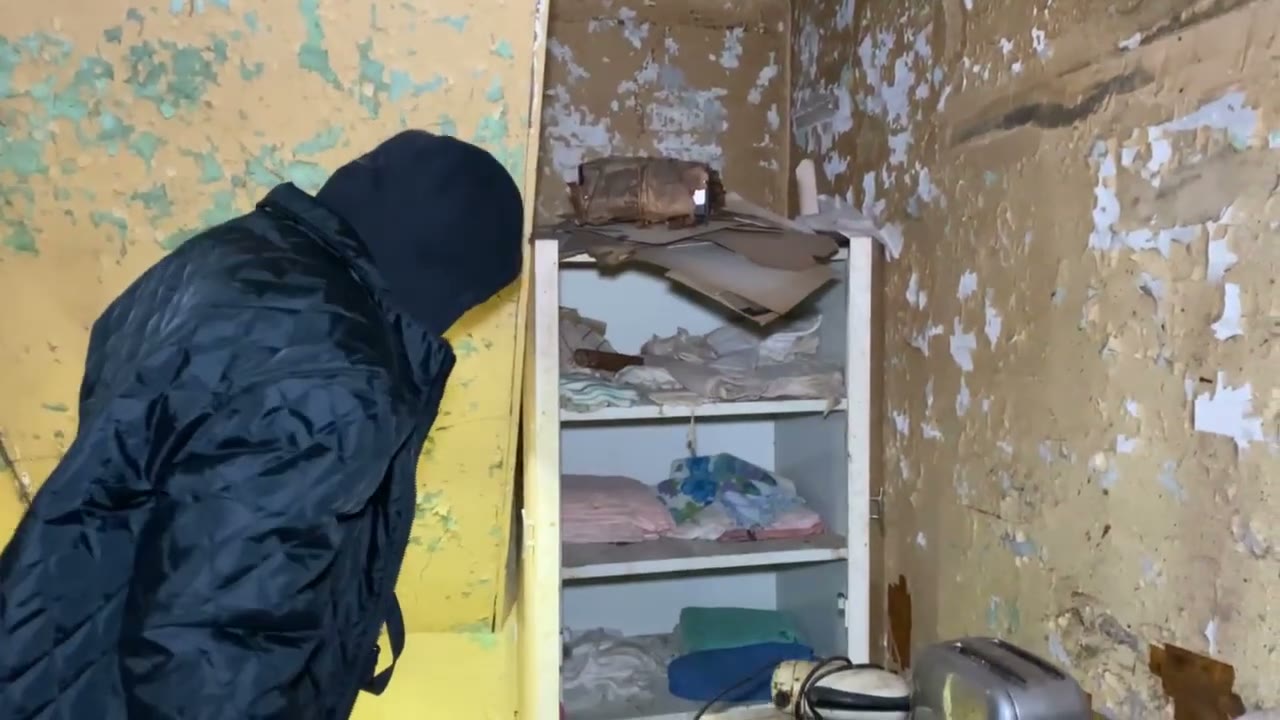
The idea works the other way too. The Treasurer says avoiding the sale means paying all the taxes and interest due before it happens. A house with someone covering the bill can sit untouched, and a house with nobody covering it moves down the path above.
What does this look like in practice?
The Allstate headquarters shows the carrying cost of an empty building at the scale of a campus. I said in the video’s intro that the building was put up for sale in 2022 after the pandemic emptied it, and that paying for its maintenance, utilities and taxes became a poor investment. I said it sold in December 2022 and that the 2 million square foot building began coming down.
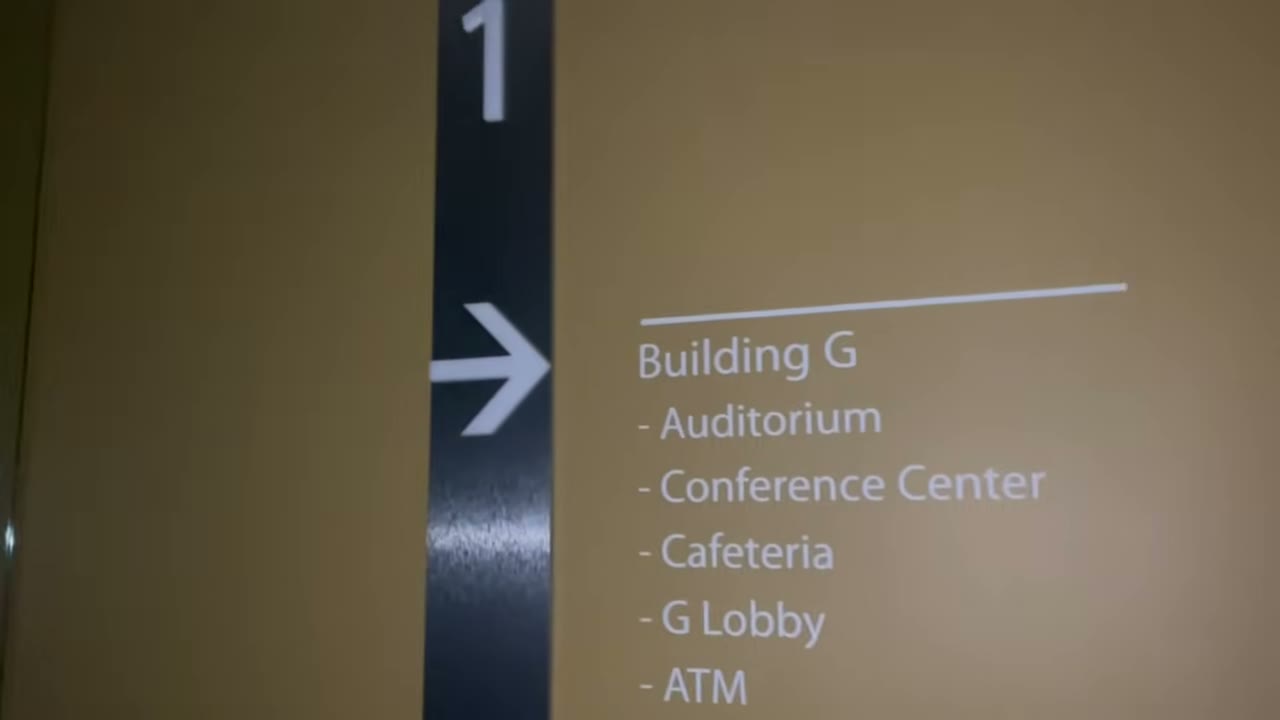

In that video the owner sold the property before anything else happened. I didn’t see tax records, and I’m not saying the building was ever near a tax sale.
I keep locations private, and I leave every place exactly as I found it. The county’s own tools are the place to check a property, since nothing inside a building tells you its tax status. My $9.99 PDF, How to Find Abandoned Places, covers how I find spots and stay safe.
If you’re checking on a Cook County property, the Clerk’s delinquent property tax search by property index number is where the brochure says redemption starts.
Sources
- How to Avoid the Tax Year 2022 Tax Sale, Cook County Treasurer, Dec 2024
- Tax Redemption e-brochure, Cook County Clerk (page undated)
- Scavenger Sale Information for Property Owners, Cook County Treasurer (page undated)
- Cook County delays tax sales on past due homes as Pappas pushes for foreclosure reform, Capitol Fax, Jun 4, 2025
- Illinois Municipal Code, 65 ILCS 5/11-31-1, Illinois General Assembly
More like this



The footage that never goes public lives on Patreon. It's paid, and it's where the rough cuts, the security run-ins and the early releases go.