, exact location withheld
What Is Demolition by Neglect?
Demolition by neglect is when owners let a building rot until it can't be saved. How cities define it, what Illinois can do, and what it looks like inside.
Demolition by neglect is when a building is allowed to fall apart through abandonment or a lack of maintenance until it can’t be saved and gets torn down. The City of Durham, North Carolina, defines it as “the destruction of a building through abandonment or lack of maintenance.” It explains why so many places in my videos are gone a few months after I film them.
This is entertainment and general information, not legal advice. Laws on this change from city to city, so anything that affects you should go to a lawyer or your local building department.
How does a building get neglected to death?
Mostly through water, and then through everything water does. Durham’s page says a building can be declared neglected if a defect leaves it “structurally unsafe or not properly watertight.” It also lists parts that could fall and injure the public, floors, walls, ceilings, roofs, chimneys or supports that are damaged, weakened or visibly sagging, and a foundation that has deteriorated.
Knoxville, Tennessee, says nearly the same thing in its fact sheet. Its ordinance applies when an owner fails to repair exterior features or structural elements, from the roof to the foundation, and that failure leads to “material deterioration” of the building. It adds that minor code violations alone don’t qualify.
Durham’s list puts keeping the building watertight first, and that matches what I see inside. Rain gets in, and ceilings, floors and walls soak it up. Mold follows. None of it happens in a day, which is why it can go on for years before anyone with authority steps in.
Is it illegal to let a building rot?
Sometimes, and mostly for historic buildings. Knoxville’s rules cover only buildings in a historic overlay district, a neighborhood conservation district, or on the National Register of Historic Places. If the owner doesn’t make repairs, the city sends a notice of violation with deadlines. A board can then issue a final order, and if the owner still does nothing, the city does stabilization work and bills the owner or puts a lien on the property. The fact sheet is blunt about the limits. It says the ordinance “provides for stabilization only, not restoration,” and that the owner stays in possession.
Durham’s process lets anyone petition the planning director to open an investigation. The owner can appeal a finding of neglect. If neglect is found, the owner has to make repairs, and the city can seek an order of abatement and civil penalties. The ordinance also has safeguards for owners facing undue economic hardship.
Those two ordinances come from North Carolina and Tennessee, so they show the idea and not Illinois law. They also show the catch. A rule like this only works if the owner can be found, can pay, or has something the city can put a lien on.
What can an Illinois city do about a dangerous building?
The state law that matters most is the Illinois Municipal Code, section 11-31-1. It lets a municipality demolish, repair or enclose dangerous and unsafe buildings, and uncompleted and abandoned buildings, and remove hazardous debris from them. The city has to go to circuit court first. The owner, including lienholders of record, gets at least 15 days of written notice by mail.
The cost of the work can be charged to the owner, along with court costs and attorney’s fees, and it becomes a lien on the property. That lien has to be recorded within 180 days after the work is done.
There is also a path for buildings nobody is paying for. A municipality can ask a court to declare a property abandoned if it has been tax delinquent for two or more years, is unoccupied, and is in a condition that harms public health, safety or welfare. Notice is posted on the property at least 30 days before any declaration, and the owner has 30 days to respond and can ask to demolish or repair. If nobody does, the municipality can get a judicial deed that wipes out existing interests.
There is a faster track for smaller buildings. For buildings of three stories or less that are open, vacant and a continuing hazard, the municipality can post a sign, send a Notice to Remediate by certified mail, publish notice for three consecutive days and record it. It can act after 30 days, within a 120 day window. Anyone who objects can ask for a court hearing, and the work stops until the court rules.
In Chicago, owners of vacant buildings have to register them within 30 days and “secure all openings to prevent unlawful entry,” according to the Department of Buildings FAQ. A 2016 city press release said the 100th building under an expedited demolition program came down less than three months after it launched, and that the city had boarded up and secured more than 1,000 buildings.
Do owners ever let a building rot on purpose?
It gets alleged. In 2017, DNAinfo Chicago reported on a late 1800s building in the Old Town Triangle landmark district that the city wanted to take control of. An alderman said, “We believe that this owner is allowing the building to deteriorate so he can obtain a demolition permit.” The owner denied wanting to demolish it. He blamed years of disrepair on the previous owner and said the architects he consulted believed the building couldn’t be salvaged.
A judge let the city appoint a temporary receiver to secure the building and assess its structure. A judge also found that removing a structural beam and the roof had violated landmark permit procedures. I’m not telling you who was right. The case is useful because both sides describe the same problem. A building in bad shape is cheaper to demolish than to fix, and a demolition permit is the end of the story.
What does it look like inside?
I can’t tell you whether any building in my videos was legally neglected. I don’t see ownership files or city records. I can tell you what I said when I was standing in them.
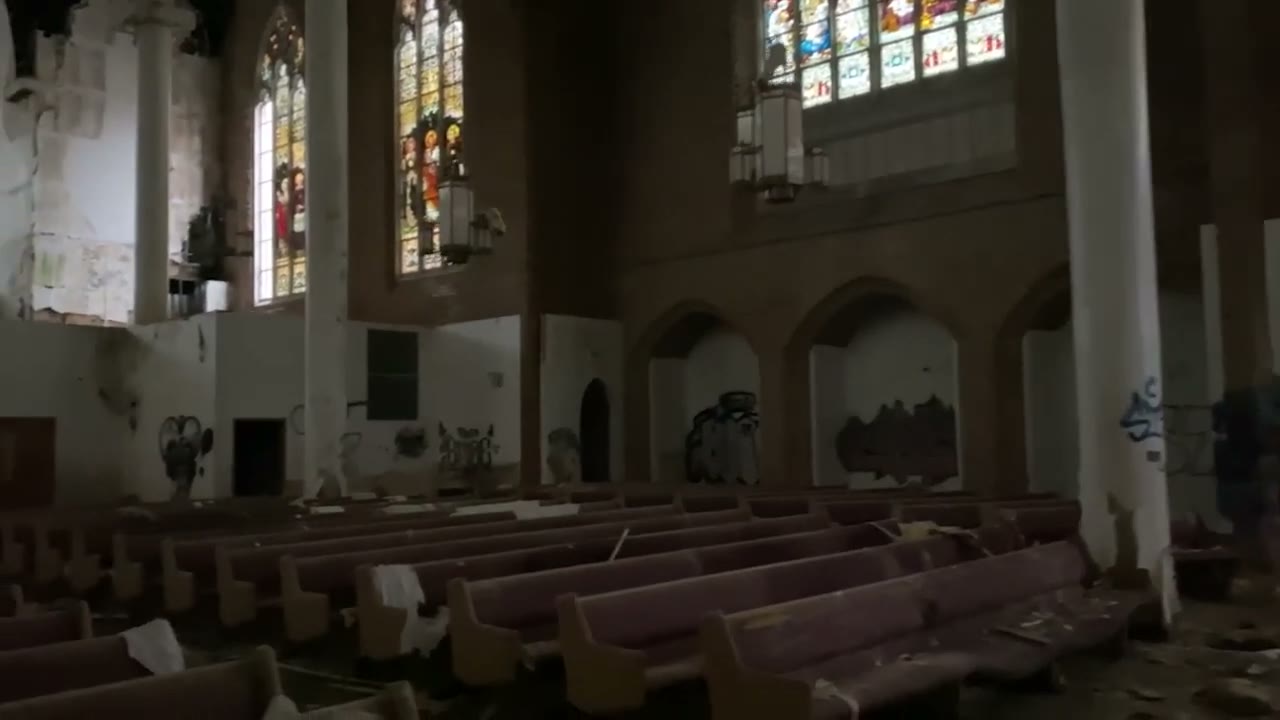
In the South Side church video, I said the church was built sometime in the 1890s and abandoned in 2017. I said it was probably going to be demolished and I put my money on it, because of how bad the shape was, especially the ceiling.
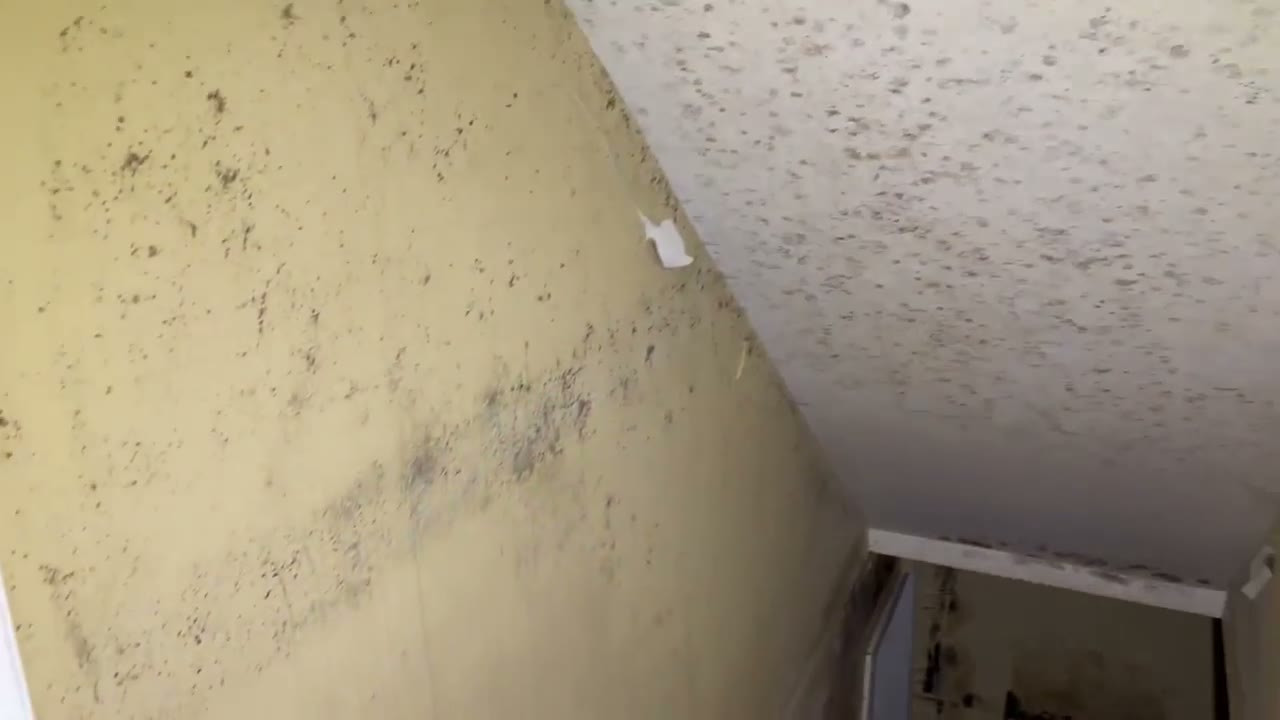
In the lottery winner’s mansion, the basement mold looked really bad and smelled worse. I said the house was going to get demolished and that there was no way they could fix it up with how bad that basement was.
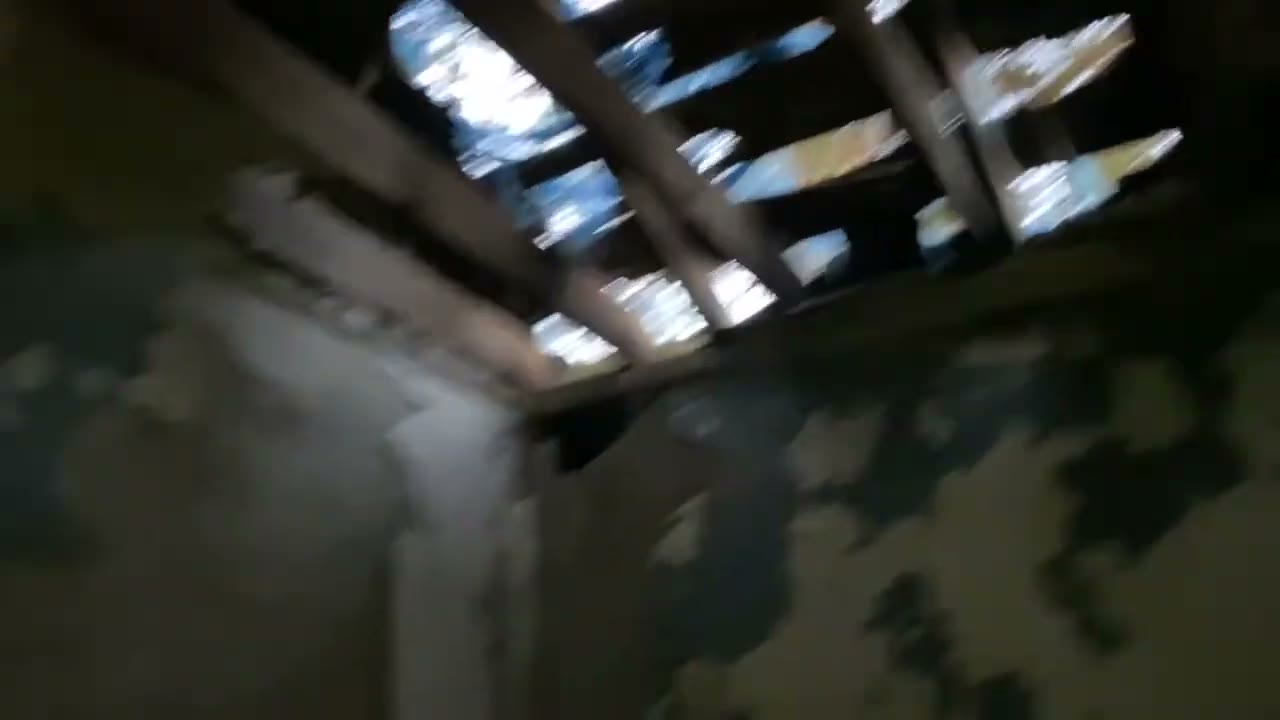
In the Civil War era house, I noticed there was no roof over one section, and I smelled mold. Daylight came straight through the rafters.
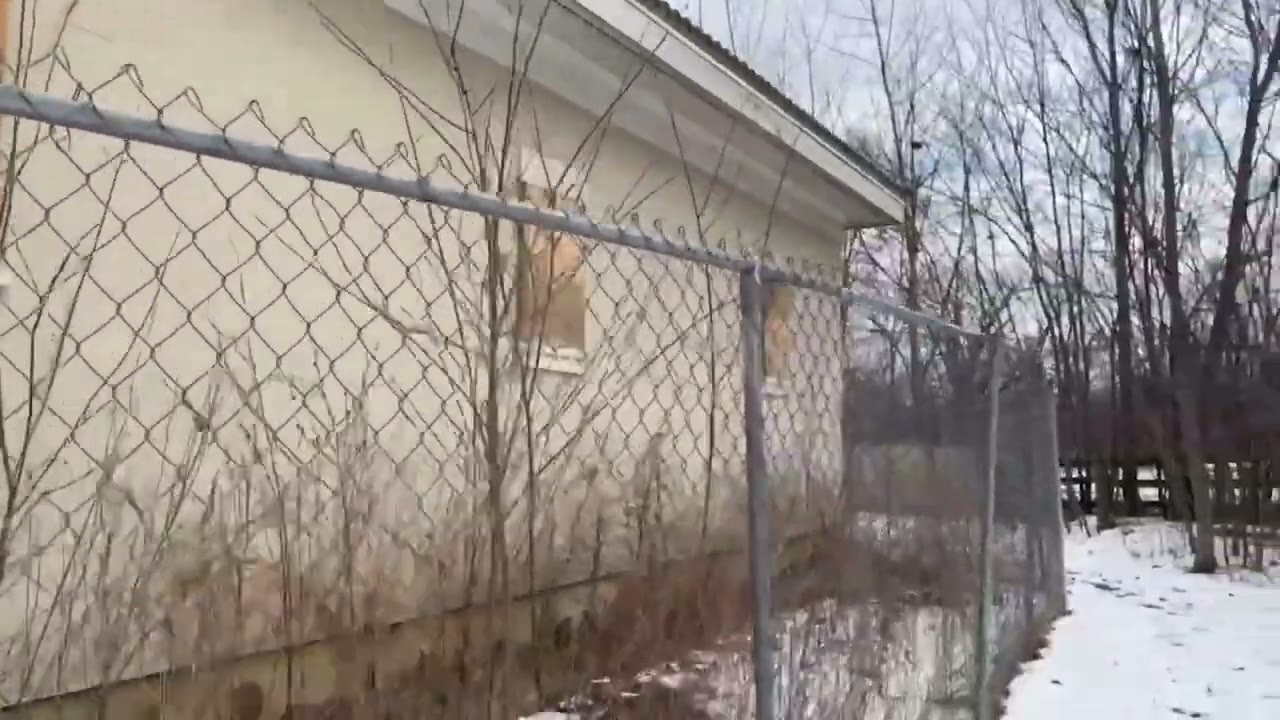
The Naperville mansion is the other end of the timeline. The video is titled as a demolished mansion, and the description calls it an unfinished dream home that was demolished. I filmed the outside, where the windows were boarded and the lot was fenced.
In buildings like these I carry one good flashlight, because most flashlights, including brand ones, aren’t bright enough. It’s linked at the bottom of this page. Floors, stairs and ceilings are the first things that fail in a neglected building, and a dark room hides that.
The code I follow is to leave every place exactly as I found it. That includes the rot. How I find places that are still standing, and how I stay safe in them, is in a $9.99 PDF called How to Find Abandoned Places.
If a vacant building near you in Chicago worries you, the city’s 2016 release says residents can report it by calling 311, which sends a building inspector out.
What I carried in
Same list as every video description.
Sources
- Demolition by Neglect, City of Durham, North Carolina (page undated)
- Demolition by Neglect fact sheet, City of Knoxville Neighborhood Codes Enforcement, Jul 2016
- Illinois Municipal Code, 65 ILCS 5/11-31-1, Illinois General Assembly
- Vacant Buildings FAQ, City of Chicago Department of Buildings (page undated)
- City of Chicago press release on fast track demolition of dangerous buildings, May 10, 2016
- Rotted historic building in Old Town Triangle could be seized by city, DNAinfo Chicago, Mar 30, 2017
More like this


The footage that never goes public lives on Patreon. It's paid, and it's where the rough cuts, the security run-ins and the early releases go.