, exact location withheld
How to Get Permission to Explore an Abandoned Building
Find the owner through public records, ask in writing and expect a no. What Illinois law says about notice, and why owners worry about liability.
To get permission to explore an abandoned building, find out who owns it, ask that person directly and in writing, and accept that the answer is often no. Without a yes from the owner, you shouldn’t go in.
The appeal of my channel is doing things you’re not supposed to, in a respectful way. This guide is the other route, the one where the owner says yes. It’s entertainment and general information, not legal advice, and I’m not a lawyer. Nothing here tells you how to get into a building. It’s about finding the person who has the right to say who goes in.
Why does permission matter?
Because in Illinois, being told to stay out is what makes entry a crime. The criminal trespass statute says notice is given if a person is notified personally, either orally or in writing, or if a written notice forbidding entry is posted at the main entrance. A posted sign counts. Most violations are a Class B misdemeanor.
The statute has exceptions, such as residents and their invited visitors, but there’s no exception for curiosity. A building that looks abandoned still has an owner, and the owner’s wishes are the ones the law cares about. My longer breakdown is in Is Urban Exploring Illegal?, and the reasons owners get nervous about posted videos are in Why Urban Explorers Don’t Share Locations.
Permission from the right person changes the question. It doesn’t make a dangerous building safe, so read about what’s inside before you ask.
How do you find out who owns it?
Start with the parcel number. In Cook County it’s called a PIN, and the Cook County Clerk says the best source is a deed or tax bill. If you only have an address, the Assessor’s website can look up a PIN, but the clerk warns that “matches are not guaranteed,” so confirm it, for instance against the property photo the Assessor usually shows. The Assessor’s tool then gives you value and property characteristics. Other counties have their own assessors, so search for yours.
Next, look at the building from the public sidewalk. Chicago requires owners of registered vacant buildings to post a visible sign with the owner’s name, a street address that isn’t a P.O. Box, a phone number and a registration number. That’s the rule in the city’s vacant building FAQ, and the sign is meant to be read. I explain the registry in What Is a Vacant Building Registration?.
Then think about what kind of owner it might be. It could be a bank, an investor, a church body, a school district, a family estate or a public agency. The Cook County Land Bank Authority, for example, acquires, holds and transfers vacant, abandoned and tax delinquent property, so a property in its hands has a public office you can contact. I cover how that works in What Is a Land Bank?.
What if the owner is hard to pin down?
It often is. The Chicago Reporter found in 2014 that ownership of vacant buildings is frequently tangled among banks, investors and former owners. In one case a building’s title stayed in the former owner’s name four years after she left. That’s an old report and the numbers have changed, but the problem hasn’t gone away.
Foreclosure adds another layer. Chicago’s FAQ says ownership continues during a foreclosure lawsuit and ends only when a judge signs an Order Approving Sale and a Judicial Sales Deed is recorded. Until then, the owner of record is still responsible for the building. So the person you need may be someone who has already moved out.
If you can’t establish who owns a place, you don’t have permission and you don’t have a person to ask. Move on to another building.
Who can actually say yes?
The owner, or someone the owner has given authority. A neighbor, a passerby, a contractor on the sidewalk or someone who says they know the owner can’t. Ask who they are and what their authority is, and get the yes in writing with the date, the address, the names of everyone who’ll be there and what you’re allowed to do.
I’m not a lawyer, and what counts as valid permission can depend on the facts. If you’re unsure, ask an attorney before you rely on any permission.
What do you say in the request?
Keep it short and specific. A good message covers who you are, what you want to do, when and for how long, how many people will be there, and what you’ll do with the photos or video. Say that you’ll leave everything exactly as you found it, take nothing and damage nothing. Offer to show the owner the footage before it goes anywhere, and offer to keep the location private. Ask what they require from you, such as a signed waiver or proof of insurance.
An owner who says yes may still say no to posting. Respect that. It’s their building and their name on the deed.
Why do owners say no?
Mostly because of liability. Illinois’s Premises Liability Act says the duty owed to entrants is “reasonable care under the circumstances,” and it adds that “nothing herein affects the law as regards any category of trespasser.” The act itself doesn’t say more about trespassers. An owner who lets someone in is inviting a duty of care, in a building that may have bad floors and no power.
Chicago also requires vacant building owners to carry liability insurance, with proof at registration, and to secure every opening. Owners are already paying to keep people out. A request to bring a crew in goes against all of that, which is one reason a no is a common answer and not a personal one.
Expect to be asked to sign something. Read it. A lawyer can tell you what you’re agreeing to, which isn’t something I can do.
What about filming?
Filming has its own rules. The Chicago Film Office says permits cover filming on streets, sidewalks, alleys and other public properties. It says lower impact work, such as news and documentaries, typically doesn’t need one, except at places like the Park District, Navy Pier, Millennium Park and CTA locations, which issue their own. It also states that “production shall not occupy private property,” and that access to neighboring buildings or residences can’t be restricted without prior arrangement and the owner’s or manager’s permission.
Those rules are about the city’s permits, not about entering a private building, so don’t read them as a way around the owner. They do show how filming gets handled when it’s done by the book. Ask the owner, and ask the film office if public property is involved.
What does this look like in practice?
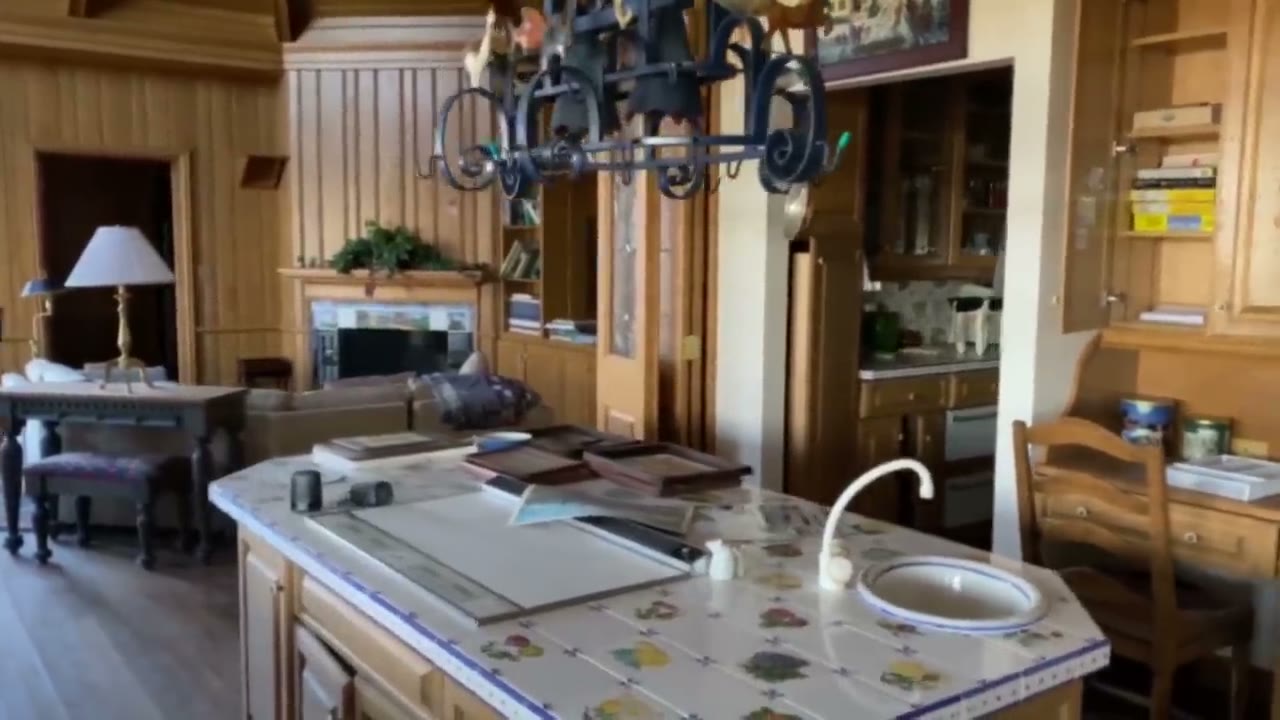
In my Horizon Farm video there’s a chapter titled “Navigating security alarms.” Owners of big properties protect them, and the chapter title says as much. The Horizon Farm post has the rest.
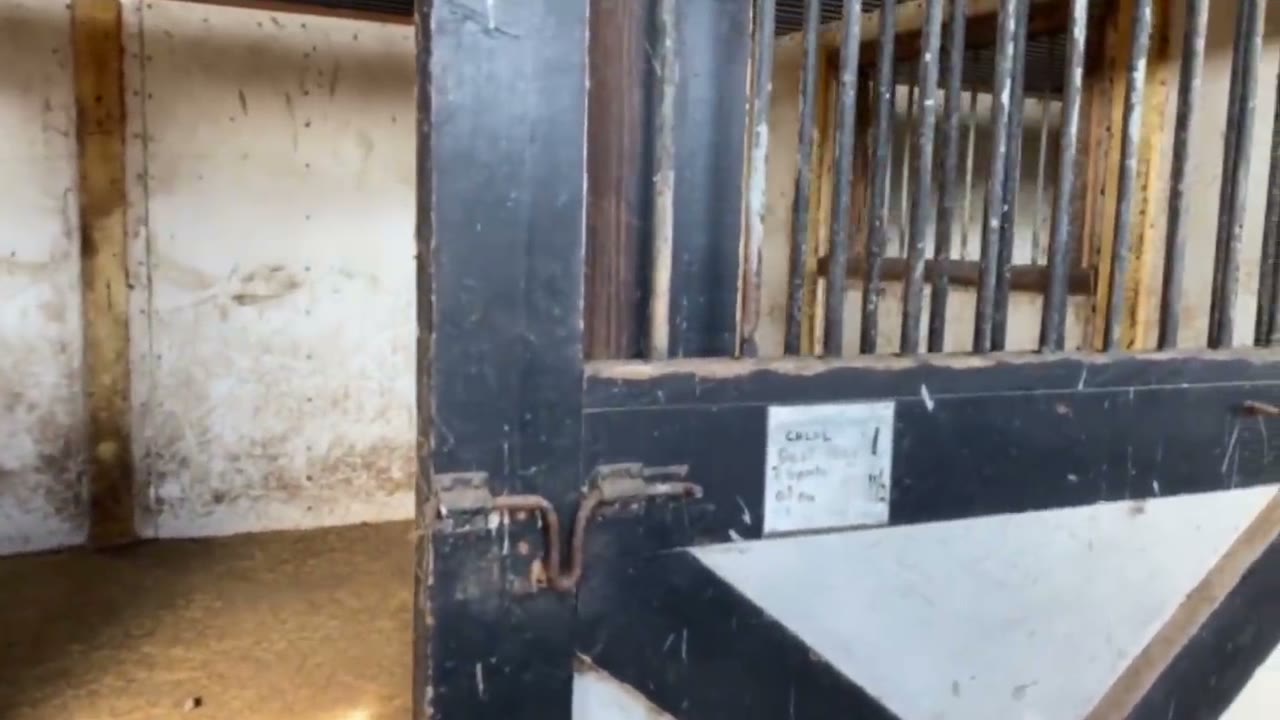
Not every owner is a bank. The same video ends in the stables, where each stall had a card with a horse’s name on it. That’s a place someone ran as a family business, and whoever owns it now has something to protect.
Churches and houses of worship have owners too. The Loves Park church video is titled as closed since 2019, and its description says it’s now demolished. Someone held that deed, and the same assessor and deed trail leads to them.
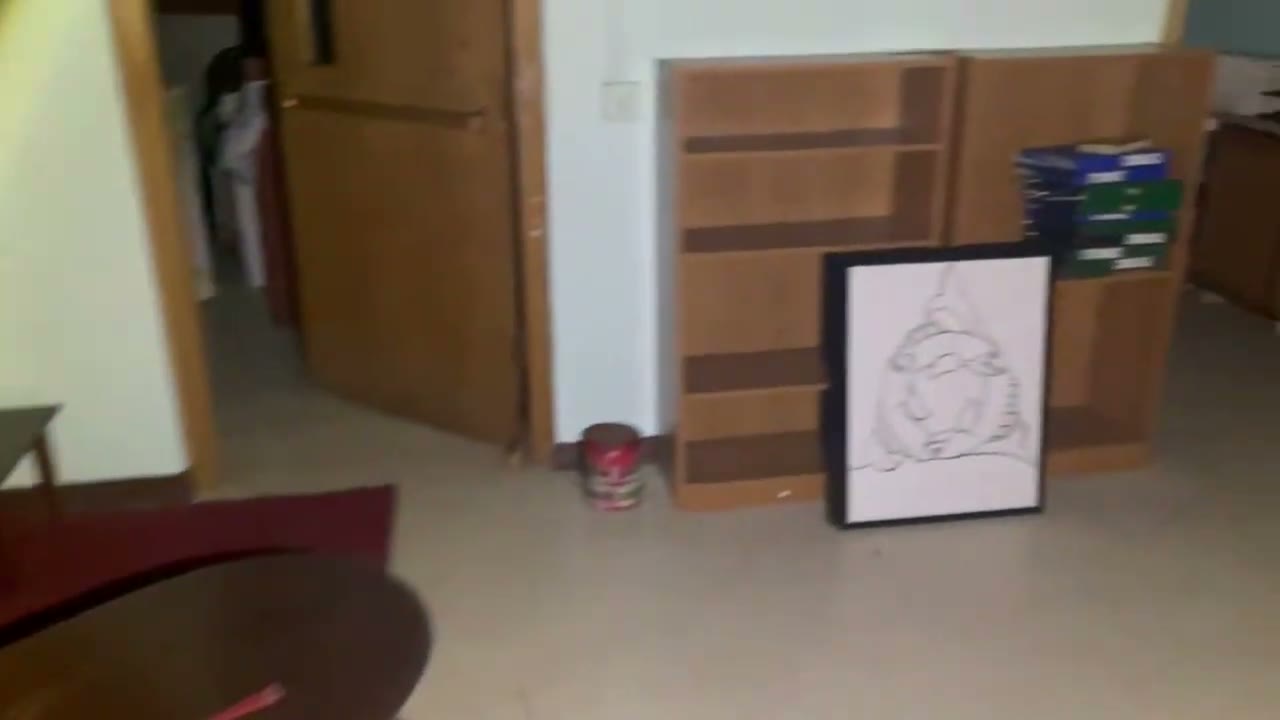
The title of my $1,000,000 mansion video says the owner passed away, and Why Houses Sit Empty During Probate covers why a house can sit afterward. In a case like that, the person to ask is whoever handles the estate.
If you want the larger picture of how I look for places and stay safe, the $9.99 PDF is How to Find Abandoned Places. Ask first, ask in writing, and be ready to hear no.
Sources
- 720 ILCS 5/21-3 Criminal trespass to real property, Illinois General Assembly, accessed Nov 4, 2026
- Find out more information about your property, Cook County Assessor's Office, accessed Nov 4, 2026
- About Property Index Number (PIN), Cook County Clerk, accessed Nov 4, 2026
- Vacant Buildings FAQ, City of Chicago Department of Buildings, accessed Nov 4, 2026
- Premises Liability Act (740 ILCS 130), Illinois General Assembly, accessed Nov 4, 2026
- Permits for Filming, Chicago Film Office, City of Chicago, accessed Nov 4, 2026
- Watch the Vacancy Epidemic Spread, The Chicago Reporter, May 14, 2014
- Cook County Land Bank Authority, Cook County Government, accessed Nov 4, 2026
More like this



The footage that never goes public lives on Patreon. It's paid, and it's where the rough cuts, the security run-ins and the early releases go.