, exact location withheld
Why Abandoned Houses Still Have Everything Inside
An empty house still has an owner, and so does the furniture. Why estates, foreclosures and heirs leave houses full, with Illinois rules and my videos.
Abandoned houses still have everything inside because an empty house is not an ownerless house. An estate, a bank or an heir still owns the furniture, the clothes and the photos, and nobody with that right has been forced, paid or willing to carry it out.
This is entertainment and general information, not legal advice. It’s also the reason my rule is to leave every place exactly as I found it. The things in a house like this belong to somebody, even when nobody is looking after them.
What happens to a house full of belongings when the owner dies?
It goes into a legal process, and the process is slow. Illinois Legal Aid Online says an estate is everything the person owned at death, including bank accounts, real estate, vehicles and personal property. A will has to be filed in court within 30 days of the death. If probate opens, the court appoints a representative who collects and protects the property, pays funeral costs and debts, and distributes what remains. With no will, the court appoints an administrator and Illinois inheritance law decides who gets what. Legal Aid says settling an estate “can take months or longer.”
A house makes that longer. The small estate affidavit, which lets a family skip probate, only works if the personal property is $150,000 or less and there is no real estate. The Cook County Probate Division says its courtrooms hear all matters involving the administration of both testate and intestate estates, meaning estates with a will and without one. That includes claims against the estate and petitions to establish heirship, which is the court deciding who the heirs are. The Clerk of the Circuit Court says plainly that opening a probate estate takes an attorney.
Nothing in that process says the house has to be emptied quickly. The representative’s job is to protect the property, and that includes what’s inside. I explain the timeline in more detail in Why Houses Sit Empty During Probate.
How many empty homes are like this?
A lot of them. The Census Bureau counts vacant homes that aren’t for sale, for rent or seasonal in a bucket called “other vacant.” In 2010 that was 3.7 million units, which is 19.3 percent of the 18.9 million vacant homes in the country and 1.3 million more than in 2000.
The Bureau’s own list of reasons is the useful part. The owner is making repairs, doesn’t want to rent or sell, or is using the home for storage. The owner is elderly and living in a nursing home or with family. The unit is being held while an estate is settled. Or it’s being foreclosed. Several of those describe a house whose owner is gone or can’t come back, with the belongings still inside. That’s 2010 data, so read the numbers as a snapshot. The reasons are what carry over.
Why don’t the heirs just clear it out?
Sometimes they can’t, and sometimes the stuff isn’t worth the trouble. A KJZZ story out of Phoenix quotes Erik Hoyer, who runs an auction and consignment business that handles estates. He says his company turns away about 60 percent of what it sees. His example is a Hummel figurine that once sold for $300 to $400 and may now bring around $50 in a lot of three or four. “They’re not collecting that stuff anymore,” he says. A professional organizer in the same story says, “I think Millennials are more disposable, and I think they’ve seen us burdened down with too much stuff.”
That story is about Arizona and it’s undated, so I’m using it for the pattern and not for a number. The pattern is that emptying a house of furniture costs time and money, and the resale value is lower than families expect. If the house is also going to be demolished, as some in my videos were, nobody is under pressure to clear it first.
Then there’s the house that’s hard to empty. A 2019 review of the research in the Journal of Affective Disorders pooled 11 studies and 53,378 participants and put the prevalence of hoarding disorder at 2.5 percent, noting that earlier estimates ranged from 1.5 to 6 percent. That explains some houses and not most. I’m not saying any house in my videos was one of them. A house that looks packed can also just be a house a family lived in for a long time.
What about foreclosures and evictions?
Those are different roads to the same result. When a bank forecloses, the GAO found in 2010 that servicers walk away from some foreclosures when “the cost to complete the foreclosure exceeds the anticipated proceeds from the property’s sale.” The GAO estimated these abandoned foreclosures were less than 1 percent of vacant homes between January 2008 and March 2010, concentrated in distressed areas. Servicers aren’t required to tell borrowers they’ve walked away, so some owners didn’t realize they still owned the home and stayed responsible for the debt, the taxes and the upkeep.
Evictions leave belongings in a different way. The Cook County Sheriff’s guide says the Sheriff’s Office does not remove or secure a tenant’s personal property and isn’t responsible for either. On eviction day the staff discuss what you’re taking with you, such as medicine, jewelry, currency and important documents. Arrangements for everything else are between the tenant and the landlord, and the locks are changed once the landlord has possession. The page doesn’t say where belongings go afterward or for how long, so I won’t guess.
For a zombie property, where nobody is clearly responsible, I cover the legal side in What Is a Zombie Property?.
What does this look like in practice?
The clearest example in my videos is the horse farmer’s house. The description says the man passed away in the early 1990s, his wife lived there until she died in 2013, and whoever took ownership never removed any of the items. In 2022 the house still held all of it. In the video I said I found their gravestone, which had a horse and a bear on it, and I called the house “a complete time capsule.”
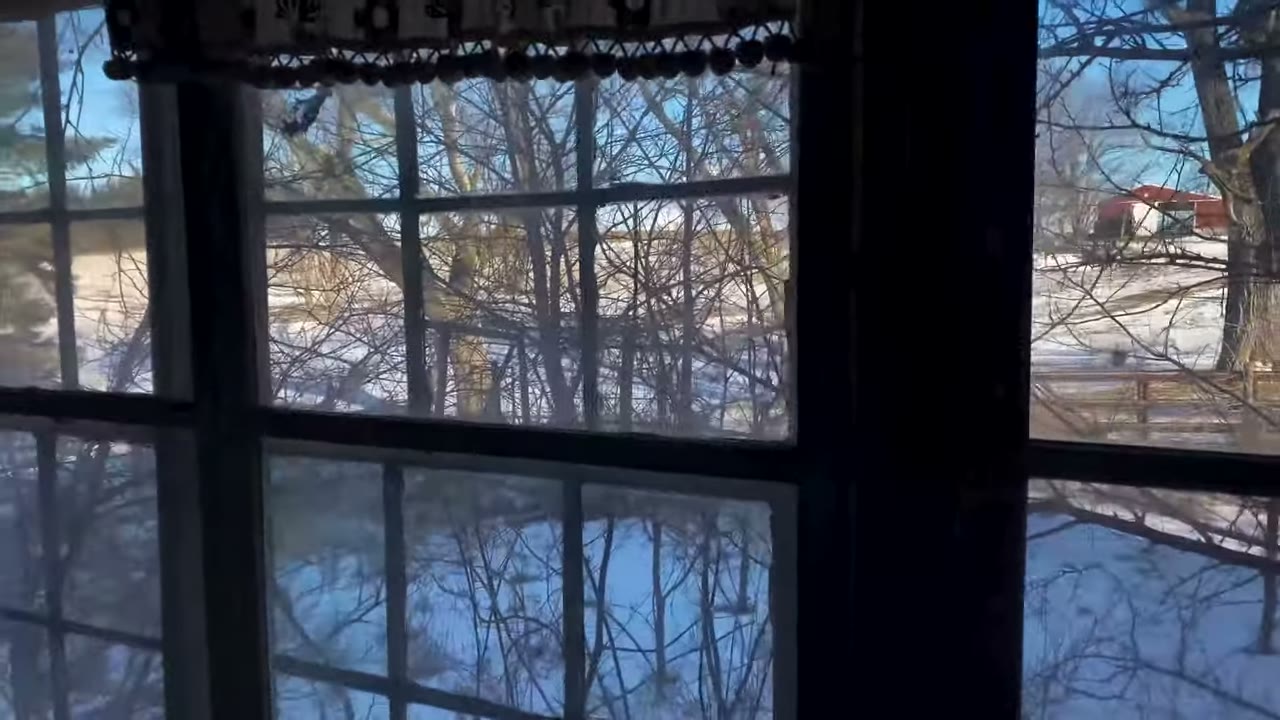
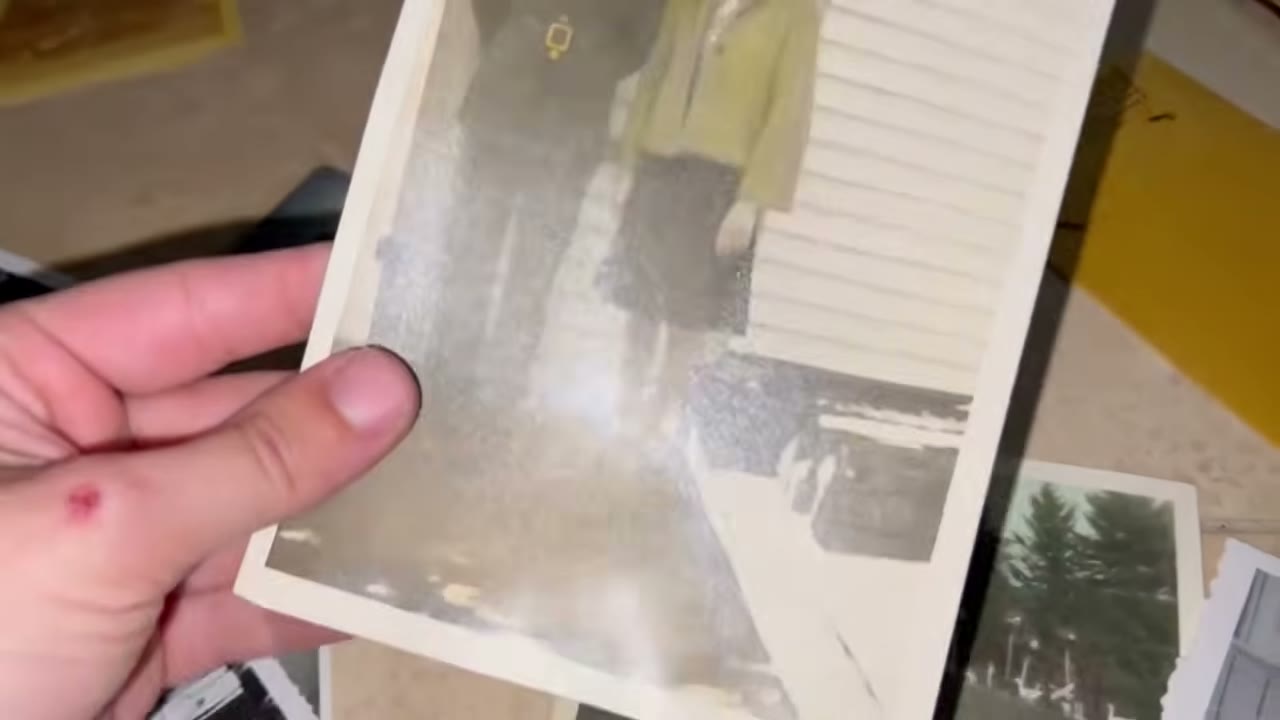
The toy collector’s mansion in Barrington Hills shows a house that was only partly emptied. The description says most of it had been cleared out, but the garage was packed with valuables and there were family photos left behind. At the start of that video I said I thought the owner passed away and that it looked like they were cleaning it out before demolishing the place. In the description I said there was nothing online about the old owner or the story behind it, and that my best guess was a collector who has since died. A guess is all it is.
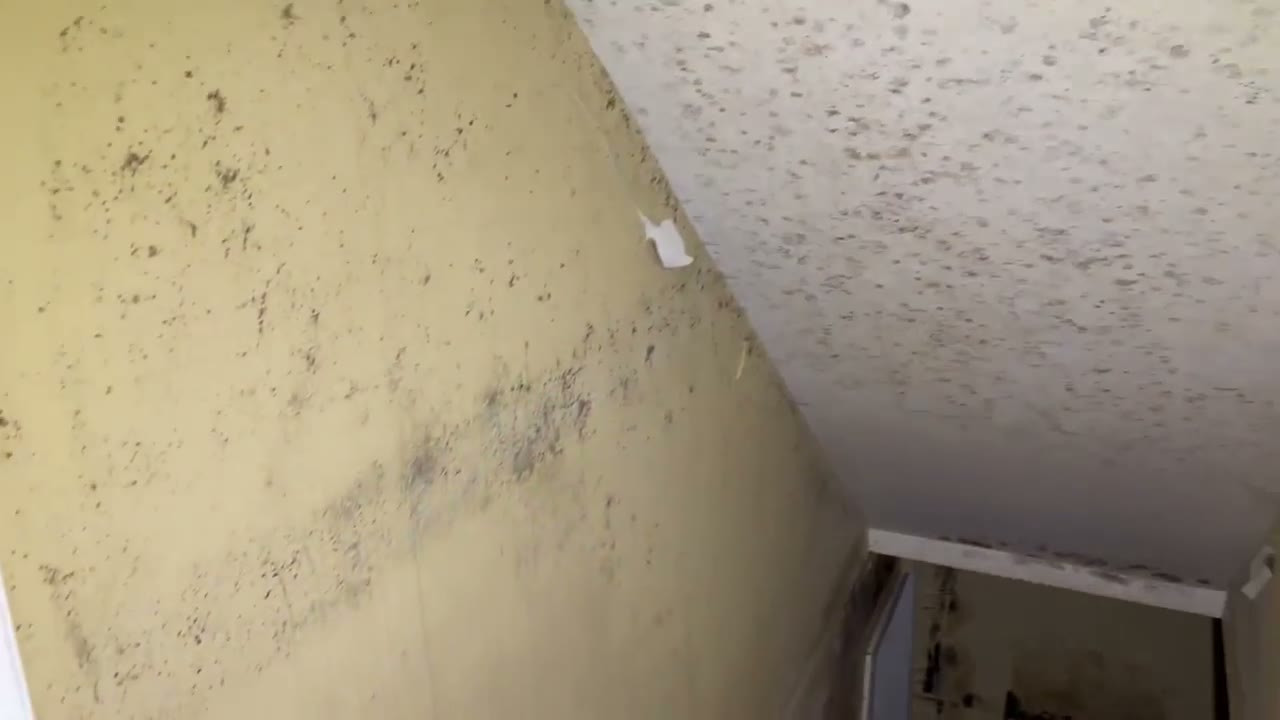
The lottery winner’s mansion is the foreclosure version. The description says a doctor and his wife bought it in 2016 after winning the lottery, that the family forgot about taxes after spending the money, and that the mansion was taken from them. It was listed for sale in 2018 and never sold. By the time I filmed, the basement was covered in mold, and I said on camera that it smelled bad.
None of these houses were abandoned by choice in the way people imagine. Somebody died, somebody lost the house, and the legal and practical work of emptying it never got done. I don’t give out locations, and I explain why in Why Urban Explorers Don’t Share Locations. How I find places and stay safe in them is covered in a $9.99 PDF called How to Find Abandoned Places.
An empty house has an owner, and so does everything in it.
Sources
- Other Vacant Housing Units: 2000, 2005, and 2010, U.S. Census Bureau, 2013
- How do I settle an estate after someone dies, Illinois Legal Aid Online, accessed Nov 4, 2026
- Decedent Estates, Circuit Court of Cook County Probate Division, accessed Nov 4, 2026
- Probate Division, Clerk of the Circuit Court of Cook County, Feb 2025
- No Thanks, Mom, Many Millennials Don't Want Parents' Furniture, Collectibles, KJZZ Fronteras Desk, undated
- Prevalence of Hoarding Disorder, A Systematic Review and Meta-analysis, Journal of Affective Disorders, 2019
- Foreclosures, Federal Efforts to Address Abandoned Foreclosures (GAO-11-93), U.S. Government Accountability Office, Nov 2010
- Eviction Procedure, Tenant's Guide, Cook County Sheriff's Office, accessed Nov 4, 2026
More like this


The footage that never goes public lives on Patreon. It's paid, and it's where the rough cuts, the security run-ins and the early releases go.