, exact location withheld
Why Midwest Factories Closed
Midwest factories closed when demand fell, machines replaced workers and owners consolidated plants. The jobs numbers, real Illinois closings and why the buildings sit empty.
Midwest factories closed because they stopped paying for themselves. Demand fell, competitors got cheaper, machines did the work of whole shifts, and owners with several plants picked one to shut. The building is what’s left over, and the building is usually worth less than the cost of getting rid of it.
This is history and general information, not legal advice. Every number below links to the agency or newspaper it came from, and none of it is a reason to go inside anything.
How many factory jobs did the Midwest lose?
Millions nationally, and more than a million in the Midwest. The Bureau of Labor Statistics says U.S. manufacturing employment peaked in June 1979 at 19.6 million jobs and stood at about 12.8 million in June 2019. That is a loss of 6.7 million jobs, and manufacturing’s share of all nonfarm jobs fell from 22 percent to 9 percent.
The same agency looked at our region separately. Between 1990 and 2019 the Midwest lost 1.1 million manufacturing jobs, or 21.2 percent. Illinois went from 17.3 percent of its nonfarm jobs in manufacturing in 1990 to 9.6 percent in 2019, and in machinery alone it lost 61,600 jobs, a drop of 46 percent.
The Chicago Fed saw the exposure coming. In 2003 it noted that the Midwest was 44 percent more dependent on manufacturing than the rest of the country, and that the region had lost one in five manufacturing jobs in the recessions of 1980 and 1981 to 1982. It put mid 2003 employment in Illinois at 21 percent below 1990 levels.
Was it trade, machines or recessions?
All three, and the agencies say so. The BLS article on the Midwest says factory job loss in the early 2000s has no single explanation. It points to steep losses in the 2001 recession and the Great Recession, to the 2000 grant of permanent normal trade relations to China, and to productivity. Labor productivity in manufacturing rose 101.8 percent from 1990 to 2019, so a company needed fewer workers for the same output.
The Illinois numbers show how that plays out. A WSIU report found that Illinois lost nearly 300,000 manufacturing workers since the 1940s while output kept growing, with output per worker rising from $118,000 in 2000 to $163,000 in 2016. Plants closed and the economy still made more things, just with fewer people and fewer buildings.
Older reporting adds the local pressures. A 1995 Christian Science Monitor story on Chicago factories said high taxes were largely to blame for driving jobs out, and it also listed automation and moves to the South. The Chicago Fed wrote that imports from very low wage countries went from 2 percent of U.S. imports in 1972 to 15 percent in 2002.
What does a big closing look like?
It looks like a date, a number of workers and a plan for the land. The steel mills show the scale. The Encyclopedia of Chicago says South Works closed in 1992 and that about 16,000 Chicago area steelworkers lost their jobs between 1979 and 1986. It says the big mills were older, less efficient plants that could not survive falling demand and rising foreign competition.
Cicero’s Hawthorne Works, a Western Electric telephone plant that opened in 1903, covered 141 acres and employed 40,000 people at its peak. It shut in 1983, and WBEZ reports that a large strip mall now sits on the site.
Newer closings read the same way. Navistar said in January 2021 that it would sell its Melrose Park site, 125 acres that once made engines and later served as a technical center and test site. The company cited lower engine manufacturing and the trucking industry’s growing interest in alternative fuel drivetrains. It said a property that size was not necessary, planned to move about half of the 500 person workforce to other facilities, and was selling to a developer with plans for an industrial park, according to Power Progress.
Does a product ever just stop being needed?
Yes, and the Tribune’s printing plant is a clean example. The Freedom Center opened in 1981 on 30 acres in River West. The Tribune’s last press run there finished at 12:48 a.m. on May 19, 2024. The paper reported that weekday circulation had fallen about 75 percent in a decade, that four of its ten presses had already been retired, and that Bally’s had bought the site in 2022 for a casino. Demolition began on August 27, 2024.
My own video of the plant came from the weeks in between, after the last run and during demolition, and the Chicago Tribune Freedom Center post has what was left on the control desks.
Why do closed factories sit empty for years?
Because the cleanup bill lands on whoever is holding the deed. Pillsbury Mills in Springfield is the Illinois example I keep coming back to. Pillsbury built the campus in 1929 and sold it to Cargill in 1991, and Cargill left about a decade later. In 2015 a scrap dealer improperly disposed of asbestos, which led to a $3 million EPA cleanup, according to the Associated Press.
The EPA dropped its lien after a nonprofit, Moving Pillsbury Forward, stepped in and bought the property for $1. Its plan is a five year, $10 million project to raze the 500,000 square foot plant and redevelop 18 acres, and it was still looking for about $2.6 million in federal brownfields money. A local resident called the state of the site “unacceptable.” Someone involved in the project put the problem plainly. “It isn’t going to be anything until what’s there is gone.”
That is the usual order of things. The closing is announced, the equipment and metal leave, and then the building waits on someone to pay for asbestos, lead paint and demolition. The scrappers guide covers who strips a plant in the meantime, and industrial archaeology covers the people who document these places before they go. I’ve done Pillsbury Mills too, with the paperwork still in the rooms.
What does this look like in practice?
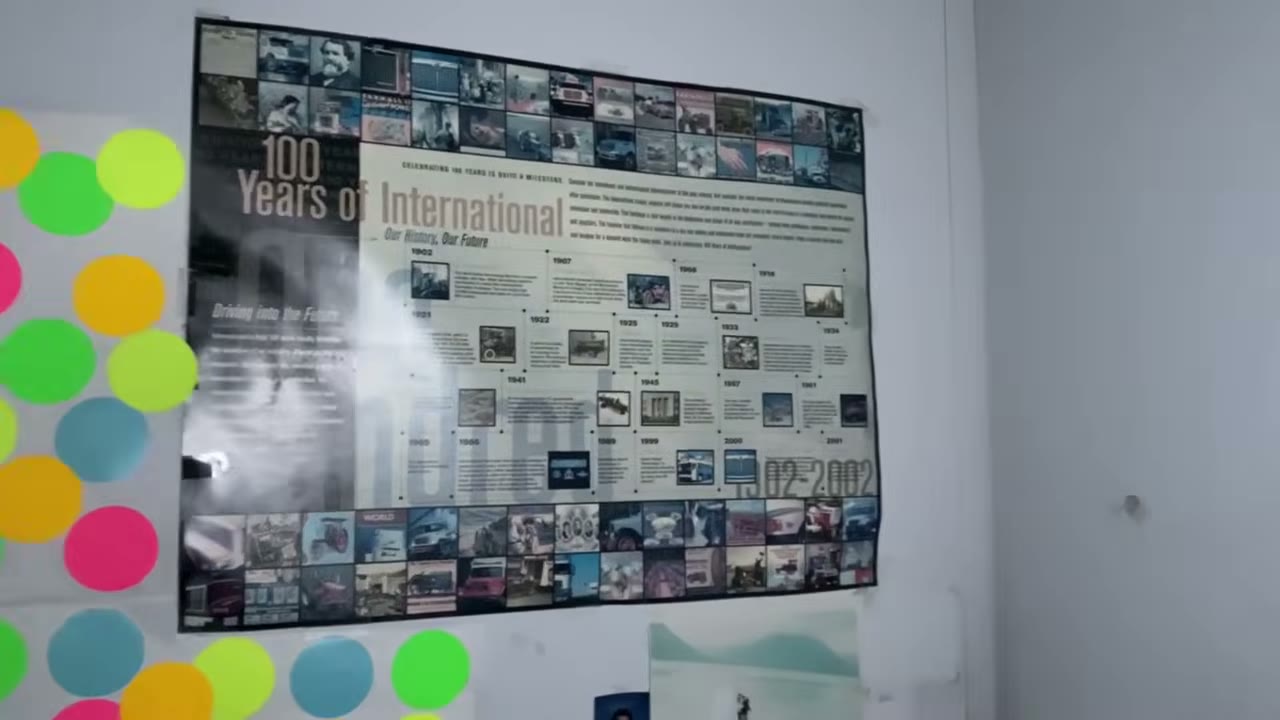
The Melrose Park plant is the one I can show you from my own video. My description of the Navistar engine factory says it was a now demolished plant that made truck engines and was initially an airplane engine factory. We found lots of engine parts, engine bays, a really expensive soundproof room for testing engine quality and a whole diesel engine.
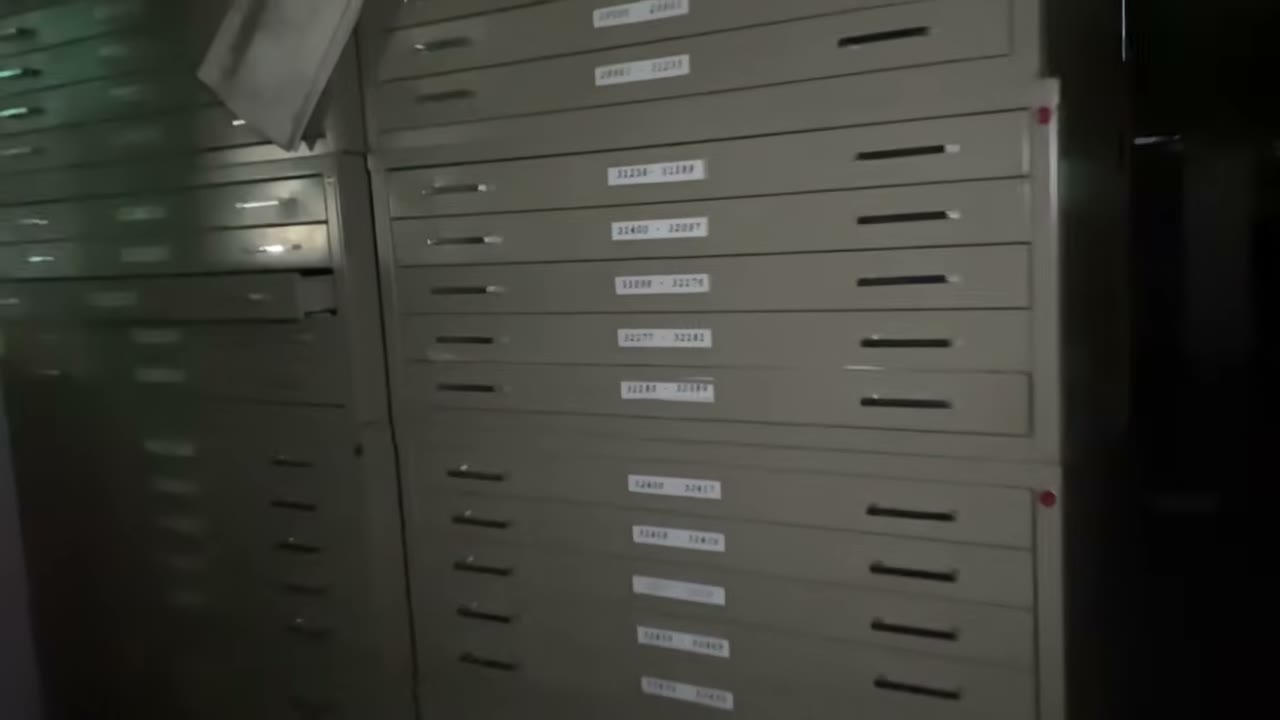
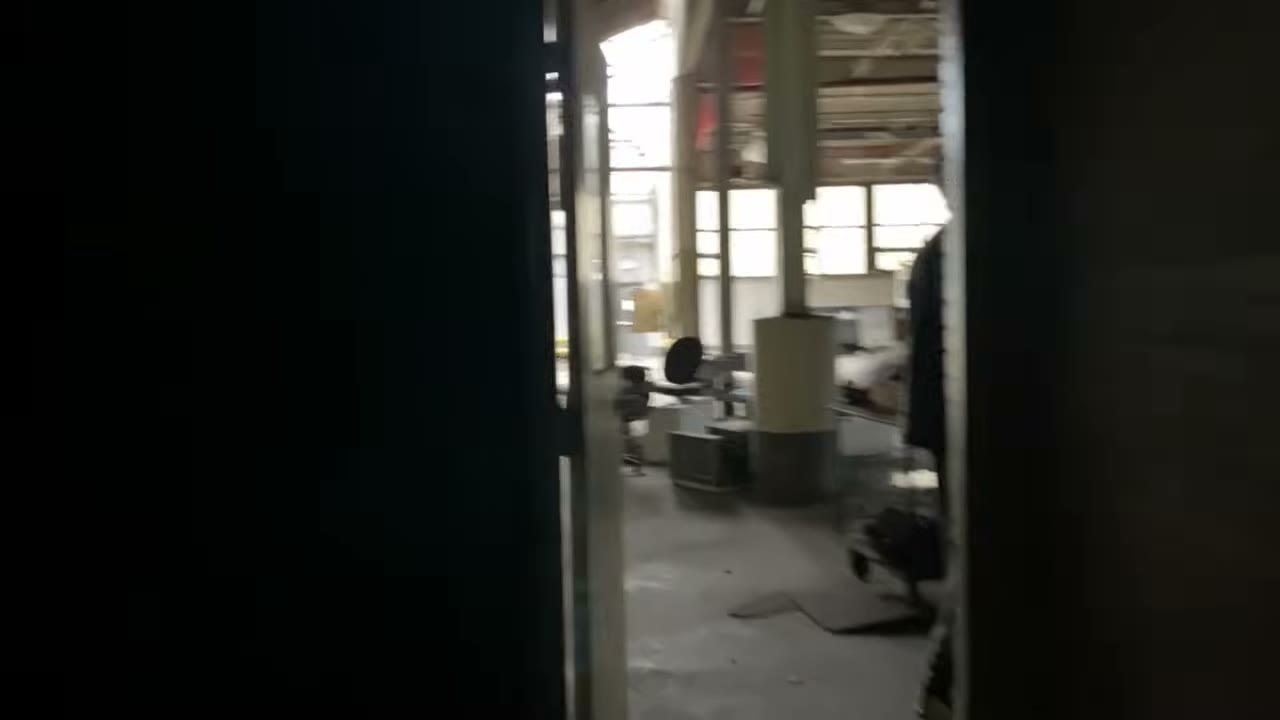
The drawers are the part that stays with me. A plant that size ran on records, and when the owner leaves, the records go wherever the owner decides they go. Some of it gets hauled out and some of it just stays in a dark room.

Factories are big and dark inside, and most flashlights, including brand ones, aren’t bright enough, so I carry one good light. The Coast XP11R is the one on my list. The asbestos at Pillsbury is the kind of hazard that a respirator like the 3M 6200 half face respirator on that list is meant for. How I find places like these, and how I stay safe in them, is covered in a $9.99 PDF called How to Find Abandoned Places.
The plant closes in an announcement, but the building gets decided later, by whoever has to pay to clean it up.
What I carried in
Same list as every video description.
Sources
- Forty Years of Falling Manufacturing Employment, Beyond the Numbers, U.S. Bureau of Labor Statistics, Nov 2020
- Exploring Midwest Manufacturing Employment from 1990 to 2019, Monthly Labor Review, U.S. Bureau of Labor Statistics, 2021
- Dealing with the Impact of Manufacturing Job Losses in the Midwest, Chicago Fed Letter, Federal Reserve Bank of Chicago, Dec 2003
- The Changing Landscape of Manufacturing in Illinois, WSIU, Jun 26, 2019
- Chicago Reverses the Factory Exodus But Not the Job Loss, Christian Science Monitor, Feb 7, 1995
- Iron and Steel, Encyclopedia of Chicago, Chicago History Museum, accessed Nov 4, 2026
- Cicero, Past and Present, WBEZ, Jan 22, 2013
- Navistar to Close 125 Acre Melrose Park Facility, Transport Topics, Jan 2021
- Navistar to Sell Melrose Park Facility, Power Progress, Jan 2021
- Chicago Tribune Makes Its Final Press Run at Freedom Center, as Printing Plant Gives Way to Casino, Yahoo News, May 2024
- Demolition Begins for Bally's Casino at Former Tribune Publishing Site, CBS Chicago, Aug 27, 2024
- Decaying Pillsbury Mill in Illinois That Once Churned Flour into Opportunity Is Now Getting New Life, Associated Press, Dec 24, 2023
More like this


The footage that never goes public lives on Patreon. It's paid, and it's where the rough cuts, the security run-ins and the early releases go.