, exact location withheld
Confined Spaces and Bad Air in Abandoned Buildings
Basements, tunnels and sealed rooms can hold air that is low on oxygen or full of gas. What OSHA, NIOSH and CDC say about confined spaces and why your nose isn't a gas meter.
A confined space is a space big enough to climb into that has limited ways in or out and wasn’t built for people to stay in, and the real danger in one is the air. Abandoned buildings are full of places that fit that description, like basements with one stairway, tunnels, vaults and sealed rooms, and nobody is checking what is in the air inside them.
This is entertainment, not safety or legal advice. Every claim here links to the agency it came from, and none of it is a reason to go inside anything.
What counts as a confined space?
OSHA’s overview says confined spaces are large enough for workers to enter and perform certain jobs, and that a confined space also has limited or restricted means for entry or exit and is not designed for continuous occupancy. The standard itself, 29 CFR 1910.146, lists the same three conditions.
Then OSHA draws a second line. A permit required confined space is one that contains or has the potential to contain a hazardous atmosphere, one that could engulf a person, one whose shape could trap or asphyxiate someone, or one with any other serious hazard such as exposed live wires or heat stress.
That is a workplace rule, and an abandoned basement isn’t a workplace. I’m borrowing the definition because it is the clearest one anyone has written. A cellar with a single stairway fits the first part. Whether it fits the second part depends on the air, and the air is the one thing nobody in a flashlight beam can check.
What can be wrong with the air?
Three things come up again and again in the agency material. One is too little oxygen. OSHA’s standard defines a hazardous atmosphere to include oxygen below 19.5 percent or above 23.5 percent, and it also covers flammable gas above 10 percent of the lower flammable limit. NIOSH’s 1987 guide says there may not be enough oxygen inside the confined space to support life, and that deadly gases can be trapped inside, particularly where chemicals or organic substances are stored or may decompose.
The second is toxic gas. OSHA’s sewer example in the standard’s appendix lists engulfment, toxic gases, flammable gases and oxygen deficiency, and it uses hydrogen sulfide at 10 parts per million as one of its limits. Sewer work isn’t the same as a wet basement, and I’m not claiming a basement holds those gases. The point is what the standard bothers to test for.
The third is carbon monoxide, which CDC covers in plain language. It lists portable generators, charcoal grills and gas and oil burning furnaces as sources, and it says CO can build up indoors and poison people and animals who breathe it. Symptoms include headache, dizziness, weakness, upset stomach, vomiting, chest pain and confusion, and CDC says they often resemble the flu. It adds that people who are asleep or intoxicated can die before they have symptoms at all.
Why can’t you trust your nose?
Because the professionals don’t. NIOSH’s guide recommends testing the atmosphere with calibrated instruments at the top, middle and bottom of the space, and says that if the air is unsafe it should be ventilated before anyone goes in. OSHA’s guide for construction workers goes further. It says most deaths and injuries in confined spaces result from atmospheric hazards, and that asphyxiation from insufficient oxygen is one of the leading causes of death in construction confined spaces.
It also warns that a space can change on you. A confined space that is safe when entered can become deadly, and spaces that have been sealed off from the air for a time can turn out oxygen deficient, which is why their oxygen level should be measured. In sewers, OSHA says the atmosphere may suddenly and unpredictably become lethally hazardous, and that monitors built for one substance may not detect every hazard.
Nothing in the agency material I read says a smell tells you whether the air is safe. The instruments are what the professionals trust.
Why do rescues kill so many people?
Because the second person goes in after the first. NIOSH’s guide says that over 50 percent of the workers who die in confined spaces are trying to rescue other workers, and that only workers trained and equipped for rescue should attempt it.
A friend who goes quiet in a basement doesn’t make that basement safer for you. I’m not a safety trainer and I won’t pretend to be, but the number is the number.
What does this look like on a real explore?
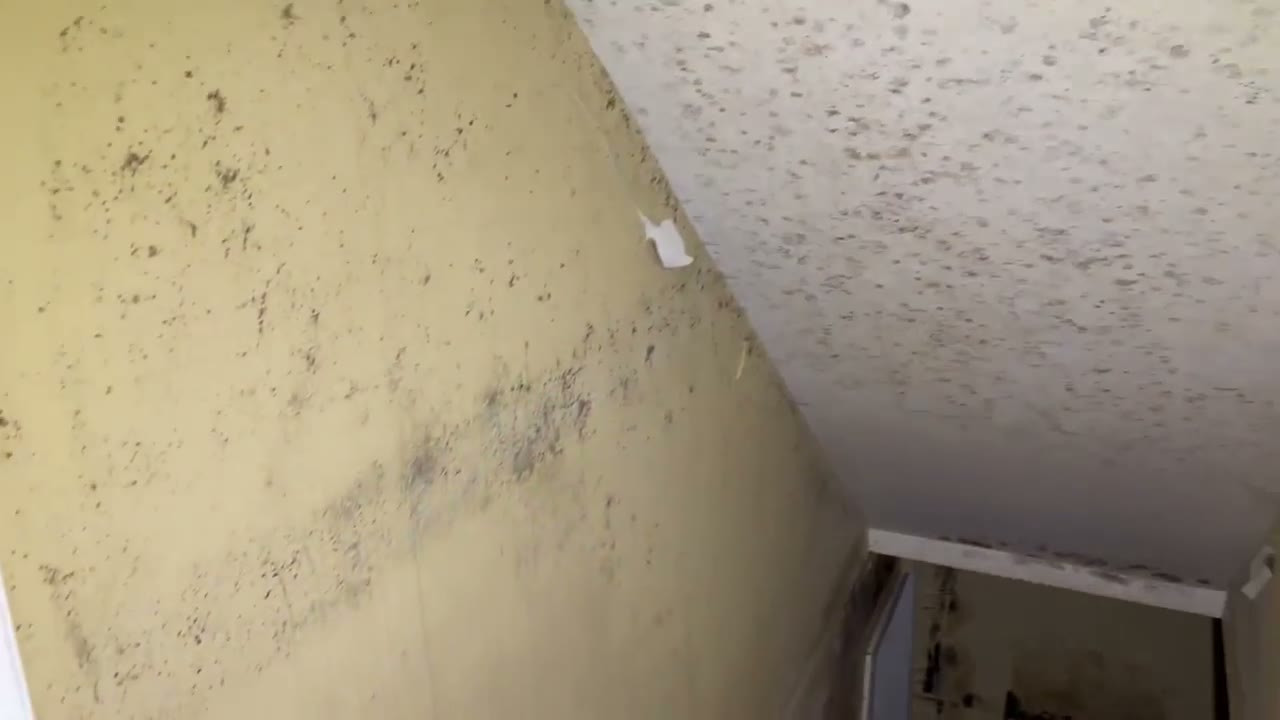
The lottery winner’s mansion is the clearest example in my videos. When I got to the basement I said the mold looked really bad and that it smelled so bad, and a little later I said I was going to try not to take too long in there because of the mold. The basement had a wine cellar with some ventilation, and near the end of the video I said I was going to get out of the basement before I ended up getting sick.
I’m not claiming anything about the oxygen or the gas in that basement, because I don’t know and I never measured it. Mold is a different hazard, and it has its own post, black mold in abandoned buildings. The point is that a basement can announce one problem and stay silent about three others.
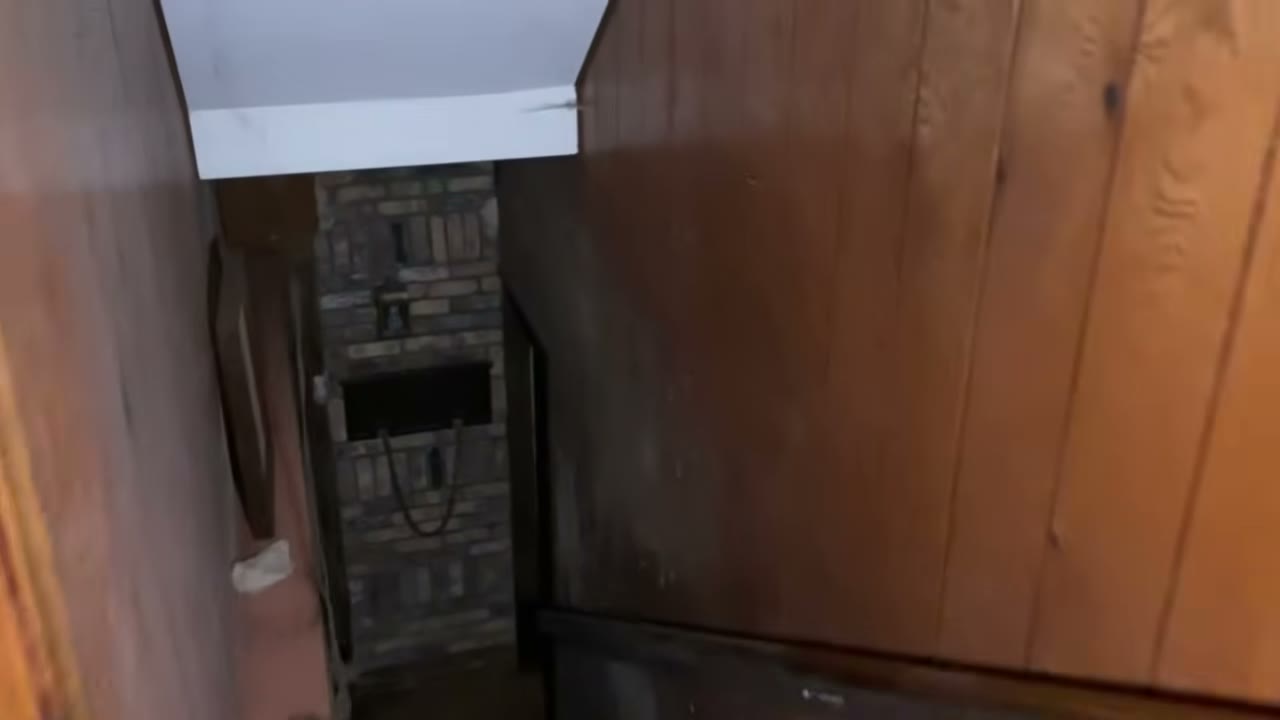
The hunter’s mansion is a quieter case. The video goes to the basement early, down a narrow stairway, and I said it was kind of creepy. Later in the garage I said it smelled like grass clippings and guessed somebody had mowed recently, and then that it really did smell kind of like gas and grass clippings. I didn’t identify where the smell came from, and I won’t guess. The agencies don’t offer a smell test, so I can’t tell you what it meant.
The funeral home has a basement too, down where the embalming room is, and I said the building had an elevator that took bodies from the basement up to the attic floor. A basement and an elevator shaft are the kind of enclosed places the OSHA definition has in mind, though I can’t say whether this one qualifies.
What should you take from the agencies?
That the hazard in a confined space is the part you can’t see, and that the professionals deal with it using instruments and rescue plans, not instincts. OSHA’s guide says the competent person tests oxygen first, then flammable gases and vapors, then toxic air contaminants, before any worker goes in. A camera is not an instrument for air.
CDC’s carbon monoxide page points the same way. The detectors it recommends are battery operated or battery backup units near sleeping areas, which is advice for homes and not a guide to exploring, but the point holds. The agencies treat bad air as a thing you detect with a device.
For the full list of what can go wrong inside these buildings, see what’s actually dangerous inside abandoned buildings. How I stay safe on explores is in my guide, How to Find Abandoned Places.
Nobody has checked the air in these rooms, and the professionals don’t trust anything but an instrument to do it.
Sources
- Confined Spaces Overview, OSHA, accessed Nov 4, 2026
- 1910.146 Permit Required Confined Spaces, OSHA, accessed Nov 4, 2026
- 1910.146 Appendix C, Examples of Permit Required Confined Space Programs, OSHA, accessed Nov 4, 2026
- Protecting Construction Workers in Confined Spaces, OSHA, 2015
- A Guide to Safety in Confined Spaces, NIOSH, Jul 1987
- A Guide to Safety in Confined Spaces, NIOSH Publication 87-113, Jul 1, 1987
- Carbon Monoxide Basics, CDC, Oct 26, 2026
More like this


The footage that never goes public lives on Patreon. It's paid, and it's where the rough cuts, the security run-ins and the early releases go.