Illinois, exact location withheld, exact location withheld
Abandoned Funeral Home in Illinois With the Power Still On and an Elevator to the Attic
An Illinois funeral home with the power still on, curtains up, an attic elevator for bodies and an embalming table in the basement.
Skip to the part you came for
This funeral home in Illinois still had the power on. The curtains were hanging, the furniture was still in the living area, and the paint was coming off the walls. The floor creaked the whole time, there was some mold, and I went through it by myself, so I kept the noise down.
I’m keeping the exact location to myself. What I can tell you is that the basement still has the embalming room, a casket display and an elevator shaft that once carried bodies up to the top floor.
What we found
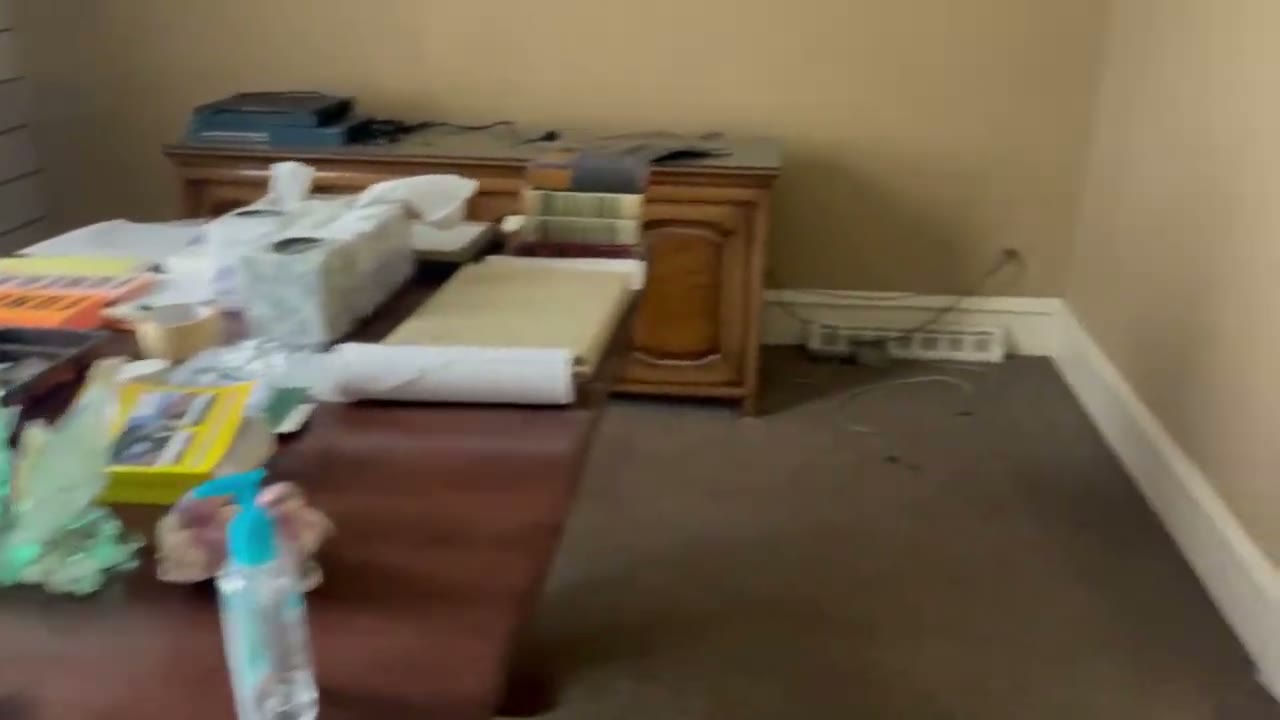
The downstairs living area was the nicest part. For a place with this much peeling paint it looked very pretty, with beautiful curtains and a lot of furniture left in place.
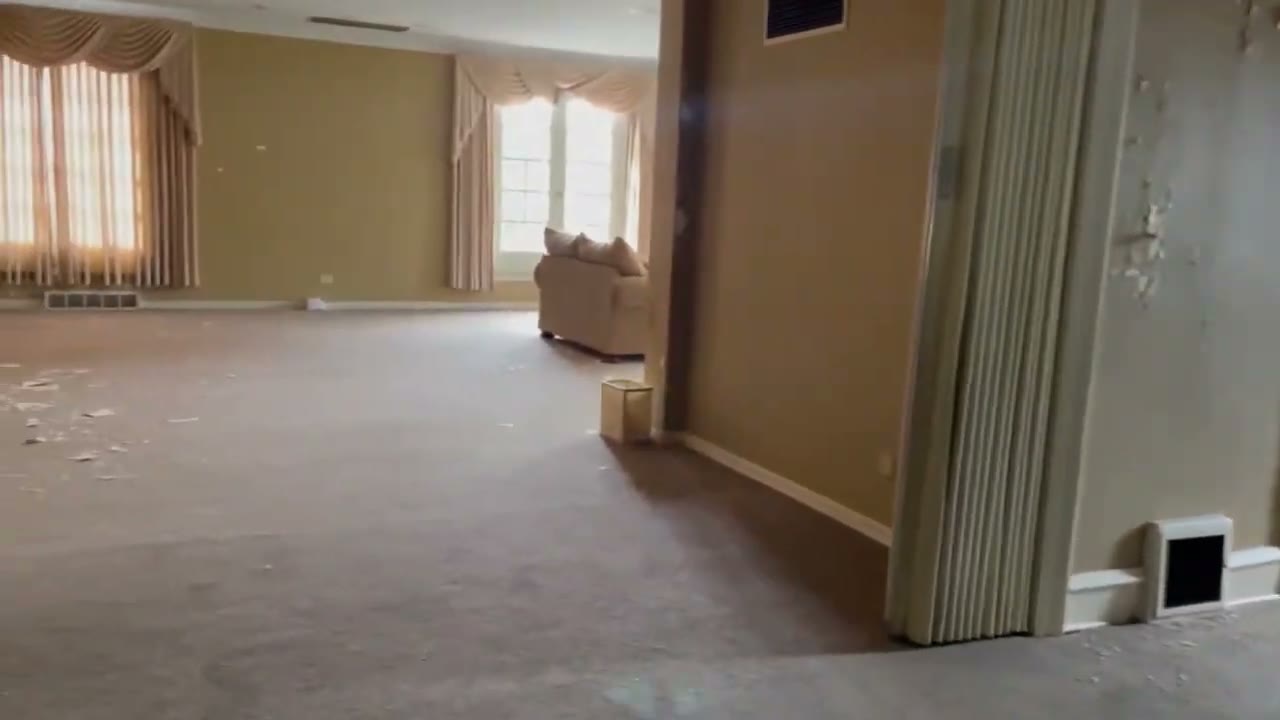
Upstairs was the attic, which had been converted into another space. I think that’s where they held funeral services. There’s an elevator that I’ll get to, and it ran from the embalming room in the basement all the way up to the attic. The light fixture up there looked ready to fall off. The rest of that level was storage, just a bunch of stuff.
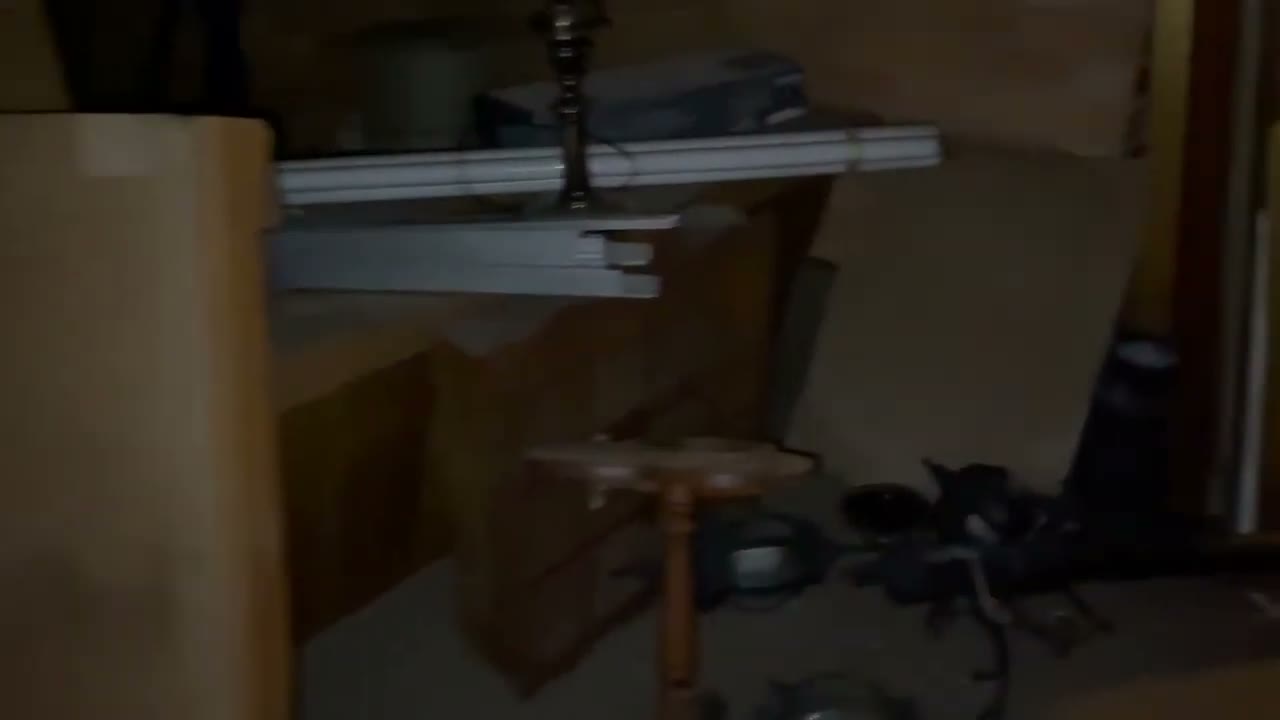
The basement is where it got stranger. There were maps and pictures on display, funeral displays, and caskets set out for people to look at, along with flowers. A door was marked employees only, with a ton of stuff behind it. I also found a wheelchair, and the spot where the elevator for the bodies must have come down.
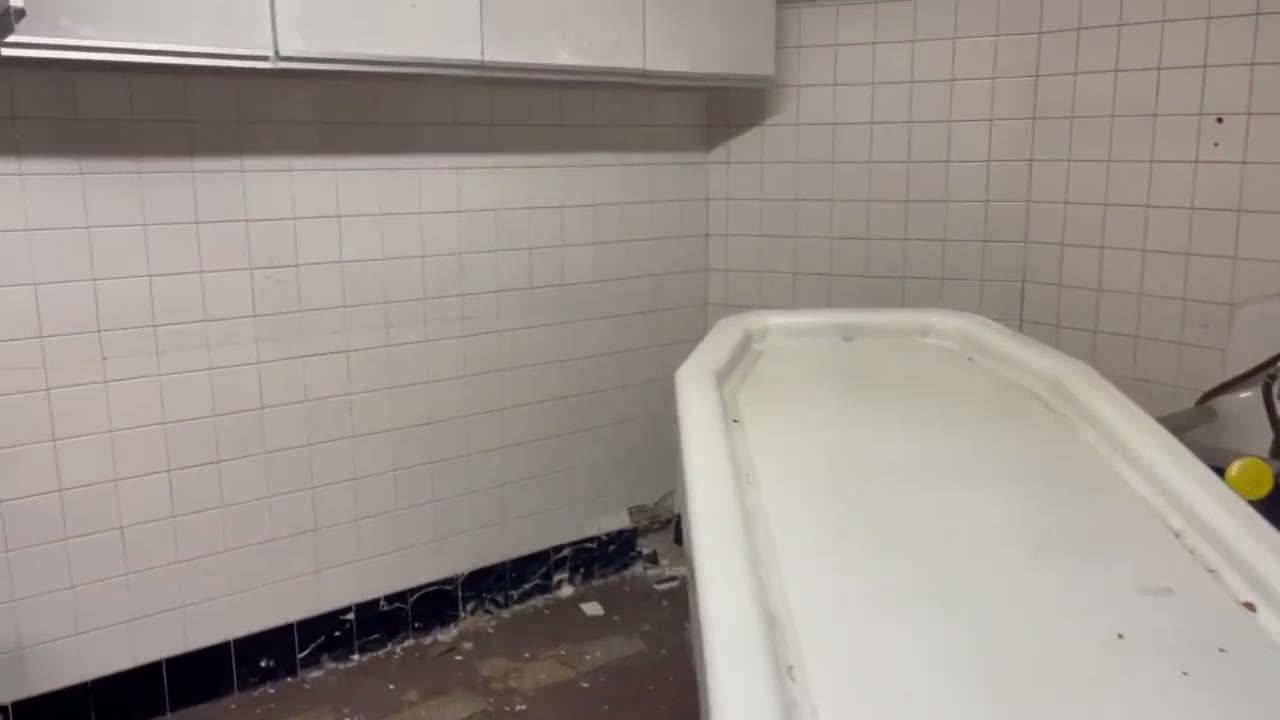
My favorite part was the embalming table, in a white tiled room with the table still sitting there. After that there wasn’t much else to see.
Why places like this end up empty
Funeral homes run on a business that has changed. A Seven Days report from Vermont in October 2026 says owners used to pass the business to their children or a younger partner, and that this is now rare. When there is no successor, owners often close or sell, and the buyers are frequently private equity firms. The same report cites the National Funeral Directors Association, which says about 75 percent of funeral homes and crematories in the country are small independent businesses, most with fewer than five employees.
Cremation is the other pressure. A retired funeral director in that story said about 90 percent of his work in the 1970s was traditional funerals and burials. By 2020, when he retired and sold, 80 to 85 percent of his clients chose direct cremation. Independent homes still carry debt and upkeep on buildings, hearses and embalming rooms that get used less than they once did.
None of that tells me why this building closed, and nobody in the video said. It does explain how a place with curtains still up and a casket display in the basement can end up empty.
The last room in the video is the embalming room, and the table is still in it.
Left behind
- The power still on, with curtains hanging and furniture in the downstairs living area
- An attic space converted for what looked like funeral services
- An elevator that carried bodies from the basement embalming room up to the attic
- A basement display of maps, pictures, funeral displays, caskets and flowers
- A door marked employees only, a wheelchair and a lot of stored stuff
- The embalming table, still in its tiled room
What I carried in
- DJI Osmo Action 5 Pro (Adventure Combo)
- DJI Mic 3 wireless mic
- Coast XP11R flashlight
- 3M 6200 half face respirator
- LHI 45L tactical backpack
- 35,000mAh power bank with built in cables
Same list as every video description.
Sources
More like this


The footage that never goes public lives on Patreon. It's paid, and it's where the rough cuts, the security run-ins and the early releases go.