, exact location withheld
Famous Abandoned Places in Illinois
Dixie Square Mall, Michael Reese, MetroSouth, Navistar, Allstate, the Tribune plant and Joliet Arsenal, with what news and government records say became of each.
The most famous abandoned places in Illinois are mostly not abandoned anymore. The mall from The Blues Brothers is gone, Michael Reese Hospital was demolished, the Tribune’s printing plant is a casino site, and the Joliet Arsenal became a national prairie. This list sticks to places with a paper trail in news or government records, and it leaves out my own hidden spots.
This is history and general information, not legal advice. None of it is an invitation to go anywhere, and a famous place is usually the one that is watched, fenced or already torn down.
Which famous Illinois places are already documented?
Seven that I’d point to, each with a source. They are Dixie Square Mall in Harvey, Michael Reese Hospital in Chicago, MetroSouth Medical Center in Blue Island, Navistar’s Melrose Park plant, Allstate’s former campus near Northbrook, the Tribune’s Freedom Center and the Joliet Arsenal. I only link a video where its title already names the place.
What happened to Dixie Square Mall in Harvey?
It sat closed for more than three decades and was torn down in 2012. NPR reported in February 2012 that the mall had been closed since 1979 and was the setting for a high speed chase in The Blues Brothers (1980).
ABC7 reported in January 2012 that demolition would start with asbestos removal, take about six months and cost about $4 million, paid by a federal disaster grant meant for communities damaged by remnants of Hurricane Ike. The mall was about 600,000 square feet. The station attributed the long vacancy to a fading financial commitment, multiple owners and failed redevelopment attempts. A county official put it this way. “It’s just easier to walk away than try to sustain it.”
What happened to Michael Reese Hospital in Chicago?
It closed in 2009, and the land has been a long argument ever since. The city has owned the site since 2009, when it was envisioned as a potential Olympic village for the failed Chicago 2016 bid. Demolition began that year, and by 2012 nearly the whole site was cleared except the Singer Pavilion.
WBEZ reported in 2010 that 26 buildings were being demolished, more than a million square feet, while the 1909 Main Reese building and the Singer Pavilion were slated to be saved. The Architect’s Newspaper adds the reason it stayed empty. The land includes three acres of contaminated radioactive ground from a former radium separation company, and the EPA requires remediation before construction. In 2016 the mayor said the site had been vacant for nearly ten years.
What happened to MetroSouth Medical Center in Blue Island?
It closed in 2019, reopened briefly for the pandemic and closed again. ABC7 reported that September 30, 2019 was moving day, that owner Quorum cited financial problems, and that the mayor said Quorum reported losing about $10 million a year. It had been Blue Island’s largest employer, and the state review board had deferred the closure application until after its October 22 meeting.
In April 2020 the Army Corps of Engineers and a private contractor were working to turn it into a COVID facility. CBS Chicago said the once abandoned hospital might soon hold 550 patients. My description of the Blue Island hospital video says it briefly reopened at the peak of COVID, then closed again and was left abandoned all over again.
What happened to Navistar’s Melrose Park plant?
It was sold off for an industrial park. Navistar said in January 2021 that it would sell 125 acres in Melrose Park that once made engines and later served as a technical center and engine testing site. It cited lower engine manufacturing and trucking’s growing interest in alternative fuel drivetrains, and it expected to move about half of its 500 person workforce elsewhere. A developer planned an industrial park.
My description of the Navistar engine factory video calls it a now demolished plant. The factories guide covers why plants like it close.
What happened to Allstate’s old campus near Northbrook?
It was sold to a warehouse developer. Allstate announced on November 29, 2021 that it had agreed to sell the campus, about 2 million square feet of office space, for roughly $232 million to Dermody Properties. The company said employees had more choice about where they work and that many preferred working from home.
The Daily Herald reported in June 2022 that the campus sits in an unincorporated area near Northbrook, and that the plan was ten warehouse and distribution buildings plus a fuel center totaling 3.2 million square feet. My Allstate headquarters video covers the building.
What happened to the Tribune’s Freedom Center?
The newspaper plant became a casino site. The Freedom Center opened in 1981, and the Tribune’s last press run there finished at 12:48 a.m. on May 19, 2024. Bally’s had bought the site in 2022. CBS Chicago reported that demolition began on August 27, 2024 for a $1.7 billion casino and hotel complex.
The Tribune Freedom Center post has my video of the plant.
What happened to the Joliet Arsenal?
It turned into a prairie. The Forest Service says the federal government authorized the site in 1940 as the Elwood Ordnance Plant and Kankakee Ordnance Works, buying 36,645 acres from local farmers for $8,175,815. More than 10,425 people worked there at peak, and the plants were combined as the Joliet Arsenal in 1945. TNT production stopped in 1976, and the arsenal was declared inactive in 1993 at 23,543 acres.
The Department of Defense is cleaning up contamination on about 4,000 acres where TNT was made, and that land goes to the Forest Service when cleanup is finished. About 18,500 acres have been transferred, and the land is being restored as Midewin National Tallgrass Prairie.
Why aren’t my own spots on this list?
Because I hide most of my locations on purpose. People always ask for locations and I won’t give them out. The places above are different. Their closings, sales and demolitions are already in news stories and government records, and nothing here adds to what those sources say. The why of that is in why explorers don’t share locations.
What does this look like in practice?
A smaller place with a paper trail is the Wheeler Avenue Bridge in South Beloit, which my video’s title names. The local radio station 96.7 The Eagle says the bridge was built in the 1890s and closed in 1995, that officials considered repairing or rebuilding it and judged the cost not worth it, and that a pedestrian trail has been discussed. The description of my Wheeler Avenue Bridge video quotes a 2013 Rockford Register Star line about a state grant that may help restore the bridge.
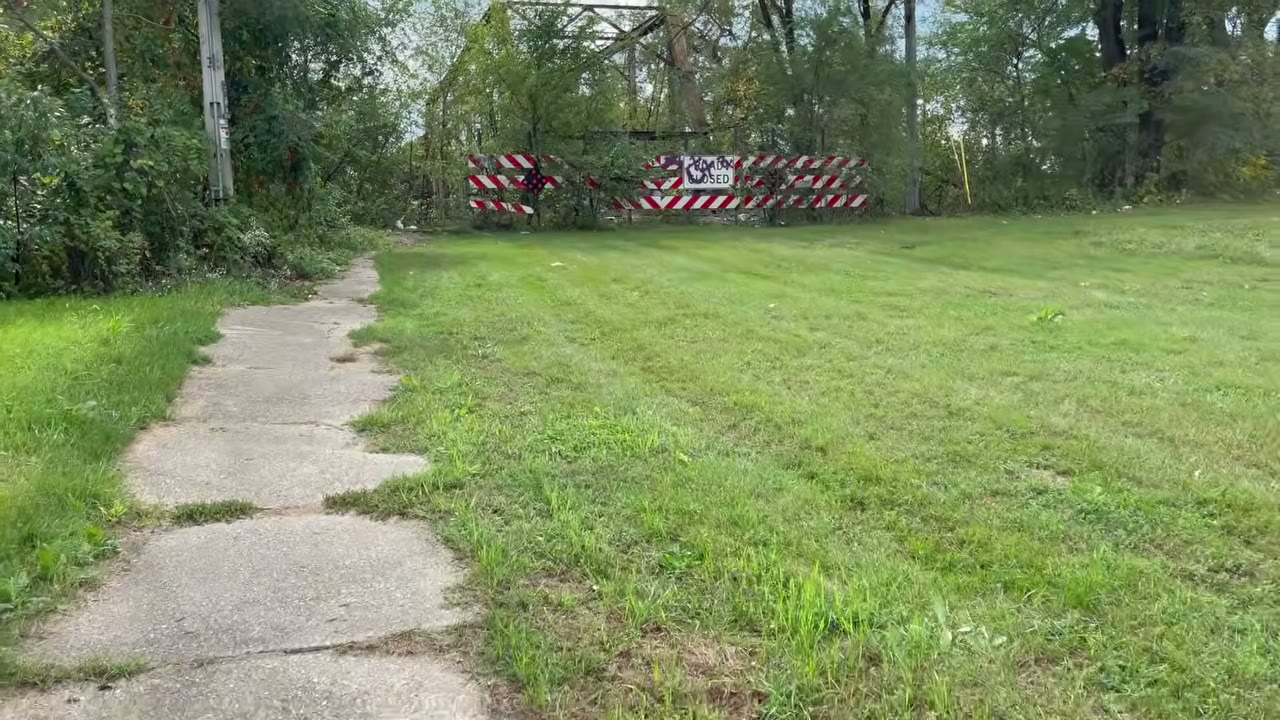
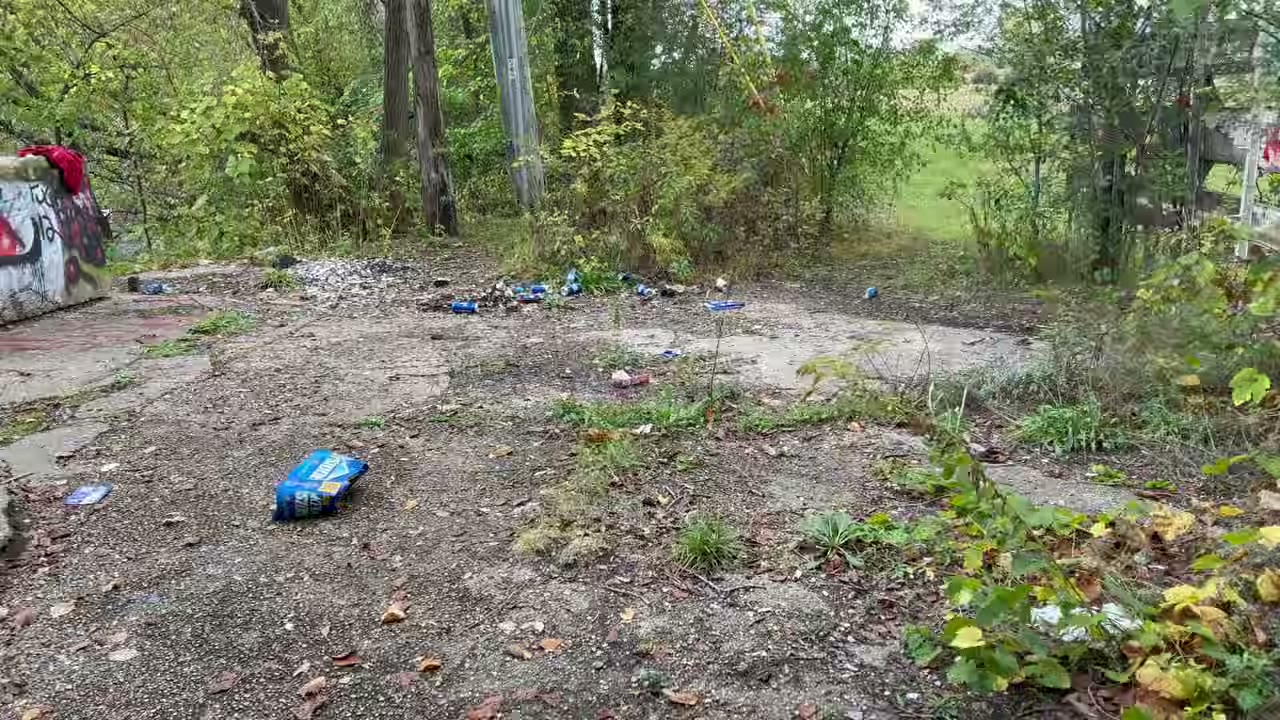
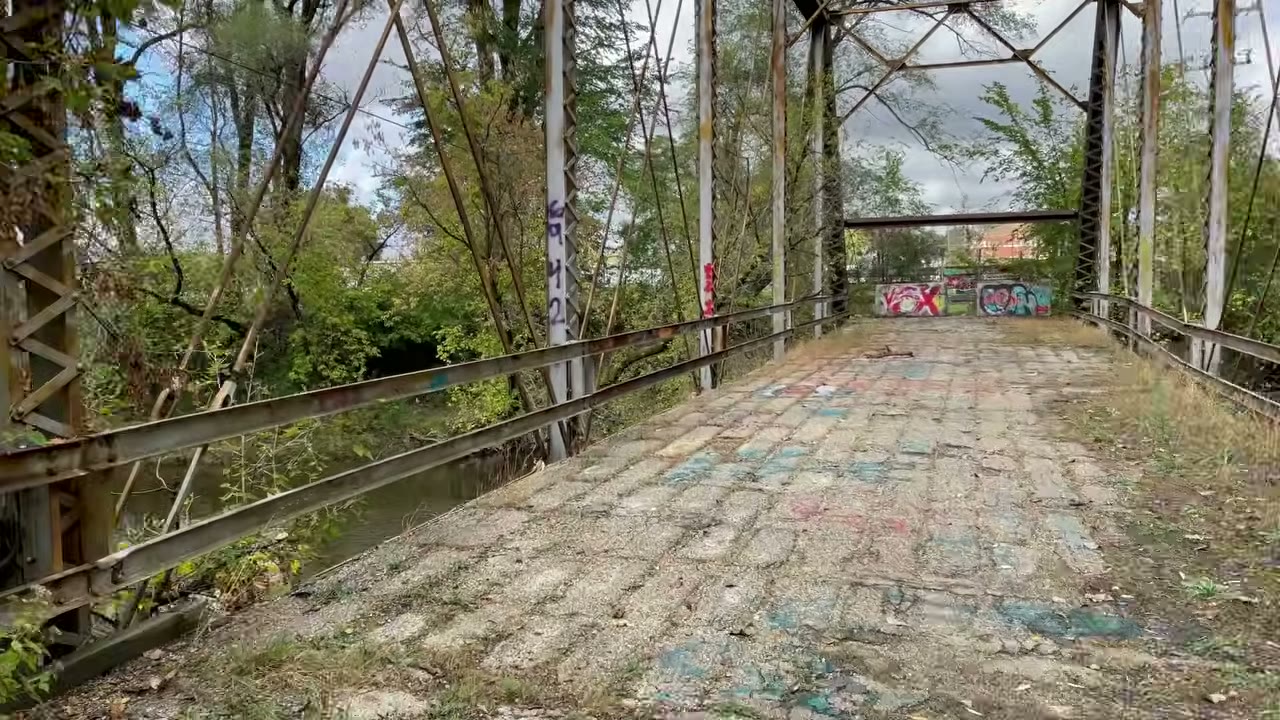
I said in the video that it’s sad this place is closed off and left, and that you would think they’d do something with it.
How I find places like these, and how I stay safe in them, is covered in a $9.99 PDF called How to Find Abandoned Places. The overview of the whole subject is in why Chicago has so many abandoned buildings.
A famous place is the one with the most paper behind it, so the safest way to learn about one is to read the paper.
Sources
- Mall in Blues Brothers to Be Demolished, NPR, Feb 17, 2012
- Demolition of Blues Brothers Chase Mall Begins, ABC7 Chicago, Jan 25, 2012
- Michael Reese Rests in Pieces, What Then Is the Epitaph, WBEZ, Feb 25, 2010
- Michael Reese Hospital Site RFP, The Architect's Newspaper, Oct 2016
- MetroSouth Medical Center Closes Its Doors, ABC7 Chicago, Sep 30, 2019
- Shuttered Blue Island Hospital to Reopen for COVID-19 Patients, CBS Chicago, Apr 7, 2020
- Navistar to Close 125 Acre Melrose Park Facility, Transport Topics, Jan 2021
- Allstate Reaches Agreement to Sell Northbrook Campus, Allstate Newsroom, Nov 29, 2021
- Glenview Public Hearing Set for Dermody Redevelopment of Allstate Campus, Daily Herald, Jun 20, 2022
- Chicago Tribune Makes Its Final Press Run at Freedom Center, as Printing Plant Gives Way to Casino, Yahoo News, May 2024
- Demolition Begins for Bally's Casino at Former Tribune Publishing Site, CBS Chicago, Aug 27, 2024
- Joliet Army Ammunition Plant, U.S. Forest Service, Midewin National Tallgrass Prairie, accessed Nov 4, 2026
- 11 Photos of an Abandoned Bridge That Closed in 1995, in South Beloit Illinois, 96.7 The Eagle, 2023
More like this


The footage that never goes public lives on Patreon. It's paid, and it's where the rough cuts, the security run-ins and the early releases go.