, exact location withheld
What Is Rooftopping?
Rooftopping is climbing to the top of tall buildings and cranes for photos and video. What it is, how it differs from urbex, and what the fall numbers say.
Rooftopping is climbing to the tops of tall buildings, cranes and bridges, usually without permission, to take photos or video from the edge. It is a separate thing from urban exploring. Urbex is about getting inside a place, and rooftopping is about height and the picture.
This is entertainment and general information, not legal advice, and I’m not going to tell anyone how to get onto a roof.
Where did rooftopping come from?
CTV News describes it as climbing to the tops of buildings and cranes in ways that challenge building security. It says the people doing it are chasing adrenaline, likes and shares. The same article traces the wider attention to a 2011 photo by a Toronto photographer that went viral and inspired copycats around the world. CBS News, citing the BBC, said in 2017 that rooftopping had become increasingly popular worldwide.
That last part matters. The picture is the point, and the picture is shot where a fall is the worst outcome. Ricky Crano, an academic at UC Irvine quoted by CTV, put the incentive plainly. “There are a lot of monetary incentives to take risks, to get more views, followers and more attention.”
Is rooftopping the same as urbex?
No, and I don’t want the two mixed up. The code I follow is to leave every place exactly as I found it, with no stealing, no vandalism and no spray paint. Take only pictures, leave only footprints. A skyline photo from a rooftop edge has nothing to do with that code, and the risk is a different kind of risk.
The appeal of this channel is doing things you aren’t supposed to do, in a respectful way. Respectful includes not putting your life in a place where one slip ends it. Most of what I film is indoors, on floors and stairs, where the dangers are rot, holes and bad air. Heights are in the mix too, and the video evidence of that is below.
How dangerous is it?
The best numbers I can give you come from people who do roof work for a living, with training, harnesses and inspected anchors. OSHA’s fall prevention page says “falls are the leading cause of death in construction.” It reports 389 fatal falls to a lower level out of 1,034 construction deaths in 2024.
NIOSH, part of the CDC, adds that falls from elevation made up about 81 percent of all fatal slips, trips and falls across industries in 2022. It lists roofing contractors among the top three sectors for construction fall deaths that year. Those are workers who are paid to be up there and who are supposed to be tied off.
Rooftoppers skip all of that on purpose. CBS reported that Wu Yongning, a 26 year old climber, fell from a 62 story skyscraper in Changsha, China, on Nov. 8, according to its December 2017 report. He was known for posting videos of himself on tall buildings without safety equipment. In Toronto, 22 year old Conrad Rybicki died after falling from a downtown tower on May 23, according to CTV. His parents said, “One small mistake can end your life.” They are starting a foundation to warn young people and their parents.
What does a roofer have that a rooftopper doesn’t?
Equipment, mostly, and a rule that says to use it. OSHA’s page says that for roof work, employers should provide a harness for each worker who needs to tie off to an anchor. A harness only helps if there is an anchor, and an anchor only helps if somebody has checked that it holds. A person climbing a tower or a crane for a photo has neither.
NIOSH also reports that since 2013, construction has averaged roughly 300 deaths and 20,000 nonfatal injuries a year from falls. Four out of 10 of OSHA’s most cited standards involve falls. That is a lot of paperwork and enforcement aimed at one kind of accident, and it is aimed at it because the accident keeps happening to people who were trained.
The Toronto case adds a human detail. CTV reports that Rybicki had written that he had been addicted to rooftopping for six years, and that his social media showed repeated climbs and a video of his feet dangling over the edge of a building. His parents said they do not see it as a sport or a hobby. “This isn’t entertainment that young people should be interested in. It’s so dangerous.”
I’m not including that to scare anyone. It’s the part of the story that the photos leave out.
Why are roofs dangerous even on a short building?
Height is only half of it. A roof can fail under you. OSHA’s training video on skylights tells the story of a worker reroofing a two story townhome. He stepped back near an unguarded skylight, and the skylight “was not strong enough to hold his weight, and it broke.” He fell 15 feet and died two days later. OSHA’s point is that skylights can give way, so they are not safe to stand on.
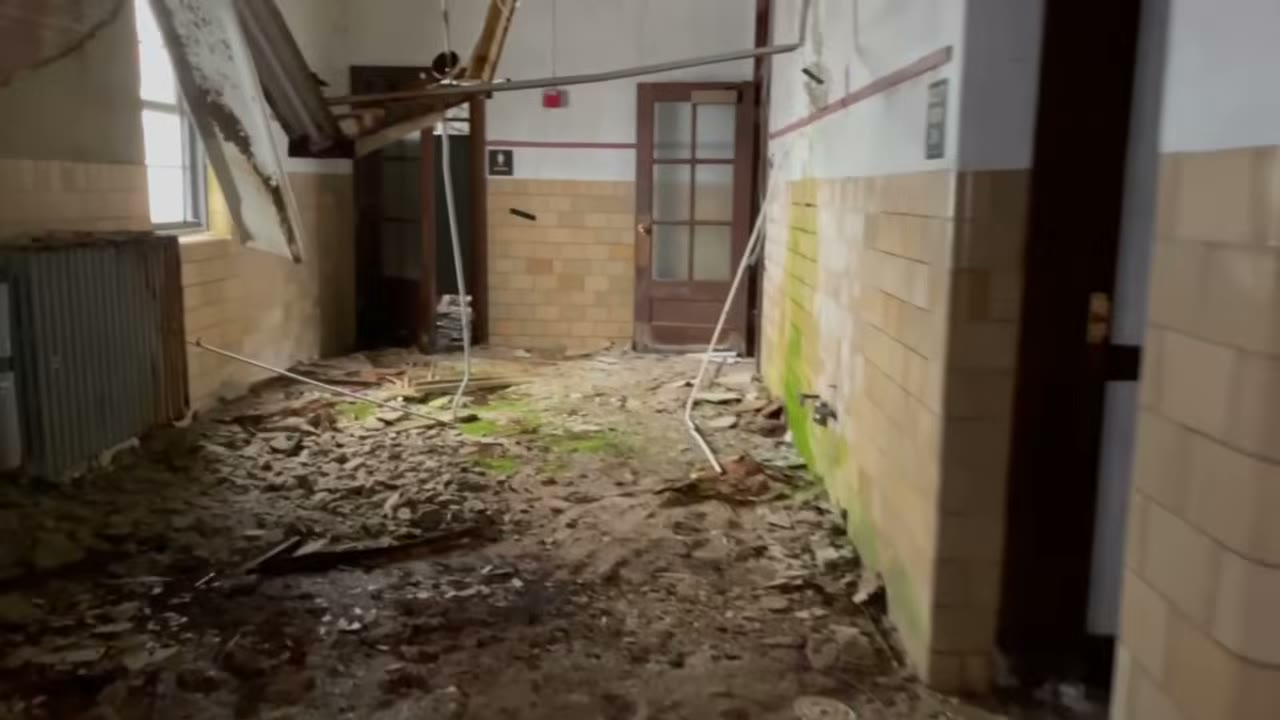
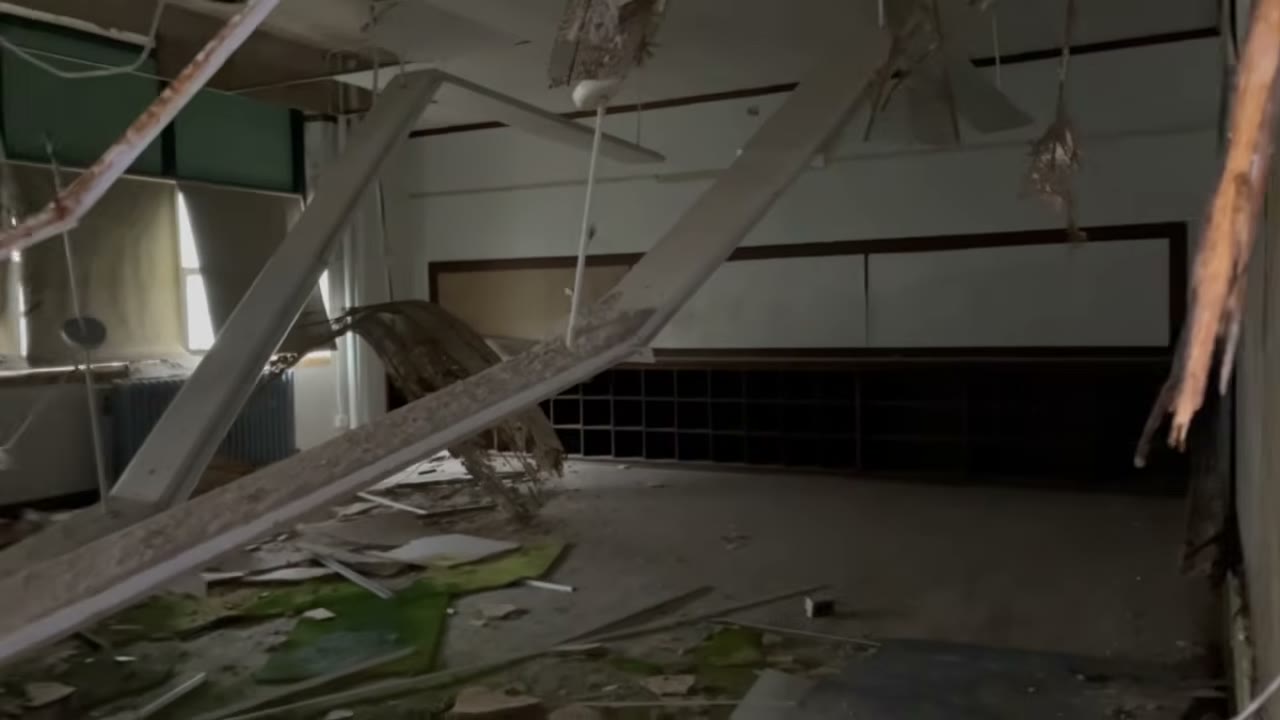
That was a working roof with a crew and guardrails. An abandoned building has none of that, and nobody has checked the roof in years. In my videos the roofs often show it from below. In the elementary school video I said the floor was missing on one level and the level under it “because the roof has holes in it.”
Is it legal?
Rooftopping usually means being somewhere you were not invited. CTV reports that Toronto police warned about rooftopping back in 2016, and that the Hyatt Regency Toronto said it has equipment, security, controls and protocols in place. Parents in that story are asking for buildings that are harder to climb. The rules differ by city and by building, and none of this is legal advice, so if you want an answer for a specific place, ask someone qualified.
What does this look like in practice?
The roof I can show you is in the Detroit boxing gym video there was a crash outside, and police arrived while I was inside. My description says I went up to the roof to get a better shot of the scene without being spotted. On camera I said it was “pretty exposed up there” and I had to crawl around. That was the point of the clip, and it’s also a good reason not to copy it.
I turn roofs down too. In the Pillsbury factory video there was rooftop access, and I said, “I’m not sure how safe that roof is. Yeah, no thanks.” In the elementary school video there was roof access too, but the roof had caved in, so that was the end of that idea.
I film on a DJI action camera, and it’s linked at the bottom of this page. If you want a view from above, there’s a lot of it that doesn’t need your body on the edge.
How I find places and stay safe at them is in a $9.99 PDF called How to Find Abandoned Places. It covers what to look up before you go, and none of it involves a ledge.
The photo from the edge looks the same whether the person took it carefully or got lucky, and the fall numbers don’t care which one it was.
What I carried in
Same list as every video description.
Sources
- Parents of Toronto rooftopper warn others after son plunges to his death, CTV News Toronto, 2023
- Daredevil climber dies during stunt on 62 story skyscraper in China, CBS News, Dec 11, 2017
- OSHA's Fall Prevention Campaign, OSHA, accessed Nov 2026
- The Problem of Falls from Elevation in Construction and Prevention Resources, CDC NIOSH, May 1, 2024
- Skylight, OSHA video transcript, accessed Nov 2026
More like this


The footage that never goes public lives on Patreon. It's paid, and it's where the rough cuts, the security run-ins and the early releases go.