, exact location withheld
PCBs and Old Transformers in Abandoned Buildings
What PCBs are, which old equipment in abandoned buildings can hold them, how exposure happens, and why a vandalized transformer is a different problem than a quiet one.
PCBs are a class of toxic chemicals that were used as insulating and cooling fluid in transformers and capacitors until the late 1970s, and some old equipment in abandoned factories, schools and offices can still contain them. A transformer that is intact and left alone is one thing, and a transformer that someone has cut open for the copper is another.
This is entertainment, not health or legal advice. I can’t tell you what’s in any piece of equipment, and nothing here is a reason to touch or open anything.
What are PCBs, and why were they in transformers?
PCBs are polychlorinated biphenyls, a group of man made chemicals. EPA’s fact sheet says they were developed in the 1940s and used through the late 1970s in transformers, capacitors, and other heat transfer devices. They have extremely high boiling points and are practically nonflammable, which is exactly why they were useful inside equipment that gets hot.
The federal ban came in 1979. EPA’s fact sheet says U.S. manufacture and importation were banned that year, while ATSDR says U.S. manufacture stopped in 1977, so the exact year depends on which agency you read. What both agree on is that the chemicals didn’t go away. ATSDR describes up to 209 related compounds that persist in the environment for long periods and build up in the food chain.
That timeline matters for abandoned buildings. A factory or office that was wired and equipped before about 1979 may have electrical equipment from the PCB era, and that equipment doesn’t know the building was abandoned.
What old equipment in a building can hold PCBs?
More than transformers. EPA’s fact sheet lists transformers and capacitors first, then older fluorescent fixtures, which it says contain PCB filled capacitors. It adds that caulking materials, elastic sealants, and heat insulation have also been known to contain PCBs, and that older electrical devices and appliances such as television sets and refrigerators made before PCB use stopped can contain them too.
Fluorescent light ballasts are the one that comes up most in buildings. EPA says many older ballasts contain PCBs, that ballasts installed before the 1979 ban commonly used PCBs as an insulator, and that most PCB containing ballasts have exceeded their life span and are beginning to leak and smoke. In its example, more than 150 incidents of leaking or smoking ballasts were reported from New York and New Jersey schools over 15 months in 2012 and 2013.
Caulk is a building problem too. EPA says buildings constructed or renovated between 1950 and 1978 may have PCBs in their caulk, and recommends testing caulk that is peeling, brittle, cracking or deteriorating.
How do people actually get exposed?
Mostly through food, not through old buildings. EPA’s fact sheet names eating fish as the major pathway, because PCBs build up in fatty tissue. It then lists breathing air that contains PCBs, including indoor air near older electrical devices that get hot, skin contact with contaminated soil or leaking older devices, and exposure at work from the repair and maintenance of PCB transformers, fires, spills and disposal.
ATSDR makes a similar list and adds that old appliances may leak small amounts of PCBs when they get hot. On leaking ballasts, EPA says the most likely route is breathing contaminated air, that elevated levels should not represent an immediate threat, and that they could become a health concern if they persist over time. That’s why it recommends removing the ballasts as soon as possible.
Read that carefully. It’s a statement about people who stay in a room for months, like students and staff, not about a short visit. I’m not claiming a visit to a factory is dangerous because of PCBs, and I’m not claiming it’s safe. The plain summary is that the agencies are most concerned about repeated exposure.
How would you know if a building has PCBs in it?
You wouldn’t, from the inside. Nothing about a fixture, a box of caulk or a gray steel transformer announces what fluid or compound is in it. EPA’s approach to caulk shows the problem. Its advice is to test caulk that is peeling, brittle, cracking or deteriorating, or to assume PCBs are present and remove it. The agency says PCBs can be released from caulk into air, dust, nearby surfaces and soil, or through direct contact, and its suggested steps for living with it include damp cleaning and washing hands often.
That list tells you how the exposure works. It’s dust, air and surfaces, and it builds with time. Equipment that has been cut open is the exception, because it is a spill. The practical rule for a building you can’t test is to leave equipment closed, stay away from oily stains, and wash your hands, which is the one step EPA’s caulk advice repeats.
What do PCBs do to your health?
The effects are a long list, and the cancer classifications are the part people remember. ATSDR says large exposures can cause skin problems such as acne and rashes, and that workers’ blood and urine tests have suggested liver damage. It also links exposure to neurobehavioral and immunological changes in children. On cancer, the U.S. Department of Health and Human Services says PCBs may reasonably be anticipated to be carcinogens, EPA calls them probably carcinogenic, and IARC lists them as carcinogenic to humans in its Group 1.
EPA’s fact sheet adds that many human studies have shortcomings, which makes a clear link between exposure level and health effect hard to establish. Both things are true. The evidence is messy, and the agencies still treat the chemicals as serious.
Why does a vandalized transformer matter?
Because it shows what happens when someone cuts into one. In March 2018 Walker County, Georgia, reported that copper thieves vandalized an industrial transformer at the Coats American building in Rossville and caused an oil spill. The county said the transformer was labeled as containing PCBs, and that Chattanooga Hazmat confirmed PCBs were present. Crews contained the oil on site and placed booms along a half mile stretch to absorb residual oil in storm water. The thieves left a bag of copper and some tools behind.
A transformer is an electrical hazard on top of a chemical one. The live wires guide covers that part, including a Chicago case where a man was electrocuted removing copper wire from a building. How scrappers strip buildings, and why, is in what are scrappers. I don’t take anything out of the places I explore, and the code I follow is to leave every place exactly as I found it.
What does this look like on a real explore?
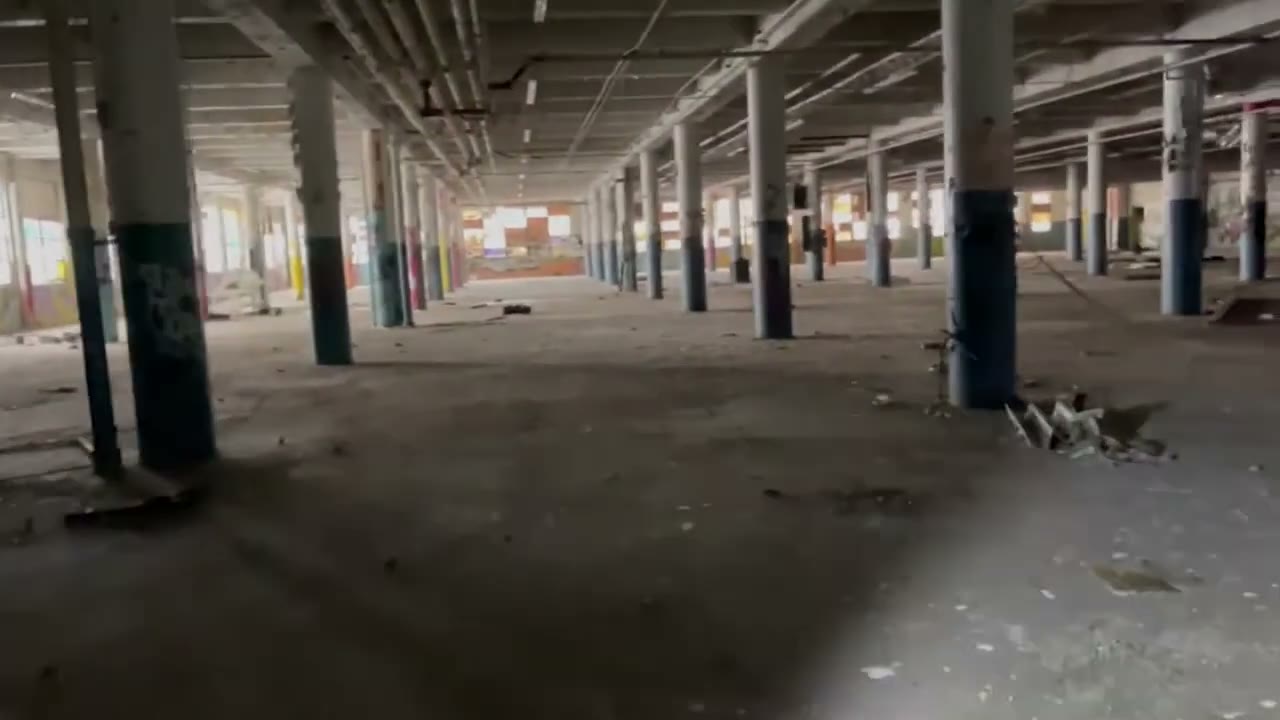
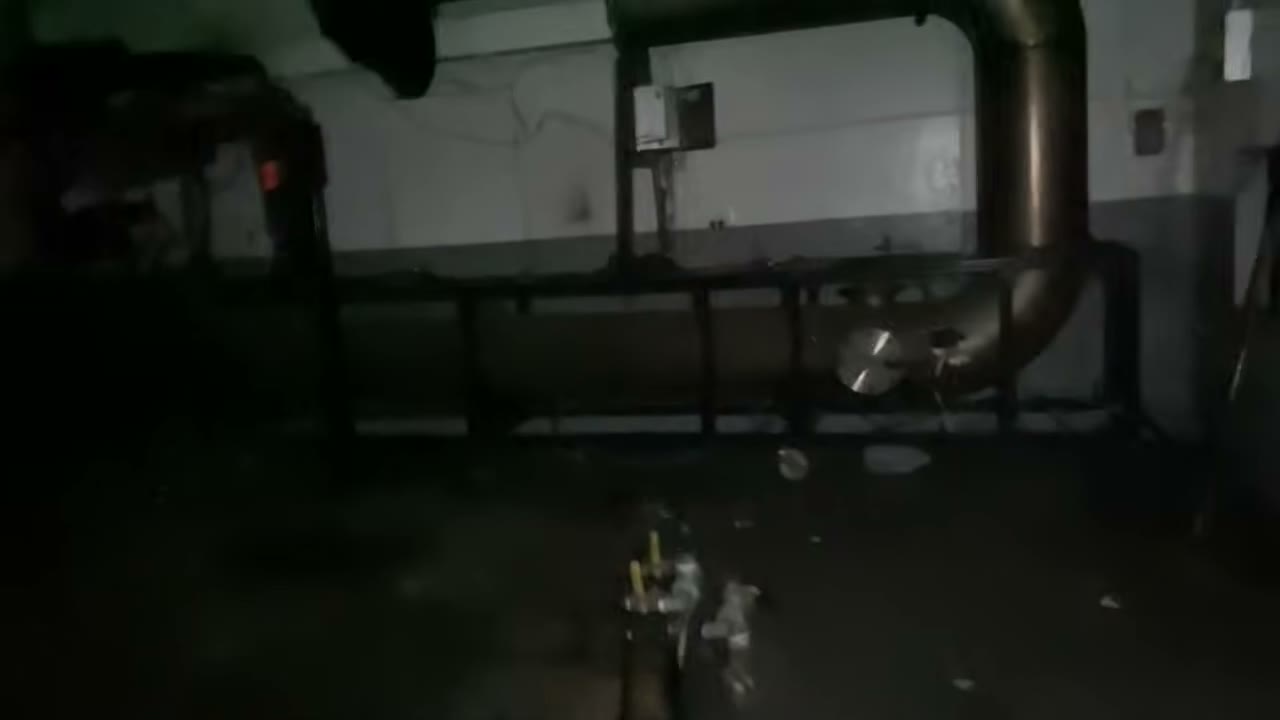
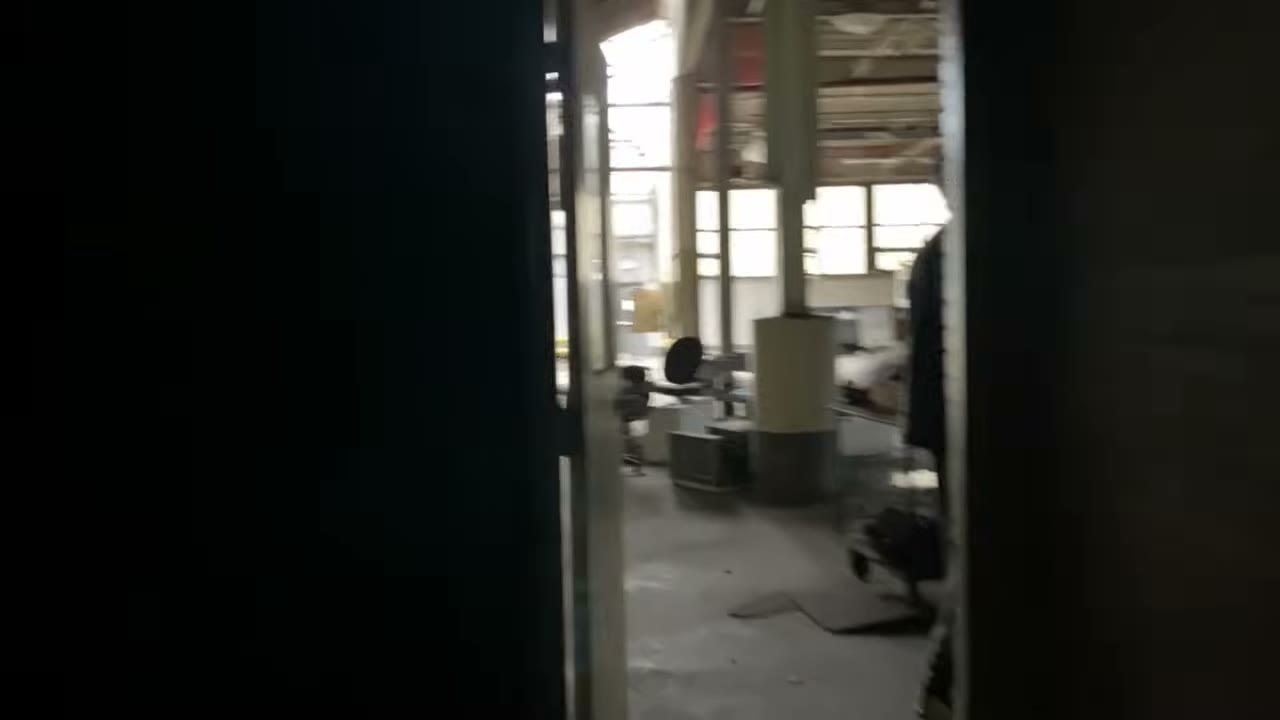
I can’t point to a video of mine that shows a PCB transformer. If I could, I’d be guessing, because from a hallway you can’t tell what fluid is inside a metal box. What my videos do show is the kind of building where old electrical equipment sits. The Chicago factory looked like a massive factory used by a couple of different businesses, with rows of light fixtures overhead, and the Navistar engine factory in Melrose Park, now demolished, was an airplane engine plant first and a truck engine plant later, with engine parts, engine bays and a whole diesel engine left behind.
How I stay safe around old industrial buildings is in my guide, How to Find Abandoned Places.
If a piece of old electrical equipment has leaked, been cut open or left an oily stain, treat it as a hazard and keep your distance.
Sources
- Polychlorinated Biphenyls (PCBs) fact sheet, U.S. Environmental Protection Agency, Feb 2024
- ToxFAQs for Polychlorinated Biphenyls (PCBs), ATSDR, accessed Nov 4, 2026
- EPA Urges Schools to Check Light Fixtures for Leaking PCBs, U.S. Environmental Protection Agency, archived news release
- EPA Offers Guidance to Reduce Exposure to PCBs in Caulk, U.S. Environmental Protection Agency, Sep 2009
- Reward Offered to Find Copper Thieves Who Caused Oil Spill at Coats American Building in Walker County, Walker County Government, Mar 12, 2018
- Man Electrocuted While Taking Down Copper Wire In Brighton Park, CBS Chicago, Aug 23, 2012
More like this


The footage that never goes public lives on Patreon. It's paid, and it's where the rough cuts, the security run-ins and the early releases go.