, exact location withheld
Live Wires and Electrical Hazards in Abandoned Buildings
Why wires in an abandoned building can still be live, what electricity does, and what OSHA, NIOSH and fire officials say about water, damage and fire.
Yes, wires in an abandoned building can be live, and you can’t tell by looking. A building that looks dead can still have power on some circuits, and wiring that has been wet, chewed or ripped open is dangerous whether or not anyone is paying the bill.
This is entertainment, not safety or legal advice. Nothing here is a reason to touch anything electrical, and I’m not explaining how to check a circuit.
Can an abandoned building still have power?
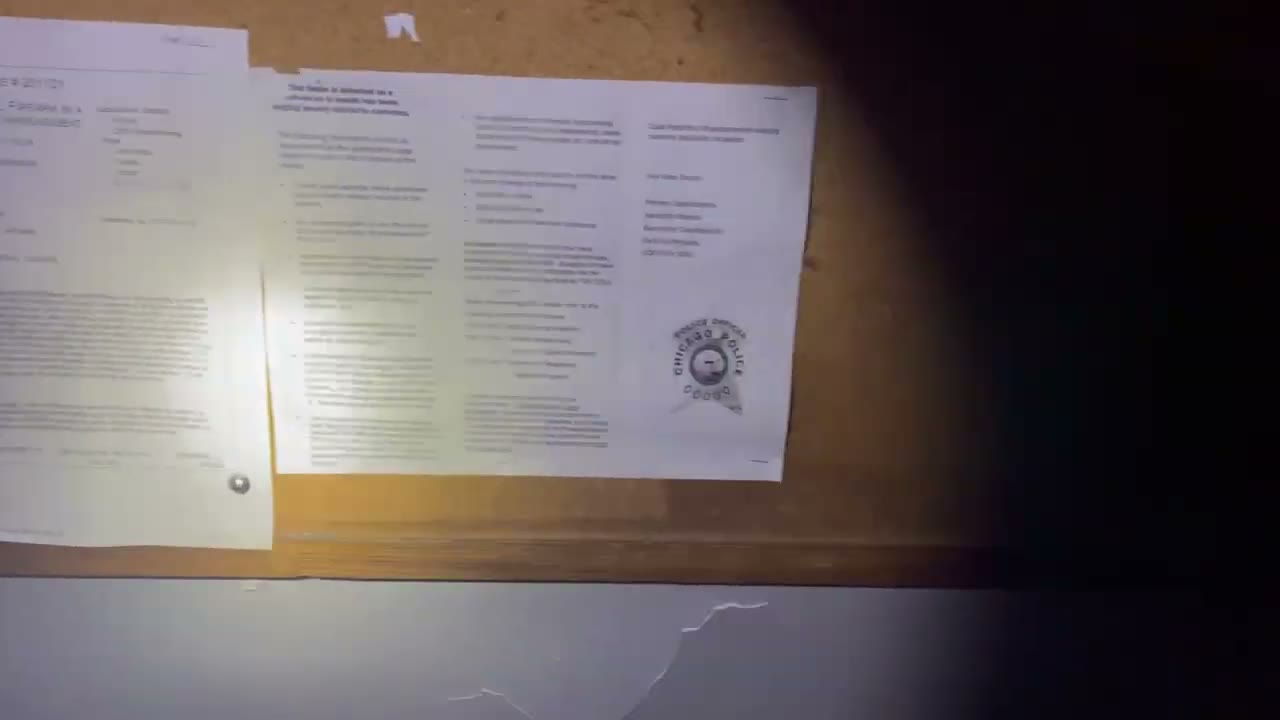
Often, yes. Two of my videos say so in the title. The funeral home had the power still on, and so did the Chicago police station. The reasons owners keep some systems running, like insurance, sprinklers, pumps and cameras, are covered in why abandoned buildings still have power.
The U.S. Fire Administration treats utilities as something to check before anyone goes in. Its evaluation guide tells teams to find out the status of utilities, outside at meters and valves and inside, to see whether heating or power systems could be potential sources of ignition in the building. Those are professionals with training and a plan to shut things off. An explorer standing in a hallway has none of that.
What can electricity actually do to you?
OSHA’s electrical safety sheet says the hazards include burns, shocks and electrocution (death). That’s the short version. The numbers give it weight.
NIOSH studied workplace electrical injuries from 1992 to 2002. In those years 3,378 workers died on the job from electrical injuries, electrocution was listed in 99.1 percent of the fatal cases, and another 46,598 workers were injured and survived. Contact with overhead power lines was involved in 42 percent of the deaths, and construction accounted for 47 percent. Among the injuries that weren’t fatal, 34 percent came from contact with wiring, transformers or other electrical components.
Those are people who work around electricity for a living and mostly have training. They also mark the limit of what the numbers say. They don’t describe explorers, and I’m not going to pretend there’s a statistic for that. What they show is that wiring and electrical components, not just power lines, put people in the hospital.
Why are abandoned buildings worse than an ordinary house?
Because water and damage show up where nobody is maintaining anything. OSHA’s sheet says not to operate electrical equipment while standing in water, and that equipment that has gotten wet should be inspected by a qualified electrician before it is turned back on. It also says only qualified and authorized people should repair cords and equipment. In an abandoned building the roof leaks, the basement floods and people rip things out of walls.
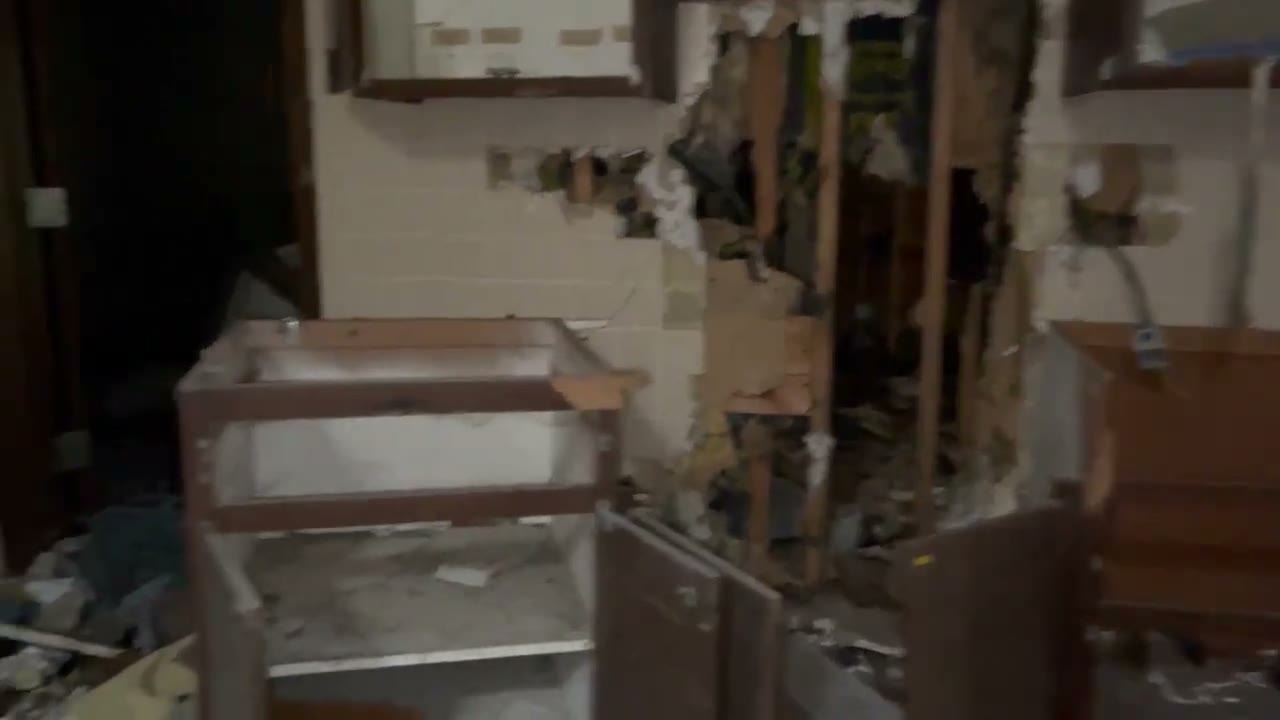
In the medical center I said it as soon as I walked in. There were trees growing inside, water dripping and wires laying around everywhere. I also said I was trying to be a little quiet because the ceiling had caved in in multiple spots. I’m not saying those wires were live. The point is that you can’t know, and the combination of water above you and wires around you isn’t something to find out about by experiment.
The University of Illinois Extension gives a clear rule for flooded buildings. Never attempt to turn off power at the breaker box if you must stand in water to do so, and if you can’t reach it safely, call the electric utility to shut power off at the meter. It also warns against going into rooms where water may reach outlets, appliances or cords. That’s advice for homeowners, but it fits a flooded basement in an old building exactly.
Can you tell whether a wire is live?
No, and the cases where people guessed wrong are why this section exists. In August 2012 CBS Chicago reported that a 52 year old man was electrocuted while trying to remove copper wiring from a building in the Brighton Park neighborhood. Authorities said he apparently did not know the wires were live, and the medical examiner ruled the death an accident.
That story is about copper theft, which I don’t do and don’t recommend, and I wrote about the people who strip buildings in what are scrappers. It still answers the question. A dark room, a dead looking panel and a cut cable don’t tell you what’s behind the wall. Someone who was cutting wiring out of a building got it wrong.
What about power lines outside?
The NIOSH numbers say they matter. Contact with overhead power lines was involved in 42 percent of the on the job electrical deaths in that study, and OSHA’s sheet gives its own emergency steps for a vehicle that touches an overhead wire. It says to stay inside the vehicle, keep driving away from the line if you can, warn others, and call the utility and emergency services. The takeaway for an explorer is simple. Power reaches a building from outside, so stay well away from lines, meters and service equipment on the exterior.
Do bad wires start fires?
Yes, and a fire is the other way old wiring hurts you. The USFA’s report on vacant residential building fires from 2013 to 2015 estimates 23,800 fires a year, and electrical malfunction was the cause in 8 percent. Intentional fires were the leading cause at 34 percent, which means the fire risk in these buildings comes from people and from wiring together.
I have seen what an electrical fire leaves behind. At the abandoned animal hospital we found a spot where there had been an electrical fire, with char on the walls. It looked like it hadn’t gotten very far and had been put out pretty quickly. Fire is also what closed the Illinois hospital in a different video, or what I believe closed it. I found multiple burnt rooms, charred equipment and smoke damage everywhere, and a safety cover that had melted. I don’t know what started that fire, and I’m not saying it was electrical. I’m saying that fire damage and wiring share the same walls, and from the floor I had no way to know what was still connected.
What should you do about it?
Don’t touch it. Leave switches, panels, cords and cut cables exactly as they are, stay out of standing water near anything electrical, and treat a ceiling that is dripping onto wiring as a reason to turn around. The Toronto working alone guideline puts exposed energized electrical systems in its moderate risk group and electrical systems over 750 volts in its high risk group, and tells lone workers to avoid the high risk tasks altogether.
Bring a light you trust, like the Coast XP11R on my list, so you never need to look for a switch. How I stay safe on explores is in my guide, How to Find Abandoned Places.
If you can see a wire, the safe thing is to assume it’s live and walk around it.
What I carried in
Same list as every video description.
Sources
- Electrical Safety, Occupational Safety and Health Administration, accessed Nov 4, 2026
- Trends in Electrical Injury in the U.S., 1992 to 2002, NIOSH (CDC Stacks), Jul 1, 2008
- Man Electrocuted While Taking Down Copper Wire In Brighton Park, CBS Chicago, Aug 23, 2012
- Flooding and Electrical Safety, University of Illinois Extension, accessed Nov 4, 2026
- Basic Evaluation Procedures for Abandoned and Vacant Buildings, U.S. Fire Administration, Apr 2018
- Vacant Residential Building Fires (2013-2015), Topical Fire Report Series Vol. 18 Issue 9, U.S. Fire Administration, Jan 2018
- Working Alone Guidelines, University of Toronto Environmental Health and Safety, Mar 2020
More like this



The footage that never goes public lives on Patreon. It's paid, and it's where the rough cuts, the security run-ins and the early releases go.