, exact location withheld
What Is Dark Tourism? Meaning, Examples and Where Urbex Fits
Dark tourism is visiting places tied to death, disaster or tragedy. Where the term comes from, which sites count, and how it differs from exploring abandoned buildings.
Dark tourism is travel to places connected with death, disaster or tragedy, such as battlefields, prisons, cemeteries and memorial sites. The term comes from academic research in the 1990s, and in that research the places are usually presented to visitors, with tickets, guides and exhibits. Exploring an abandoned building touches the same themes without any of that, which is why the two get mixed up.
This is entertainment and general information, not legal advice. Cemeteries and closed buildings come with laws, and I’m not telling anyone to go anywhere.
Where does the term dark tourism come from?
From a 1996 journal issue. Duncan Light of Bournemouth University reviewed the research in 2017 and says dark tourism was first proposed to an academic audience in a themed issue of the International Journal of Heritage Studies in 1996, by Foley and Lennon. Their definition was “the presentation and consumption (by visitors) of real and commodified death and disaster sites.”
A year later they described it as visiting sites associated with death, disaster and tragedy in the twentieth century, for remembrance, education or entertainment. Their first case study was about places tied to the death of President Kennedy.
Light notes that Lennon and Foley first limited the term to incidents within living memory. The term then grew. Light says it became a general label for almost any tourism linked to death, disaster, suffering, the macabre or crime, and that it is often used interchangeably with thanatourism, though the two began as separate ideas.
Which places count as dark tourism?
Light tallied the sites researchers had studied. The most common by far was war and conflict sites, including battlefields and war cemeteries, with 48 studies. Next came Holocaust sites with 17 and prisons and incarceration sites with 13. Genocide sites in Bosnia, Rwanda and Cambodia, slavery sites and dangerous contemporary conflict zones had 11 each. Natural disaster sites had 8, cemeteries and burial grounds other than war cemeteries had 7, and sites of individual or mass murder had 6.
Two examples show how different these visits can be. The Auschwitz Memorial and Museum reported 1.95 million visitors in 2025, up 7 percent from the year before, and asks people to book through its official reservation system. Its deputy director says a visit “becomes a place where memory is formed.”
Alcatraz is a prison turned attraction. The National Park Service says the island became an official military prison in 1907 and a federal penitentiary in 1934, and that it “ceased to function as a prison in 1963.” Today it is a National Historic Landmark run by the park service as part of Golden Gate National Recreation Area, with a fee and tickets that often sell out.
Why do people visit these places at all?
Foley and Lennon’s own list is remembrance, education or entertainment, and the purposes can overlap. Auschwitz’s deputy director says a visit “becomes a place where memory is formed.” Alcatraz sells tickets to a prison that closed in 1963. Light’s paper has a blunt subtitle, “An uneasy relationship with heritage tourism,” which fits a field that has to ask whether looking at suffering is education or a form of entertainment.
The sources I read don’t claim a clean answer. What they show is that visiting a site tied to death changes depending on who runs it, who it honors and what the visitor does there.
Is exploring abandoned buildings dark tourism?
Partly, and the difference matters. The Foley and Lennon definition is about the “presentation” of a site to visitors. Alcatraz and Auschwitz have staff, rules and interpretation. An abandoned prison has none of those. Nobody presents it, and nobody invited you.
The subjects overlap. Prisons, hospitals, morgues, funeral homes and cemeteries are all places tied to death and loss. The difference is the purpose. A memorial museum exists so visitors remember what happened there. Many abandoned places were closed over money. ABC7 reported that the hospital’s owner cited a lack of funds, and WTTW describes a state deciding to shut a prison. They only become strange afterward.
Dark tourism is a field of study, and urban exploring is a hobby that sometimes ends up in the same rooms.
Where is the line on respect?
My code is the same everywhere. Leave every place exactly as I found it. No stealing, no vandalism, no spray paint. Take only pictures and leave only footprints. The appeal of the channel is doing things you’re not supposed to in a respectful way.
Cemeteries have written rules. Illinois’s Cemetery Protection Act makes it a Class A misdemeanor to knowingly enter or remain on cemetery premises without authorization during posted closed hours. Damaging or desecrating human remains is a Class 3 felony. Defacing, injuring or removing a gravestone is a felony too, scaled by how many are damaged, and offenders owe restitution to the cemetery or property owner. The same law also covers entering sheds, crematories or employee areas, which is a Class A misdemeanor for a first offense.
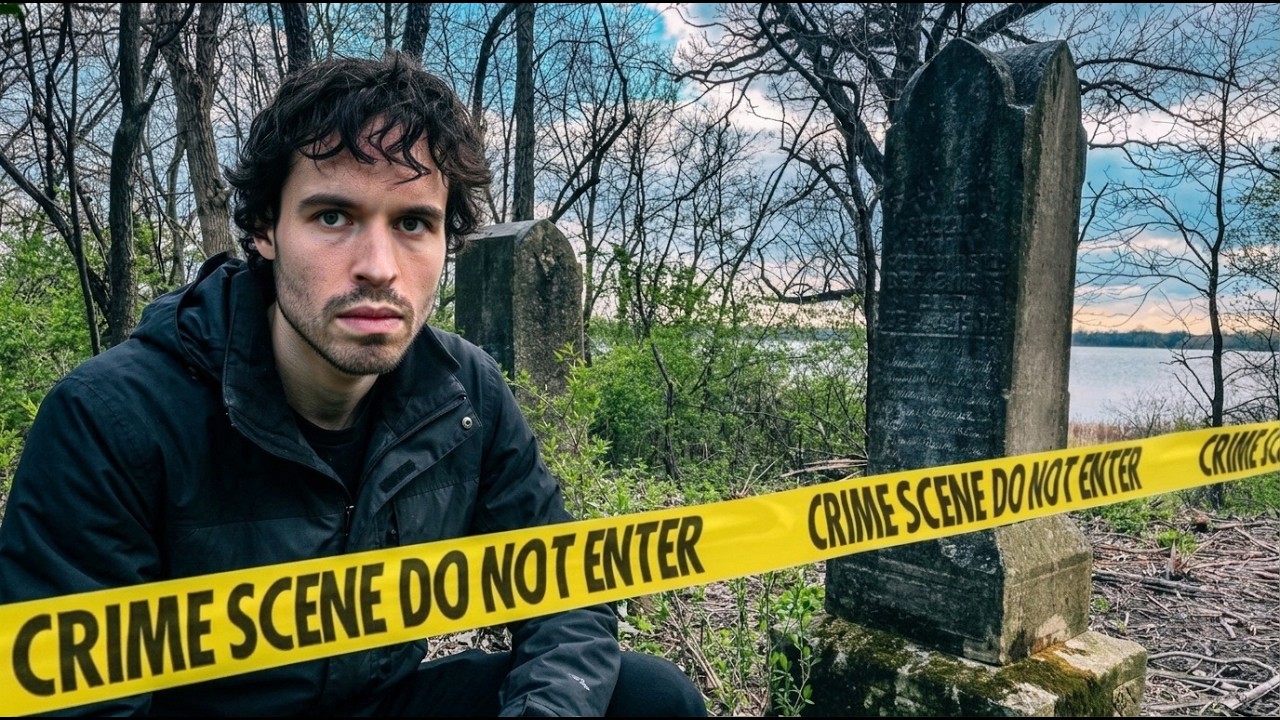
Locations stay private on my channel, and that includes the cemetery below.
What does this look like in practice?
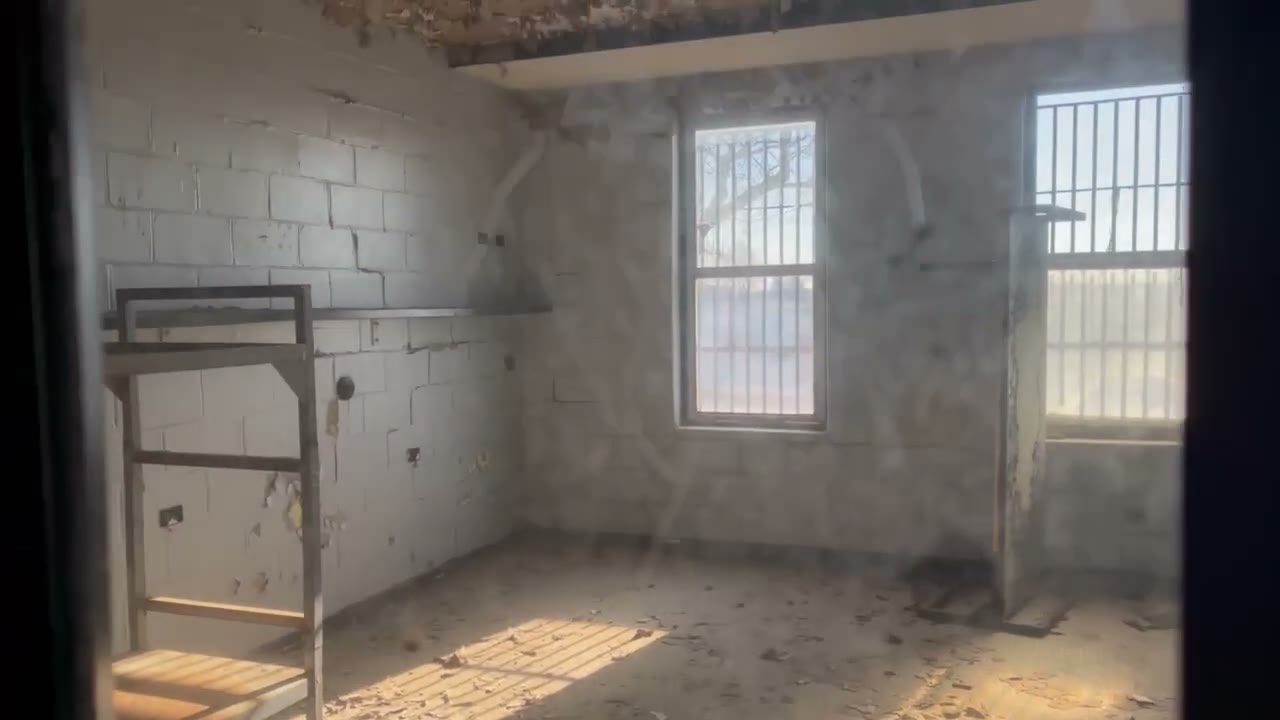
Three of my videos land in dark tourism territory. The first is an abandoned state prison in Illinois that closed more than 20 years ago. I keep its location private. WTTW reported in 2024 on what happens after a closure, using Dwight Correctional Center, which Illinois shut in 2013. The campus was vacant and derelict a decade later, and its main remaining use was as a training site for local fire departments and law enforcement. WTTW says 961 women were moved out and that of Dwight’s 351 workers, 315 stayed with the state corrections department. It also reports that the state prison population peaked above 49,000 in February 2013. That is a different prison, and I’m not saying which one is in my video.
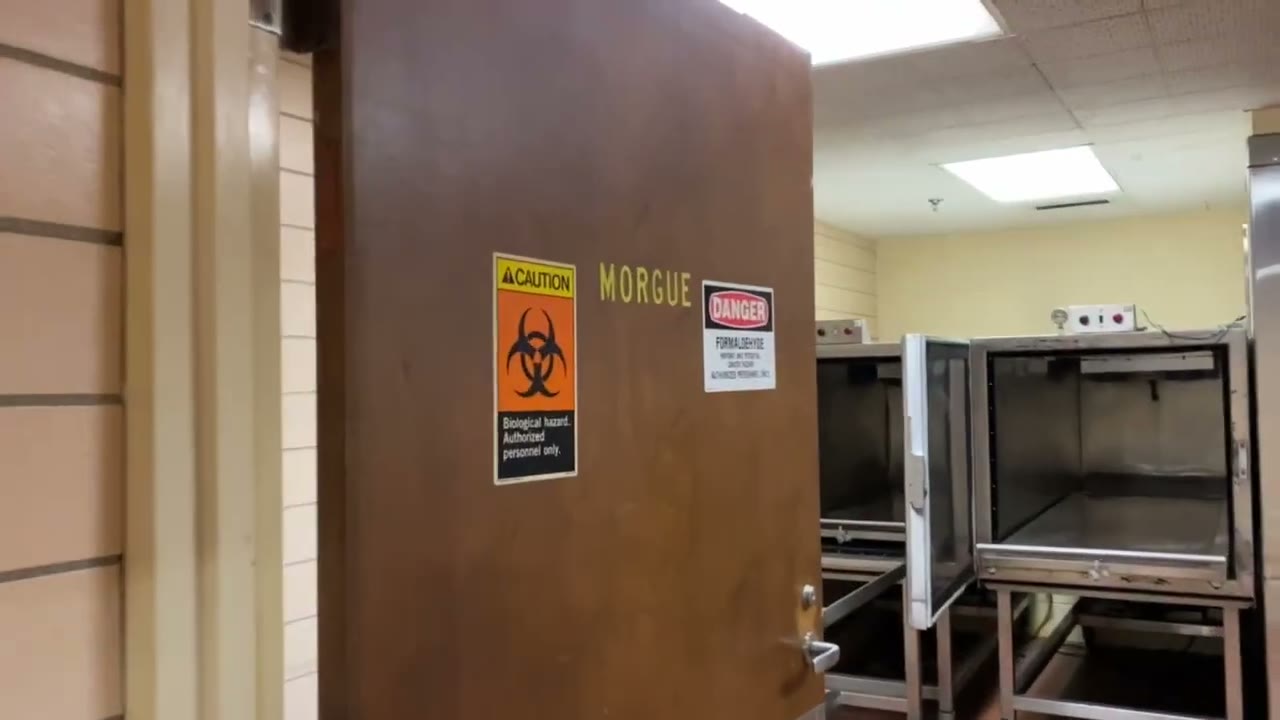
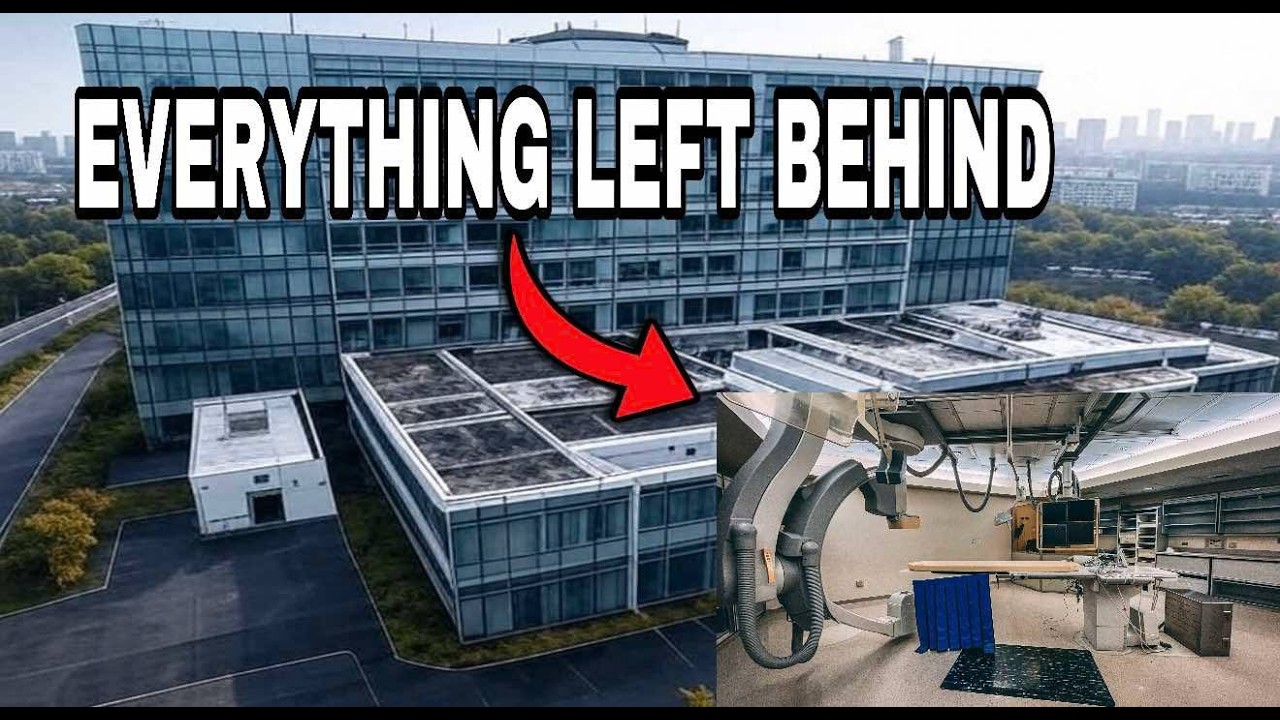
The second is the Blue Island hospital. ABC7 reported on September 30, 2019 that MetroSouth “used to be the largest employer in Blue Island.” The morgue in the basement had a biohazard sticker and a formaldehyde warning on the door, and the roll out coolers still worked. In the video I say I’m glad I saw it before it was cleaned out, because it would have been sad to see it empty.
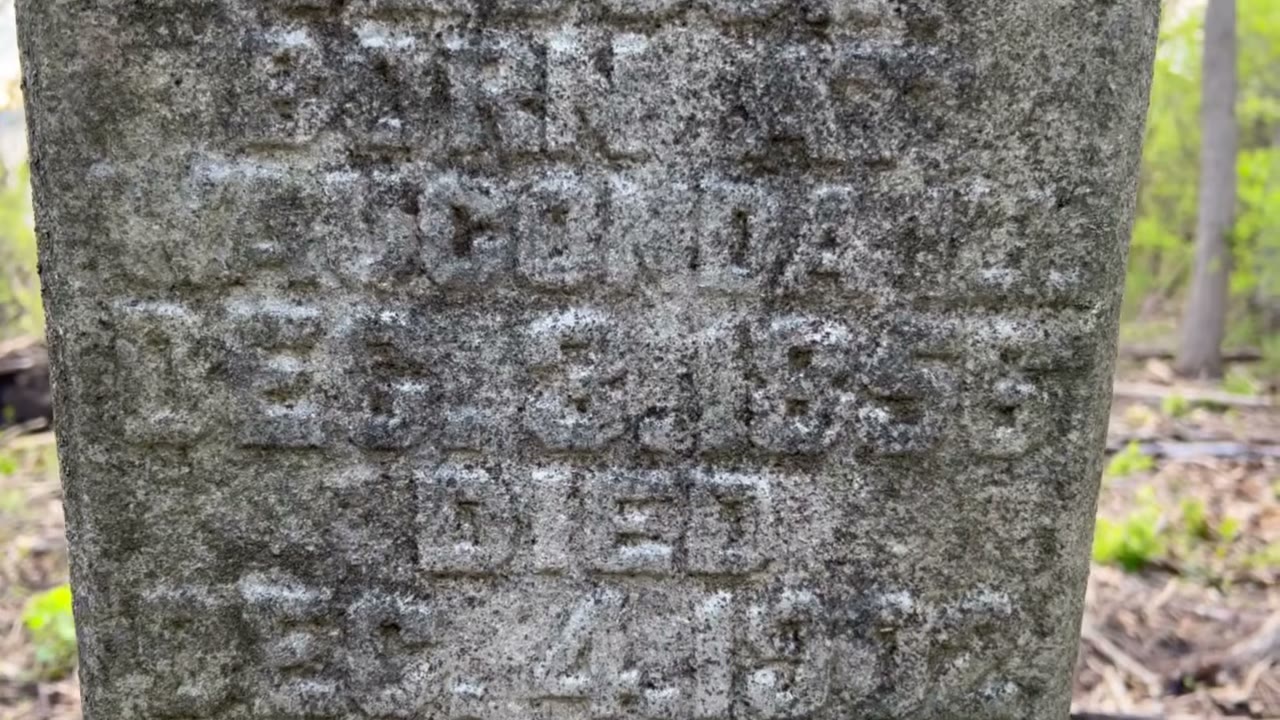
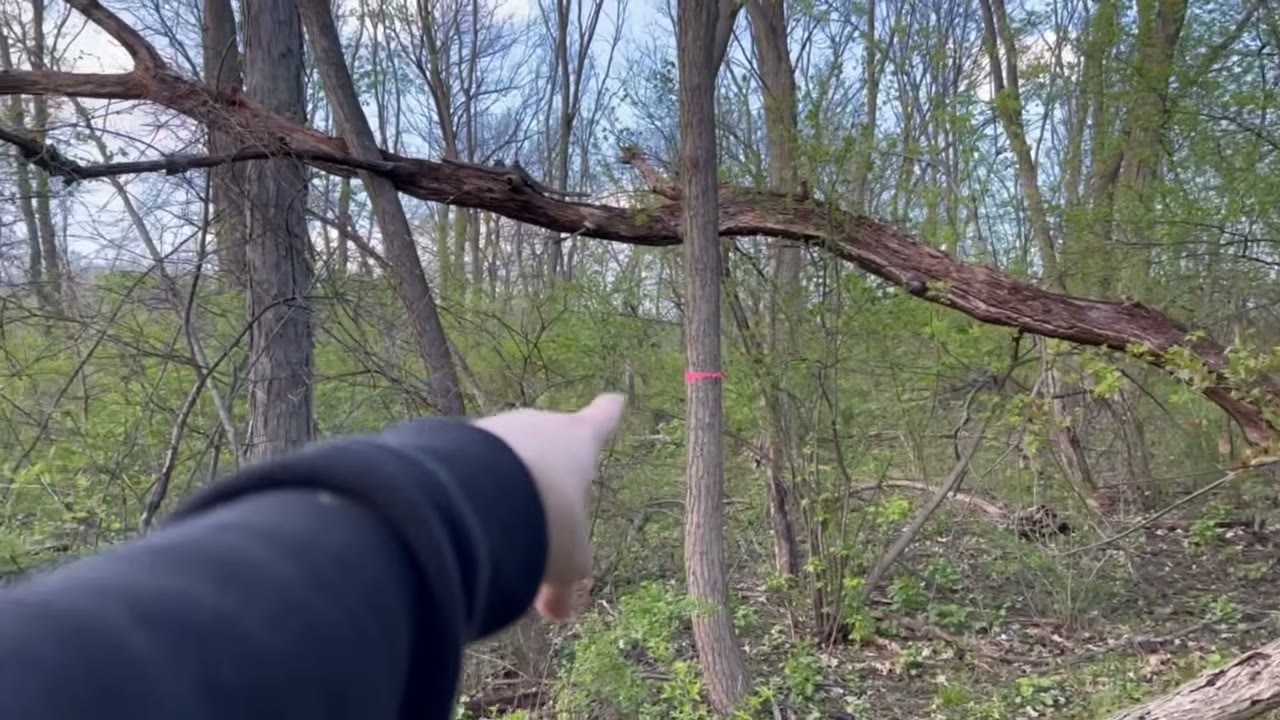
The third is the abandoned cemetery in the woods. The video description calls it a small family cemetery that was forgotten and overgrown, and says not much is known about the people buried there because the headstones are hard to identify.
There is also a funeral home video, and the description lists the power still on, everything left behind, mold and peeling paint. I film on a DJI action camera and carry one good flashlight, because most flashlights, including brand ones, aren’t bright enough for a basement. Both are linked at the bottom of this page, and I cover how I find places and stay safe in a $9.99 PDF called How to Find Abandoned Places.
Dark tourism asks you to remember a place, and an abandoned building asks you to leave it the way it was.
What I carried in
Same list as every video description.
Sources
- Progress in dark tourism and thanatourism research, An uneasy relationship with heritage tourism, Duncan Light, Tourism Management, 2017
- 1.95 million visitors to the Auschwitz Memorial and Museum in 2025, Auschwitz Memorial, Jan 7, 2026
- Alcatraz Island, National Park Service
- Cemetery Protection Act (765 ILCS 835/1), Illinois General Assembly
- What Happens When a Prison Closes? Dwight's Demise 10 Years Ago Highlights Current Issues in Illinois Facilities, WTTW News, Nov 19, 2024
- MetroSouth Medical Center closes its doors, ABC7 Chicago, Sep 30, 2019
More like this

The footage that never goes public lives on Patreon. It's paid, and it's where the rough cuts, the security run-ins and the early releases go.