, exact location withheld
Exploring Abandoned Buildings in Winter
Cold, ice and wet clothes are the winter hazards inside abandoned buildings. What OSHA, NIOSH and CDC say about hypothermia, frostbite, ice and snow loaded roofs.
Winter takes away some of the usual hazards and adds new ones. The big three are cold that builds without you noticing, ice that hides what’s under it, and wet clothes that pull heat out of your body. OSHA says trench foot can happen at temperatures as high as 60°F if your feet stay wet, so this isn’t only a below zero problem.
This is entertainment, not medical, safety or legal advice. Every claim here links to the agency it came from, and none of it is a reason to go inside anything.
What does cold do to you?
It starts slowly. OSHA defines hypothermia as what happens when normal body temperature, 98.6°F, drops to less than 95°F, and calls uncontrollable shivering an important mild symptom that should not be ignored. NIOSH lists the early signs as shivering, fatigue, loss of coordination, and confusion and disorientation. The late signs include no shivering, blue skin and slowed pulse and breathing.
That order matters. Loss of coordination and confusion are the symptoms that make you worse at noticing the symptoms, and in a building full of holes and drops, clumsy is expensive.
Frostbite is the freezing of skin and tissue. CDC says it usually hits extremities such as the nose, ears, cheeks, chin, fingers and toes, and that redness or pain may be an early sign. Because the area goes numb, a person may not notice it. Fingers and toes are on that list, so those are the parts to keep covered. CDC’s higher risk list includes people who stay outdoors for long periods and people who aren’t properly dressed for extremely cold temperatures, and an explore is a long time outdoors.
Trench foot is the quiet one. NIOSH lists numbness or tingling pain, blisters or ulcers, and in the worst case gangrene, with the foot turning dark purple, blue or gray. Its first aid is to remove shoes or boots and wet socks and to avoid walking on the feet. Wet feet in an unheated building, such as one with a flooded basement, are all it takes. OSHA’s description of frostbite is reddened skin that develops gray or white patches, and it says not to rub or massage the area.
First aid for both hypothermia and frostbite is mostly about warmth. NIOSH says to move a hypothermia victim into a warm room or shelter and to not give alcohol. For frostbite, get into a warm room, don’t rub or massage the area, and don’t use a heating pad, heat lamp, stove, fireplace or radiator. If a victim has no pulse, begin CPR.
Is it warmer inside an abandoned building?
Not necessarily, and sometimes it’s the opposite. A building with no heat, broken windows and a bad roof is just a roof over the cold. In the Illinois hospital after the fire, I said it was snowing inside, in a bathroom. The video also shows a view out a broken window onto a snowy yard.
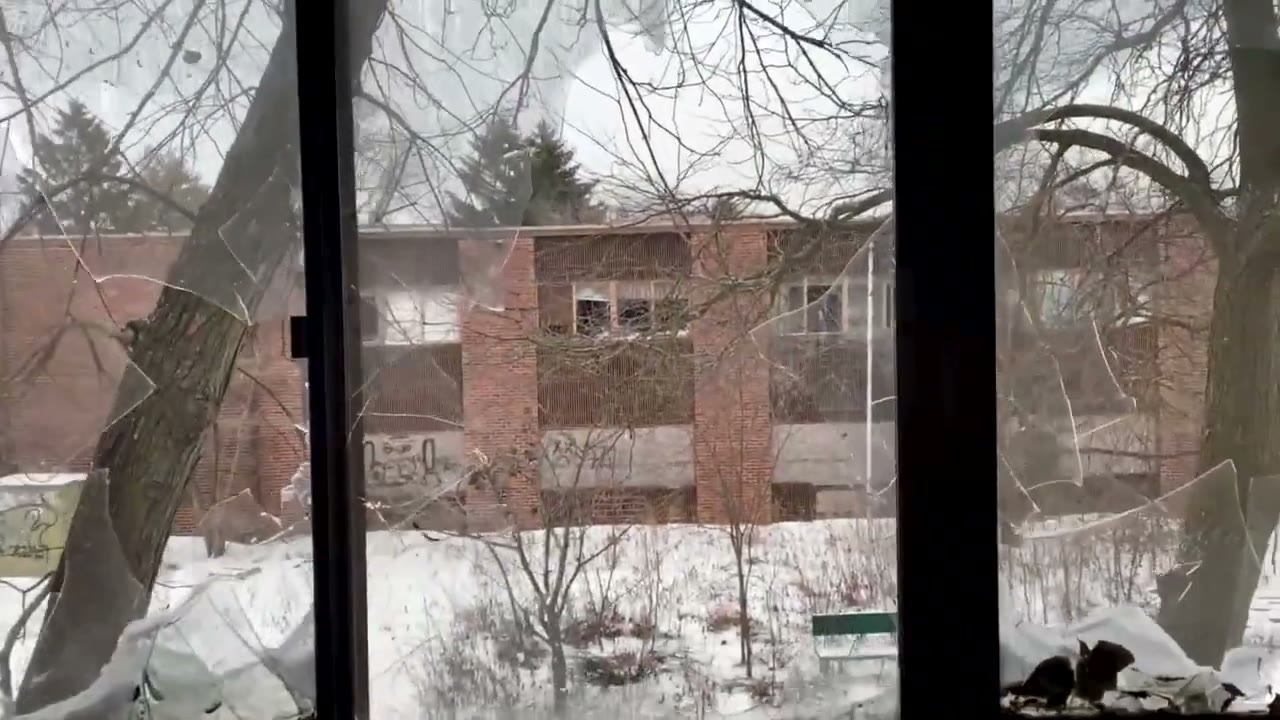
In the Detroit church with the painted ceiling you can see snow coming into the building, and I called it a little blizzard out there. In the Gary bank basement, the line on camera was are you cold, and the answer was yes.
The point of those examples is that a roof isn’t the same as shelter. Broken windows and open roofs don’t keep weather out, and a building with no power has no heat. Warming up means leaving the building, not standing in it.
What about ice, and what’s under it?
Ice makes two separate problems. The first is slipping. CDC says walking on ice is extremely dangerous and that many cold weather injuries come from falls on ice covered sidewalks, steps, driveways and porches. Every one of those exists on an abandoned property, and none of them has been salted since the owners left.
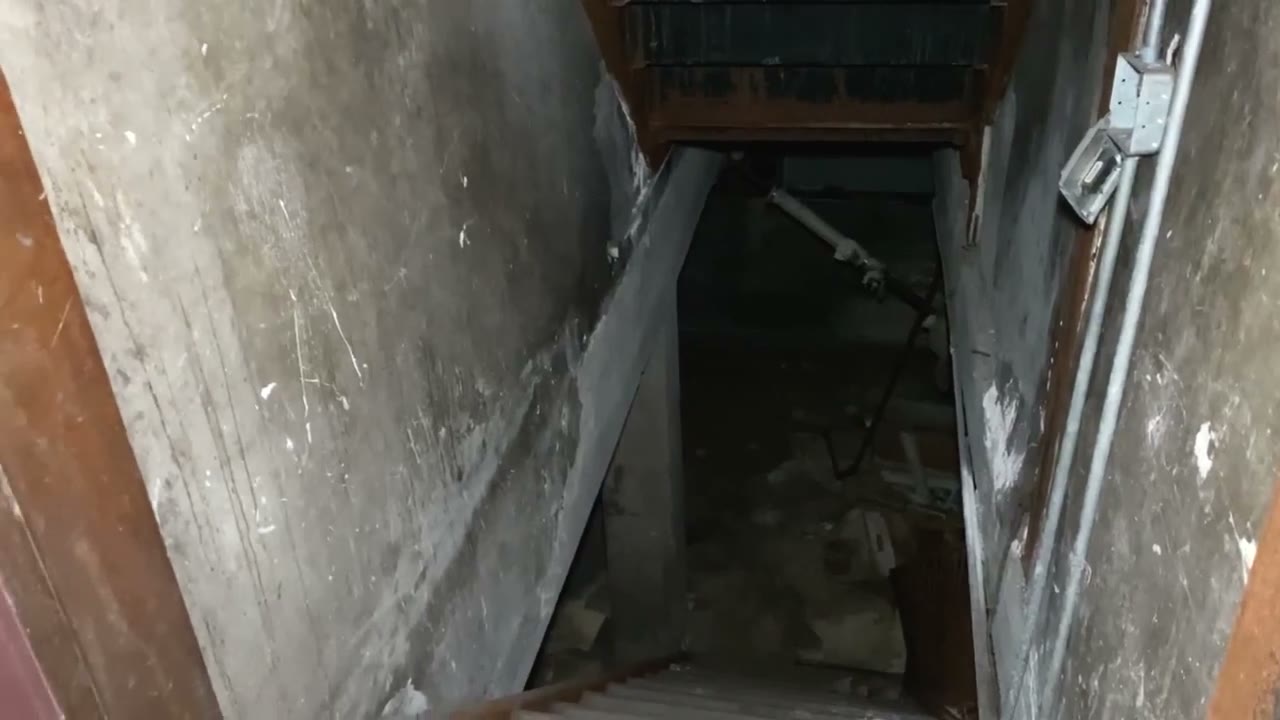
The second is what the ice covers. In the Illinois hospital the basement was flooded, and when I looked at it I said it looked frozen. Then I said it wasn’t that frozen, and that at least I could say I tried. The video description says I almost fell through the ice in the basement. A sheet of ice over standing water is thinner and weaker than it looks, and you can’t tell how deep the water is under it.
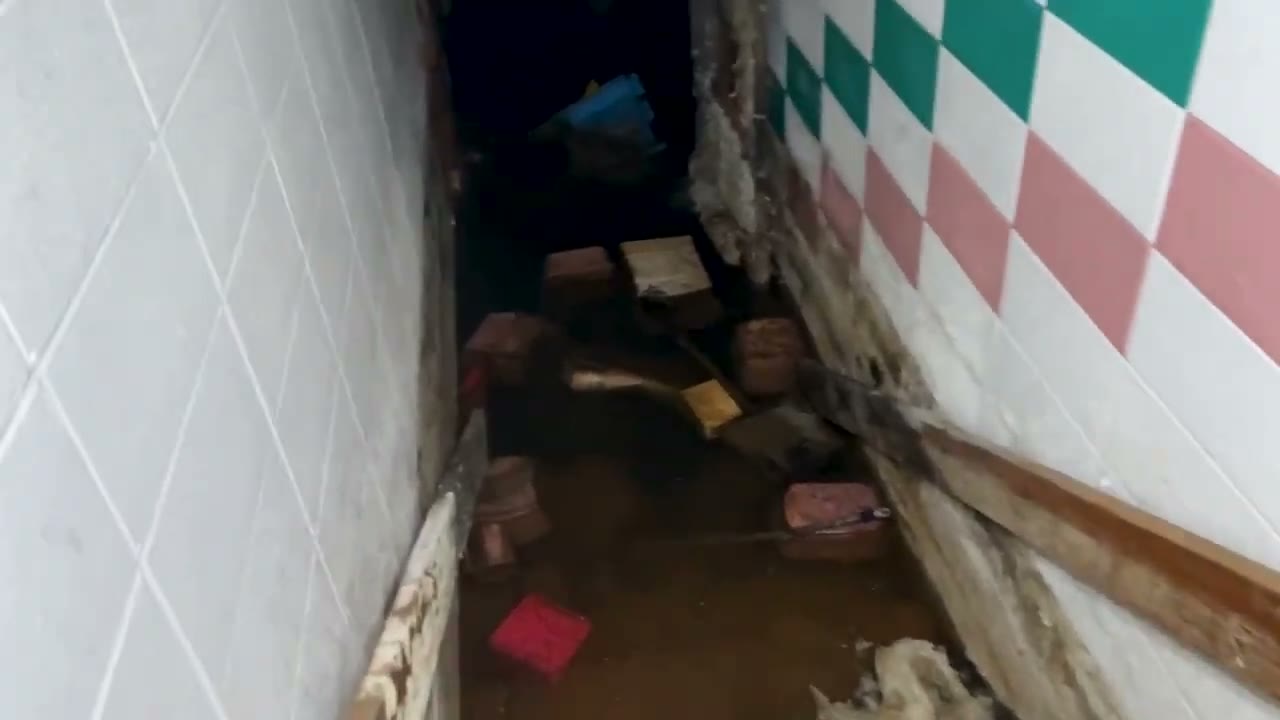
The dangers post covers why standing water in a building is a problem in any season, and winter adds a layer on top that hides the surface. Still water is my word for it, as I explain in What Is Still Water?, and I tell viewers not to recreate anything I do around it. Ice doesn’t change that.
Can snow bring a roof down?
Yes. The National Weather Service says the weight of snow can cause roofs to collapse and knock down trees and power lines. That’s a warning written about buildings that are maintained. Abandoned roofs often have holes and years of water damage, and a snow load is extra weight that can find the weak spot.
I’m not putting a number on how much snow is too much, because I haven’t found an agency that gives one for neglected buildings. The takeaway is simpler. After a heavy snow, a roof that was already failing is carrying more than it was last week, and what you can see from the inside doesn’t tell you what’s holding it up.
What should you wear?
CDC’s advice is the plain version. It says to dress in layers, with an inner layer that wicks moisture, an insulating middle layer, and a wind and water resistant outer layer, and to wear a water resistant coat and boots. For frostbite it lists several layers of loose fitting clothing, a hat, a scarf or knit mask, mittens or gloves, and covering the body parts most affected.
The part people skip is staying dry. CDC says wet clothing chills the body quickly. OSHA says wetness or dampness, even from body sweat, also facilitates heat loss. That means a heavy coat you sweat through while climbing a stairwell can leave you colder than a lighter one you took off. CDC says to remove extra layers when you feel too warm, since sweating makes you lose more heat.
OSHA’s other tip is the breaks. It says to schedule frequent short breaks in warm, dry areas, to allow the body to warm up. In practice that’s a car with the heat on, not a corner of the building.
Does winter make anything safer?
A few things. In the mansion with the Native American resort theme we came across a wasp nest, and the reaction was good thing it’s winter. Bugs are one of the things that cold takes off the list. The same video had a bathroom door frozen to the ground.
Nothing about winter fixes the floors, the stairs, the air or the needles. All of those are still there, and you now also have gloves and slick soles. That’s the trade.
What does this look like on a real explore?
It looks like weather coming inside. In the hospital, the church and the bank, the cold, the snow or the ice was in the building with us. How I stay safe on explores is in my guide, How to Find Abandoned Places. For the rest of what can hurt you, read What’s Actually Dangerous Inside Abandoned Buildings, and for what to carry, What to Put in an Urbex First Aid Kit.
If you’re shivering, the explore is over.
Sources
More like this


The footage that never goes public lives on Patreon. It's paid, and it's where the rough cuts, the security run-ins and the early releases go.