, exact location withheld
Exploring Abandoned Buildings in Summer Heat
Heat illness, mosquitoes, ticks, stinging insects and poison ivy are the summer hazards around abandoned buildings, with the CDC, NIOSH and OSHA guidance on each.
Summer adds heat, mosquitoes, ticks, stinging insects and poison ivy to every other hazard around an abandoned building. The one that can turn serious fastest is heat. NIOSH says that with heat stroke the body temperature can reach 106°F or higher within 10 to 15 minutes, and that it’s fatal if treatment is delayed.
This is entertainment, not medical, safety or legal advice. Every claim here links to the agency it came from, and none of it is a reason to go inside anything.
What does heat do to you?
It comes in stages, and the early stages are easy to talk yourself out of. NIOSH describes heat exhaustion as heavy sweating, elevated body temperature and decreased urine output, along with headache, nausea and dizziness. The first aid is to remove the worker from the hot area and give liquids to drink, and to call 911 if medical care isn’t available.
Heat stroke is the one to know by sight. Confusion and slurred speech are the listed signs, and NIOSH says to call 911, move the person to a shaded, cool area and remove outer clothing. If your friend starts answering questions strangely on a hot day, that’s the moment.
Two smaller ones show up on long days. Heat cramps hit people who sweat a lot during strenuous activity, and NIOSH recommends a drink or snack that replaces carbohydrates and electrolytes every 15 to 20 minutes while saying to avoid salt tablets. Heat rash is red clusters of pimples or small blisters from sweating in hot, humid weather, and the advice is to keep the area dry and not use ointments or cream.
Is it hotter inside an abandoned building?
It can be. OSHA says hazardous heat exposure can occur indoors or outdoors, and can happen in any season if the conditions are right. A closed building with no power has no air conditioning to take the edge off.
Humidity is the other half. In the Russian billionaire’s mansion the wallpaper was peeling, and the explanation on camera was that it happens once the AC gets kicked off and it gets really humid in there. A building doesn’t have to be hot to be a wet, still place where sweat can’t dry. NIOSH lists exactly that combination, hot and humid weather, as the cause of heat rash.
I’m not putting a temperature on any of this, because no agency gives one for abandoned buildings.
How much water do you need?
More than you think, and sooner than thirst says. OSHA says workers should not rely on feeling thirsty to prompt them to drink and should drink water frequently. NIOSH gives a number for moderate activity lasting under two hours, which is 1 cup (8 ounces) of water every 15 to 20 minutes.
NIOSH also recommends a buddy system where people watch each other for signs of heat illness, and it says to shorten work periods and lengthen rest periods if protective clothing or equipment is worn, because clothing and gear add heat. OSHA says that when heat stress is high people should take breaks about hourly and that skipping breaks in hot conditions is not safe.
OSHA says workers should be given a cool location to take breaks and recover, and that breaks should last longer if there isn’t one. A closed, hot building isn’t one. NIOSH also says to get medical help if heat cramps don’t subside within an hour.
One more point is easy to overlook. NIOSH says to build up heat exposure over 7 to 14 days. The first hot day of the season is harder on the body than the fifth.

What about mosquitoes?
They’re the summer problem you’ll notice first. In the Chicago car hideout it was getting a little dark, and I said the mosquitoes were kind of bad. In the Girl Scout camp we found some of the mosquitos, and in the radio station there was a mosquito among the cobwebs.
CDC says West Nile virus is most commonly spread to people through the bite of an infected mosquito, and that most people infected don’t develop any symptoms. When symptoms do show, they usually start 2 to 6 days after the bite. CDC’s prevention page says the best way to protect yourself is to prevent bites, and to use an insect repellent registered with the Environmental Protection Agency.
Standing water is where they breed. CDC’s guidance for treating small areas is mosquito dunks or other larvicides on permanent standing water. That’s one more reason I tell viewers not to recreate anything I do around still water.
What about ticks?
Ticks live in the kind of ground that surrounds a lot of abandoned buildings. CDC says to avoid wooded and brushy areas with high grass and leaf litter and to walk in the center of trails. It recommends EPA registered repellents, permethrin treated clothing and gear, checking your body for ticks after being outdoors, and showering within two hours of coming inside, which it says has been shown to reduce risk.
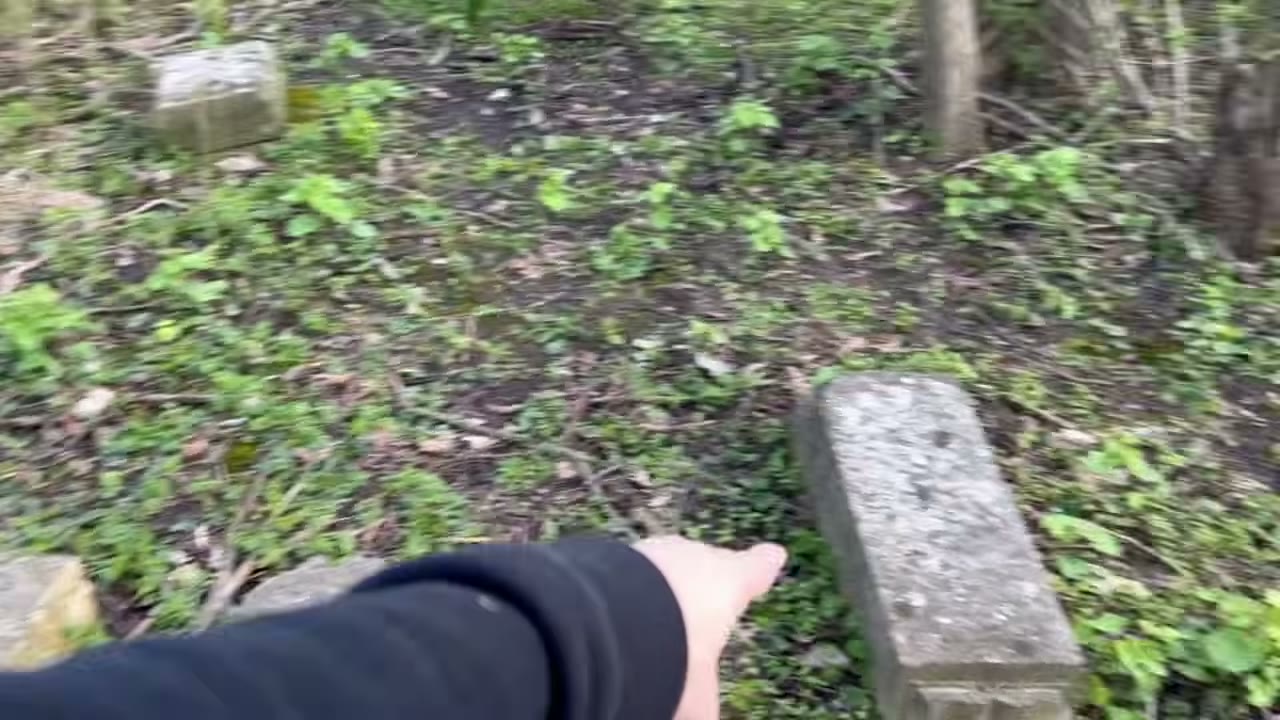
The cemetery in the woods is a good picture of that ground. I said it was very, very overgrown, with a lot of trees down, and some of the stones were hidden in it.
If you find one on you, CDC says to grasp it as close to the skin’s surface as possible with clean fine tipped tweezers, pull away from the skin with steady, even pressure, and then clean the bite and your hands with soap and water. It says not to use petroleum jelly, heat, nail polish or other substances, because that can force fluid from the tick into the skin.
Stings and poison ivy
Stinging insects and a plant round out the list. NIOSH says outdoor workers are at risk of being stung by bees, wasps, hornets and fire ants, and that some stings cause severe allergic reactions that require immediate medical care. Bees release a chemical when they sting that attracts other bees. NIOSH says to stay calm and still if a single insect is flying around, to avoid flowering plants, and for anyone with a history of severe reactions to carry an epinephrine autoinjector.
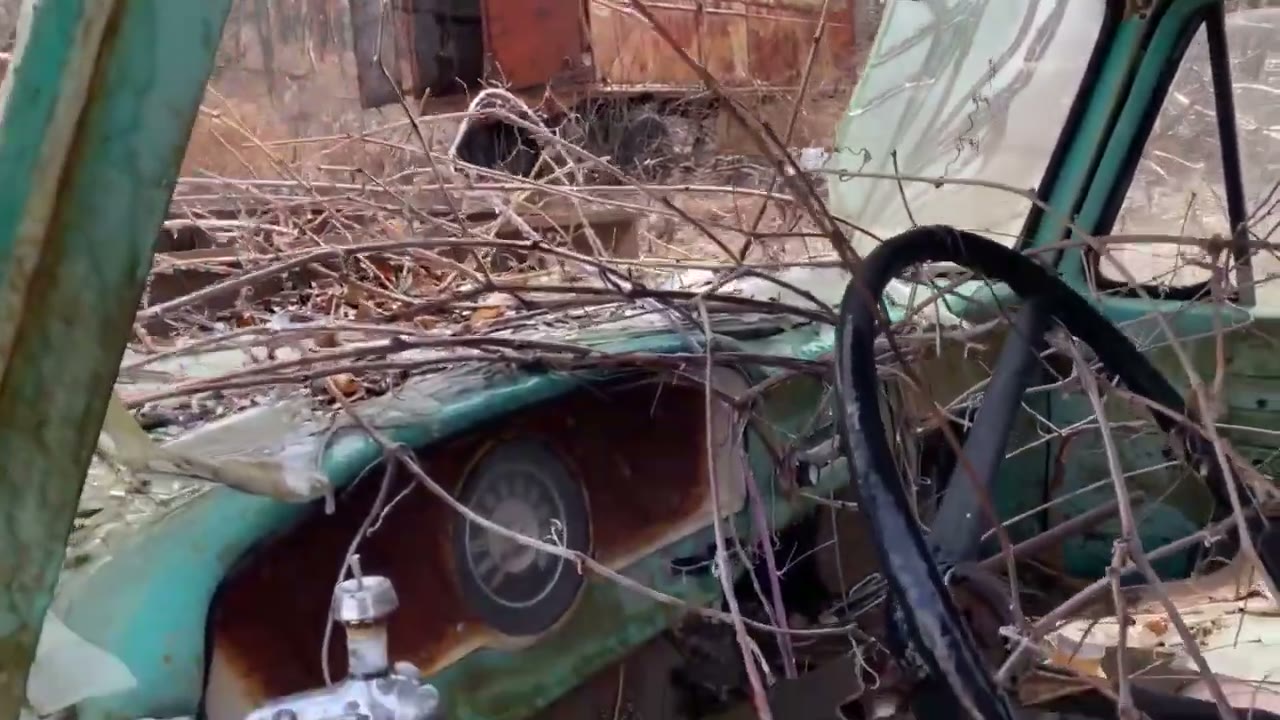
In the Rockford speedway car video the car was wrapped in dead vines, and the line was that it would look really pretty in summer with all the greenery, and bees like it too. Overgrown places and insects go together.
Poison ivy is the plant to know. NIOSH says it releases an oil, urushiol, when part of the plant is damaged, and that urushiol can remain active on the surface of objects for up to 5 years. Indirect contact through clothing or tools can spread it. After exposure it says to rinse skin immediately and wash exposed clothing separately in hot water with detergent. A rash usually shows up within a few days.
What does this look like on a real explore?
It looks like a long day outdoors with a building in the middle. Water, repellent and a tick check are part of the plan, and so are knowing the signs of heat stroke and agreeing with whoever’s with you to stop when anyone shows them. How I stay safe on explores is in my guide, How to Find Abandoned Places.
The first aid side is in What to Put in an Urbex First Aid Kit, and the cold weather version of this post is Exploring Abandoned Buildings in Winter.
Drink before you’re thirsty and leave before you’re confused.
Sources
- Heat-related Illnesses, NIOSH, Mar 3, 2026
- Heat Overview, Working in Outdoor and Indoor Heat Environments, OSHA, accessed Nov 4, 2026
- Heat Water Rest Shade, OSHA, accessed Nov 4, 2026
- Workplace Recommendations, NIOSH, Jul 16, 2026
- About West Nile, CDC, Jun 16, 2026
- Preventing West Nile, CDC, Jun 25, 2026
- Preventing Tick Bites, CDC, Aug 28, 2024
- What to Do After a Tick Bite, CDC, Jun 9, 2026
- Fast Facts Stinging Insects, NIOSH, 2010
- Poisonous Plants and Work, NIOSH, Oct 1, 2026
More like this


The footage that never goes public lives on Patreon. It's paid, and it's where the rough cuts, the security run-ins and the early releases go.