Pillsbury Mills, Springfield, Illinois
Inside an Abandoned Pillsbury Flour Mill: Holes in the Floor and Someone Working Above Us
The abandoned Pillsbury plant in Springfield, Illinois, with mills, purifiers and a quality check sheet left inside, and someone working above us.
By Decay
This post has affiliate links. As an Amazon Associate, DecayingMidwest earns from qualifying purchases.
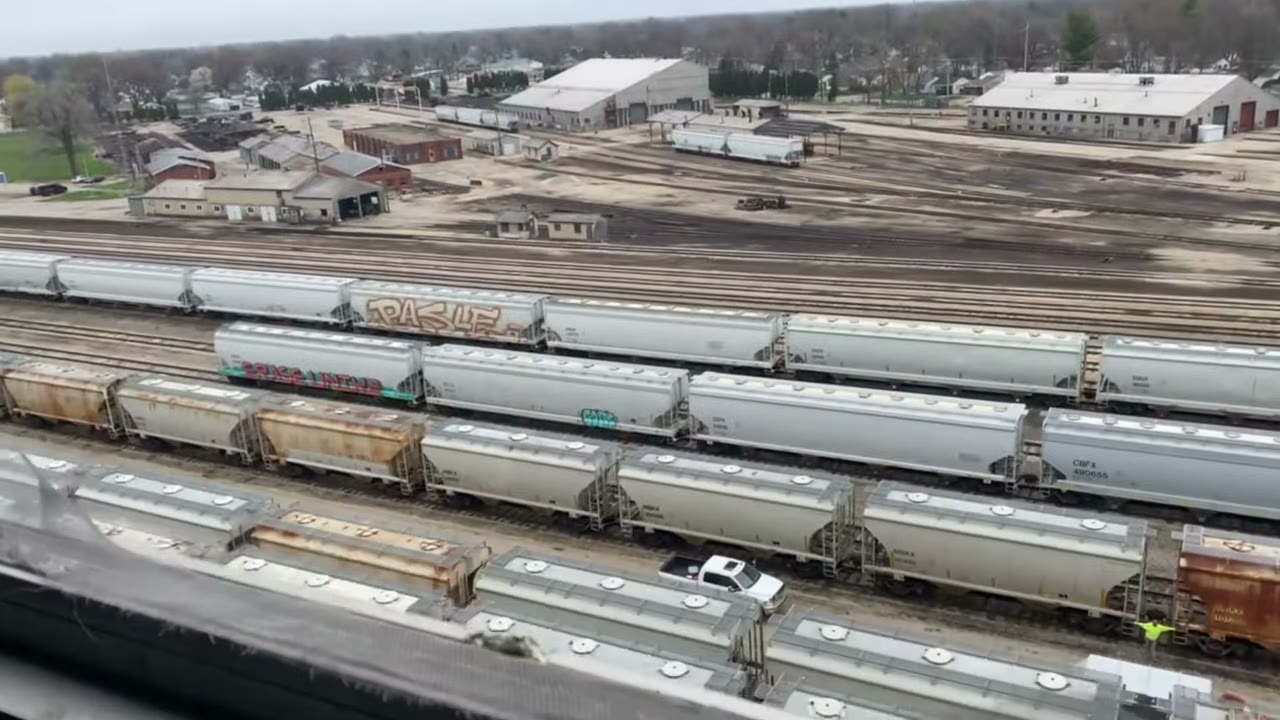
This is the abandoned Pillsbury plant in Springfield, Illinois, which was reported to cover 850,000 square feet at its largest. The video is called almost caught for a reason. There is security on the property, what looked like a demolition crew was working in parts of it, and for a while we were not sure who was on the floor above us.
Most of the explore is the mill itself. A lot of the machines that turned wheat into flour were still standing when I filmed, and so were floors that were no longer safe to stand on. Demolition began in 2025, and every building and all 160 silos are set to come down.
What we found
The video opens with security. A truck came by early, and partway through we heard banging from above us, as if somebody was working up there. At one point it sounded like a big semi or dump truck parked next to us, and I wondered if they were coming in. Later the security truck came back. I did not want to get spotted, so I never got a good look at what else was out there.
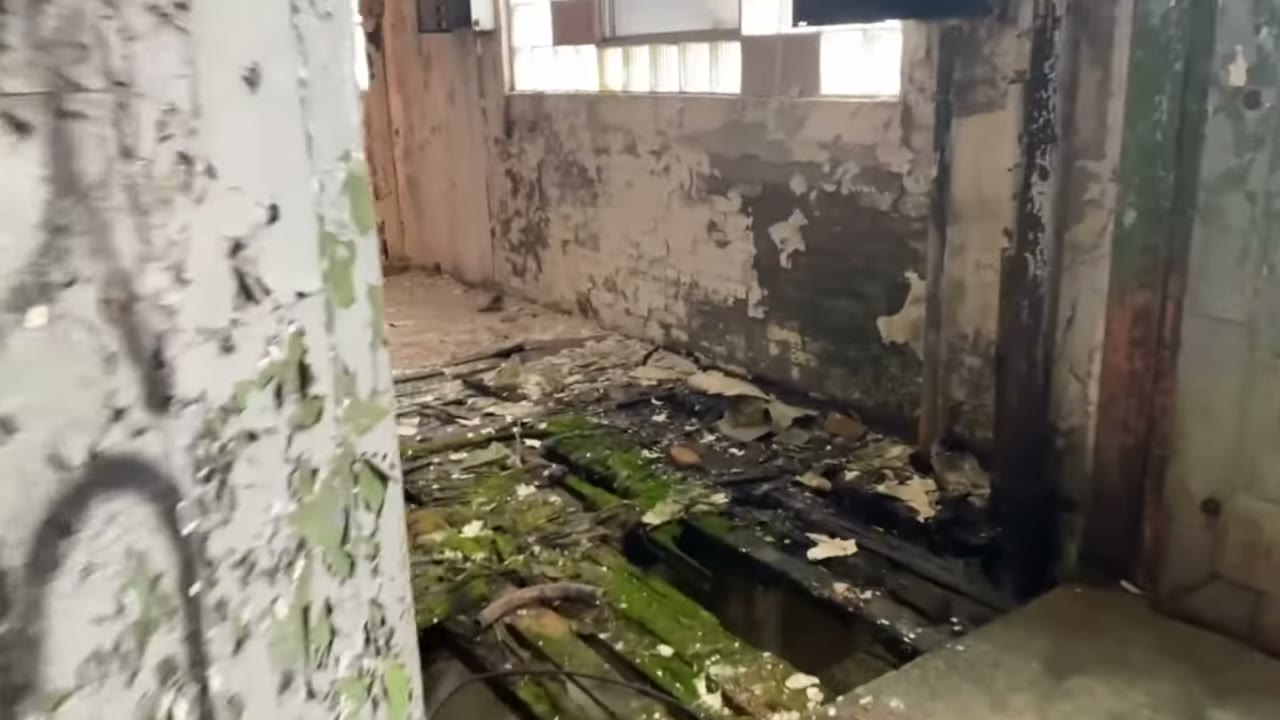
The floors are the other problem. There were holes in them and a giant chunk of concrete missing. In one place you could see straight through to the floor below. I do want to see what is on the far side of some of those, and I don’t think it is worth it. One section was a spot where I would not risk my life, which is the line I use when people ask how I decide where to stop. Someone had probably stepped on that part and it caved in. It was still a cool shot.
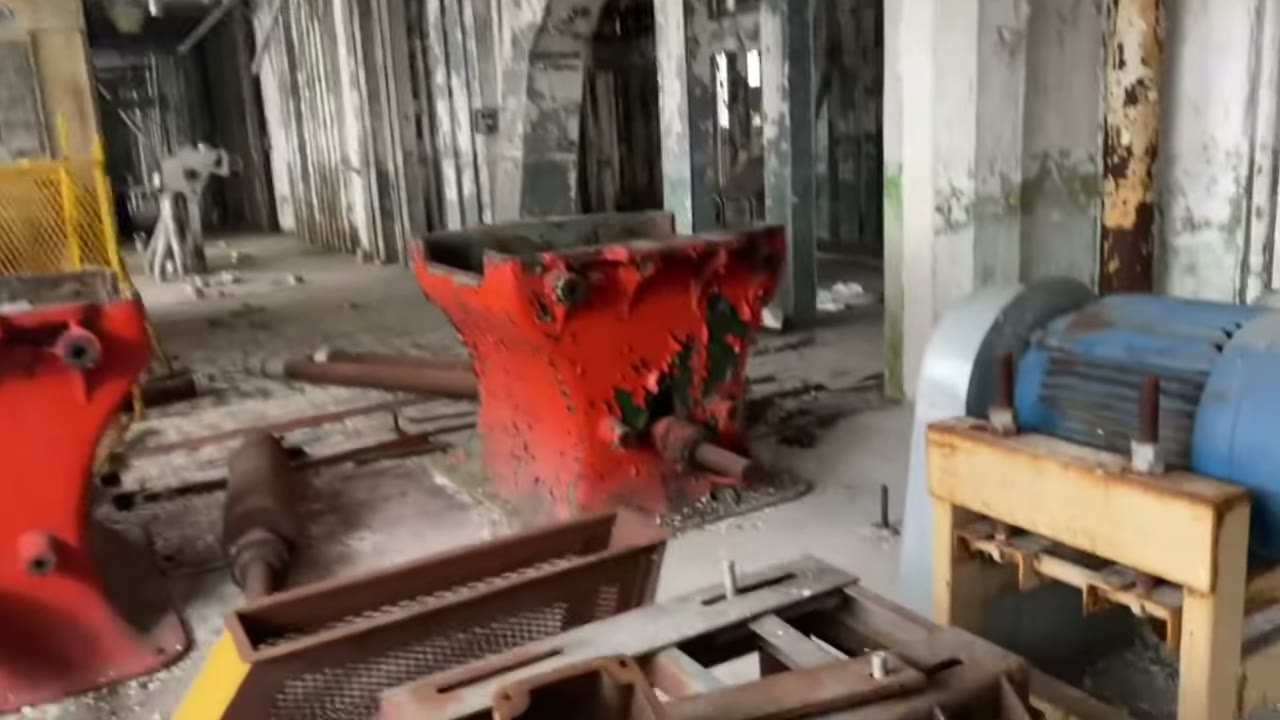
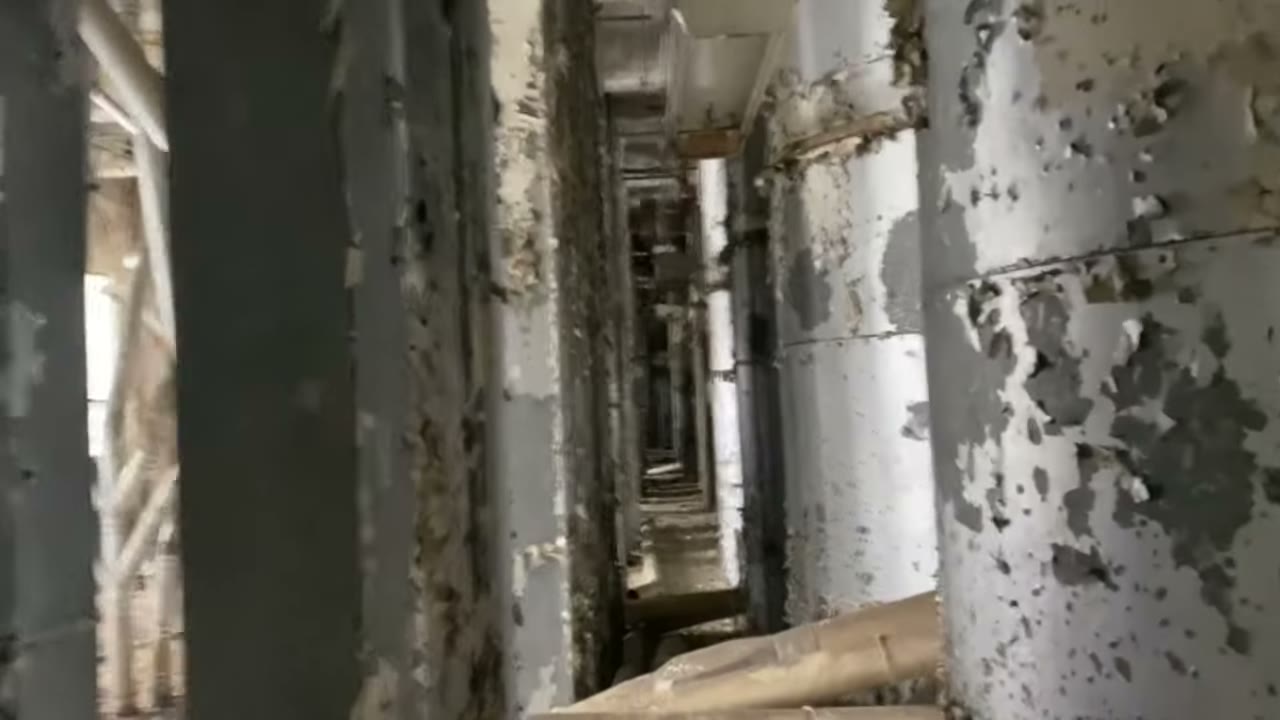
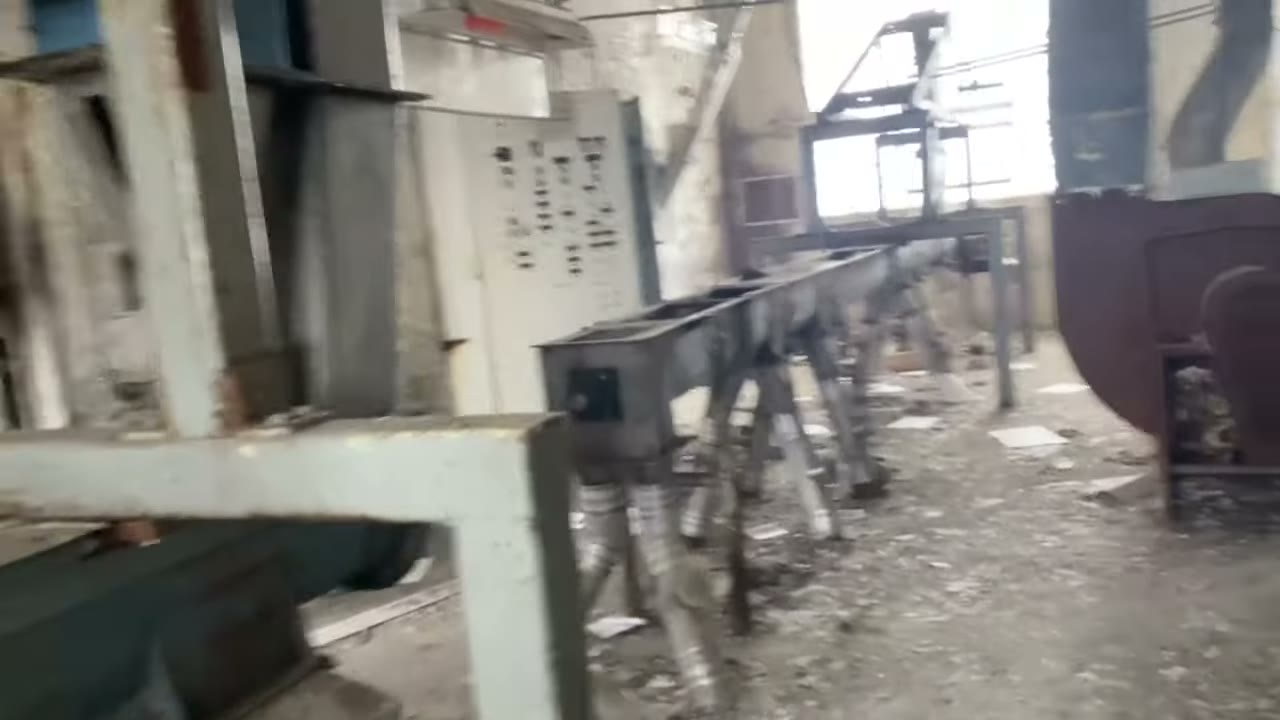
The top of the building had an elevator shaft with roof access, and the roof access was sealed off. Below that, the equipment is labeled, which made it easy to follow. There were sifters, dust collectors, flow pipes, purifiers, bucket conveyor chutes and bins. A sign says do not open machine until it is completely stopped. Inside one of them there was still product left over from whatever they were grinding. It came down through the machine and was sifted through a barrel into the next one. The pipes sent product to the next level. It looks like the demolition company has been working through the center of the building, which blocked some of my way.
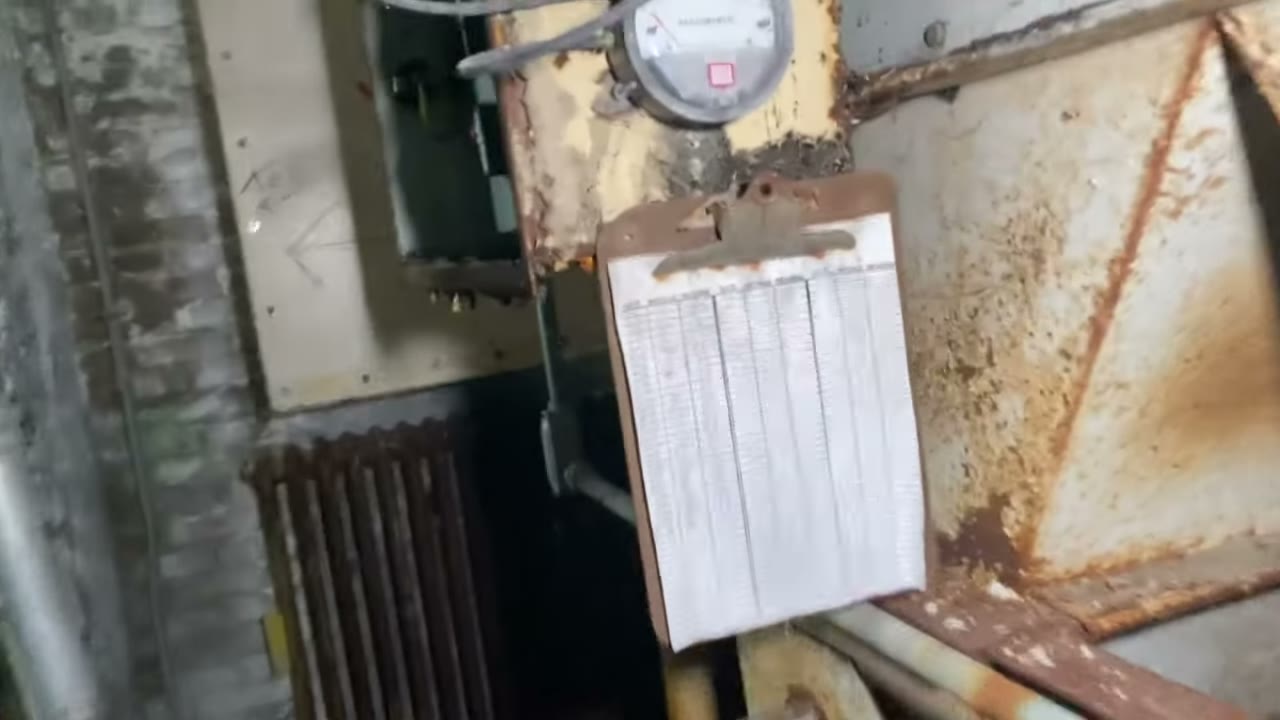
On one floor I found a quality check sheet with dates, initials and a reading for each entry. The numbers were around 3 to 3.4, and they were inches of water, so I guess 3 was the standard. There were wheat feeders, and a row of mills along one whole side of the factory, some removed and some still in place. A sign pointed to where a chlorine mix should have been, and another mentioned chlorine tubes. I almost fell through the floor in that area.
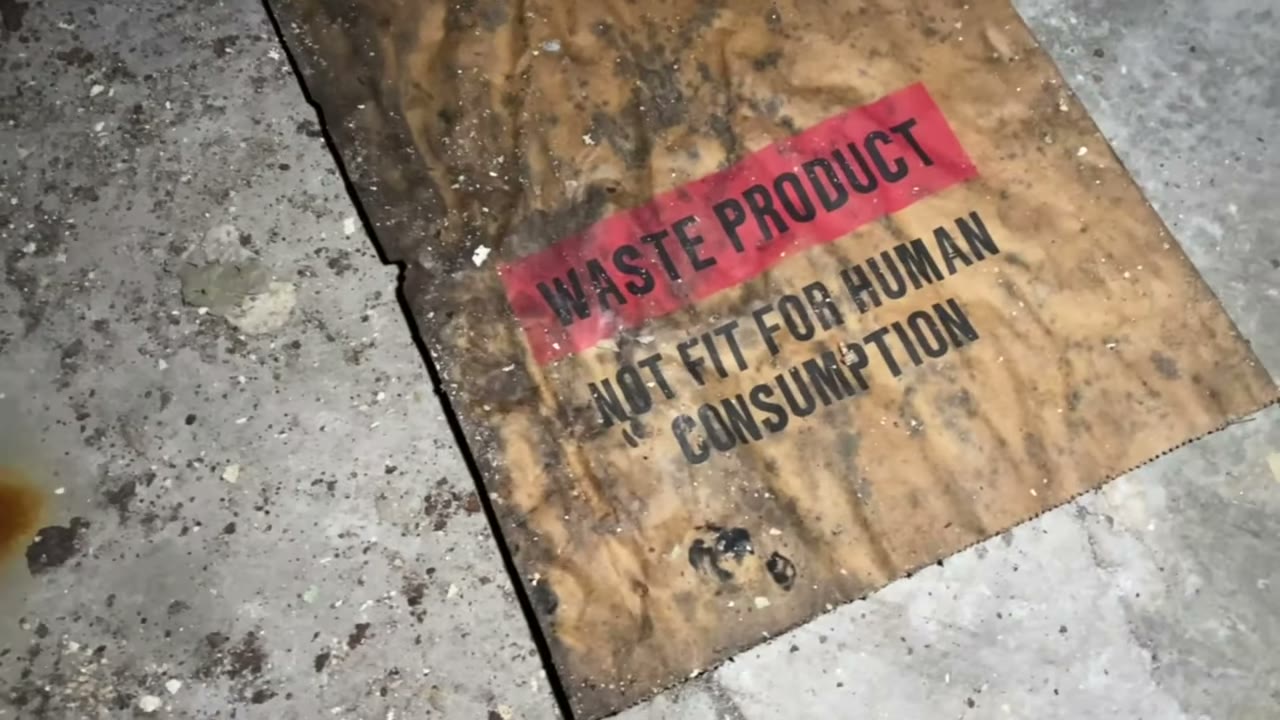
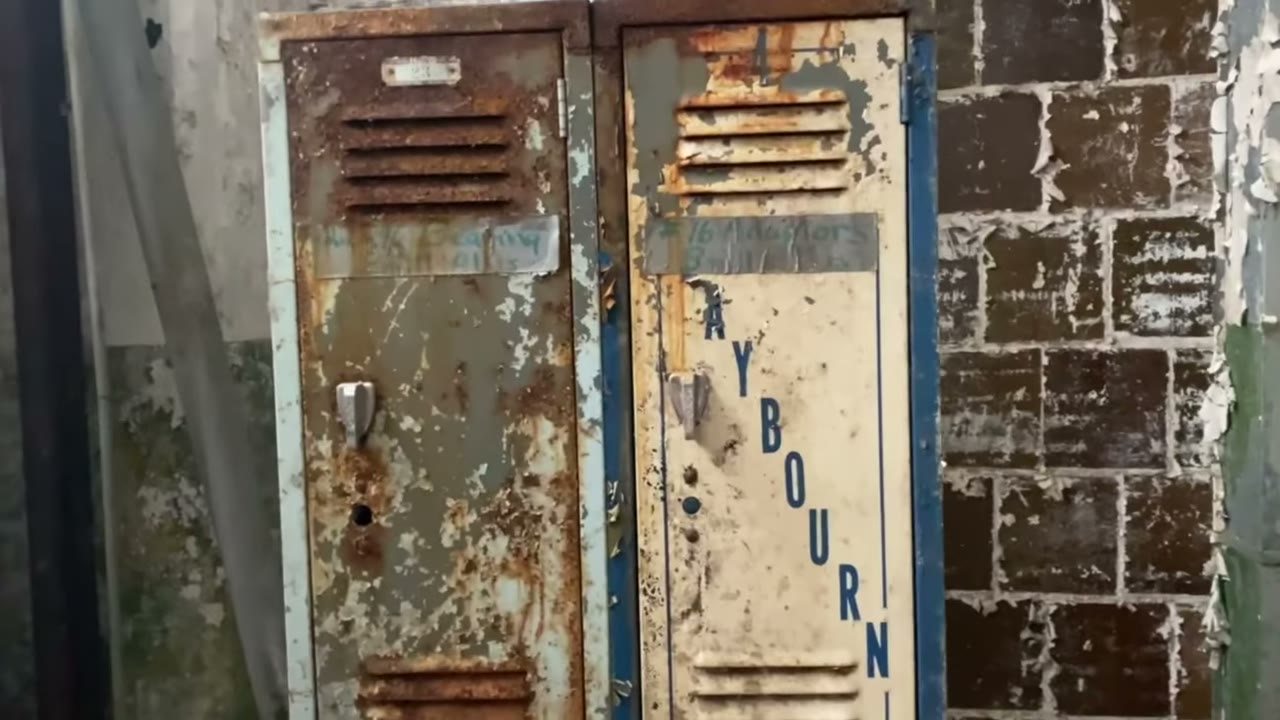
The smaller things are the ones that stay with you. An old phone bolted to the wall says Pillsbury Co. One of the suits the workers wore is still there, marked DuPont. A stretcher was gone from its case, so somebody took it out. There was a bin of workers’ lotion, and a bin marked waste product not fit for human consumption. I thought about the people who used to work there and wondered what they do now. One office is full of controls and buttons, including light bulbs you press to test. The place is tagged, so you can tell what most of it was.
In one room there was a blanket that looked moldy, like a homeless person’s, and some old shoes. The last stretch was the one where we heard somebody banging above us again. We took the stairs down. There was a red truck right outside, and it sounded like somebody was working below us.
Why the Pillsbury plant in Springfield is abandoned
Pillsbury built the plant in the 1920s, and Illinois Times reports it opened in 1929 on an 18 acre site on the northeast side of Springfield. It first ground wheat into flour shipped in 100 pound sacks. After World War II it added cake mixes and later brownie mixes. Rows of bins, each 100 feet tall, held as many as 3 million bushels of wheat, and employment reportedly peaked at more than 1,500 people in the 1950s.
Pillsbury sold the plant to Cargill in 1991, reported at $19 million. Cargill ran it as a grain storage facility for about 10 years and shut it down in 2001, the same year General Mills acquired Pillsbury. The coverage I found does not give one specific reason for the closure. Illinois Times ties the decline to the wider loss of heavy manufacturing in Rust Belt cities.
After that the site sat vacant until 2008, when it was sold to the first of several owners who stripped scrap metal, some of it illegally. The Illinois EPA went to court over illegal asbestos removal from copper pipes and an injunction followed in 2015. Residents said no one warned them when the dryer building came down in 2014, and dust and debris spread through the area. The U.S. EPA reportedly paid $3.2 million for asbestos cleanup in 2017. WICS reported that owner Joseph Chernis pleaded guilty in 2018 to three counts tied to illegal asbestos removal, demolition and disposal, and was sentenced to 37 months in federal prison. The same report lists an arson arrest at the site in 2018 and a dog that died there in 2019. By then roughly half of the original 850,000 square feet of buildings had been torn down, which leaves about 500,000.
Moving Pillsbury Forward, a Springfield nonprofit launched in 2019, bought the site in 2022 for $1. It estimated demolition and cleanup at $10 million to $12 million because of asbestos and lead paint. By February 2024 it had raised $6 million, and on February 20, 2024 the Springfield City Council approved another $1.5 million. The State Journal-Register later reported about $7.3 million secured, including $3.8 million federal, $2 million from the city and $1.2 million from the state. The group said it had already removed three structures and 500 tons of debris and that more than 3,000 people toured the site in a single year. That fits what I saw, since a demolition crew was working through the middle of the building.
Large scale demolition was reported underway in 2025. WCIA covered a wrecking ball taking down the 160 foot smokestack, and group president Chris Richmond said the rest of the site would come down over about six months. Springfield Business Journal reported on November 4, 2025 that the roof was nearly entirely removed and that asbestos removal was complete. The 160 silos and the tall head house are handled separately with federal money, because they contain lead paint and asbestos.
What happens next
Moving Pillsbury Forward says the goal is to clear the 18 acres and sell them to a developer for light or medium industrial use, with jobs coming back to the neighborhood. In 2024 Illinois Times reported that a few million dollars more would likely be needed to remove contaminated soil. In November 2025 Springfield Business Journal reported that the group was targeting a light or medium manufacturer to reuse the site and its adjacent rail yard. The State Journal-Register reports that more than 70,000 tons of concrete will be recycled and that a memorial wall by artist Jen Santarelli will list nearly 1,200 former employee names on the east side of the Bakery Mix Building. It also reports that the graffiti art inside will be lost when the buildings come down. I did not find a named developer or a confirmed reuse in the sources I read.
A quality check sheet in one room, and a crew banging overhead in another.
Left behind
- Flour mill equipment, including purifiers, sifters, dust collectors, bucket conveyors, wheat feeders and rows of mills
- A quality check sheet with dates, initials and readings measured in inches of water
- Product still left inside one of the machines
- An old phone marked Pillsbury Co.
- A protective suit marked DuPont that workers wore
- A control office full of buttons and test light bulbs
- A bin marked as waste product not fit for human consumption
- Floors with holes and concrete missing
What I carried in
Every piece of gear I use is in one place on my Amazon storefront.
Sources
- Progress for Pillsbury site, Illinois Times, April 14, 2022
- Moving forward with demolition, Illinois Times, February 22, 2024
- Millions in local, state and federal tax dollars set for historic mill demolition, Lincoln Daily News (via The Center Square), January 3, 2024
- Looking back on Pillsbury Mills, demo anticipated to resume Thursday, WICS NewsChannel 20, undated
- Group eyes demolition of former Springfield Pillsbury Mill site. Here's what's next., State Journal-Register, undated
- WATCH: Construction crew demolishes Springfield's abandoned Pillsbury factory smokestack, WCIA, 2025
- Pillsbury, 1940: 100 steps between wheat & flour, SangamonLink (Sangamon County Historical Society), July 29, 2025
- Governor visits Pillsbury site, Springfield Business Journal, Nov 4, 2025
Get new posts by email
One email when new posts go up. No spam, unsubscribe any time.
Or follow along on
Subscribe on YouTubeMore like this



The footage that never goes public lives on Patreon. It's paid, and it's where the rough cuts, the security run-ins and the early releases go.
There is also merch. It is not a crowbar.
Comments