East St. Louis, Illinois, exact building withheld, exact location withheld
Inside an Abandoned East St. Louis Bank That Lost Its Vault Doors
A bank in East St. Louis, Illinois that opened in 1920, now with heavy graffiti, shattered lights, a basement tunnel system and no vault doors left.
This bank in East St. Louis, Illinois opened in 1920 and, according to the video description, stopped printing money in 1934. The architecture is beautiful and there’s a lot of graffiti. We went in hoping to find a vault.
I explored it with two other explorers. The vault doors and contents are gone. It appears to have had two above ground vaults, and now they’re just concrete rooms. The name of the building stays off this page.
What we found
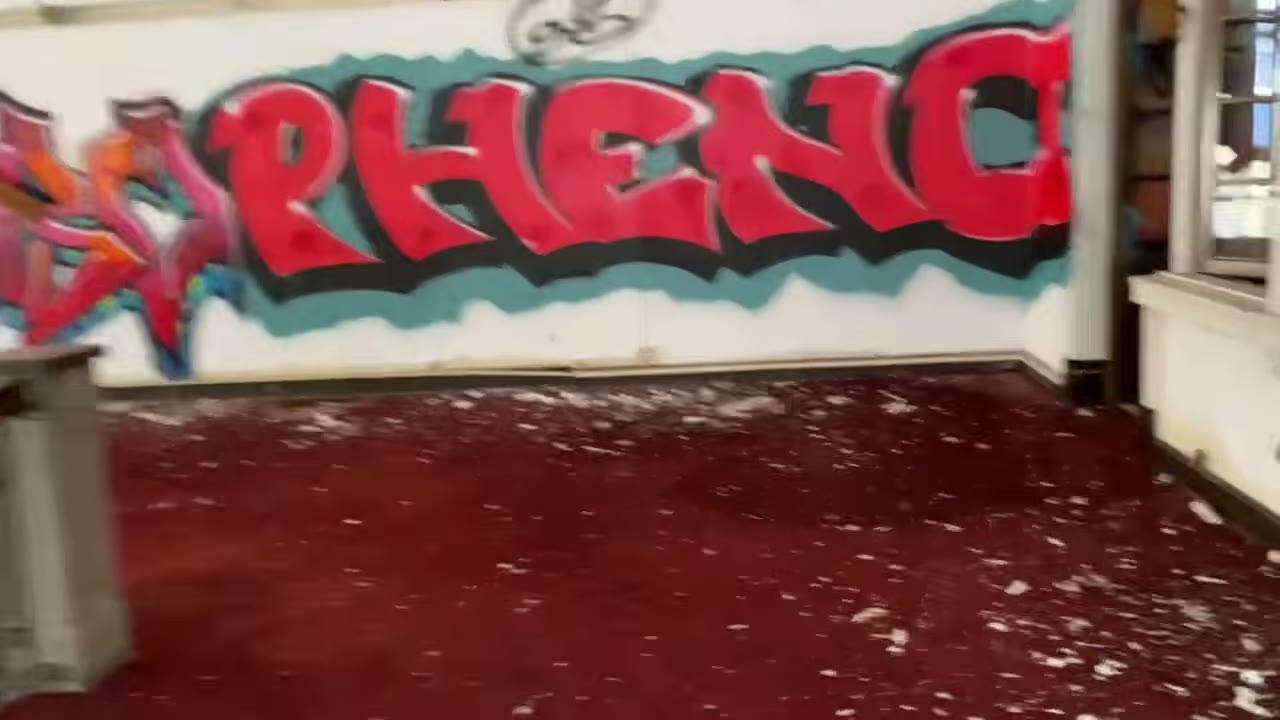
In the front of the bank the railing is still intact and the walls carry a lot of graffiti. Somebody left a can, and there’s a light fixture we couldn’t place. Then of course you get the FDIC sticker. There are little booths that looked like they’d be where the tellers worked. People have shattered every light bulb up there, so now I have lots of glass on my feet.
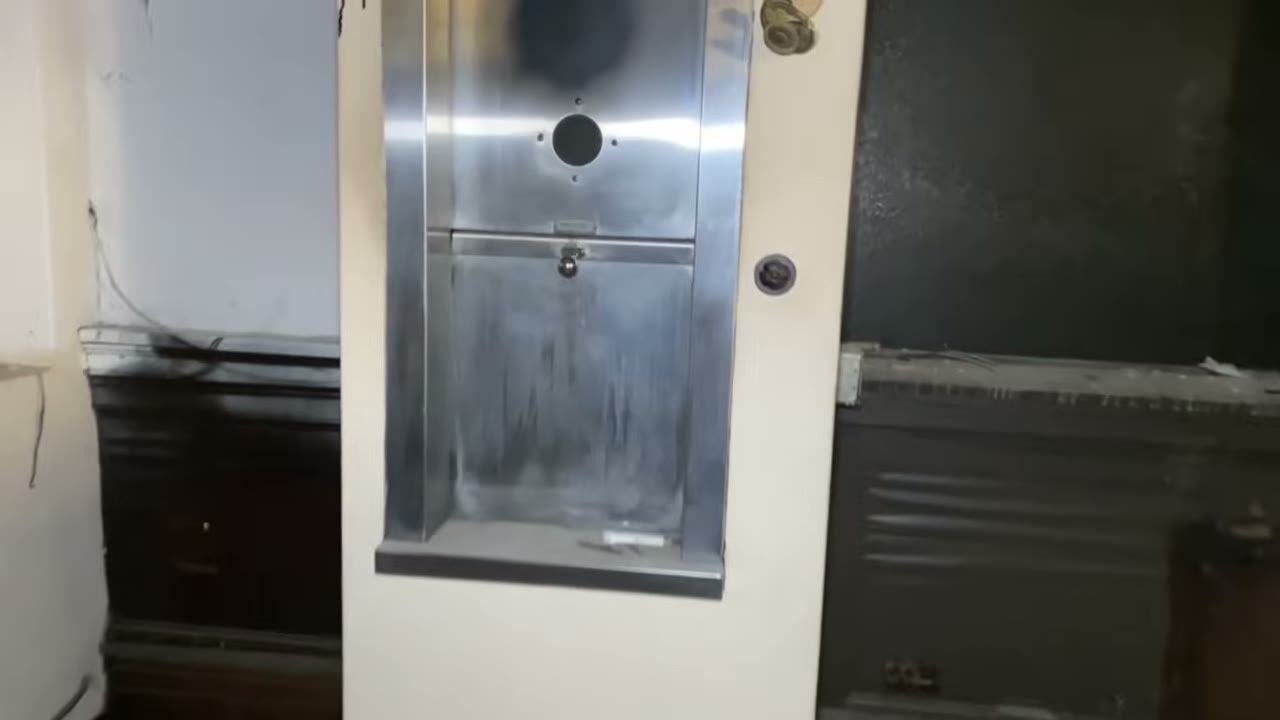
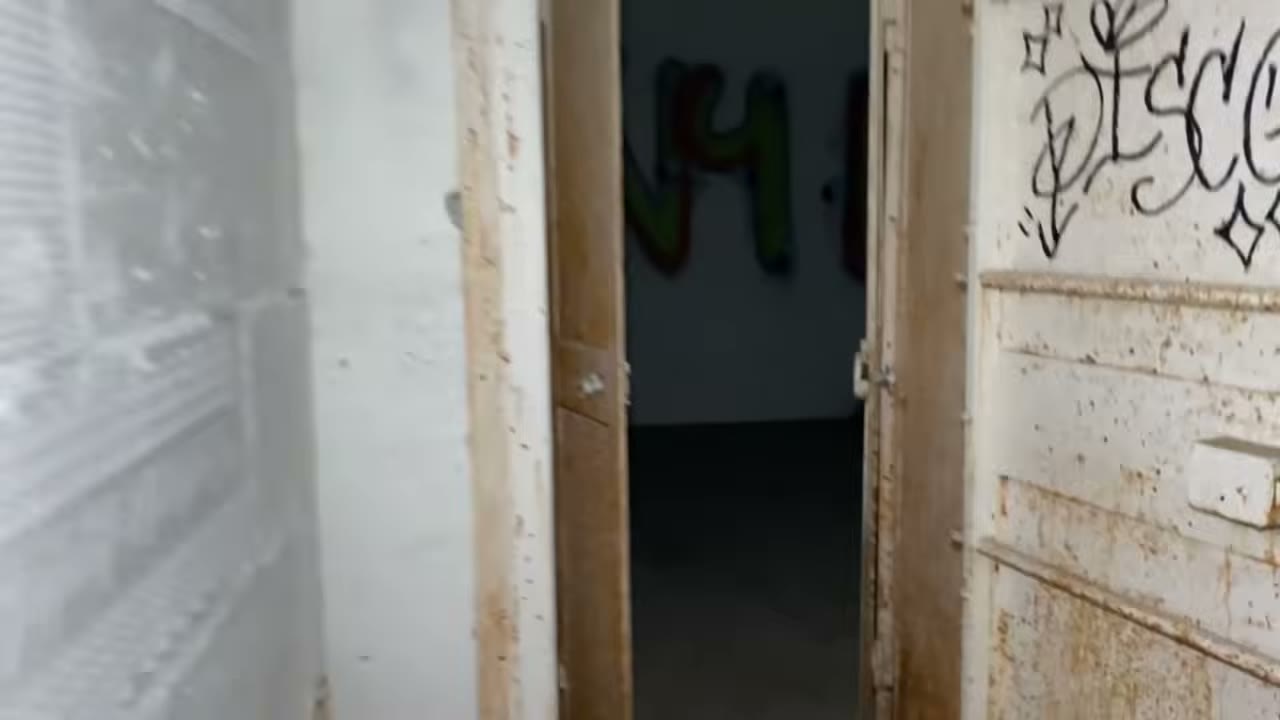
Then we went looking for the vault. I think the vault door is gone, one of us said, and someone wondered if a scrapper was getting creative. Where it would have been is now just concrete. There’s a basement and an upstairs. Set into one door is a little tray that we couldn’t work out. A dial on it is broken, unless it was just for a thermostat. Unless there’s a vault in the basement, the vault door was taken, and that’s something new I’ve seen.
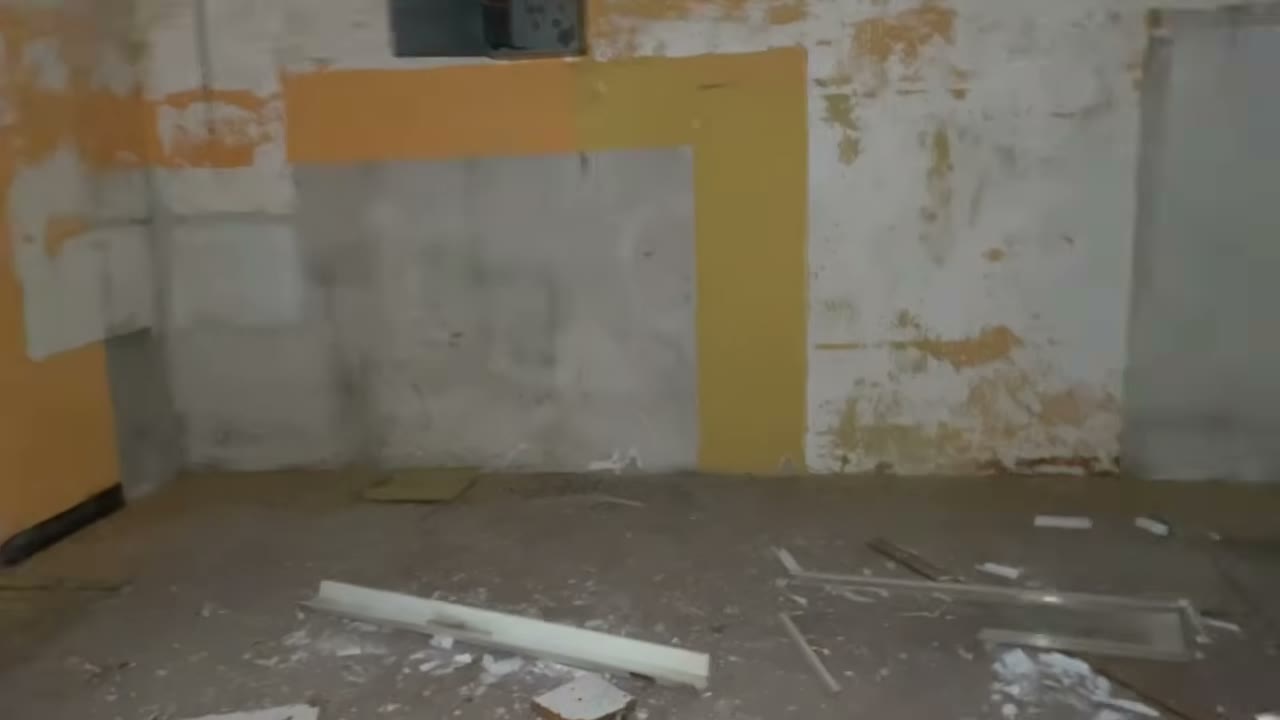
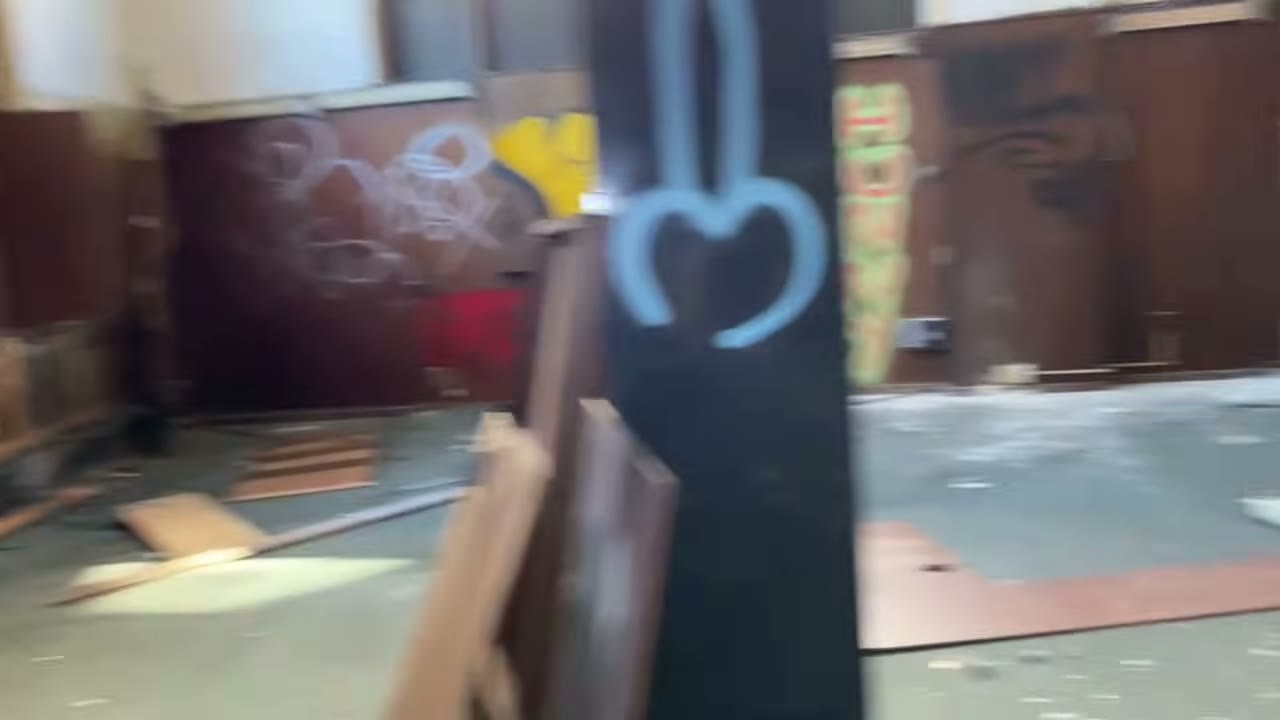
Upstairs is brighter. Through a window we could see police officers, and there’s a police station right across the street. There was a little office, an abandoned bathroom, a cool display case, and wallpaper I loved.
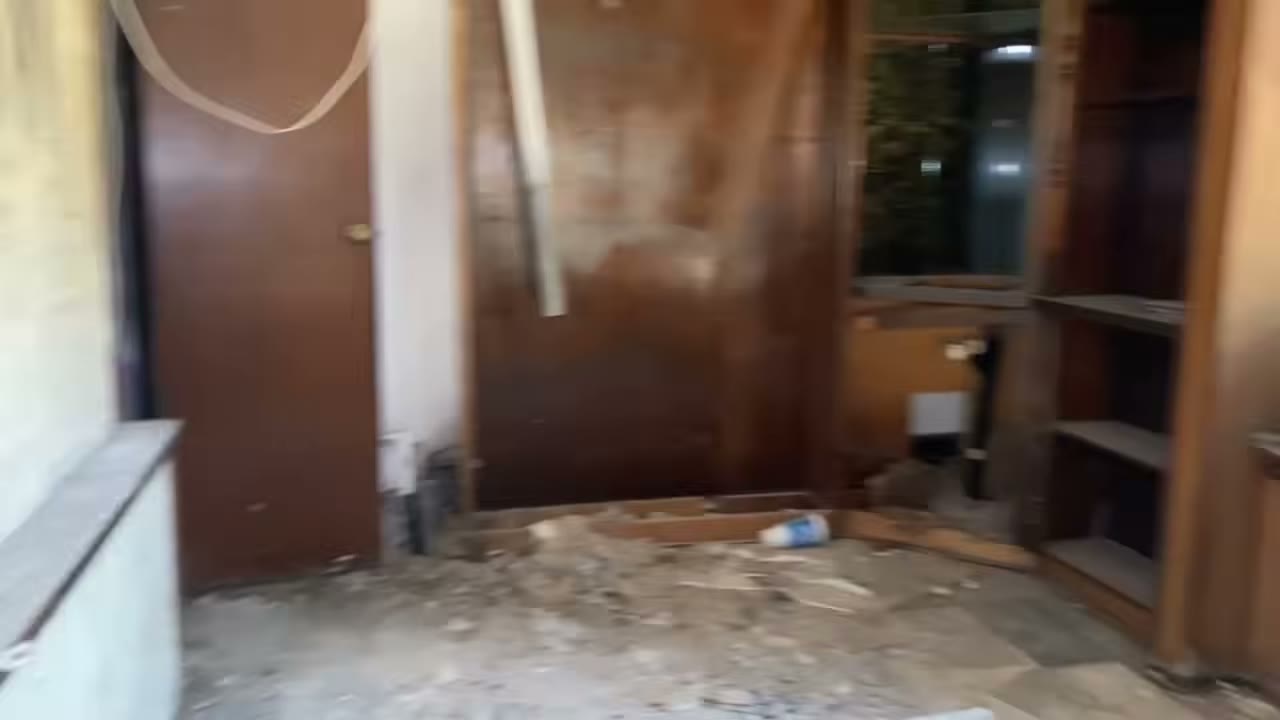
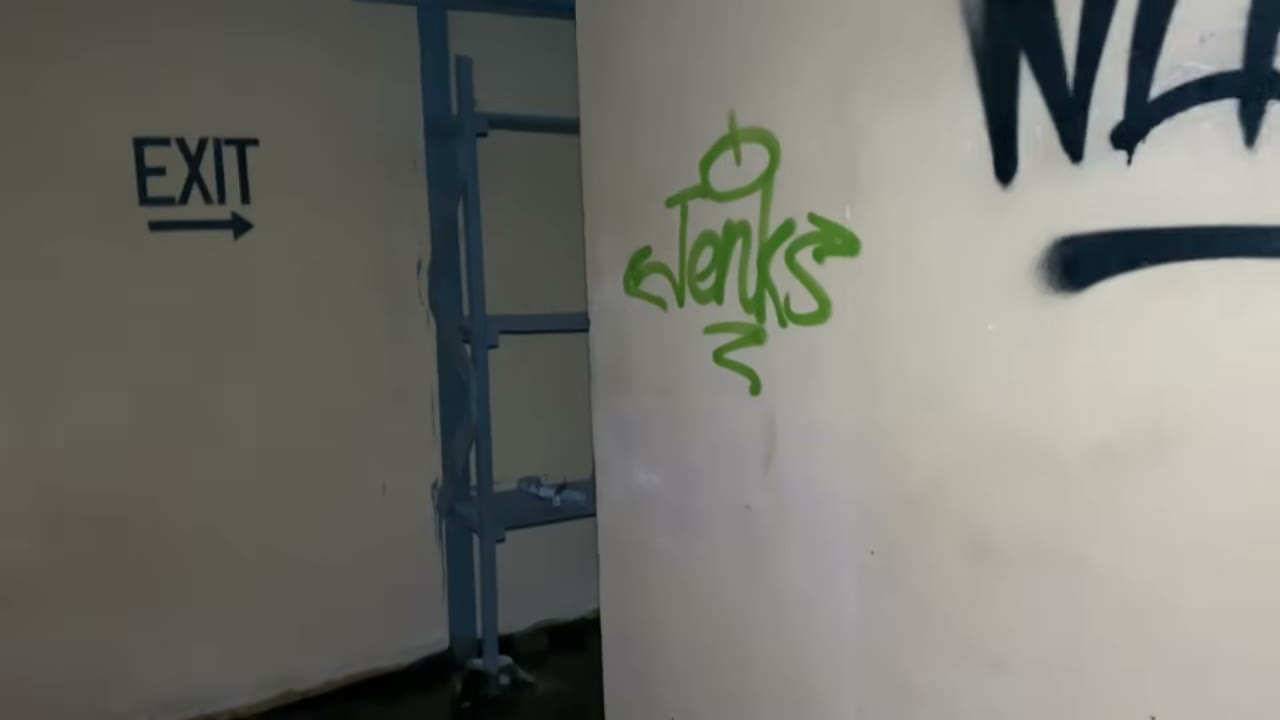
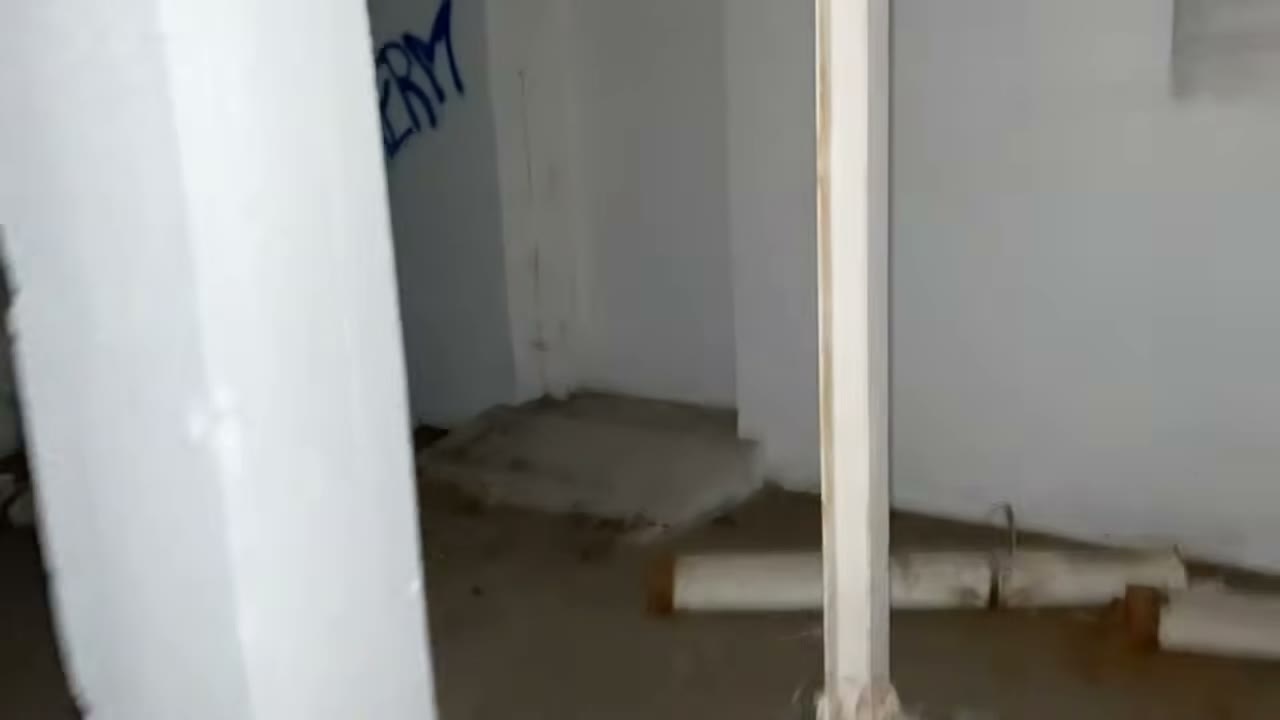
Then we went down to the basement. There was glass everywhere again, with broken light bulbs all over. Cold air was blowing through, and there’s a whole tunnel system. I was surprised there wasn’t any mold. One door had been bricked over, there was something we couldn’t identify, and there were supports holding up the floor. We saved the tunnel for last. On the other side of it was just a little ATM tunnel with a teller box, and that was it. Nothing too exciting.
Why places like this end up empty
I can’t tell you why this particular bank stopped. The description says 1934, and that’s all I have.
That was the middle of the worst run of bank failures in American history. The FDIC’s history says 1,350 banks suspended operations in 1930 and about 2,300 in 1931. In 1933 there were 4,000. President Roosevelt proclaimed a nationwide bank holiday to start on March 6, 1933, and about 4,000 banks never reopened. Nothing I found says this bank was one of them.
Vaults are a separate story. In January 2025 the Cleveland Street Alliance described taking a steel and concrete vault out of a historic bank building. Crews used a remotely operated excavator and took it apart piece by piece to protect the surrounding walls and floors. Pulling the doors and contents from a vault is real work, and somebody did it here.
The tunnel ended at a little teller box and nothing else.
Left behind
- A railing still intact and heavy graffiti in the front of the bank
- An FDIC sticker
- Little teller booths with every light bulb shattered
- A vault area with the door gone, now bare concrete
- A small tray built into a door, with a broken dial
- A police station directly across the street
- A basement tunnel system with cold air blowing through
- A bricked over door and a little ATM tunnel with a teller box
What I carried in
- DJI Osmo Action 5 Pro (Adventure Combo)
- DJI Mic 3 wireless mic
- Coast XP11R flashlight
- LHI 45L tactical backpack
- 35,000mAh power bank with built in cables
Same list as every video description.
Sources
More like this


The footage that never goes public lives on Patreon. It's paid, and it's where the rough cuts, the security run-ins and the early releases go.