, exact location withheld
What Is a Red Tag on a House?
A red tag is a posted notice that a building is unsafe to occupy. What the red, yellow and green placards mean, who posts them, and what a red tag does and doesn't tell you.
A red tag is a red placard posted on a building to say it’s unsafe to occupy, and in most systems it means no one should go inside. It’s the most serious of three colors, and the building department that posts it decides what happens next.
This is entertainment and general information, not legal advice. “Red tag” isn’t a single national rule, and cities use the term differently, so the details below come from the specific sources named.
What do the red, yellow and green placards mean?
The three color system is the best known, and it comes from building safety evaluations after disasters. A City of Seattle presentation on how code officials reoccupy buildings lays it out. Red means “Unsafe to Occupy,” and the building is closed. Yellow means “Limited Entry,” with use or occupancy restricted by area or time. Green means “No Apparent Hazard,” with unlimited occupancy allowed.
California’s emergency services office publishes the form inspectors use, called ATC-20. On its rapid evaluation form, red is labeled UNSAFE and is posted at all entrances. It says “Severe conditions endangering the overall building are grounds for an Unsafe posting.” Yellow is RESTRICTED USE, also posted at all entrances. Green is INSPECTED, posted at the main entrance.
So red is the one you don’t enter.
Who posts a red tag, and why?
An inspector or building official, after looking at the structure. The ATC-20 form is built around that. An evaluator fills it in on site and the posting follows from the severity of the conditions.
After a disaster the trigger is damage. For an ordinary vacant building it’s more often neglect. Columbia, Illinois spells out what an official looks for in its condemnation code. An unsafe structure is one dangerous to life, health, property or public safety, including one where partial or complete collapse is likely. An unfit structure is unsanitary, infested, missing essential facilities or otherwise in disrepair. Either can get a structure closed and placarded.
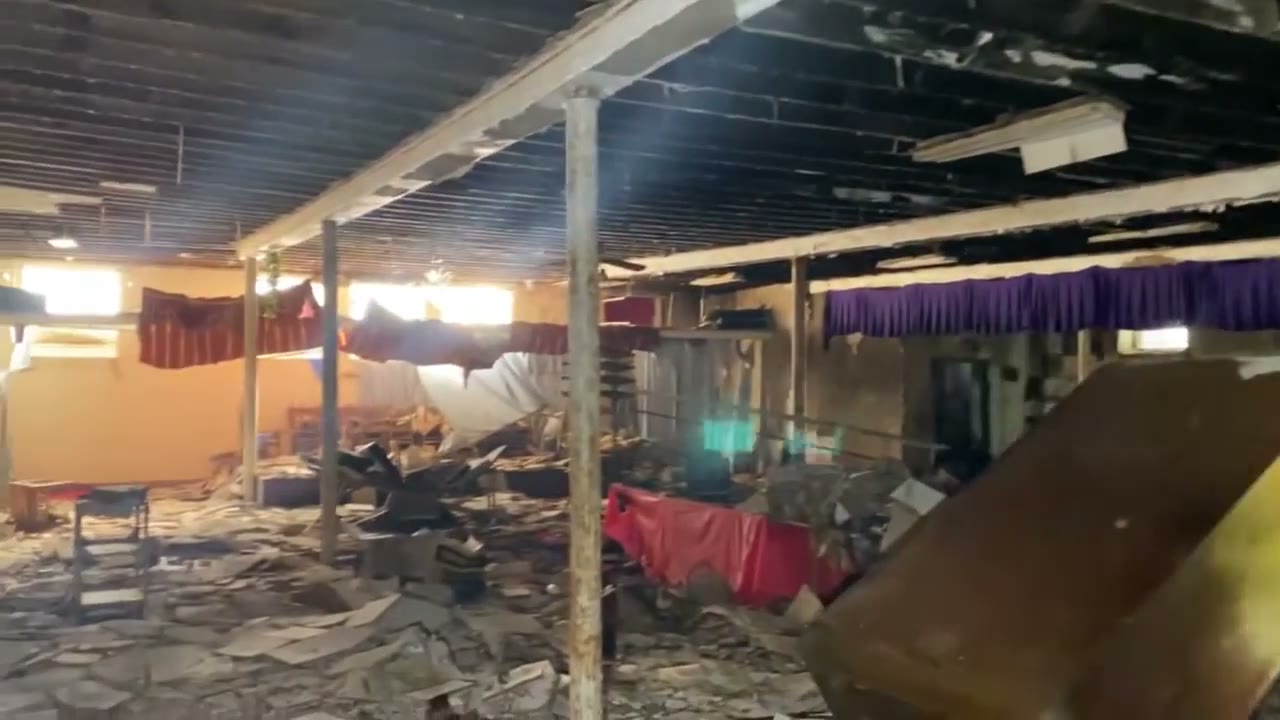
That’s close to what people mean by a red tagged house. Somebody checked, and what they found was bad enough to close it.
Is a red tag the same as condemned?
Often, but not always. Bangor, Maine says in its placarding FAQ that “placarded building” and “condemned building” mean the same thing. It also says a red “X” is a different mark. That one’s for first responders, to warn them of dangers inside, and it says entry is “highly dangerous and is discouraged.”
Chicago uses its own system. Under section 13-12-148 of the city code, the fire commissioner can mark a hazardous vacant building with a first responder warning placard. The code calls it “informational only.”
What these sources have in common is that red points to the same place. The building is unsafe, and the city wants people out. The word changes from city to city, so a red tag in one place may not match the rules in another. Read the actual notice, because the paper is what has force.
Can a red tag be removed?
Yes, but only by fixing the problem and getting an official to agree. Seattle’s presentation says an owner who wants a red or yellow tag downgraded should contact the building department, which may require removing the hazard, a stamped engineer’s letter or a permit. It also notes that a downgrade to green is unlikely in that process.
Bangor’s FAQ agrees on the basic idea. Placards “can be removed when the defect(s) causing the condemnation has been eliminated,” and even then a certificate of occupancy has to be issued before anyone moves back in. It asks realtors not to remove or tamper with a posted placard, and Chicago’s code bars covering, defacing, damaging or removing a first responder placard without written permission from the fire commissioner, apart from authorized city officials.
That’s why a red tag can sit on a house for years. Removing the tag isn’t the cure. Fixing the building is.
Can a red tagged house be sold or repaired?
Yes, in Bangor’s case. Its FAQ says a placarded property can be listed and shown for sale like any other, and that viewing or inspecting the property is allowed, though it advises caution, especially with a red “X.” Repairs need permits before work begins, and the plumbing and electrical permits have to be pulled in person by a licensed professional.
That tells you what a red tag is. It’s a hold on occupancy, not a verdict that the building is finished. Fixing the defects and getting approval is the way out of it.
Can anyone go inside a red tagged building?
Not in the normal sense. Seattle’s presentation says entry to a red tagged building is generally prohibited. The exceptions are people dealing with an immediate hazard, such as hazardous chemicals, and construction crews doing immediate repairs or temporary support.
The local rules add penalties. Columbia’s code makes anyone who occupies a placarded premises, and any owner who allows it, liable for penalties. Chicago’s makes entering a placarded building unlawful unless the person notifies the fire commissioner in advance, with fines of $500 to $1,000 for each offense, and each day counts as a separate offense.
I won’t tell you how to get past one of these. The notice is there because somebody official looked at the building and decided it wasn’t safe.
What does this look like in practice?
I’m not going to pretend one of my videos shows a red tag. What my videos do show is the outside of buildings that someone has already decided to secure.
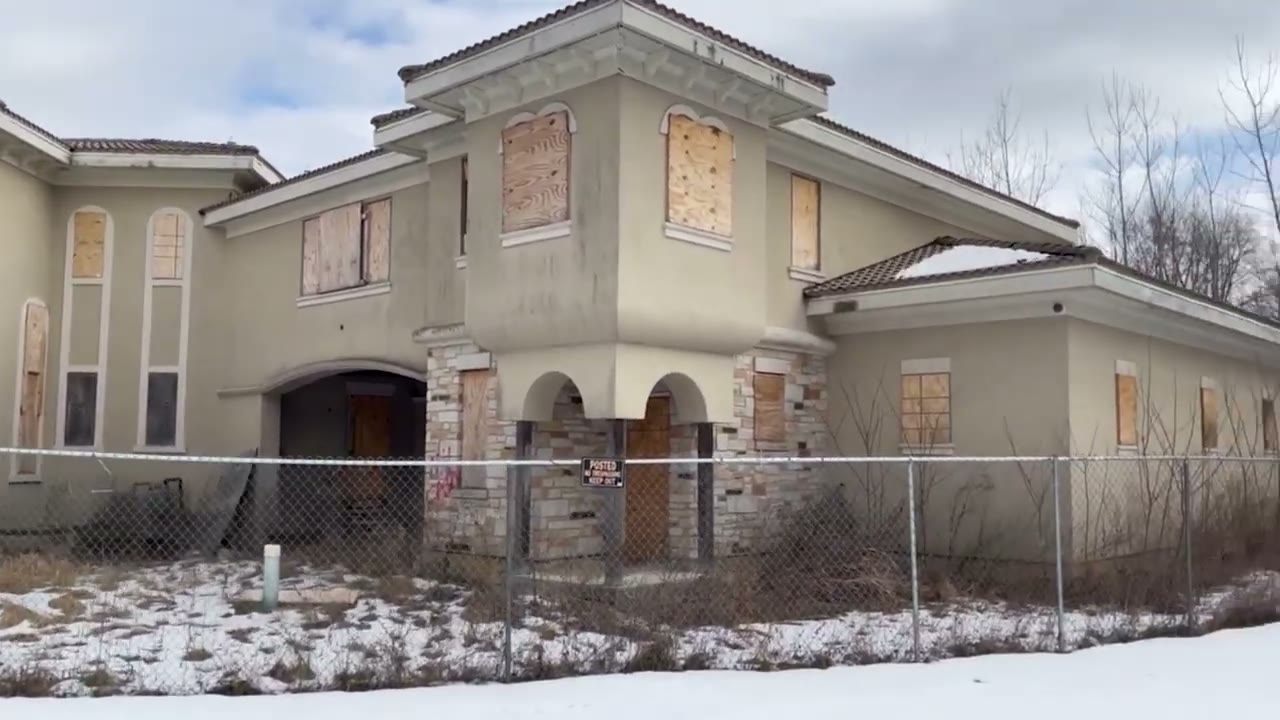
The demolished Naperville mansion was boarded up, behind a chain link fence and under security cameras. I said some of the boards looked very fresh, and there were stickers on them. That’s what secured looks like. It isn’t a red tag, and I don’t know what that building’s file said.
At the Tribune plant a sign said danger, keep out, danger demolition work in progress, and I pointed out it was a Sunday with no demo work happening. The sign was a posted warning, and it said nothing about what condition the inside was in.
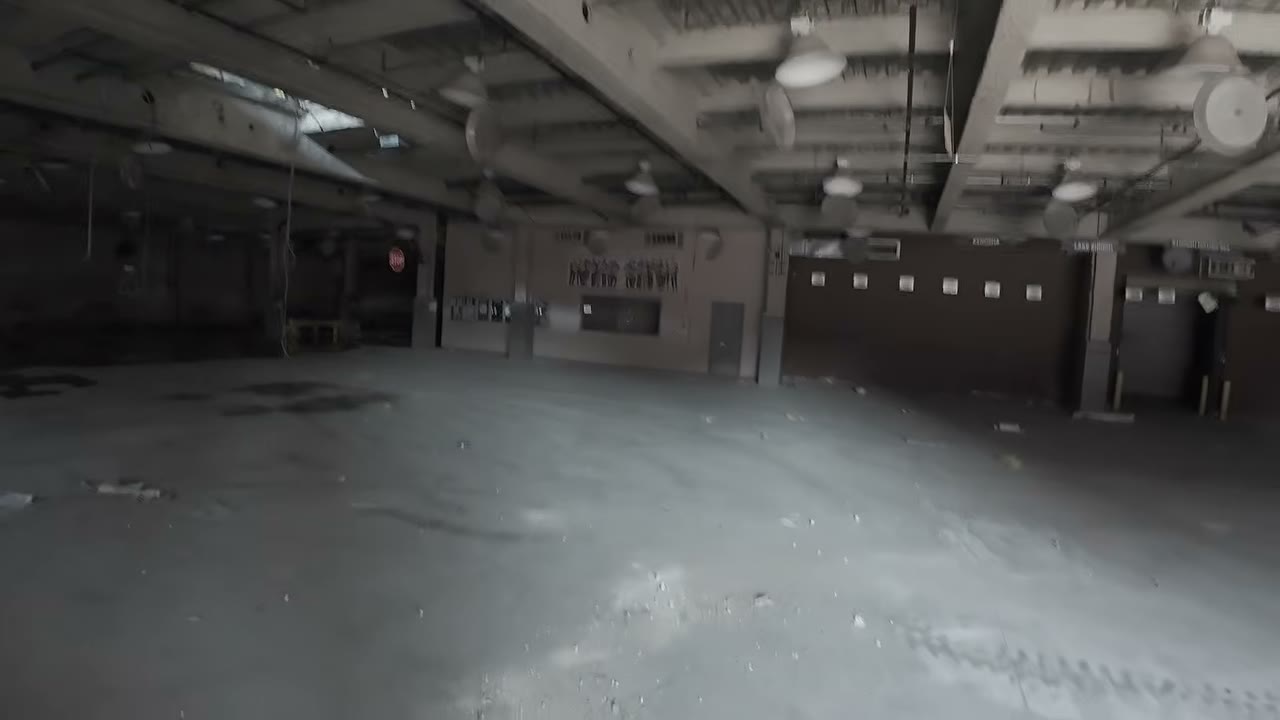
The most useful thing in Chicago’s code is the last line. A placard does not limit the on scene commander’s discretion, and the absence of a placard does not mean a building is safe. A missing tag tells you nothing. A building can be in terrible shape and have no notice on it at all.
How I find my own spots, stay safe, and film without burning locations is covered in a $9.99 PDF called How to Find Abandoned Places.
If you see a red tag, take it at its word.
Sources
- Reoccupying the Building, The Role of the Local Code Official, City of Seattle, accessed Nov 4, 2026
- ATC-20 Rapid Evaluation Safety Assessment Form, California Governor's Office of Emergency Services, accessed Nov 4, 2026
- Placarding FAQs, City of Bangor, Maine, accessed Nov 4, 2026
- Condemnation Measures, Residential Property Maintenance Code 15.09.080, City of Columbia, Illinois, accessed Nov 4, 2026
- Hazardous Vacant Buildings (Municipal Code of Chicago 13-12-148), American Legal Publishing, accessed Nov 4, 2026
More like this


The footage that never goes public lives on Patreon. It's paid, and it's where the rough cuts, the security run-ins and the early releases go.