, exact location withheld
Pigeon Droppings and Histoplasmosis in Abandoned Buildings
Histoplasmosis comes from a fungus in soil and droppings. What CDC and NIOSH say about birds in old buildings, the symptoms, and why dust is the problem.
Histoplasmosis is a lung infection you get from breathing in spores of a fungus, and the fungus lives in soil that holds a lot of bird or bat droppings. In an abandoned building where birds have been roosting for years, the thing to worry about is dust.
This is entertainment, not medical, safety or legal advice. Every claim here links to the agency it came from, and none of it is a reason to go inside anything.
What is histoplasmosis?
CDC defines it as a lung infection caused by breathing in Histoplasma, a fungus. In the United States the fungus mainly lives in the central and eastern states.
You catch it from the air. NIOSH says the fungus lives in the environment, particularly in soil that contains large amounts of bird or bat droppings, and it lists the disturbance of large accumulations of those droppings as an activity linked to the disease. The word that matters is disturbance.
How do you get it from bird droppings?
By stirring them up. NIOSH’s worker guide says infection happens when a person breathes in tiny fungal spores from the air, and that the risky tasks include disturbing large piles of bird or bat droppings, digging soil, and demolition or renovation. CDC’s prevention page says it is difficult to avoid breathing in the fungus where it is common, and that avoiding activities that disturb soil or increase exposure to bird or bat droppings can help. Its examples are cleaning chicken coops, exploring caves and yardwork.
Caves are on that list, and I’d put a closed up old building in the same mental category, but that comparison is mine and not CDC’s.
NIOSH’s main prevention step is boring and effective. Keep birds and bats out of buildings so the droppings don’t pile up. In an abandoned building nobody does that. Nobody patches the roof or boards the windows, and the opening in the church ceiling below is the kind of thing I mean.
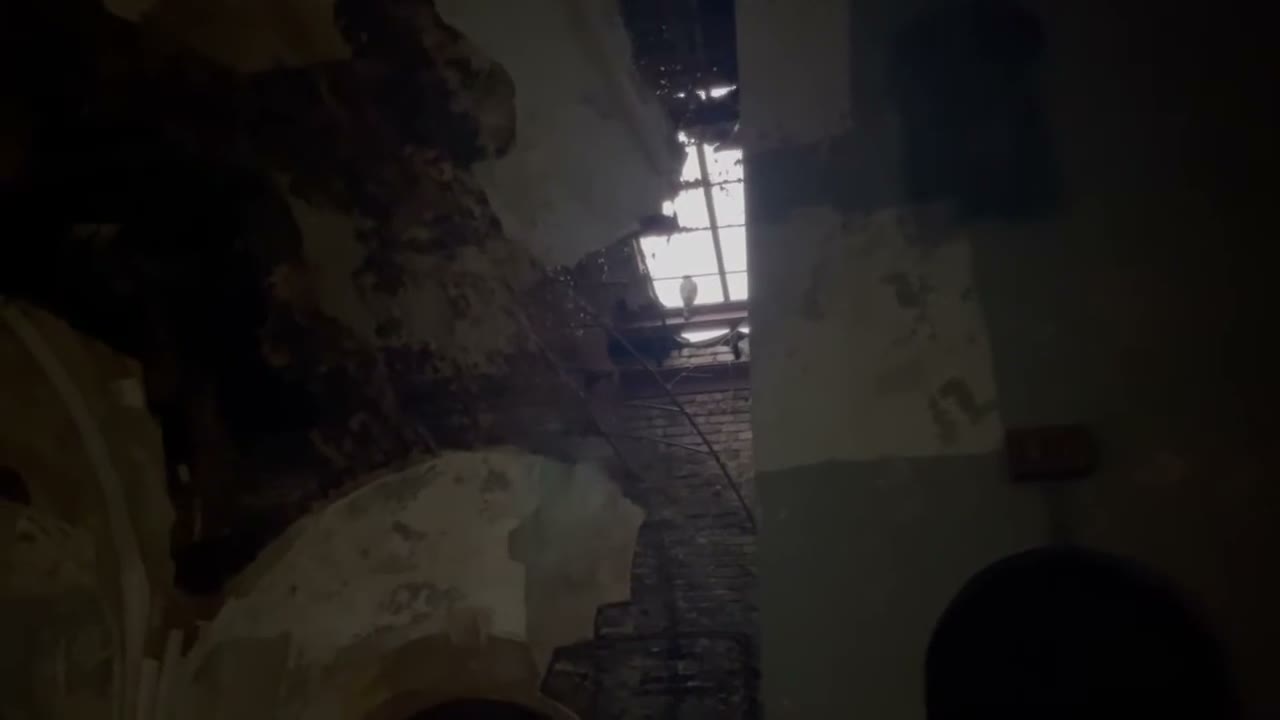
What are the symptoms, and how bad can it get?
CDC says histoplasmosis has symptoms similar to other pneumonias, including fever, cough, fatigue, chills, headache, chest pain and body aches. Symptoms start about 3 to 17 days after the spores are inhaled. Most cases are mild and clear up in a few days to a month, and people in areas where the fungus lives often breathe it in without getting sick.
That is the good news, and it is real. The page also says severe illness is uncommon and mainly hits people with weakened immune systems, who can develop a long term lung infection. In serious cases the infection can spread beyond the lungs, including to the brain, where it can cause meningitis.
So the odds for a healthy person are decent. The trouble is the delay. If you get a fever and a cough a week after an explore, you probably won’t connect it to a room full of birds, and a doctor won’t either unless you say where you’ve been.
Does where you live matter?
It does. CDC says the fungus mainly lives in the central and eastern states, and NIOSH says anyone who works with or near material contaminated with it can develop histoplasmosis. NIOSH’s worker guide names construction, mining and quarrying, oil and gas extraction, agriculture and forestry as the jobs with higher risk in areas where the fungus is common.
I read that as a map of where the disease shows up and a list of who gets exposed, and it comes down to dust and soil. Demolition and renovation are both on the risky tasks list, and a building that is coming apart on its own is doing a slow version of both.
CDC also mentions one long term complication. It says many scientists believe presumed ocular histoplasmosis syndrome, which can cause vision loss, may be a long term result of the infection. CDC also says most cases are mild, so this is a possibility and not the usual result.
Is histoplasmosis the only thing in bird droppings?
No. NIOSH lists two more. One is cryptococcosis, and the page says the fungus behind it is found in soil, decaying wood, tree hollows and bird droppings. The other is psittacosis, a bacterial disease that spreads mainly when people breathe in dried droppings or respiratory secretions from infected birds. The higher risk workers it names are veterinarians, bird breeders, poultry workers and pet shop workers, and those are all jobs with close contact with birds.
I’m not going to tell you what any particular pile contains, because I don’t know and neither does a camera. None of the pages I read describe a way to judge a pile by sight. What they describe is the pattern, which is droppings, dust and a closed space.
Bats come up here too, and they belong to a different hazard. I cover them, along with raccoons and rodents, in wildlife in abandoned buildings.
What do the agencies say to do about the dust?
NIOSH’s worker guide says to control dust during removal, excavation or construction, for example by wetting the area. It says disposable protective clothing and shoe coverings can keep spores from being carried to your car or home, and it lists a NIOSH approved respirator as one piece of protective equipment. CDC’s page says construction workers can wear protective masks like N95s.
Notice what that list is. It is a work site list, written for people who are paid to deal with the dust and who control the area. For everyone else, the useful part is the sentence the agencies keep repeating. Avoid disturbing it.
My respirator is the 3M 6200 half face respirator on my list. NIOSH tells workers to ask a supervisor which protective equipment is appropriate, so I won’t pretend to give you a spec. It isn’t a pass to walk through a pile.
What does this look like on a real explore?
Birds turn up in several of my videos. In the former Greek Catholic church in Chicago I said “those birds are scaring me” and “I thought it was a wind at first,” and then that they were all up in the ceiling. A few minutes later I said there was a bird up there, and later in the video I said there were dead birds and that I wasn’t going to show that on camera.
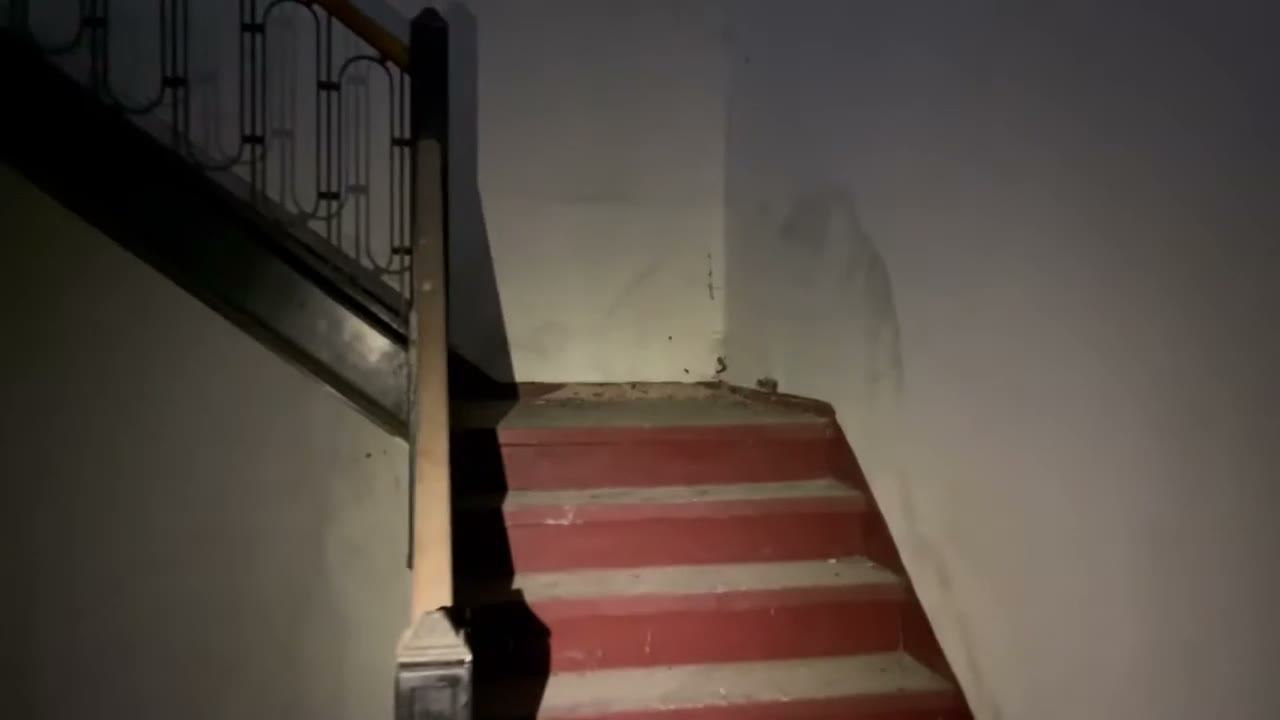
The Russian billionaire’s mansion had nests too. In the first couple of minutes I point out a bird’s nest up there and another one inside a light. In the mafia car hideout, animals were flying around the second building. I first said they were bats, and a few seconds later I agreed they were probably birds.
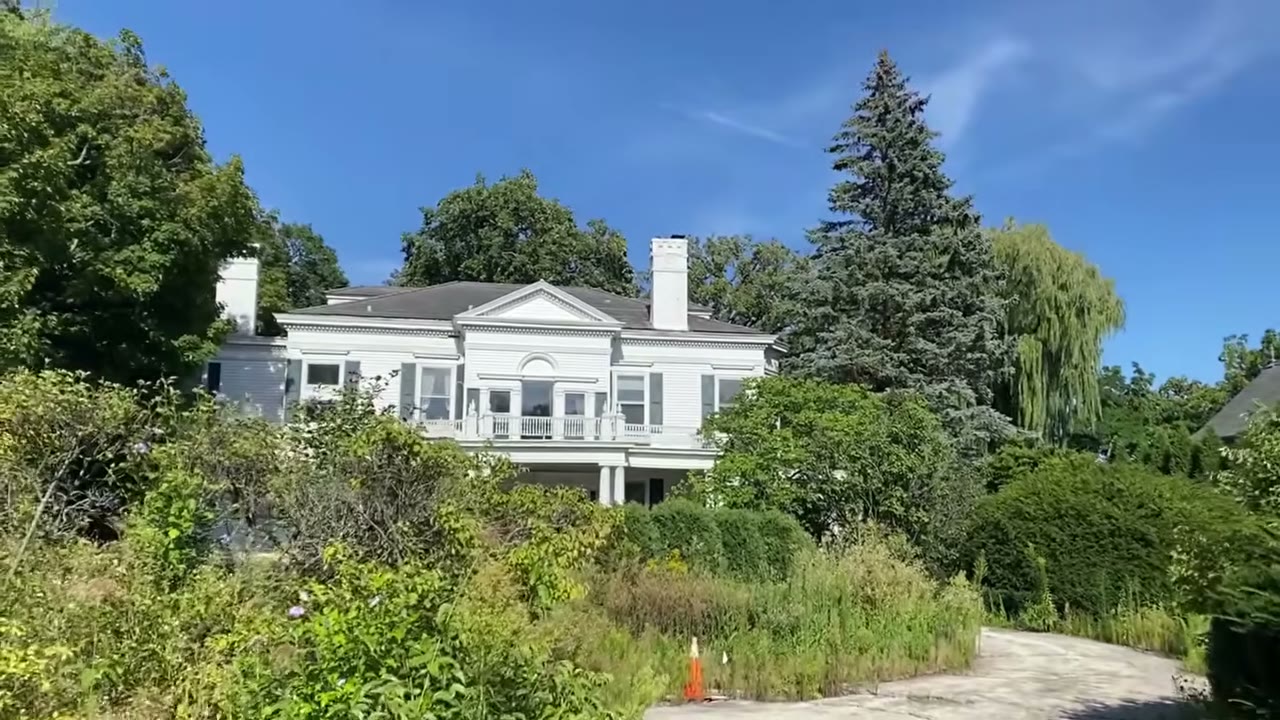
I’m not telling you any of those places had histoplasmosis spores in the air. I have no test and no sample. What I can say is that birds were in the building each time, and the agencies tie bird droppings to the disease.
How do I stay safe around droppings?
Going by every agency page above, the safest move is to not make dust. How I stay safe on explores is covered in my guide, How to Find Abandoned Places. For the rest of the air and dust hazards, see what’s actually dangerous inside abandoned buildings and the best respirator for abandoned buildings.
Droppings are only dangerous when they turn into dust, and the easiest way to keep them from turning into dust is to leave the floor alone.
What I carried in
Same list as every video description.
Sources
- About Histoplasmosis, CDC, Apr 24, 2024
- Symptoms of Histoplasmosis, CDC, Apr 24, 2024
- Reducing Risk for Histoplasmosis, CDC, Nov 3, 2026
- Histoplasmosis and Work, NIOSH, Apr 22, 2024
- What Workers Should Know about Histoplasmosis, NIOSH, Dec 2021
- Related Infectious Disease Risks for Workers, NIOSH, Dec 17, 2024
More like this


The footage that never goes public lives on Patreon. It's paid, and it's where the rough cuts, the security run-ins and the early releases go.