, exact location withheld
The 2013 Chicago School Closings
In May 2013 Chicago voted to close 50 public schools. What the district said, what researchers found, and why many buildings were still empty a decade later.
On May 22, 2013, the Chicago Board of Education voted to close 50 public schools, the largest mass school closing in the country. About 11,000 students attended the closed schools, and a decade later more than half of the buildings were still not back in use.
This is history and public policy, not an invitation. A closed school is still somebody’s property, and the stories below show how much it costs a district to guard one. Nothing here is a reason to go inside any building.
What did Chicago close in 2013 and why?
The district said it had too many buildings and too few students. WBEZ and the Chicago Sun-Times reported in 2023 that CPS had space for over 500,000 students but only about 400,000 enrolled. Schools were chosen using three criteria, which were severe underenrollment, consistently low performance and deteriorating buildings. All but one of the schools served elementary students.
On vote night, United Press International reported that the board had voted to close 49 elementary schools, with four others given a last minute reprieve and about 27,000 students moving to new classrooms. The chief executive at the time, Barbara Byrd-Bennett, told the Sun-Times the city had 145,000 fewer school age children than in 2000. The counts differ by outlet because some closings were whole buildings and some were programs. ABC7 reported 47 elementary schools and one high school program closed, plus two more phased out, and the University of Chicago’s Chicago Studies journal says 44 buildings housed 50 schools.
ABC7 also reported that CPS cited a $1 billion budget deficit as part of its reason, along with underused buildings and declining enrollment. Mayor Rahm Emanuel promised not to close schools for five years afterward.
What happened to the students?
Researchers at the University of Chicago Consortium on School Research studied it. WBEZ reported in 2018 that students from closed schools did not benefit academically. Four years later, math scores for displaced students had not recovered, with math down by about two months of learning. Reading fell by about 1.5 months and then recovered. The study compared them with similar students at schools that stayed open and concluded the closed school students would have done better if their schools had stayed open.
Roughly 13,000 students attended the schools that received them, and the district and city invested $180 million in those receiving schools. The study also found a rough transition. Textbooks and instructional materials were lost in the moves, and some receiving schools were unclean when staff arrived in August. Teachers reported more conflict and students reported more bullying and fights in the year after the mergers.
CPS projected savings of $43 million a year. WBEZ noted that the district had not released detailed information showing whether those savings were realized. The 2023 WBEZ and Sun-Times investigation found that most promises made in 2013 were never realized, and CPS chief Pedro Martinez told the reporters the costs outweigh the benefits.
Why did so many of the school buildings sit empty?
Selling a school building turned out to be hard. By 2017, WBEZ reported that CPS had sold nine of the 50 some buildings closed in 2013 for about $24 million, and three of those sold for under $400,000. Most buildings sat in poor neighborhoods with many vacant buildings and lots, which made sales difficult. Some had community deed restrictions, and CPS had pledged that the closed schools would not become charter schools.
In December 2018, WBEZ found that CPS had put 47 buildings up for sale and that 34 still sat empty, even though many had sold. Lenders were reluctant to finance projects in low income neighborhoods, and several sales fell through. Rehabbing an old school is expensive. The Chicago Studies paper gives the example of Drake Elementary, with a renovation cost of about $25 million.
Six years after the closings, that paper counted 30 buildings, about two thirds, still vacant. In 2023, the number was 26 buildings still vacant and unused ten years later.
What does an empty school do to its neighborhood?
WBEZ and the Sun-Times found that census tracts with majority Black populations that included a closed school lost 9.2 percent of residents from 2013 to 2018, compared with 3.2 percent in comparable tracts without closures. In West Englewood, three schools closed in 2013, and the surrounding area lost 27 percent of its population through 2018, against 17 percent in the rest of the neighborhood. Experts told the reporters closings may not be the main driver of population loss, but they send a negative signal about a community’s future.
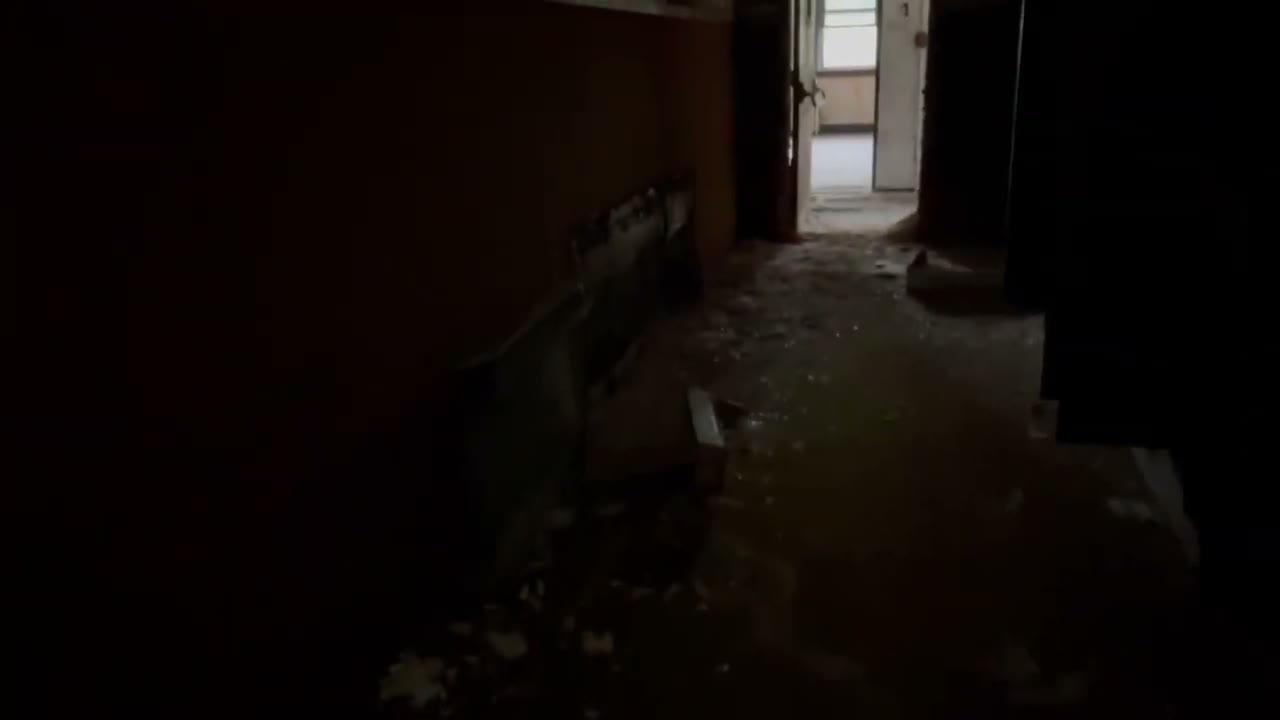
The buildings themselves cost money. According to The 74 and Chalkbeat, CPS spends $100,000 to $150,000 per vacant school each year on maintenance and security, which is at least $2 million annually. In May 2025 the district offered 20 properties for sale, most of them schools closed in 2013 and empty for 12 years. Many were in poor condition, with stripped copper, broken windows and graffiti.
WBEZ reported that Woods Elementary in Englewood was stripped of pipes and other valuable materials, and the 2017 story noted that shuttered schools have been targets of vandalism. That is the same pattern my guide on scrappers explains.
One building did not make it. The former Dett Elementary on the Near West Side was demolished in fall 2024 after a late May fire, at a cost to the district of $1.25 million.
What do closed school buildings look like on camera?
I’ve filmed closed schools in the Midwest, including an elementary school where someone was watching us. None of my videos is identified as one of the 2013 CPS buildings, and I’m not saying any of them is. For a sense of the inside of an old school, my video of a Catholic church, school and rectory in Chicago is a different kind of building with the same problems of neglect and weather.
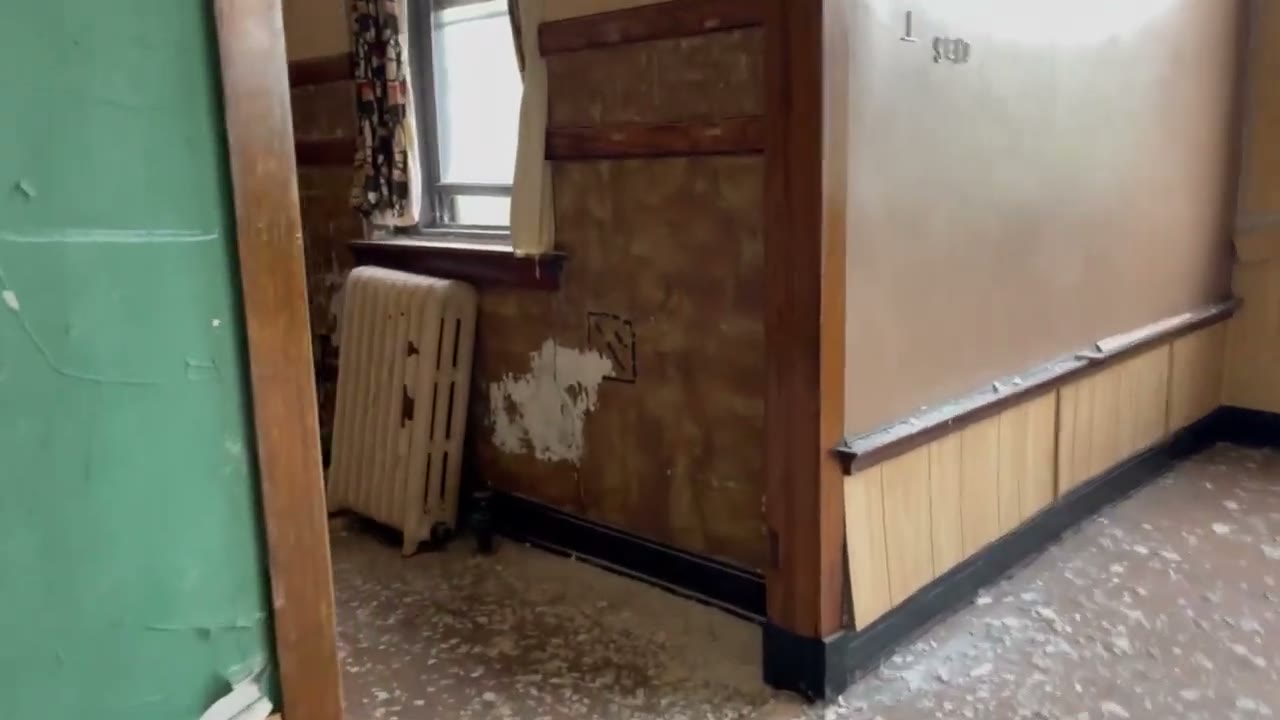
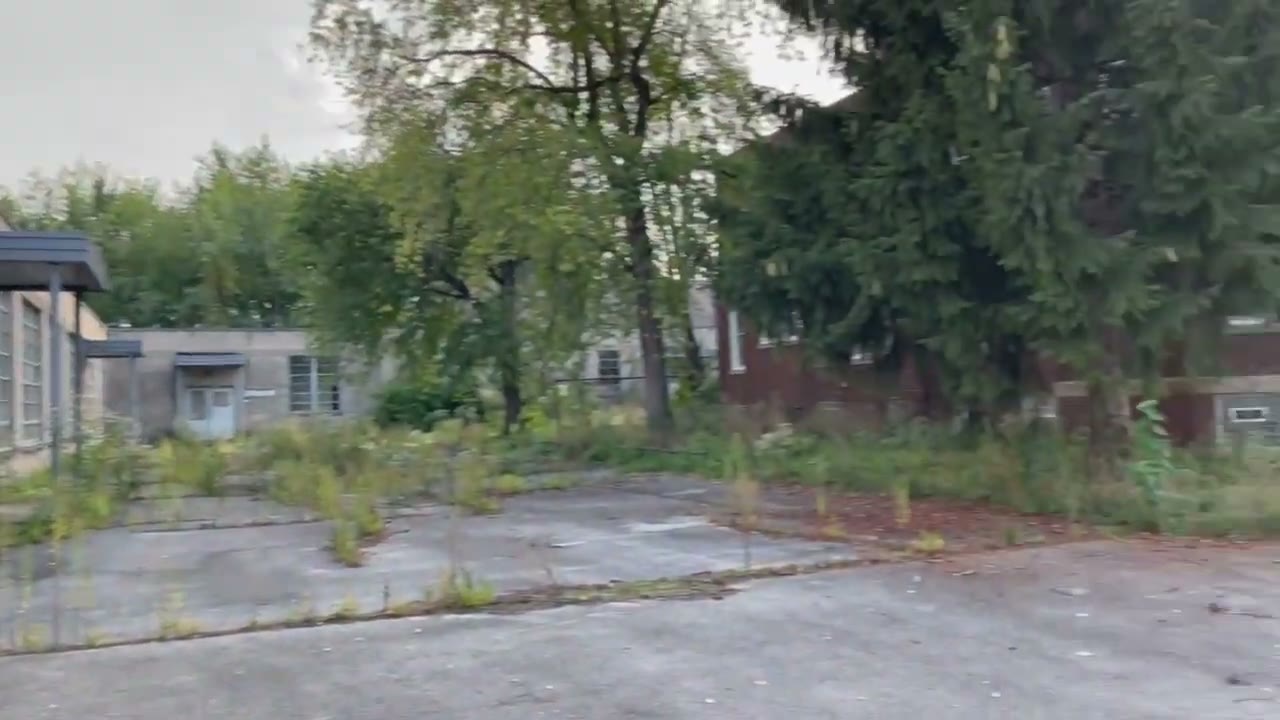
Interiors like these are dark, which is why I carry one good light. Most flashlights, including brand name ones, aren’t bright enough, and the Coast XP11R flashlight on my gear list is the kind I mean. If you want to know how I find places and stay safe without burning locations, it’s in my $9.99 guide, How to Find Abandoned Places. It doesn’t make trespassing legal, and I keep my own locations private.
The vote took one night. Dealing with what it left behind has taken more than a decade.
What I carried in
Same list as every video description.
Sources
- 49 Chicago schools to close, United Press International, May 23, 2013
- Study 2013 Chicago School Closings Failed To Help Students, WBEZ, May 22, 2018
- Test scores suffered after CPS closed 50 schools in 2013, study says, ABC7 Chicago, May 22, 2018
- Repurposed or Unpurposed? The Evolution of Chicago Public School Buildings Closed in 2013, Chicago Studies, University of Chicago, accessed Nov 4, 2026
- Dozens Of Empty Chicago School Buildings Hit The Market, WBEZ, Jan 12, 2017
- Vacant School Buildings Litter Chicago Neighborhoods After Mass School Closings, WBEZ, Dec 5, 2018
- After 10 years, Chicago school closings have left big holes, and promises unkept, WBEZ and Chicago Sun-Times, Jun 1, 2023
- Chicago Public Schools Once Again Puts 20 Closed Schools Up for Sale, The 74 and Chalkbeat, May 17, 2025
More like this


The footage that never goes public lives on Patreon. It's paid, and it's where the rough cuts, the security run-ins and the early releases go.