Fukushima, Japan
Fukushima's Red Zone
We flew 12 hours to explore Fukushima, with a radiation meter, a pachinko parlor, a car graveyard and a house we snuck into.
By Decay · From October 2024
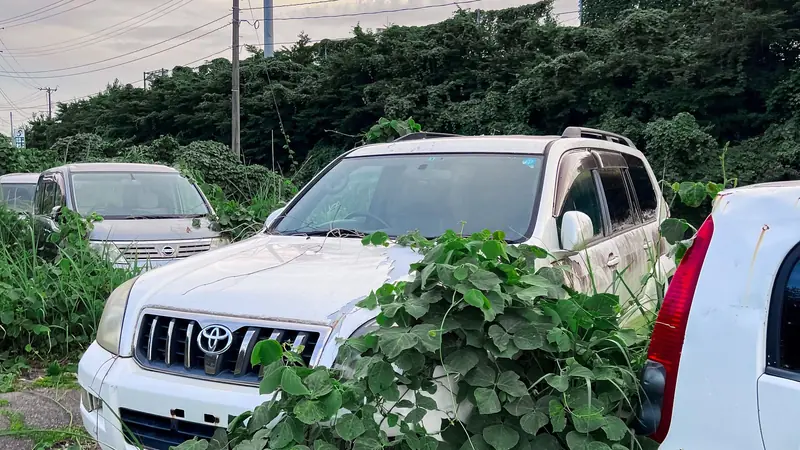
We flew 12 hours to explore Fukushima. In these clips we cover the trip, from a forest path with a radiation meter to a pachinko parlor and a house in the Red Zone.
What happened
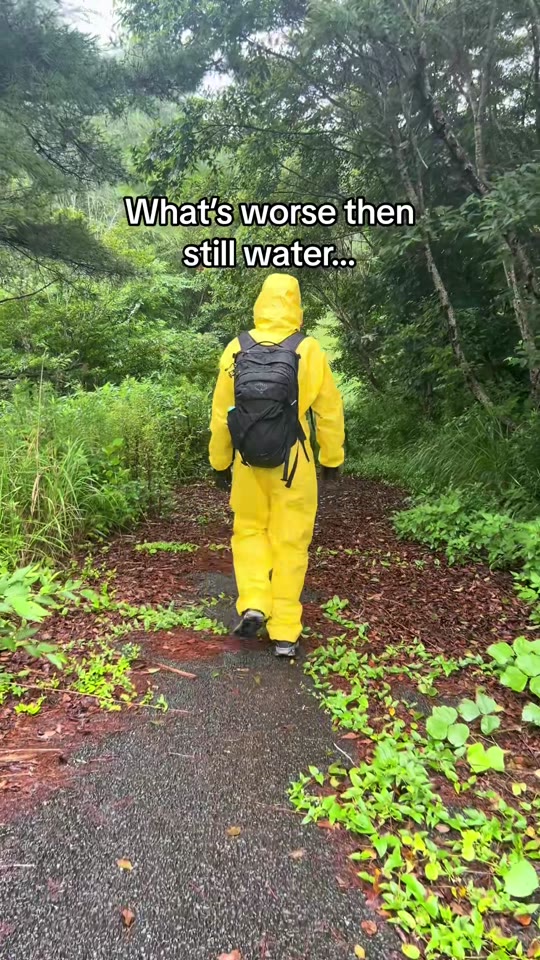
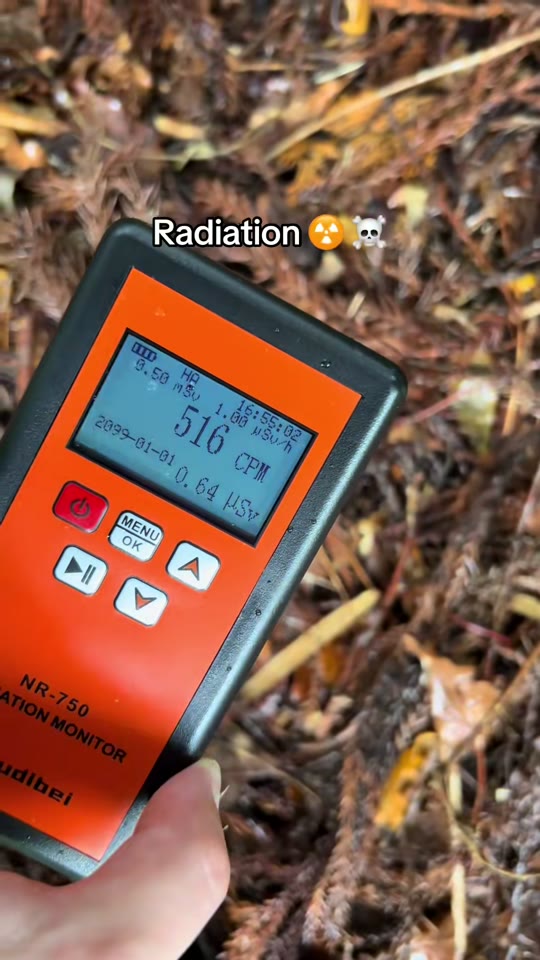
In my first clip I asked what’s worse than still water. My friend 2swag, in a yellow suit and backpack, walks up a cracked road taken over by green plants. Then a radiation meter in an orange case is held over the leaves on the ground.
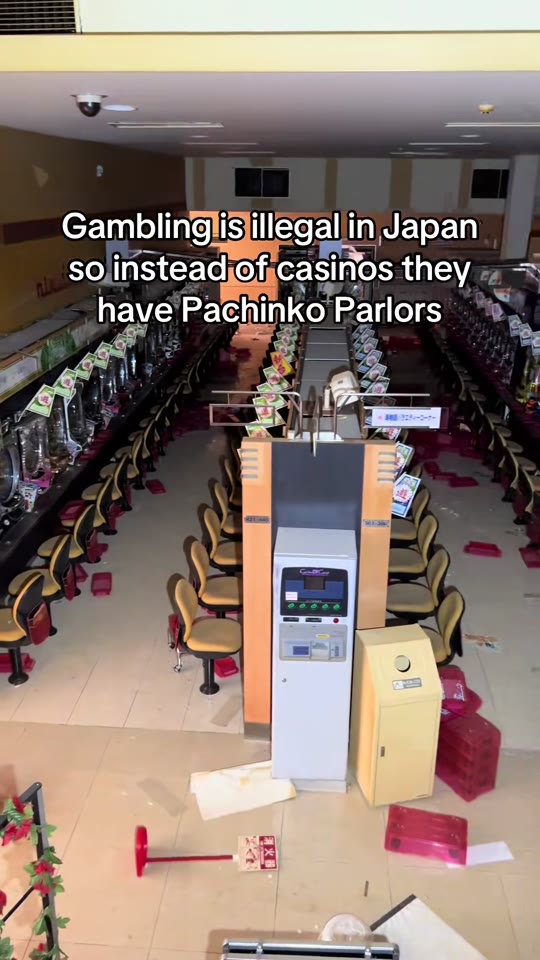
In one clip we go into a pachinko parlor. Gambling is illegal in Japan, so instead of casinos they have pachinko parlors. This one has rows of machines and chairs, a vending machine still stocked with drinks, and a pack of cigarettes open on a counter. Further back, the shelves are mostly empty and trash covers the floor.
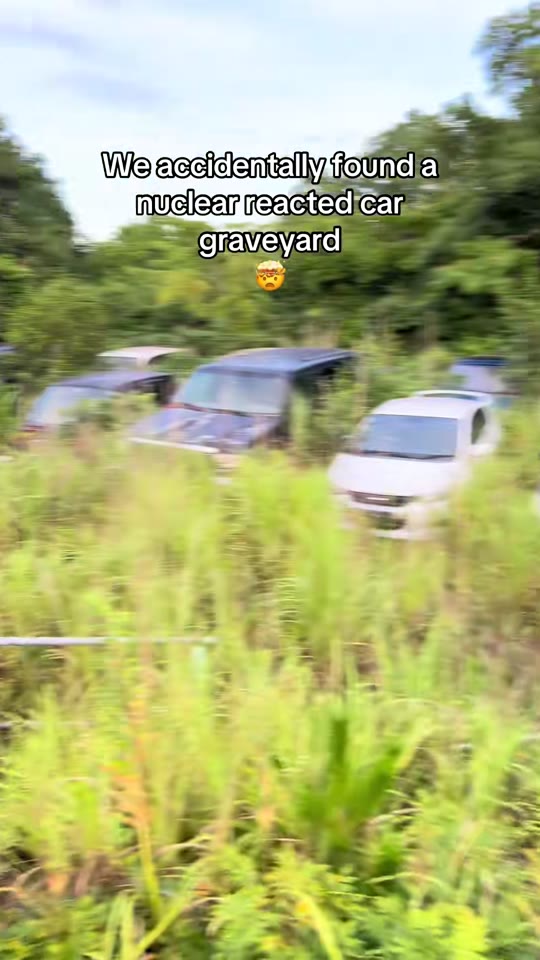
We accidentally found a car graveyard. White and dark cars sit in tall grass, some with plants growing over the hoods. We held the meter against one of them.
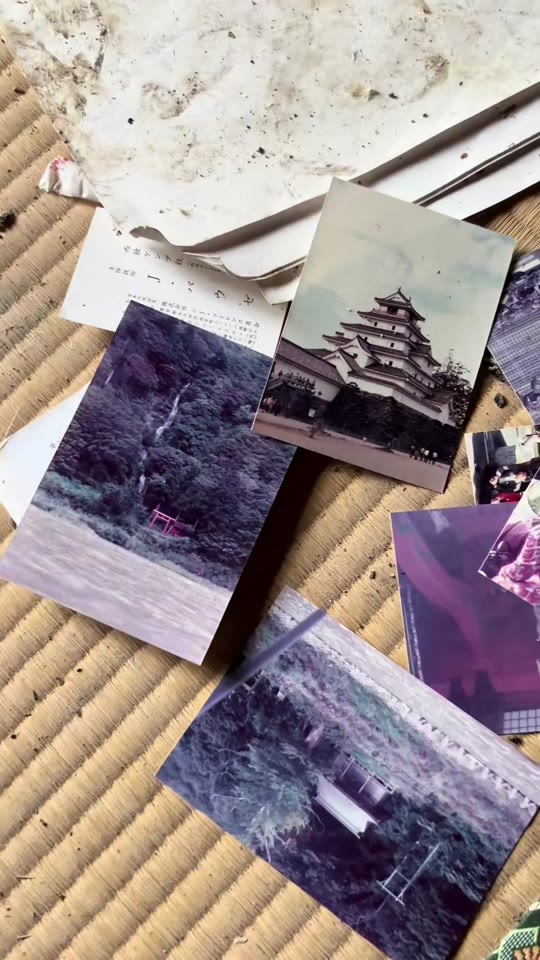
The house is where we snuck into Fukushima’s Red Zone. We went in through a window. Inside, a gold necklace sits in its case, trading cards lie on the floor, and old photographs are scattered over the tatami mats.
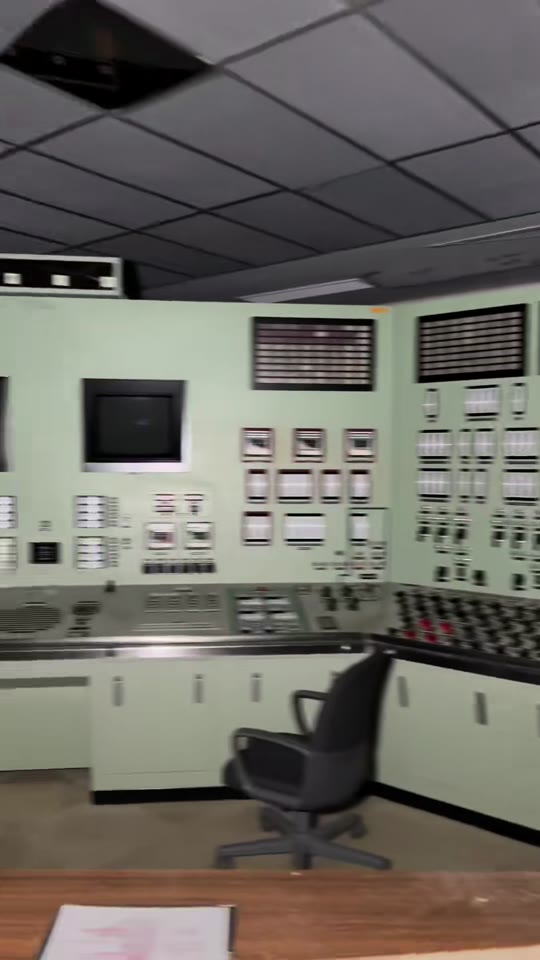
In another clip we walk through a radioactive forest. In another, lots of strange chemicals were left behind, with two jars on a glass shelf, then a control room with a wall of dials and an empty chair.
Watch on TikTok
What people said
The comments kept coming back to radiation. A lot of people asked about the gloves and whether it was safe to touch things, and many turned it into a joke on still water. Some people asked how dangerous it is to be in the area at all. I also pinned a correction of my own in the comments.
- @_chris_cross1 “No gloves is crazy”
- @rodrigo_6o3o “Isnt it deadly to be there?”
- @verysoggytortilla “At least we have things to detect it-“
- @decayingmidwest (me) “Correction everything has been left untouched since 2011”
What happened in 2011
On Friday, March 11, 2011, a magnitude 9.0 earthquake struck about 130 km off the coast of Sendai, Japan. The tsunami that followed reached about 15 meters high at the coast and killed about 19,500 people. About an hour after the quake, the wave flooded the Fukushima Daiichi nuclear plant. Power and cooling were lost at units 1, 2 and 3, and all three cores largely melted within three days. Hydrogen explosions damaged the reactor buildings and radioactive material was released into the air. Japan later rated the accident Level 7, the top of the international scale.
The evacuation zone grew in steps on March 12, from 2 km to 3 km to 10 km, and then to 20 km that same day. People 20 to 30 km away were told to stay indoors. The World Nuclear Association puts the number evacuated from the area at more than 100,000, with about 160,000 people displaced in total. It says no one died from radiation or acute radiation sickness, and that 2,313 people died of disaster related causes among evacuees, linked to the stress and disruption of leaving, as of September 2020.
The evacuation zones and the difficult to return zone
In April 2012 Japan sorted the evacuation areas by yearly radiation dose into three groups. They were areas being prepared for lifting orders, areas with restricted living, and difficult to return zones. A difficult to return zone is an area where the yearly dose was above 50 millisieverts and was expected to stay above 20 even after five years. That is the official name for the most contaminated land. Entry is blocked by barriers and no one may stay overnight.
At its largest in August 2013, the evacuation order area covered 1,150 square km. Japan’s Reconstruction Agency says it was down to 309 square km by May 2023. Orders were lifted everywhere except the difficult to return zones in March 2020. Between June 2022 and November 2023, orders were lifted in set areas of six towns and villages, Okuma, Futaba, Namie, Tomioka, Iitate and Katsurao. About 29,000 people were still evacuees in May 2024.
In November 2025 the town of Futaba let registered residents enter their homes in parts of a difficult to return zone without asking for permission. They still cannot stay overnight. The town hopes to lift its evacuation orders by the end of March 2027.
More from this one
Sources
- Fukushima Daiichi Accident FAQ, World Nuclear Association
- Evacuation orders and zones, Fukushima Prefecture English portal, updated Mar 2025
- Progress of reconstruction, Reconstruction Agency of Japan, Aug 2024
- Fukushima town eases entry restrictions in difficult to return zone, Japan Times, Nov 4, 2025
- More revisions to Fukushima zones, World Nuclear News, Dec 2012
Get new posts by email
One email when new posts go up. No spam, unsubscribe any time.
Or follow along on
Subscribe on YouTubeThe footage that never goes public lives on Patreon. It's paid, and it's where the rough cuts, the security run-ins and the early releases go.
There is also merch. It is not a crowbar.
Comments